
Last Updated on July 27, 2026 by Daniel Globe
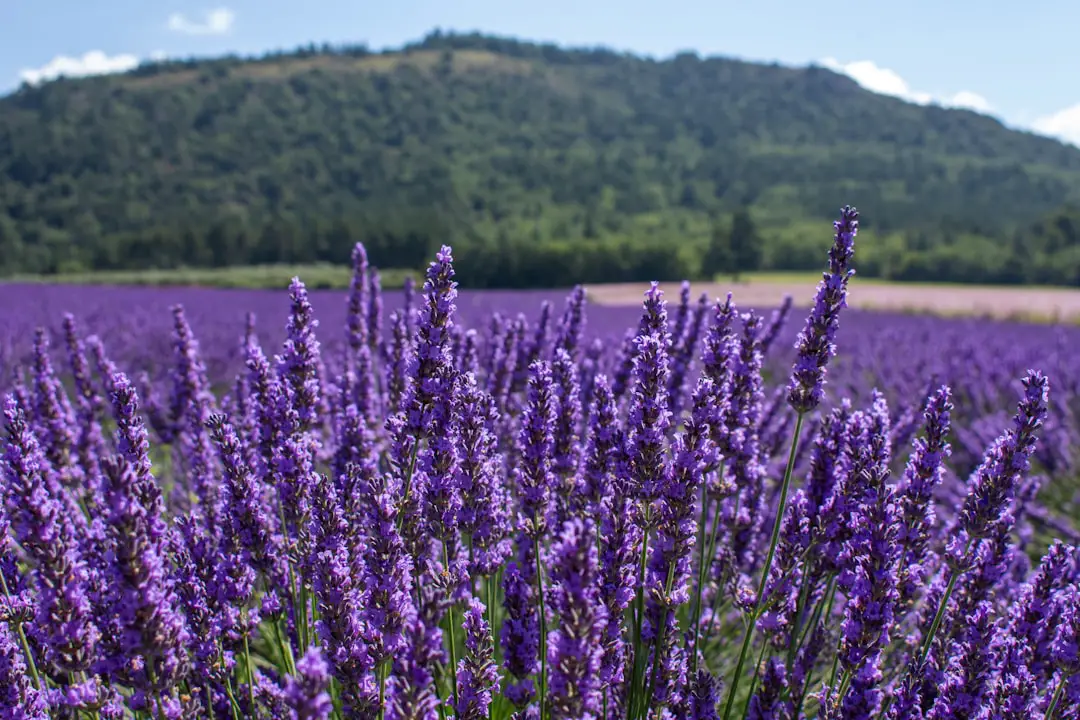
The best time to visit the South of France depends on what you want to do. Spring and early fall are usually the most comfortable periods for sightseeing, village walks, cycling, and outdoor dining. Summer is best for beaches, nightlife, and major festivals, while late June and July bring Provence’s famous lavender displays. Fall suits wine tourism, and winter offers quieter coastal cities and snow sports in the Southern Alps.
Quick Answer
For most first-time visitors, May, June, September, and early October offer the best balance of pleasant weather, open attractions, outdoor activities, and manageable crowds. Choose late June or July for lavender, July or August for peak beach life, September for warm coastal trips with fewer crowds, and winter for museums or the Southern Alps.
Key Takeaways
- Best overall months: May, June, September, and early October for sightseeing and outdoor activities.
- Best for lavender: Usually late June through July, although bloom and harvest dates vary by area, altitude, and weather.
- Best for beaches: June through September, with July and August bringing the hottest weather and largest crowds.
- Best for wine tourism: Late August through mid-October, when grape harvesting takes place across many Provence vineyards.
- Best for fewer crowds: April, May, October, and the coastal winter months outside major holidays and events.
- Important summer caution: Heat and wildfire danger can restrict access to parks and hiking areas, including the Calanques.
There is no single perfect month for every traveler: the best season for lavender is not the best season for low prices, and the best beach weather is not always the best hiking weather.
The term “South of France” can refer to a very large area. This guide focuses mainly on Provence, the Côte d’Azur, Marseille, Avignon, Nice, Cannes, Grasse, and nearby parts of the Southern Alps. Weather and seasonal patterns can differ in Occitanie, the Pyrenees, the southwest, and higher mountain areas.
Disclosure: As an Amazon Associate I earn from qualifying purchases. Some links on this page are affiliate links, at no extra cost to you.
Best Months to Visit the South of France at a Glance
| Travel Priority | Best Period | What to Expect |
| Sightseeing and villages | April–June and September–October | Milder conditions than peak summer, long sightseeing days, and generally easier walking. |
| Lavender fields | Late June–July | The exact peak depends on altitude, variety, weather, and the local harvest schedule. |
| Beaches and swimming | June–September | July and August are busiest; September often combines warm coastal conditions with fewer visitors. |
| Festivals and nightlife | May–July | Cannes, Avignon, Nice, and Aix host major events, but accommodation can sell out early. |
| Wine and grape harvest | Late August–mid-October | Vineyard activity increases, but harvest timing changes with the appellation and growing season. |
| Hiking and cycling | April–June and September–October | More comfortable than high summer, though rain, mistral winds, and local closures remain possible. |
| Quiet coastal break | November–March | Fewer visitors and easier museum access, but some beach clubs, hotels, restaurants, and tours reduce their hours. |
| Skiing and snow activities | December–March | The Southern Alps provide a different winter experience from the mild Mediterranean coast. |
Spring: Mild Weather, Flowers, and Comfortable Sightseeing
Spring is one of the most flexible times to explore Provence and the Côte d’Azur. Gardens, vineyards, orchards, and countryside paths become greener, while towns such as Aix-en-Provence, Nice, Avignon, and Arles are usually more comfortable for walking than they are during the hottest part of summer.
April can still bring cool mornings, wind, and rain. May is often a strong all-purpose month because attractions are active, days are longer, and the largest summer crowds have not yet arrived. June becomes warmer and busier, particularly near the coast and in famous villages.
Spring Flowers and Lavender Timing
Spring brings poppies, irises, flowering fruit trees, garden displays, and other seasonal color. However, travelers should not expect Provence’s famous lavender fields to be fully purple throughout spring. The main lavender-viewing period is generally in late June and July.
Bloom timing changes from one area to another. Lower fields can flower and be harvested earlier, while higher locations may peak later. Weather and farm schedules also affect what visitors see, so check local tourism offices shortly before traveling.
Note: Do not book an early-spring trip solely for purple lavender fields. For the classic display, plan around late June or July and confirm conditions for the specific plateau or village you intend to visit.
Spring Festivals and Local Markets
Grasse celebrates its flower and perfume heritage through ExpoRose, an annual May event featuring rose displays and floral installations. Event dates and admission arrangements change, so verify the current program before reserving accommodation.
The Cannes Film Festival is another major May event. It creates a lively atmosphere and increases demand across Cannes and nearby towns, but most official screenings and professional areas require accreditation. Travelers should use the official Festival de Cannes website to identify public activities and current access rules.
Spring is also an excellent time to browse markets in Aix-en-Provence, Nice, Antibes, and smaller Provençal towns. These markets combine food, flowers, crafts, cheese, olives, herbs, and other regional products. Market days differ by town and can change on public holidays.
What to Pack in Spring
Pack light layers, a rain-resistant outer layer, comfortable walking shoes, sunglasses, and sun protection. The coast may feel warm in direct sunlight while evenings, inland villages, and exposed hilltops remain cool. Travelers planning a warm-weather wardrobe may also find this existing guide to spring travel skirts useful when choosing breathable clothing.
Summer: Beaches, Lavender, Nightlife, and Major Festivals
Summer is the busiest season along the Mediterranean. Nice, Cannes, Antibes, Saint-Tropez, Cassis, and other coastal destinations attract beachgoers, boat trips, nightlife visitors, and families. Beach clubs, waterfront restaurants, and seasonal attractions operate at full pace, but accommodation, parking, and popular restaurants can require advance booking.
July and August normally bring the greatest heat and crowd pressure. Travelers who want a beach-focused trip with a calmer atmosphere may prefer June or September. September is especially useful for combining coastal activities with sightseeing, although weather is never guaranteed.
Lavender Season in Provence
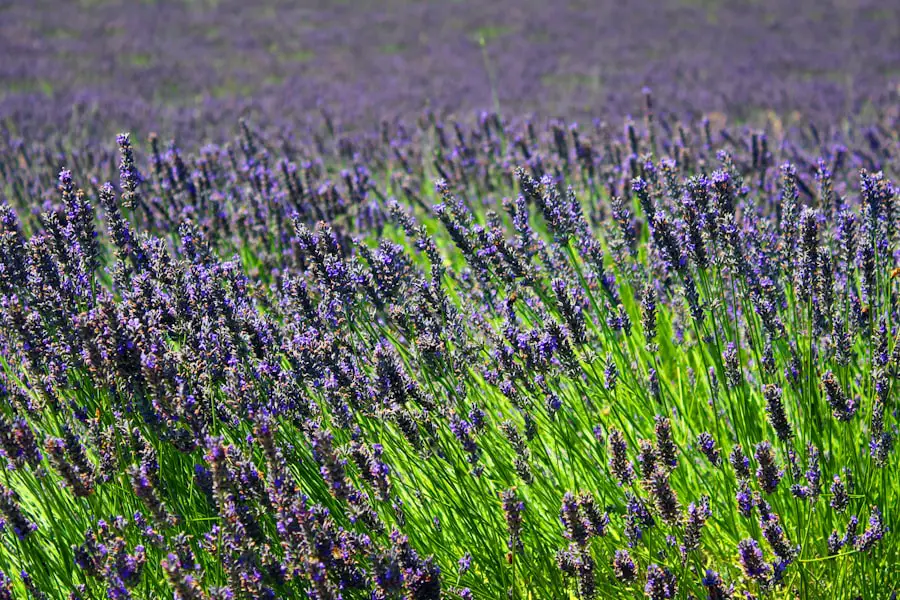
June and July are the main lavender-blooming months in Provence. Popular areas include the Valensole Plateau, the Luberon, the Sault area, and fields around individual farms and estates. The exact peak varies, and harvesting may begin while other areas remain in bloom.
Visitors should remain on public roads and marked paths, respect private farmland, avoid stepping between planted rows, and never pick flowers without permission. Early mornings and late afternoons often provide softer light and more comfortable temperatures.
Outdoor Activities and the Calanques
Summer supports sailing, kayaking, snorkeling, cycling, and coastal excursions. The Calanques National Park near Marseille is known for limestone cliffs, coves, and demanding hiking routes, but summer access is not guaranteed.
Warning: From June 1 through September 30, fire danger can cause the Calanques and other Bouches-du-Rhône forest areas to close with little notice. Check the official access status for the following day. In 2026, free reservations are also mandatory for Sugiton on selected June and September weekends and every day from June 27 through August 30.
Use the park’s official land-access information and Sugiton reservation page before setting out. Carry sufficient water, wear suitable footwear, start early, and do not depend on shade or drinking-water facilities along a trail.
Summer Festivals
Summer includes some of the region’s largest cultural events. The Festival d’Avignon presents theater, dance, performance, and related programming in July. The Nice Jazz Fest also takes place in July, while Aix-en-Provence hosts major music programming during the summer.
Schedules and venues change every year. Festival periods can sharply increase accommodation demand, even when the rest of the season is not at its busiest.
Pro Tip: For a summer trip, reserve lodging first, then build the itinerary around timed tickets, restaurant bookings, parking limitations, and park-access checks. Avoid scheduling a long exposed hike immediately after a late-night festival.
Fall: Wine Harvests, Food, and Comfortable Touring
As peak summer traffic eases, fall brings a different rhythm to Provence and the Côte d’Azur. September can remain warm near the Mediterranean, while October introduces cooler evenings, changing vineyard colors, and a greater possibility of rain.
| Fall Experience | Typical Timing | Where to Look |
| Grape harvest activity | Late August–mid-October | Bandol, the Rhône Valley, Châteauneuf-du-Pape, and other Provence wine areas. |
| Vineyard tours and tastings | September–October | Estates that accept visitors by appointment; active harvest work may limit access. |
| Autumn markets and food events | September–November | Uzès, Nîmes, Aix-en-Provence, village markets, olive-growing areas, and chestnut-producing communities. |
| Coastal sightseeing | September–early October | Nice, Antibes, Cannes, Marseille, Cassis, and the Var coast. |
Wine enthusiasts can arrange tastings and cellar visits in areas such as Châteauneuf-du-Pape and Bandol. Harvest timing is determined by grape maturity and weather rather than a fixed tourism calendar, so visitors should contact estates before arriving. Some properties restrict tours during their busiest working days.
Seasonal produce also changes throughout fall. Figs and grapes are associated with late summer and early autumn, olive activity develops later in the year, and truffle-focused experiences are more closely connected with the colder season. Markets in and around Uzès, Nîmes, Aix-en-Provence, and smaller villages provide an easy way to sample regional ingredients without depending on a single festival date.
Fall is well suited to village walks, cycling, and cultural touring, but travelers should not assume that every day will be dry. Mediterranean rain can be heavy, and shorter daylight becomes more noticeable later in October and November.
Winter: Quiet Coastal Cities and Southern Alps Adventures
Winter offers two very different versions of the region. Along the Mediterranean, Nice, Marseille, Cannes, Antibes, and nearby towns are generally quieter than in summer. In the Southern Alps, ski areas and mountain communities enter their active winter season.
The Côte d’Azur may be quieter in winter, but the mountain side of the region can be in high season.
Coastal winter trips are useful for museums, galleries, historic sites, markets, and restaurant-focused itineraries. The Musée Matisse in Nice, the Palais des Papes in Avignon, Marseille’s museums, and the Roman monuments of Nîmes can be easier to visit without peak-summer crowds.
Holiday lights and Christmas traditions add atmosphere in December. Local food becomes heartier, with soups, stews, chestnuts, nougat, and other seasonal specialties appearing in markets and restaurants.
Winter also has tradeoffs. Rain, strong mistral winds, short daylight, and cool evenings can affect plans. Beach clubs, small hotels, boat services, rural attractions, and seasonal restaurants may close or reduce their opening hours. Check each place directly rather than assuming summer schedules continue year-round.
Travelers interested in skiing, snowshoeing, or mountain scenery can look toward the Southern Alps. Road conditions, snow equipment requirements, and mountain weather need separate planning from a coastal city break.
Important Considerations When Planning Your Trip
Match the Season to Your Main Activity
Choose dates according to the experience that matters most. May is strong for city sightseeing, gardens, and spring events. Late June and July are better for lavender. July and August deliver the fullest beach and nightlife season. September often suits travelers who want both coastal time and sightseeing. Fall supports wine tourism, while winter favors museums, quiet towns, Christmas traditions, and mountain sports.
Use Trains for the Coast and a Car for Rural Areas
Nice, Antibes, Cannes, Monaco, Toulon, Marseille, and several other coastal destinations are linked by regional trains. The TER Sud Provence-Alpes-Côte d’Azur network can be more convenient than driving when parking and summer traffic are concerns.
A rental car becomes more useful for vineyard appointments, the Luberon, isolated villages, lavender areas, and countryside accommodation. When renting, check whether the property includes parking and whether the roads near your destination are narrow or restricted.
Drivers should also review the official Crit’Air information. A valid emissions sticker may be required in low-emission zones or during pollution-related traffic restrictions, including for some foreign-registered vehicles.
Prepare for Regional Weather Differences
The Mediterranean coast, inland Provence, the Rhône Valley, and the Southern Alps do not share identical weather. A sunny forecast for Nice does not guarantee the same conditions in Avignon, the Verdon area, or a high mountain village.
Pack for changes in temperature and wind. Even in warm months, include a light layer for evenings and exposed boat trips. In spring and fall, carry rain protection. For summer sightseeing, prioritize water, sun protection, breathable clothing, and shaded breaks during the hottest part of the day.
Book Around Festivals and Peak Weekends
Accommodation can become expensive or scarce during major events in Cannes, Avignon, Nice, Aix-en-Provence, and Monaco. Beach towns also fill quickly in July and August. Reserve early when traveling for a festival, with a large family, or when you need parking, air conditioning, an accessible room, or a specific village location.
Outside peak periods, compare opening dates before choosing a deeply rural base. A lower room rate is less useful if nearby restaurants, boat services, or attractions are closed.
Respect Local Customs and Landscapes
Basic French greetings are appreciated in shops, markets, wineries, and small communities. Greet staff before making a request, follow market and tasting-room instructions, and reserve when a small business asks visitors to book.
In natural areas, follow marked routes, obey closure signs, carry out waste, avoid entering private fields, and do not treat working farms as public photo studios. These habits protect both the landscape and the people who depend on it.
Insider Tips for Making the Most of the South of France
- Combine one city with one rural base. A trip split between Nice or Marseille and a smaller inland town provides both convenient transportation and countryside access.
- Visit famous villages early. Gordes, Roussillon, Saint-Paul-de-Vence, and similar destinations are easier to enjoy before tour buses and midday heat arrive.
- Do not overpack the itinerary. Roads, parking, markets, long lunches, and scenic stops make rural travel slower than the map suggests.
- Confirm market days. Weekly markets are a highlight, but schedules can shift during holidays or special events.
- Reserve vineyard visits. Many estates are working farms and cannot receive unannounced guests during harvest.
- Eat beyond the waterfront. Neighborhood bistros, bakeries, covered markets, and village restaurants often provide a more local experience than the busiest tourist strips.
- Check live conditions. Weather, fire danger, trail access, transportation disruptions, and festival schedules can change after an itinerary is created.
Lesser-known communities can provide a quieter experience, but famous places should not automatically be avoided. The practical approach is to visit popular destinations at low-traffic times and use the rest of the day for markets, museums, coastal trains, countryside walks, or a reserved meal.
Choosing the Best Time to Experience the South of France
For the broadest mix of comfortable sightseeing, open attractions, and outdoor dining, choose May, June, September, or early October. May is especially useful for spring gardens and cultural travel. June adds warmer beach conditions and the beginning of lavender season. September offers a strong balance of coast, food, and sightseeing, while early October suits travelers who prioritize villages, markets, and wine over guaranteed beach weather.
Choose July or August when beach life, nightlife, and summer festivals are the main purpose of the trip and you are prepared for heat, crowds, higher demand, and advance reservations. Choose winter when you prefer museums, quieter coastal streets, seasonal food, or snow activities in the Southern Alps.
No season is perfect across the entire region. A successful trip comes from matching the month to a specific experience, checking current opening and access information, and allowing enough flexibility for weather or transportation changes.
Frequently Asked Questions
What is the best time to visit the South of France?
May, June, September, and early October are the best all-purpose periods for many travelers. They generally offer a better balance of sightseeing weather, outdoor activities, and crowds than peak summer. The ideal month still depends on whether you prioritize beaches, lavender, festivals, wine, hiking, or winter sports.
When is lavender season in Provence?
The main lavender-viewing period is usually late June through July. Lower fields may peak or be harvested earlier, while higher areas can flower later. Weather, plant variety, elevation, and farm schedules affect the exact dates.
Is September a good month for the French Riviera?
Yes. September often remains warm enough for coastal activities while attracting fewer visitors than July and August. Restaurants, trains, tours, and attractions are generally active, but rainfall and changing weather become more possible as fall approaches.
Is the Cannes Film Festival open to tourists?
The official festival is primarily for accredited film professionals, media, and approved participants. Some public screenings and related activities may be available, but ordinary visitors should not assume access to official premieres. Check the festival’s official website for the current program and eligibility rules.
Do I need a car in the South of France?
Not always. Regional trains are practical for many destinations along the Côte d’Azur and between major cities. A car is more useful for vineyards, isolated villages, lavender routes, rural hotels, and areas with limited public transportation.
Are there drawbacks to visiting in summer?
July and August can bring intense heat, crowded beaches, traffic, limited parking, and strong accommodation demand. Wildfire danger can also close hiking areas. Summer remains a good choice for beaches and festivals, but reservations, heat planning, and daily access checks are essential.
What is the weather like in spring and fall?
Coastal areas are often mild to warm, but conditions vary by month and location. Inland Provence may have cooler mornings and stronger winds, while mountain areas can be much colder. Rain is possible in both seasons and can be significant during Mediterranean storms, especially later in fall.
Sources
- Explore France: Geography and Climate — Mediterranean climate patterns and seasonal rainfall.
- Provence-Alpes-Côte d’Azur Tourism: Lavender Tour — June and July lavender-blooming guidance.
- Provence-Alpes-Côte d’Azur Tourism: Fall in Provence — grape-harvest timing and autumn wine tourism.
- Calanques National Park: Land Regulations — summer fire-risk controls and access restrictions.
- Festival d’Avignon — official annual dates, venues, programming, and ticket information.
- Festival de Cannes — official dates, accreditation rules, programs, and visitor information.

