Last Updated on July 28, 2026 by Daniel Globe
South Korea changes dramatically with each season, so the best time to visit depends on what you want to see and how much heat, cold, rain, or crowds you are willing to handle. Spring brings blossoms, summer offers beaches and major festivals, autumn delivers clear hiking weather and colorful foliage, and winter is best for skiing, snow scenes, and quieter city sightseeing.
Quick Answer
The best overall times to visit South Korea are April to May and late September to October. These periods usually offer comfortable sightseeing weather, spring flowers or autumn foliage, and many outdoor events. Visit in summer for beaches and festivals, or from December to February for skiing and lower city crowds.
Key Takeaways
- Best overall weather: April to May and late September to October.
- Best for cherry blossoms: Late March to early April, with southern areas blooming before Seoul.
- Best for autumn foliage: October to early November, depending on elevation and region.
- Best for beaches and summer festivals: July and August, although conditions are hot, humid, and sometimes stormy.
- Best for skiing: Usually December through February, subject to resort conditions.
- Best for lower prices and lighter crowds: Early March, late May, rainy-season weekdays, late November, and winter outside major holidays.
- Plan around major holidays: Seollal and Chuseok can bring crowded trains, busy roads, and temporary business closures.
Disclosure: As an Amazon Associate I earn from qualifying purchases. Some links on this page are affiliate links, at no extra cost to you.
Best Time to Visit Korea by Month and Travel Style
Korea has four distinct seasons. According to the Korea Tourism Organization climate guide, spring and fall are generally mild, summer is hot and humid, and winter is cold and dry. Conditions still vary by city, elevation, and year, so use the following periods as planning ranges rather than guaranteed forecasts.
| Period | Best For | Typical Conditions | Main Trade-Off |
|---|---|---|---|
| March | Early spring, smaller crowds, southern blossoms late in the month | Cool mornings and changing weather | Bare trees and cold evenings early in the month |
| April | Cherry blossoms, parks, palaces, and city walking | Mild afternoons with cool mornings | High demand during peak blossom weeks |
| May | Hiking, gardens, city sightseeing, and family trips | Warm days and generally comfortable evenings | Holiday weekends and popular attractions can be busy |
| June | Early-summer sightseeing and fewer crowds before school vacations | Increasing heat and humidity; rain risk rises late in the month | Outdoor plans may need flexibility |
| July–August | Beaches, water activities, nightlife, and summer festivals | Hot and humid, with heavy-rain and storm risks | Heat, rain, typhoons, and busy coastal resorts |
| September | Warm-weather travel and early autumn events | Warm early in the month and cooler later | Typhoon risk can continue, and Chuseok affects transport |
| October | Hiking, foliage, festivals, palaces, and road trips | Clearer skies, cool mornings, and pleasant afternoons | Popular foliage areas become crowded |
| November | Late foliage, food trips, and lower-demand city breaks | Cool to cold, especially in the morning and at night | Foliage ends earlier in northern and high-elevation areas |
| December–February | Skiing, snow festivals, hot springs, and quieter city attractions | Cold and dry, with subfreezing mornings common in Seoul | Cold waves, icy paths, and weather-dependent ski operations |
For the widest mix of comfortable weather and outdoor sightseeing, plan for mid-April through May or late September through October—but expect the most famous blossom and foliage sites to be busy.
Spring: Cherry Blossoms and Mild Weather
Spring in Korea runs from March through May. March can still feel cold, especially after sunset, while April and May are usually more comfortable for long walking days. In Seoul, Korea Tourism Organization data lists average highs of about 11°C (52°F) in March, 17.9°C (64°F) in April, and 23.6°C (74°F) in May.
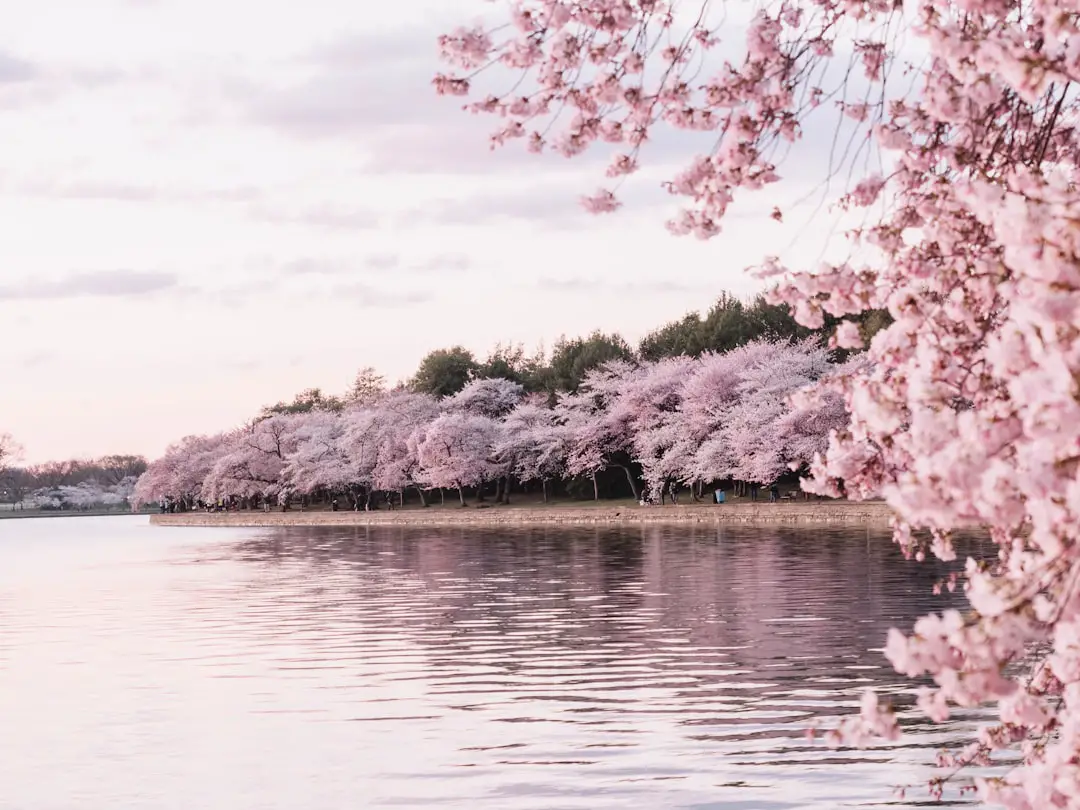
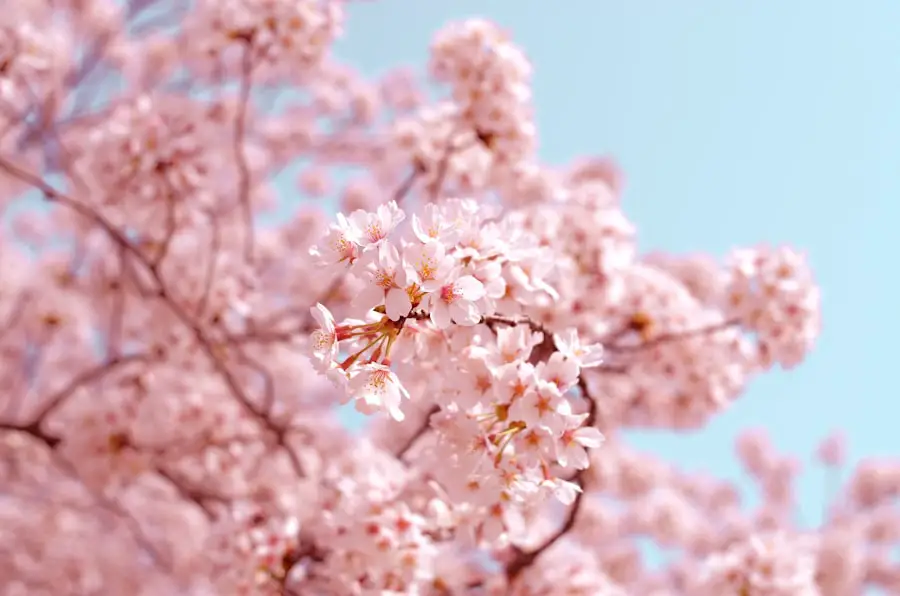
Cherry blossoms normally appear first in Jeju and southern cities such as Busan, Gyeongju, and Changwon. Blooming then moves north toward Seoul, Incheon, and Gangneung. The exact dates change with winter temperatures, spring warmth, wind, and rain.
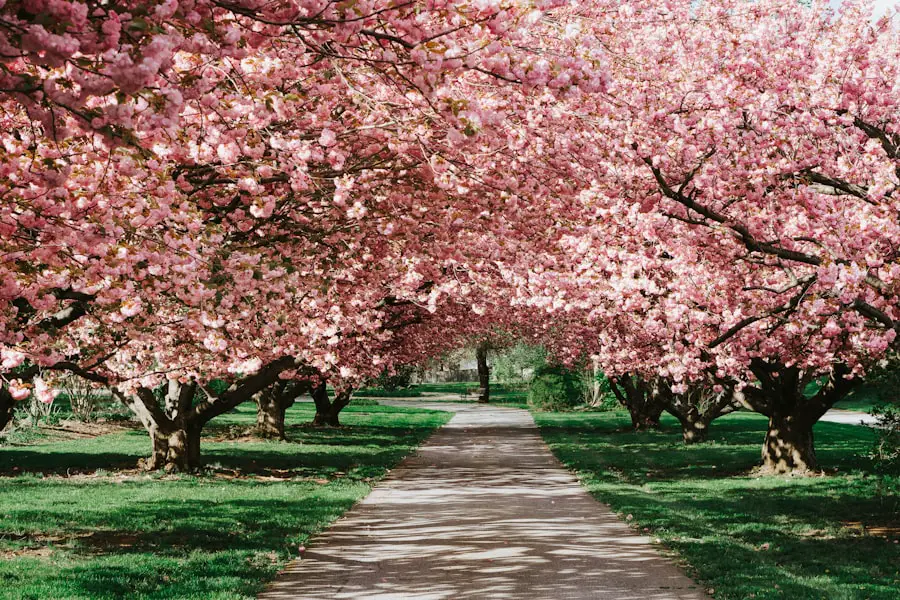
The official 2026 cherry blossom forecast expected first blooms around March 25 in Jeju and Busan and around April 3 in Seoul. Peak bloom was estimated at roughly one week after the first flowers opened. These dates are useful examples, but future travelers should always check the latest annual forecast.
Best Spring Destinations in Korea
- Seoul: Yeouido, Seokchon Lake, Seoul Forest, palace grounds, and riverside parks.
- Jinhae and Changwon: Large blossom displays and one of Korea’s best-known spring festival areas.
- Gyeongju: Blossoms near historic sites, lakes, and traditional architecture.
- Jeju Island: Earlier spring flowers, coastal scenery, and milder temperatures than Seoul.
- Gangneung: Lakeside blossoms and easy access to the east coast.
Pro Tip: Do not build an entire trip around one predicted peak-bloom day. Stay several nights, include more than one blossom location, and keep a museum, market, or café plan ready in case wind or rain shortens the display.
Spring Drawbacks
Peak blossom weekends can bring crowded parks, full trains, and higher room rates. Early spring nights remain chilly, and day-to-day temperature swings make layers important. Korea can also experience episodes of yellow dust or poor air quality, so sensitive travelers should check local air-quality information before extended outdoor activities.
Summer: Beaches, Festivals, Heat, and Humidity
Summer lasts from June through August. It is the best time for travelers who prioritize beaches, water sports, outdoor concerts, and energetic festivals. Busan, Jeju, Gangneung, Sokcho, and the west-coast resort areas become especially popular during school vacations.
June often begins warm and manageable, but humidity and rainfall usually increase later in the month. July and August are the hottest months. Korea Tourism Organization climate data lists Seoul’s average August high at about 30°C (86°F), while overnight temperatures can remain above 22°C (72°F).
Beaches and Summer Activities
- Busan: Haeundae, Gwangalli, city nightlife, seafood markets, and cultural attractions.
- Jeju Island: Beaches, waterfalls, coastal roads, diving, and volcanic landscapes.
- Gangwon coast: East-coast beaches, surfing areas, mountain trips, and cooler coastal evenings.
- Boryeong: A west-coast beach destination known for the Boryeong Mud Festival.
Festival schedules change every year. For example, the 2026 Boryeong Mud Festival was scheduled for July 24 through August 9. Check the official Korea festival calendar before booking transportation or nonrefundable lodging.
Warning: Korea’s rainy season often overlaps with late June and July, while typhoons can affect the country from summer into early autumn. Heavy rain may close trails, delay ferries and flights, flood low areas, or cancel outdoor events. Check Korea Meteorological Administration warnings and avoid coastal paths, streams, and mountain trails during severe weather.
Autumn: Foliage, Hiking, and Cultural Festivals
Autumn runs from September through November and is often the best season for first-time visitors. Late September can still feel warm, but October usually brings cooler mornings, comfortable afternoons, and clearer conditions for walking and hiking.
Foliage develops first at higher elevations and in northern mountain areas before moving south and into lower-elevation cities. Korea Tourism Organization identifies October through early November as a popular foliage period, with major destinations including Seoraksan and Odaesan. Actual timing varies with elevation and weather.
Best Places for Autumn Scenery
- Seoraksan National Park: Dramatic mountain scenery and early high-elevation color.
- Odaesan National Park: Forest trails, temples, and mountain foliage.
- Naejangsan National Park: One of the country’s most famous late-autumn foliage areas.
- Seoul palaces: Historic buildings framed by red and gold leaves without leaving the city.
- Gyeongju: Historic sites, parks, and lakeside scenery in cooler weather.
- Jeju Island: Mild late-season travel, coastal routes, and hiking on Hallasan.
October weekends can be extremely busy at famous parks and mountain cable cars. Reserve limited-entry gardens, intercity trains, and popular accommodations early. The Korea Tourism Organization fall foliage guide is useful for destination ideas and current visitor information.
Note: September is not automatically cool. Early September may still feel like summer, and typhoon-related weather remains possible. Travelers seeking crisp hiking conditions should usually favor late September or October.
Winter: Skiing, Snow Festivals, and Quieter Cities
Winter lasts from December through February. It is cold and generally dry, particularly in Seoul and inland areas. Korea Tourism Organization data lists Seoul’s average January high at about 2.1°C (36°F) and average low at about −5.5°C (22°F). Cold waves can push temperatures lower.
Winter suits travelers who enjoy skiing, snowboarding, ice festivals, hot springs, heated ondol floors, warm soups, and less crowded urban sightseeing. Snowfall is not constant in Seoul, so do not assume that every winter visit will produce a snow-covered city. Mountain resorts in Gangwon-do offer more reliable winter-sport conditions, although opening dates and available slopes still depend on weather and snowmaking.
| Destination or Region | Typical Winter Experience | Best For | Planning Note |
|---|---|---|---|
| Seoul | Cold, dry city weather with occasional snow | Palaces, museums, shopping, cafés, and seasonal lights | Wear insulated layers and shoes with good grip |
| Gangwon-do | Mountain cold, ski resorts, and more frequent snow | Skiing, snowboarding, sledding, and winter scenery | Check resort opening dates and operating slopes directly |
| Busan | Milder coastal winter with less severe cold than Seoul | Markets, temples, seafood, and coastal sightseeing | Sea winds can still make exposed viewpoints feel cold |
| Jeju Island | Relatively mild coast with colder, windier mountain conditions | Quiet coastal drives, food, museums, and winter landscapes | Flights and Hallasan access can be affected by wind or snow |
Lunar New Year: Traditional Celebrations and Travel Disruptions
Seollal, or Korean Lunar New Year, is one of the country’s most important family holidays. Its Gregorian-calendar dates change every year. Families travel to their hometowns, prepare traditional food such as tteokguk, visit relatives, and take part in ancestral and cultural traditions.
This can be an interesting time to experience special programs at palaces, museums, and folk attractions. It is also a difficult period for spontaneous intercity travel. Train tickets can sell quickly, roads become congested, and some restaurants, shops, museums, and independent businesses close for part of the holiday.
According to the official 2026 public-holiday calendar, Seollal was February 16–18, 2026, while Chuseok falls on September 24–26, 2026. Future dates will differ because both holidays follow the lunar calendar.
Pro Tip: When traveling during Seollal or Chuseok, stay within one city on the main holiday day whenever possible. Reserve intercity trains as soon as sales open and confirm each attraction’s holiday hours on its official website.
Monsoon Season: Rainy but Manageable With Flexible Plans
Korea’s summer rainy period is commonly called jangma. The timing and intensity change each year, but the main rainy stretch often falls between late June and late July. Rain may arrive as a long wet spell, scattered storms, or short periods of intense downpour rather than steady rain every day.
Transforming Landscapes
Rain turns rice fields, urban parks, temple grounds, and mountain valleys deep green. Waterfalls and streams become more dramatic, and mist can create atmospheric views in forested areas. However, wet rocks, swollen waterways, and unstable slopes can make hiking unsafe during or after heavy rain.
Unique Travel Experiences
A rainy trip can still work well when the itinerary includes covered markets, museums, palaces with indoor exhibits, cafés, aquariums, shopping areas, cooking classes, and day trips that can be moved between dates. Seoul and Busan are easier than remote hiking areas when repeated rain is forecast because both offer extensive indoor attractions and public transportation.
Celebrating the Monsoon
Summer events such as mud, water, food, and music festivals can turn hot or wet conditions into part of the experience. Festival dates, weather policies, and cancellation rules vary, so verify the event immediately before traveling.
Note: Lower room rates during rainy weeks are possible but not guaranteed. Beach resorts, major festivals, school vacations, and weekend demand can keep prices high even when the weather is unsettled.
Shoulder Seasons: Smaller Crowds Without Extreme Weather
Spring and autumn are often described as shoulder seasons, but that label is misleading during Korea’s most popular blossom and foliage weeks. Famous parks, mountain trails, and historic destinations may be busiest precisely when seasonal scenery reaches its peak.
Better lower-demand windows include early March before the main blossoms, the second half of May after peak spring tourism, early June before the wettest summer weather, and late November after foliage fades. These periods can offer easier reservations, but the scenery and weather are less predictable than during the headline seasonal peaks.
Best Shoulder-Season Choices
- Early March: Good for museums, food, shopping, and quieter palaces, but expect cold nights.
- Late May: Warm, green, and suitable for outdoor sightseeing after the blossom rush.
- Early June: Useful for city-and-coast itineraries before the core rainy-season period.
- Late November: Cooler and quieter, with some late foliage in southern or lower-elevation areas.
Off-Peak Travel: Budget-Friendly Options
Off-peak travel can reduce the cost of some hotels and flights, but there is no single cheap season across the entire country. Prices depend on weekends, school vacations, local festivals, ski demand, public holidays, concerts, and major events.
January and February can be economical for city sightseeing outside Seollal and ski-resort weekends. Rainy-season weekdays may also produce lodging deals, especially when travelers can accept uncertain weather. Late November and early December can offer good value between the autumn foliage rush and year-end holiday demand.
Do not select dates by price alone. A cheaper July hotel may come with intense humidity and heavy rain, while a discounted winter trip may require spending more on warm clothing or indoor transportation. Compare the total trip cost and the activities that will actually be available.
Regional Weather Differences
Korea is compact enough for fast rail travel, but regional conditions still matter:
- Seoul and central Korea: Hot, humid summers and cold winters with frequent subfreezing mornings.
- Busan and the southeast coast: Milder winters, warm summers, beaches, and earlier spring blossoms.
- Jeju Island: Earlier flowers, milder coastal winters, strong winds, and weather-sensitive flights and ferries.
- Gangwon-do: Cooler mountain areas, early autumn foliage, winter snow, and major ski resorts.
- Southern inland cities: Warm summers, earlier blossoms than Seoul, and a wide range of spring and autumn festivals.
A multi-city itinerary may cross more than one seasonal stage. A traveler can sometimes see blossoms in Seoul after they have already fallen in Busan, or find peak mountain foliage before city trees have fully changed.
What to Pack for Korea in Each Season
Spring
- Light and midweight layers
- A compact rain jacket
- Comfortable walking shoes
- A warmer outer layer for March and cool evenings
- Any personal air-quality supplies you normally use
Summer
- Breathable, quick-drying clothing
- A compact umbrella and waterproof jacket
- Water-resistant footwear
- Sun protection and a refillable water bottle
- A dry bag or waterproof pouch for electronics
Autumn
- Layers for warm afternoons and cool mornings
- Supportive shoes for trails or palace grounds
- A light jacket in September and a warmer coat by November
- Rain protection for changeable early-autumn weather
Winter
- An insulated coat
- Thermal base layers
- Gloves, a hat, and a scarf
- Shoes with traction for icy surfaces
- Moisturizer and lip balm for dry air
How to Choose the Best Dates for Your Trip
- Choose your main priority. Decide whether blossoms, foliage, beaches, skiing, festivals, food, or lower prices matter most.
- Select a flexible date range. Natural events can shift, so a five- to seven-day window is safer than relying on one forecast date.
- Check national holidays. Review Seollal, Chuseok, observed holidays, and long weekends before buying transport tickets.
- Compare regions. Southern and coastal destinations often have different temperatures and seasonal timing from Seoul.
- Verify annual events. Festival dates, venues, reservation rules, and cancellations change.
- Review the forecast again before departure. Check heat, rain, typhoon, cold-wave, snow, and air-quality information.
- Keep one flexible day. A free day makes it easier to move a hike, island trip, or blossom outing when the weather changes.
Accessibility and Mobility Planning
Korea’s major cities have extensive public transportation, but older neighborhoods, mountain temples, traditional sites, and subway transfers may involve slopes, stairs, uneven paving, or long walking distances. Check step-free station exits and attraction accessibility before each outing.
Travelers considering a portable mobility device should compare airline battery rules, folded dimensions, weight, range, repair access, and the user’s individual support needs. This guide to the best travel scooter can help with initial product research, but confirm suitability with the traveler, transport provider, and accommodation before purchasing or flying.
Frequently Asked Questions
What is the best time to travel to Korea?
April to May and late September to October are the best all-around periods for most visitors. They usually combine comfortable walking weather with spring flowers or autumn scenery. The ideal dates still depend on whether you prioritize blossoms, foliage, beaches, skiing, festivals, prices, or smaller crowds.
What is the weather like during Korea’s best travel months?
April and October generally have mild afternoons and cooler mornings. May is warmer, while late September may still feel summery. Conditions vary by region and elevation, so pack layers and check the city-specific forecast shortly before departure.
When is cherry blossom season in South Korea?
Blossoms often begin in Jeju and southern cities in late March before reaching Seoul in early April. Peak bloom is commonly about one week after the first flowers open, but warm weather, cold snaps, wind, and rain can shift or shorten the season.
Are there festivals during the best travel seasons?
Yes. Spring brings flower festivals, summer has mud, water, music, and beach events, autumn features food and cultural festivals, and winter offers lighting, snow, ice, and sunrise celebrations. Dates and venues change annually, so verify them on the official event page.
What are Korea’s peak tourist seasons?
Peak periods include major cherry blossom weeks, October foliage weekends, summer beach vacations, ski weekends, major concerts, and the Seollal and Chuseok holiday periods. Demand can be highly local, so one city may be busy while another remains quiet.
Is summer a bad time to visit Korea?
Not necessarily. Summer is excellent for beaches, nightlife, water activities, and major festivals. It is less suitable for travelers who dislike high humidity, intense heat, or uncertain rain. Build flexibility into the itinerary and monitor heavy-rain and typhoon alerts.
What is the cheapest time to visit Korea?
Lower prices are often available in winter outside ski areas and major holidays, during rainy-season weekdays, and in late November or early December. No period is always cheapest because airfare, festivals, concerts, weekends, and local events can change demand.
What should I consider before booking peak spring or autumn dates?
Reserve popular hotels and intercity transport early, but keep outdoor plans flexible. Blossom and foliage timing can shift, famous parks become crowded, and rain or wind may shorten the best viewing period. Confirm festival dates, holiday closures, and reservation requirements before departure.
Sources
- Korea Tourism Organization: Climate — Korea’s seasons, monthly temperatures, rainy period, typhoon season, and seasonal travel guidance.
- Korea Tourism Organization: 2026 Cherry Blossom Forecast — Regional bloom estimates and the reminder that actual dates depend on weather.
- Korea Tourism Organization: Fall Foliage Destinations — Typical October-to-early-November foliage period and destination guidance.
- Korea Meteorological Administration: Severe Weather Status — Official heavy-rain, typhoon, heatwave, cold-wave, and other weather warnings.
- Korea Tourism Organization: Public Holidays — Current Seollal, Chuseok, and national-holiday dates and travel considerations.
- Korea Tourism Organization: Festival Calendar — Current festival dates, venues, and event listings.