
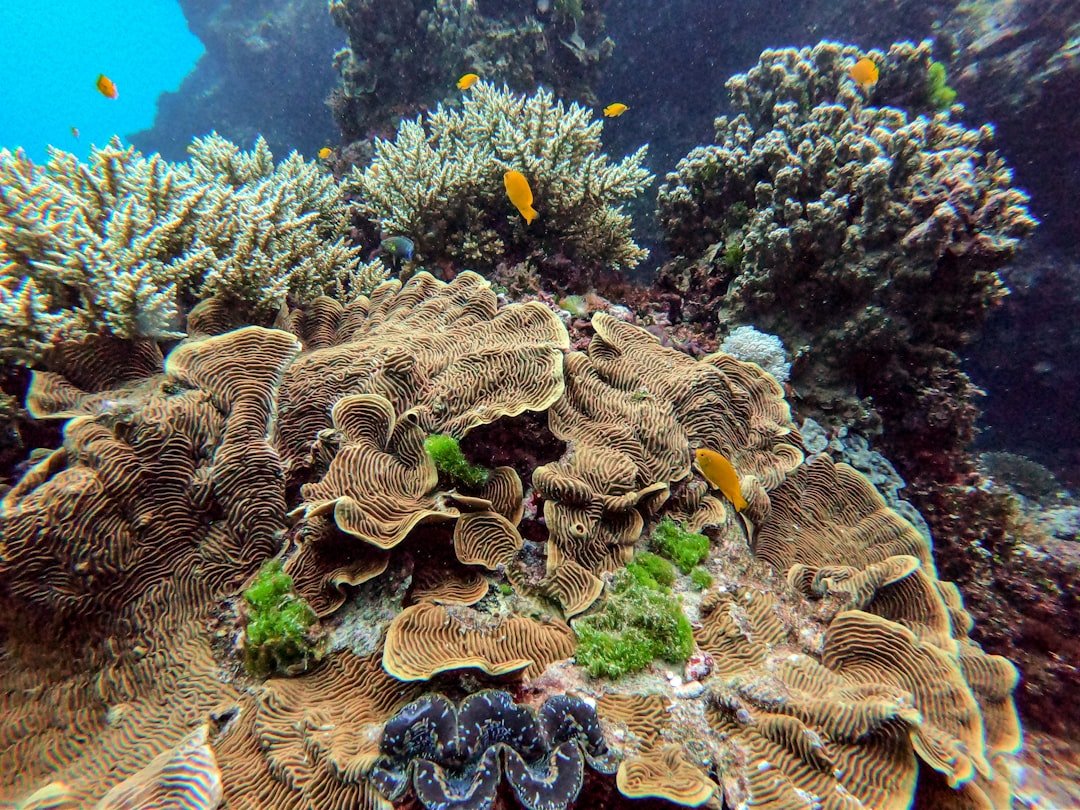
Last Updated on July 28, 2026 by Daniel Globe
There is no single best month for every part of Australia. For a multi-region trip, March to May and September to November often provide a useful balance of mild weather and manageable crowds. However, the tropical north, Red Centre, southern beaches, Tasmania, and ski regions each follow different seasonal patterns.
Quick Answer
The best overall times to visit Australia are usually March to May and September to November. Visit the tropical north from May to October for drier weather, southern beaches from December to March, and the Red Centre during the cooler months from April to September.
Key Takeaways
- March to May and September to November are good starting points for a trip that covers several regions.
- The tropical north is usually easier to explore in the drier months from May to October.
- December to February suits many southern beaches, but it is also the tropical north’s wet season.
- April to September is generally more comfortable for the Red Centre and inland Australia.
- Whale, wine, wildflower, ski, and festival trips require more specific regional timing.
- Always check current forecasts, park alerts, fire conditions, road closures, and swimming warnings before travel.
Disclosure: As an Amazon Associate I earn from qualifying purchases. Some links on this page are affiliate links, at no extra cost to you.
Understanding Australia’s Seasons
Most of southern Australia uses four meteorological seasons: summer from December to February, autumn from March to May, winter from June to August, and spring from September to November. These seasons are opposite those in the Northern Hemisphere.
Australia’s tropical north works differently. The Bureau of Meteorology generally describes October through April as the wetter part of the year and May through September as the drier period. The exact arrival of rain varies by place and year.
Local Aboriginal and Torres Strait Islander seasonal calendars provide an even more detailed view of weather, plants, wildlife, and life on Country. Some recognize three, five, six, or more seasons rather than applying one four-season calendar to the entire continent.
Note: Seasonal averages are planning guides, not forecasts. Australia can experience heatwaves, heavy rain, fire weather, cold snaps, and storms outside their most common periods.
Best Time to Visit Australia by Region
| Region | Often Best | Best For | Main Trade-Off |
|---|---|---|---|
| Tropical north, Darwin and Kakadu | May to October | Road trips, national parks and lower humidity | Popular sites and accommodation can be busy; seasonal access still varies. |
| Cairns and the Great Barrier Reef | May to October | Lower rainfall, reef trips and tropical sightseeing | This is a popular travel period, and wind or sea conditions can still affect tours. |
| Sydney and the east coast | March to May or September to November | City sightseeing, coastal walks and mild temperatures | Rain and warm spells are possible in any season. |
| Melbourne, Adelaide and southern regions | March to May or September to November | Food, wine, cities, gardens and road trips | Conditions can change quickly, especially in exposed coastal and mountain areas. |
| Perth and southwest Western Australia | March to May or September to November | Beaches, wildflowers, wine and coastal drives | Summer can be hot and dry; winter is cooler and wetter. |
| Uluṟu, Alice Springs and the Red Centre | April to September | Walking, camping and desert sightseeing | Winter nights can be very cold, while summer days may be dangerously hot. |
| Tasmania | December to March for warmth; autumn and spring for fewer crowds | Hiking, wildlife, food and scenic drives | Mountain weather can change rapidly at any time. |
| Australian Alps and snowfields | June to September | Skiing, snowboarding and winter scenery | Snowfall and resort opening dates vary each year. |
The best time to visit Australia is determined more by your route than by the national calendar.
Best Time to Visit Australia for Beach Lovers
Beach timing depends on latitude. In Sydney, Melbourne, Adelaide, Perth, and many southern coastal areas, December through March brings the warmest air and water. These months are popular for swimming, surfing, and long beach days, although summer heatwaves and holiday crowds are possible.
The Gold Coast and other subtropical areas can be enjoyable across a wider part of the year. Autumn and spring often provide warm days with less intense heat, while winter can still be mild and sunny.
The tropical north requires a different plan. Cairns, the Whitsundays, and tropical coastal Queensland are generally easier to visit during the drier period from May to October. Summer falls within the wet season and may bring high humidity, heavy rain, flooding, tropical lows, and cyclones.
The official Australian tropical-cyclone season runs from November 1 through April 30. Dangerous jellyfish may be present throughout the year in tropical waters, but the risk is generally higher from November through May. Follow local signs, use recommended protective suits, and swim in designated areas or with reputable tour operators.
Warning: Do not assume that hot weather means safe swimming. Check patrol flags, marine-stinger notices, surf conditions, beach closures, and local weather warnings before entering the water.
Ideal Season for Outdoor Adventures in Australia
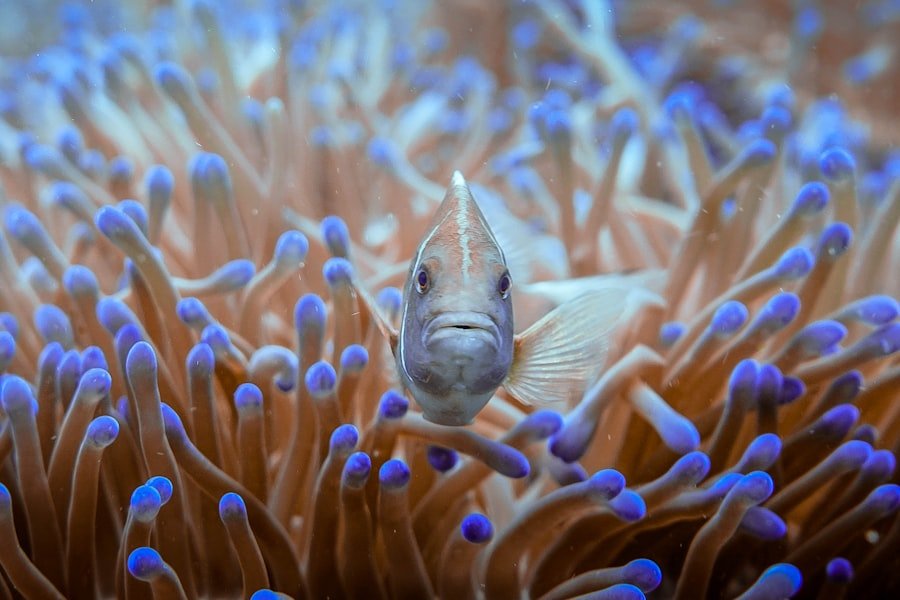
For many long hikes, autumn and spring offer a useful balance of daylight and moderate temperatures. These seasons can suit routes such as Tasmania’s Overland Track, sections of the Larapinta Trail, and walks in the Blue Mountains or Grampians. Conditions still vary by elevation, exposure, and year.
Cool-season travel is usually better for the Red Centre. Walking around Uluṟu, Kata Tjuṯa, Kings Canyon, or the West MacDonnell Ranges is generally more comfortable from April to September than during the hottest summer months. Cold nights are common in winter, so travelers need warm layers as well as sun protection.
Summer hiking, climbing, and mountain biking in southern Australia require extra caution. High temperatures, strong winds, low humidity, and dry vegetation can increase fire danger. National parks may close tracks, roads, campgrounds, or entire precincts when conditions become unsafe.
Water-based activities such as rafting, kayaking, and canyoning depend on current river flow, rainfall, releases, and operator assessments rather than the season alone. Use licensed operators and check current conditions instead of relying on a broad “winter is best” rule.
Pro Tip: Build flexibility into outdoor itineraries. A spare day makes it easier to adjust for heat, rain, smoke, strong winds, rough seas, track closures, or poor visibility.
When to Travel to Australia for Wildlife
Australia’s wildlife does not follow one national viewing calendar. The best month depends on the species, habitat, breeding cycle, migration route, and time of day. Kangaroos and wallabies are often easier to spot around dawn and dusk, while koalas may be visible throughout the year in suitable eucalyptus habitat. These animals do not emerge from winter hibernation.
| Month | Possible Wildlife Highlights | Seasonal Context |
|---|---|---|
| January | Kangaroos, wallabies, echidnas, seabirds and marine life, depending on region | Warm to hot in the south and wet, humid weather across much of the tropical north |
| April | Land wildlife during milder conditions; early whale sightings may begin in some areas by late autumn | Autumn in the south; the tropical wet season may continue through April |
| July | Northbound humpback whales along much of the east coast and strong dry-season birding in northern wetlands | Cool in the south and generally dry across the tropical north |
| September | Southbound whales in many east-coast areas, spring bird activity and wildflower-linked wildlife viewing | Spring in the south; conditions begin warming in the tropical north |
Humpback whales are commonly seen along the New South Wales and Queensland coasts from about May into November. Northbound movement is often strongest through June and early July, while many whales return south from around September through November. Hervey Bay, Byron Bay, Sydney, Port Stephens, and other coastal locations offer seasonal whale-watching trips.
Birding can be excellent in the tropical north during the dry season, when wildlife gathers around shrinking wetlands and many roads and visitor sites are more accessible. In southern and western Australia, spring wildflowers can also attract birds and insects.
Kangaroo Island, the Great Otway National Park, Tasmania, and many regional reserves offer year-round wildlife opportunities. Choose ethical operators, keep a safe distance, avoid feeding wildlife, and follow local rules.
The Perfect Time for Cultural and City Exploration
Sydney, Melbourne, Brisbane, Adelaide, Perth, Canberra, and Hobart can be visited throughout the year. Autumn and spring are often comfortable for walking tours, outdoor dining, gardens, museums, markets, and day trips because temperatures are generally less extreme than in midsummer or midwinter.
Seasonal events can be a reason to travel at a busier or more expensive time. Vivid Sydney normally lights the city in late May and June, while Melbourne’s major arts, comedy, sports, and food programs are spread across the year. Adelaide’s Tasting Australia has also been held in autumn. Exact dates change, so verify the official calendar before booking flights or hotels.
Winter can be a good-value city break in parts of southern Australia, especially for travelers who prioritize galleries, restaurants, theaters, and indoor attractions. However, major sporting events, festivals, conferences, and school holidays can create short periods of high demand.
Best Season for Wine and Food Lovers
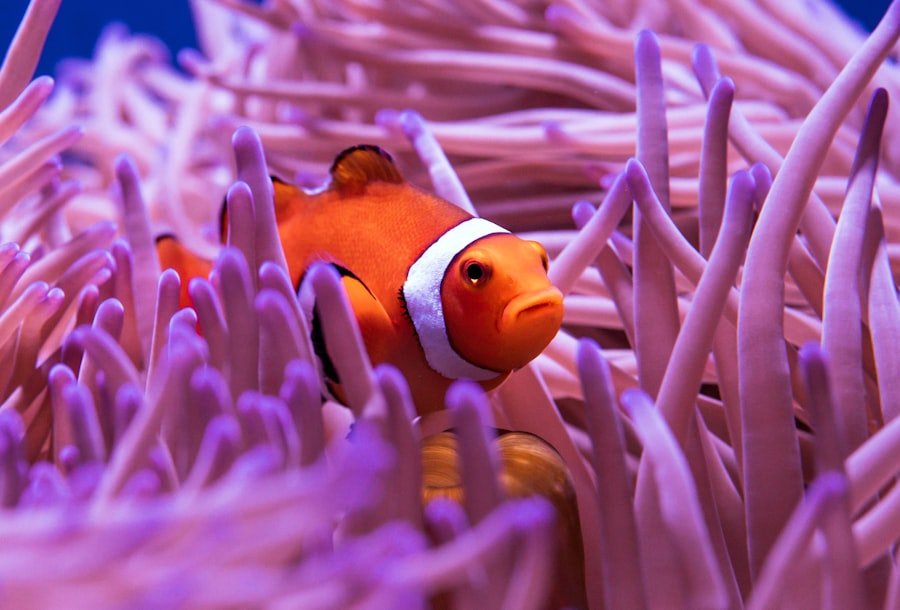
Australia’s wine regions can be enjoyed year-round, but each season offers a different experience. Vintage generally occurs from late summer into autumn, with exact harvest timing varying by region, grape variety, elevation, and weather. Margaret River may begin harvesting in February, while cooler areas can continue later.
Autumn is especially appealing in the Barossa Valley, Adelaide Hills, Yarra Valley, Hunter Valley, Margaret River, and other regions because the weather may be mild and vineyards are active. Some wineries limit behind-the-scenes access during busy harvest work, so book tastings and tours rather than assuming production areas will be open.
Spring brings green landscapes, new vine growth, farmers’ markets, and seasonal produce. Winter can suit travelers who prefer fireplaces, slower cellar-door visits, truffles, hearty food, and fewer outdoor crowds.
Food festivals do not all occur in one month. Tasting Australia, regional harvest festivals, truffle events, seafood celebrations, and city food programs publish separate annual schedules. Check each event’s official site before arranging a trip around it.
When to Visit Australia on a Budget
There is no single nationwide low season. Prices rise and fall according to local climate, Australian school holidays, public holidays, major events, and destination-specific demand.
Autumn and spring can provide good value in many southern cities and coastal destinations. These periods may offer comfortable weather without the full pressure of the summer holiday season. Airfares and accommodation still rise around Easter, sporting events, festivals, and school breaks.
Winter can be less expensive in some southern cities, but it is a busy period in the tropical north, Red Centre, and snow resorts. Likewise, the tropical wet season may bring lower room rates, but the savings come with higher humidity, heavy rain, cyclone risk, marine-stinger precautions, and possible road or attraction closures.
Travelers can reduce costs by comparing several dates, staying outside event weekends, using public transportation in major cities, and booking cancellable accommodation where weather disruption is possible.
Pro Tip: Do not judge value by the room rate alone. A very cheap tropical wet-season trip can become costly if tours are canceled, roads close, or you need last-minute transport changes.
Seasonal Safety and Packing Tips
Australia’s weather and distances make preparation important in every season. Check the Bureau of Meteorology forecast shortly before departure and again before long drives, hikes, boat trips, or remote-area travel.
Sun and Heat
Ultraviolet radiation can be strong even on cool or cloudy days. The Cancer Council Australia recommends sun protection when the UV Index reaches 3 or higher. Carry water, wear protective clothing and a hat, use broad-spectrum sunscreen, and avoid strenuous activity during extreme heat.
Fire and Park Closures
Check local fire-danger ratings and national-park alerts before entering bushland. Tracks, campgrounds, roads, and visitor precincts may close during dangerous conditions. Never enter a closed area or light a fire when restrictions prohibit it.
Tropical Rain and Cyclones
From November through April, monitor cyclone and severe-weather information when traveling in northern Western Australia, the Northern Territory, or Queensland. Heavy rain can isolate communities, flood roads, disrupt flights, and close national-park sites even when a cyclone does not make landfall.
Pack for Regional Changes
A multi-region itinerary may require swimwear, rain protection, warm layers, and desert clothing on the same trip. Winter nights in central Australia can be cold, while daytime UV remains strong. Tasmania and mountain regions also require layers and waterproof clothing throughout the year.
Travel technology and organization can make long domestic connections easier. A lightweight laptop for travel can be useful for managing bookings and weather updates, while packing cubes for organized luggage can help separate clothing needed for different climates. Spinner luggage may also be convenient when moving through airports and hotels.
Conclusion and Final Tips for Traveling to Australia
The best time to visit Australia depends on where you are going and what you plan to do. March to May and September to November are strong choices for many multi-region itineraries, but they are not universal. The tropical north is generally easier during its dry season, the Red Centre is more comfortable in cooler months, and southern beaches are warmest during summer.
Build your route before choosing your dates. Then compare regional climate, wildlife seasons, event schedules, school holidays, prices, and safety risks. Reserve popular accommodation early, but use flexible bookings when severe weather or park access could affect the trip.
Finally, check official forecasts and local alerts shortly before each major activity. Seasonal averages can help you plan, but current conditions should determine whether it is safe and practical to proceed.
Frequently Asked Questions
What is the best time to travel to Australia?
March to May and September to November are good general choices for a trip covering several regions. For the tropical north, May to October is usually drier. For the Red Centre, April to September generally brings more comfortable daytime temperatures.
What is Australia’s weather like during the best travel months?
Autumn and spring often bring mild conditions in southern cities and coastal regions. The tropical north follows wet and dry seasons instead, so its most comfortable travel period is usually during the drier months from May through September or October.
Are there festivals during the best time to visit Australia?
Yes. Major events include Vivid Sydney, Tasting Australia, sporting events, comedy and arts festivals, wine celebrations, and regional food programs. Dates change each year, and event weekends can increase accommodation prices, so check official calendars before booking.
Which Australian regions are best in spring and autumn?
Sydney, Melbourne, Adelaide, Perth, Canberra, many southern wine regions, and large parts of the east and west coasts are often pleasant in spring and autumn. The tropical north and Red Centre should be planned according to their dry and cool seasons instead.
What are Australia’s peak tourist seasons?
Peak periods vary by destination. Summer is busy at many southern beaches, winter is popular in the tropical north, Red Centre, and ski regions, and major cities become busy during festivals, sporting events, and school holidays.
When is the best time to visit the Great Barrier Reef?
Many travelers prefer May to October because rainfall and humidity are generally lower than during the tropical wet season. Sea conditions still vary, and visitors should follow tour-operator guidance about wind, visibility, marine stingers, and swimming safety.
When is the best time to visit the Australian Outback?
April to September is generally the most comfortable period for the Red Centre and many inland destinations. Days are cooler than in summer, but winter nights can be cold, so pack warm layers along with sun protection and plenty of water.
Sources
- Bureau of Meteorology — Solstices, equinoxes and the seasons — Australian temperate seasons, tropical wet and dry seasons, and Indigenous seasonal calendars.
- Tourism Australia — Best times to visit Australia — Regional and activity-based travel timing.
- Bureau of Meteorology — Australian tropical cyclone season monitoring — Official cyclone-season dates and tropical-weather planning.
- WorkSafe Queensland — Marine stingers — Tropical marine-stinger risk and the higher-risk season.
- NSW Environment and Heritage — Whales — Humpback whale migration timing along the east coast.
- Cancer Council Australia — UV Index — Sun-protection guidance for travelers.
