
Last Updated on July 27, 2026 by Daniel Globe
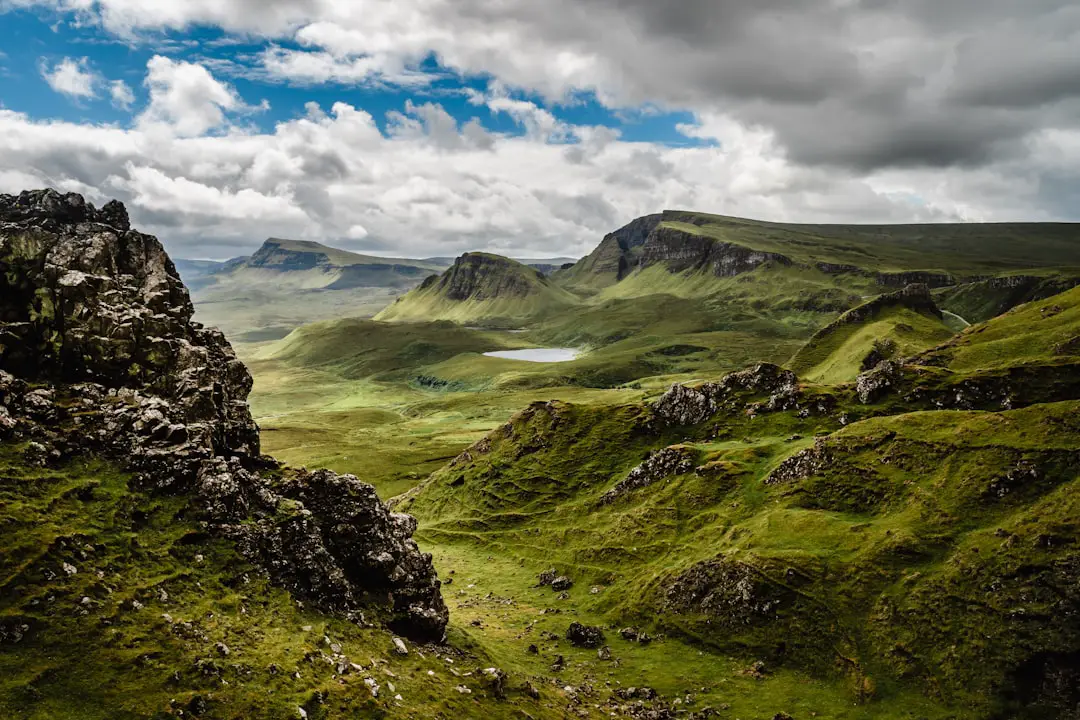
Scotland can be rewarding in every season, but the best time to visit depends on what you want to do. Summer brings the longest days and the fullest festival calendar, while spring and autumn often offer a better balance of scenery, lighter crowds, and comfortable sightseeing. Winter suits festive city breaks, dark-sky trips, and snow sports when conditions allow.
Quick Answer
For most first-time visitors, late May through June or September is the best time to visit Scotland. These periods can provide long or useful daylight, good access to attractions, and fewer crowds than peak August. Choose August for major festivals, October to March for dark skies, and winter only if you can keep plans flexible.
Key Takeaways
- Best overall balance: late May, June, and September for scenery, daylight, and generally lighter crowds than August.
- Best for festivals: August, especially in Edinburgh, but book rooms and event tickets early.
- Best for autumn color: October, with timing varying by location and weather.
- Best for dark skies and possible aurora: October to March, although clear skies and solar activity are never guaranteed.
- Best planning rule: pack waterproof layers and check local forecasts because conditions can vary sharply between cities, coasts, islands, and mountains.
Scotland Weather by Season: Quick Comparison
Scotland has four seasons, but its maritime climate is changeable. The west is often wetter than the east, mountain conditions can be much colder than nearby towns, and coastal weather may change quickly. The figures below are broad national planning guides rather than promises for a specific destination.
| Season | General temperature guide | Main advantages | Main trade-offs |
|---|---|---|---|
| Spring March to May |
Average maximum temperatures rise from about 8°C to 13°C (46°F to 55°F). | Flowers, wildlife, lengthening days, and generally lighter crowds. | Cold mornings, showers, and possible late snow on high ground. |
| Summer June to August |
Average maximum temperatures are around 17°C (63°F). | Longest days, broad attraction access, island trips, and major festivals. | Highest demand, busy roads and attractions, and summer midges in some areas. |
| Autumn September to November |
Typical temperatures across the season are roughly 8°C to 15°C (46°F to 59°F). | Autumn color, seasonal food, quieter landscapes, and darkening skies. | Shorter days, cooler weather, and reduced hours at some attractions. |
| Winter December to February |
Average maximum temperatures are usually around 6°C (43°F). | Festive events, dark skies, quieter trips, and possible snow sports. | Very short days, weather disruption, seasonal closures, and no snow guarantee. |
Note: Use the Met Office location-specific climate averages for the places you plan to visit. A single Scotland-wide rainfall figure can be misleading because regional differences are substantial.
Spring in Scotland: A Time of Renewal
Spring runs from March through May. Average maximum temperatures generally rise from about 8°C to 13°C (46°F to 55°F), although frosty mornings and wintry conditions can continue in upland areas. Snowdrops, daffodils, bluebells, cherry blossom, and rhododendrons brighten gardens, estates, and woodland walks as the days grow longer.
This is a strong season for visitors who want outdoor scenery without the busiest summer crowds. Wildlife becomes more active, migratory birds return, and routes in places such as Loch Lomond and The Trossachs National Park become increasingly accessible. However, old snow can remain on shaded mountain slopes into late spring, so city weather is not a safe guide to conditions on high ground.
Edinburgh’s Beltane Fire Festival takes place on 30 April. It is best described as a modern community arts interpretation inspired by Beltane traditions, not an unchanged ancient ceremony. The Beltane Fire Society, formed in 1988, stages a ticketed performance with fire, drumming, dance, and ritual storytelling on Calton Hill.
Pro Tip: Late May is often a useful compromise for gardens, hiking, and road trips. Days are much longer than in early spring, while demand is usually lower than during the main August festival period.
Summer in Scotland: Long Days and Festivals
Summer lasts from June through August and is normally Scotland’s warmest season, with average maximum temperatures around 17°C (63°F). Rain and cool spells are still possible, so summer visitors should not rely on consistently dry weather.
Scotland does not experience a true midnight sun because it lies south of the Arctic Circle. However, midsummer days are exceptionally long. In the far north, especially Shetland, the sky may never become fully dark around the summer solstice. These extended evenings create more time for coastal walks, scenic drives, island exploration, golf, kayaking, sailing, and visits to historic sites.
Summer also has the busiest festival calendar. In 2026, the Edinburgh Festival Fringe runs from 7 to 31 August, while the Royal Edinburgh Military Tattoo runs from 7 to 29 August. Dates change each year, so check the official programs before booking. Highland Games are held in communities across Scotland, and the Royal Highland Show is a June celebration of farming, food, livestock, and rural life rather than an autumn harvest festival.
Coastal destinations such as the Isle of Skye, Orkney, Shetland, and the Hebrides are popular in summer. Reserve accommodation, rental cars, popular tours, and vehicle spaces on ferries well ahead of travel.
Note: Midges are common in summer, especially around still, damp, sheltered places and near water. Pack repellent and long clothing, and check yourself for ticks after walking through grass, woodland, or moorland.
Autumn in Scotland: A Tapestry of Colors
| Month | Typical planning outlook | Good choices |
|---|---|---|
| September | Usually the mildest part of autumn, with useful daylight and a gradual drop in visitor numbers after summer. | Road trips, hiking, islands, castles, and photography. |
| October | Cooler days, longer nights, and often the strongest woodland color, depending on weather and location. | Forest walks, scenic rail trips, seasonal food, and dark-sky breaks. |
| November | Colder, darker, and quieter, with a higher chance of weather disruption and reduced attraction hours. | City breaks, museums, cozy stays, and St Andrew’s Day events. |
From September through November, Scotland’s forests, parks, and glens shift through shades of red, orange, yellow, and gold. Highland Perthshire, the Cairngorms, Glencoe, and wooded estates can be especially attractive, but the timing and intensity of color depend on temperature, wind, and rainfall.
Autumn is also a good time for seasonal produce, farm shops, whisky visits, scenic rail journeys, and quieter hiking routes. Apples, berries, game, root vegetables, soups, and stews appear more often on seasonal menus. Farmers’ markets and local food events vary by area, so check destination calendars rather than relying on one national harvest-festival schedule.
Halloween and late-autumn fire events draw on a mixture of modern performance, local customs, and older seasonal traditions. Edinburgh’s Samhuinn Fire Festival, held on 31 October, is produced by the same modern community arts organization as Beltane.
September often offers one of the best balances of usable daylight, open attractions, and lower demand than peak August.
Winter in Scotland: A Magical Wonderland
Winter runs from December through February, with average maximum temperatures usually around 6°C (43°F). Snow is commoner on high ground than in lowland cities, but a countrywide snowy landscape is never guaranteed. Rain, ice, strong winds, and freezing fog can affect plans even when there is little snow.
Scotland has five outdoor ski centers, including Cairngorm Mountain near Aviemore and Glenshee. Skiing and snowboarding depend on current snow, wind, lift, and access conditions, so check the center’s live report before traveling. Visitors who prefer a slower pace can choose festive city breaks, museums, whisky experiences, woodland walks, dark-sky locations, and cozy evenings in traditional inns.
October through March offers the best seasonal window for a possible Northern Lights sighting because nights are longer and darker. A clear sky, low light pollution, and suitable solar activity are still required, so the aurora should be treated as a bonus rather than the main promise of a trip. Northern destinations such as Shetland, Orkney, Caithness, and the Outer Hebrides often provide wide northern horizons.
Christmas markets and winter events take place in cities such as Edinburgh and Glasgow, while Burns Night on 25 January offers a chance to experience Scottish food, poetry, and music. Opening dates, ticketing, and event formats change annually.
Warning: Winter hillwalking in Scotland requires skills and equipment beyond normal summer walking. Check mountain weather and avalanche information, carry suitable navigation and emergency gear, and turn back when conditions exceed your experience.
Best Activities for Each Season
Each season supports a different style of trip. Match your main activities to the daylight, access, crowd levels, and weather you are most comfortable handling.
Best Spring Activities
- Walk through gardens, estates, and woodlands in bloom.
- Visit the Royal Botanic Garden Edinburgh and other major gardens.
- Watch seabirds and other returning wildlife.
- Hike lower-level routes while checking for late snow on mountain paths.
- Attend local spring events or the Beltane Fire Festival.
Best Summer Activities
- Explore national parks, coastal paths, castles, and islands.
- Try kayaking, sailing, paddleboarding, or guided wildlife trips.
- Attend the Edinburgh festivals, Highland Games, and the Royal Highland Show.
- Use long evenings for photography, golf, and scenic drives.
- Visit remote areas where seasonal services are operating at their fullest.
Best Autumn Activities
- Take scenic drives and forest walks for autumn color.
- Ride scenic rail routes or photograph lochs and glens.
- Sample seasonal produce, game, whisky, and warming dishes.
- Enjoy quieter hiking routes before the shortest winter days.
- Plan dark-sky evenings as nights lengthen.
Best Winter Activities
- Ski or snowboard when live conditions are suitable.
- Visit Christmas markets, museums, galleries, and historic cities.
- Go stargazing or watch for aurora alerts on clear nights.
- Choose guided winter walks if you lack mountain skills.
- Enjoy Burns Night events, local food, and fireside stays.
Best Time to Visit Scotland by Travel Style
| Travel priority | Best period | Why |
|---|---|---|
| First visit and broad sightseeing | Late May to June or September | Good daylight, broad access, and usually less pressure than peak August. |
| Edinburgh festivals | August | The Fringe, International Festival, and Military Tattoo dominate the calendar. |
| Hiking and road trips | May to June or September | Longer days and generally lighter crowds, with fewer summer midges in some periods. |
| Autumn color | October | Woodland color is often strongest, although exact timing varies. |
| Northern Lights and stargazing | October to March | Long dark nights provide the necessary viewing window. |
| Lower demand and cozy breaks | November to March, outside holidays | Many destinations are quieter, though opening hours and transport options may be reduced. |
Products Worth Considering
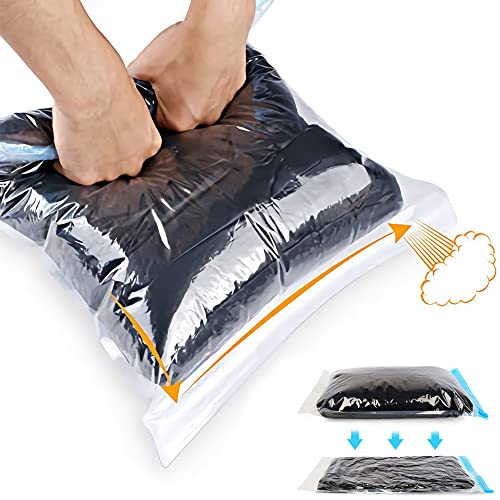
TRAVEL ACCESSORIES - Each of our vacuum storage bags passes strict quality control standards and ensures long-term compressed storage. Including 3 sizes, 4 Pcs Small 20x14”, 3 Pcs Medium 20x16”, 3 Pcs Large 24x16”

Ultralight Travel Companion - Engineered for 1-5 Day Getaways! This comprehensive set includes four compression packing cubes in varying sizes (XL, L, M, S) to accommodate everything from bulky coats to delicate tops. Plus, enjoy added convenience with a hanging toiletry bag, shoe bag, machine-washable laundry bag, and versatile pouch—all designed to keep your luggage perfectly organized and clutter-free.

SPACE-SAVING DESIGN FOR TRAVEL & HOME: Compact and efficient at 11'' L x 6.75'' W x 3'' H (each), these packing cubes fit perfectly in suitcases, duffel bags, backpacks, and totes, making them ideal for business trips, vacations, camping, and cruises. You can also use them at home to maximize closet space and keep items organized and easy to find.
Regional Weather and Daylight Differences
Season alone does not tell the whole story. Scotland’s geography creates major local differences:
- West Highlands and islands: Atlantic systems often bring more rain, strong winds, and rapidly changing conditions.
- East coast and eastern cities: Places such as Edinburgh, Dundee, and Aberdeen can be drier than western areas, although cold coastal winds are possible.
- Highlands and mountain areas: Temperatures drop with elevation, visibility can change quickly, and snow may remain long after lowland conditions feel like spring.
- Far north and islands: Summer twilight lasts much longer, while winter days are especially short.
- Central Belt: Edinburgh and Glasgow are easier to visit year-round because they have extensive indoor attractions and transport connections.
Check a local forecast shortly before each outdoor activity instead of relying only on a national forecast viewed several days earlier.
Crowds, Costs, and Booking Availability
July and August are usually the busiest months in major destinations, and August places exceptional pressure on Edinburgh accommodation. Island ferries, small hotels, rental cars, popular restaurants, and guided tours can also sell out during summer and holiday weekends.
Spring and autumn may offer better availability, but prices still rise around major events, school holidays, Easter, Christmas, and Hogmanay. Winter can be quieter outside festive dates, yet some attractions, tours, accommodations, and rural restaurants reduce their hours or close seasonally.
For island travel, book in advance and check the operator’s live service status. Wind and other severe weather can cause ferry or road disruption in any season, with a higher planning risk during autumn and winter.
Tips for Traveling in Each Season
Products Worth Considering

Size Recommend: This raincoat has a relaxed fit which runs large. If you're not layering more, or prefer a slimmer fit, consider one size down. Model in picture is 5'9" (174 cm), 114.64 lbs (52kg), size small fits well. Note that size measurements refer to jacket itself, not body measurements.

Fabric: Made of high density polyester fabric, lightweight, breathable and waterproof, it is a raincoats for women to wear in daily and outdoor sports.

【Premium material】The Electronics Accessories bag Made of Waterproof, Shockproof, Heavy-duty and Durable Material. Well padded semi-flexible interior, excellent protection for your gadgets against scratches, dust, impacts, and accidental dropping.
Spring Travel Tips
Wear layers that can handle cold mornings and milder afternoons. Carry a waterproof jacket, water-resistant footwear, and a small daypack. Check mountain routes for late snow, even when valleys are green. Festival and Easter dates can increase local demand.
Summer Travel Tips
Book high-demand accommodation, ferries, rental cars, and Edinburgh festival tickets early. Use the long daylight for early starts or evening visits, but do not overfill each day. Bring sunscreen, a refillable water bottle, insect repellent, and a light waterproof layer.
Autumn Travel Tips
Pack warm layers and rain protection. Plan driving and hiking around the earlier sunset, especially in rural areas. Check attraction hours because some sites move to reduced schedules after summer. Review local events for seasonal food, woodland light shows, and St Andrew’s Day celebrations.
Winter Travel Tips
Bring warm layers, waterproof outerwear, gloves, a hat, and sturdy footwear with good grip. Before driving, check the Traffic Scotland map and current weather warnings. Keep plans flexible, carry an emergency kit on remote road trips, and avoid mountain routes that exceed your skills or equipment.
Year-Round Packing Checklist
- Waterproof jacket and comfortable water-resistant footwear.
- Layering pieces, including a warm mid-layer.
- Small daypack, reusable water bottle, and portable phone charger.
- Sun protection, even when the air feels cool.
- Offline maps or paper backup for remote areas.
- Insect repellent and long clothing for summer countryside trips.
- Any activity-specific safety equipment required for mountains or water.
Choosing the Best Time to Visit Scotland
There is no single best month for every traveler. Late May, June, and September are strong all-around choices because they combine useful daylight, scenic landscapes, and generally lower demand than peak August. Choose August for Edinburgh’s major festivals, October for woodland color, and October through March for dark skies and a possible aurora.
Winter can be memorable for festive cities, Burns Night, stargazing, and snow sports when conditions cooperate. It also requires the most flexibility because daylight is limited and weather can disrupt roads, ferries, outdoor attractions, and mountain plans. Whatever season you choose, build a flexible itinerary, check local conditions, and pack for rain.
Frequently Asked Questions
What is the best time to travel to Scotland?
Late May through June and September are good all-around choices for many visitors. They offer useful daylight, broad attraction access, and generally lighter crowds than peak August. The best period still depends on whether your priority is festivals, hiking, autumn color, dark skies, or winter activities.
What is the weather like in Scotland during summer?
June, July, and August are normally the warmest months, with average maximum temperatures around 17°C (63°F). Long daylight is a major advantage, but rain, wind, and cool spells remain possible. Pack layers and waterproof clothing rather than expecting consistently hot or dry weather.
Does Scotland have a midnight sun?
No. Scotland lies south of the Arctic Circle, so it does not have a true midnight sun. Around midsummer, however, daylight lasts very late and the far north may not become fully dark, creating a long period of twilight.
Which events and festivals should I consider?
Major choices include Edinburgh’s August festivals, the Royal Edinburgh Military Tattoo, Highland Games, the Royal Highland Show in June, Beltane on 30 April, St Andrew’s Day on 30 November, Hogmanay, and Burns Night on 25 January. Verify dates and ticket rules on official event sites before booking.
What are the pros and cons of visiting Scotland in summer?
Summer provides the longest days, the broadest festival schedule, and good access to islands and outdoor attractions. The trade-offs are larger crowds, higher demand for accommodation and transport, busy roads, and midges in some rural areas.
Can I visit Scotland outside summer?
Yes. Spring is excellent for gardens and lighter crowds, autumn brings color and seasonal food, and winter suits festive cities and dark-sky trips. Check opening hours, transport schedules, and weather because some rural services are reduced outside the main season.
When is the best time to see the Northern Lights in Scotland?
October through March offers the longest dark-night window. A sighting still requires clear skies, low light pollution, and suitable solar activity. Northern and island locations often provide better horizons, but the aurora is never guaranteed.
When are midges most likely to affect a trip?
Midges are most associated with summer and are more active around dawn and dusk in still, damp conditions. They are common near water and in sheltered woodland. Repellent, long clothing, and checking a midge forecast can make outdoor trips more comfortable.
Sources
- Met Office: Location-specific long-term averages — regional temperature, rainfall, sunshine, and frost data.
- VisitScotland: Weather in Scotland — seasonal temperature guidance, daylight, snow, and activity planning.
- VisitScotland: When to visit Scotland — seasonal trip-planning guidance.
- VisitScotland: Midges and ticks — bite-avoidance and outdoor precautions.
- Edinburgh Festival City: What’s on in 2026 — current dates for major Edinburgh festivals.
- Mountaineering Scotland: ThinkWINTER — winter mountain planning, equipment, and safety.
