
Last Updated on July 27, 2026 by Daniel Globe
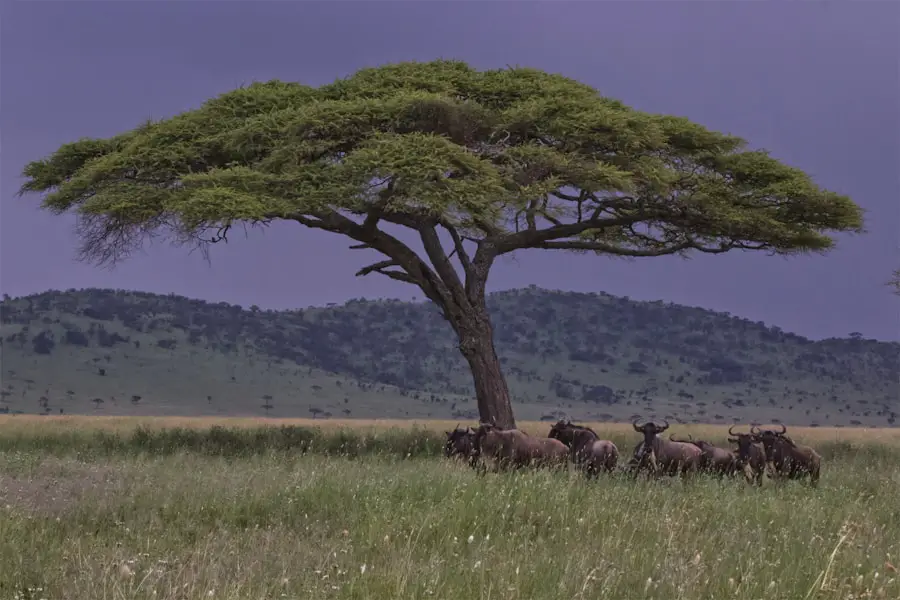
Tanzania, located in East Africa, is a country renowned for its stunning landscapes, diverse ecosystems, and rich cultural heritage. The geography of Tanzania is as varied as its climate, featuring everything from the snow-capped peaks of Mount Kilimanjaro to the expansive plains of the Serengeti and the idyllic beaches of Zanzibar. The country is bordered by Kenya and Uganda to the north, Rwanda, Burundi, and the Democratic Republic of the Congo to the west, and Zambia, Malawi, and Mozambique to the south. Its eastern coastline along the Indian Ocean is dotted with beautiful islands, including Pemba and Mafia, which add to the allure of this vibrant nation.
Quick Answer
The best time to travel to Tanzania is during the dry season from late June to October. This period offers optimal wildlife viewing across the Serengeti and Ngorongoro Crater, ideal conditions for climbing Mount Kilimanjaro, and sunny, pleasant beach weather in Zanzibar. For dramatic Great Migration river crossings, plan your visit between July and September.
Key Takeaways
- Peak Dry Season (June–October): Excellent wildlife visibility, low mosquito risk, clear weather for trekking Kilimanjaro, and prime Great Migration river crossings.
- Calving Season (January–February): Over 8,000 wildebeest are born daily in the Southern Serengeti, creating prime predator action under green, lush conditions.
- Off-Peak / Long Rains (March–May): Heavy rainfall brings 20–30% savings on accommodations, empty national parks, and lush photography landscapes.
- Cultural Festivals: Major cultural milestones include Saba Saba (July 7), the Zanzibar International Film Festival (July), and Mwaka Kogwa in Jambiani.
- Health & Preparation: Secure an electronic visa early, consult healthcare providers for malaria prophylaxis, and verify yellow fever vaccine requirements.
At a Glance: Tanzania Seasonal Travel Overview
| Best Overall Time | June to October (Dry Season) |
| Great Migration Crossings | July to September (Northern Serengeti / Mara River) |
| Calving & Predator Action | January to February (Ndutu & Southern Serengeti) |
| Low Season Savings | March to May (Long Rains, 20–30% lower prices) |
Disclosure: As an Amazon Associate I earn from qualifying purchases. Some links on this page are affiliate links, at no extra cost to you.
Peak Tourist Season in Tanzania
The peak tourist season in Tanzania generally coincides with the dry months from June to October. During this period, wildlife viewing is at its best, as animals congregate around water sources, making them easier to spot due to thinning vegetation. Tanzania National Parks (TANAPA) reserves, particularly the Serengeti and Ngorongoro Crater, experience high visitor volumes eager to witness the incredible natural sights.
The Great Migration, where over 1.5 million wildebeest and zebra traverse the plains in search of fresh pasture, draws nature enthusiasts and photographers from around the globe. The dramatic river crossings at the Mara and Grumeti rivers typically peak between July and September. Because accommodations during peak season fill rapidly, booking safari lodges and tented camps 6 to 12 months in advance is highly recommended.
Pro Tip: While daytime temperatures during the dry season are comfortable (20°C to 28°C / 68°F to 82°F), early morning game drives and high-elevation areas like the Ngorongoro Crater rim can drop near freezing. Pack warm, layered fleece jackets alongside your lightweight safari gear.
Best Time for Safari in Tanzania
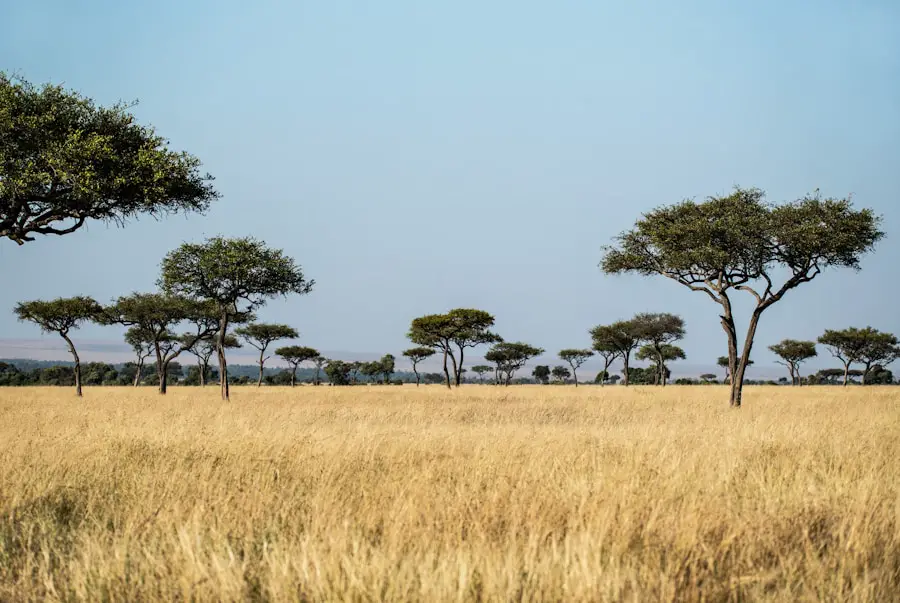
While the peak dry season offers classic game-viewing conditions, the best time for a safari depends on your specific interests and chosen regions within Tanzania:
- July to October (Mara River Crossings): Best for witnessing dramatic predator-prey dynamics and river crossings in the Northern Serengeti.
- January to February (Calving Season): Thousands of wildebeest give birth daily in the Ndutu region of the Southern Serengeti, attracting large concentrations of lions, cheetahs, and hyenas.
- November to April (Birdwatching & Lush Scenery): Migratory birds arrive from Europe and Northern Africa, bringing vibrant color and song to green, lush landscapes.
For travelers seeking a quieter safari experience away from mass crowds, the shoulder months of November to early December offer reduced park congestion, beautiful green foliage, and pleasant temperatures.
Off-Peak Season and Benefits of Traveling During this Time
Traveling during Tanzania’s off-peak season—which occurs during the primary rain cycle from March to May and again during the short rains in November and early December—presents several distinct advantages for adventurous travelers.
| Benefits of Off-Peak Season Travel | Impact & Savings |
|---|---|
| Lower Prices | On average, airfare, safari packages, and luxury lodge rates are 20–30% cheaper. |
| Fewer Crowds | Popular safari circuits are quiet, granting intimate wildlife sightings without vehicle congestion. |
| Greater Availability | High-demand luxury camps that book out a year in advance become accessible on short notice. |
| Authentic Experience | Interact closely with local communities and guides without the rushing pace of peak season. |
| Flexible Itineraries | Easier to modify dates, take advantage of last-minute hotel discounts, and adjust routes on the go. |
Note: Some secondary lodges and remote camps in southern reserves (such as Nyerere and Ruaha) close during the heavy April–May rains due to dirt road impassability. Always confirm open operational dates with your tour operator when traveling during the rainy season.
Weather and Climate Considerations for Traveling to Tanzania
Understanding Tanzania’s microclimates is essential when planning your itinerary:
- Coastal Region & Zanzibar: Tropical and humid with year-round temperatures averaging between 25°C (77°F) and 30°C (86°F). Refreshing sea breezes make beach conditions comfortable outside the rainy months.
- Central Plateau & Inland Reserves: Features a temperate climate with warm, dry days (20°C to 30°C / 68°F to 86°F) and cooler evenings.
- Northern Highlands & Kilimanjaro: Considerably cooler due to elevation, with night temperatures around crater rims often dipping below 5°C (41°F) and dropping below freezing near the summit of Kilimanjaro.
Tanzania experiences two distinct rainy periods: the Masika (long rains) from March to May, which bring heavy tropical downpours, and the Vuli (short rains) from November to December, which typically consist of brief, scattered afternoon showers.
“Packing appropriate clothing for varying microclimates—lightweight breathable fabrics for warmer coastal days and insulating thermal layers for high-altitude evenings—is essential for a seamless Tanzanian journey.”
Cultural and Festival Events in Tanzania Throughout the Year
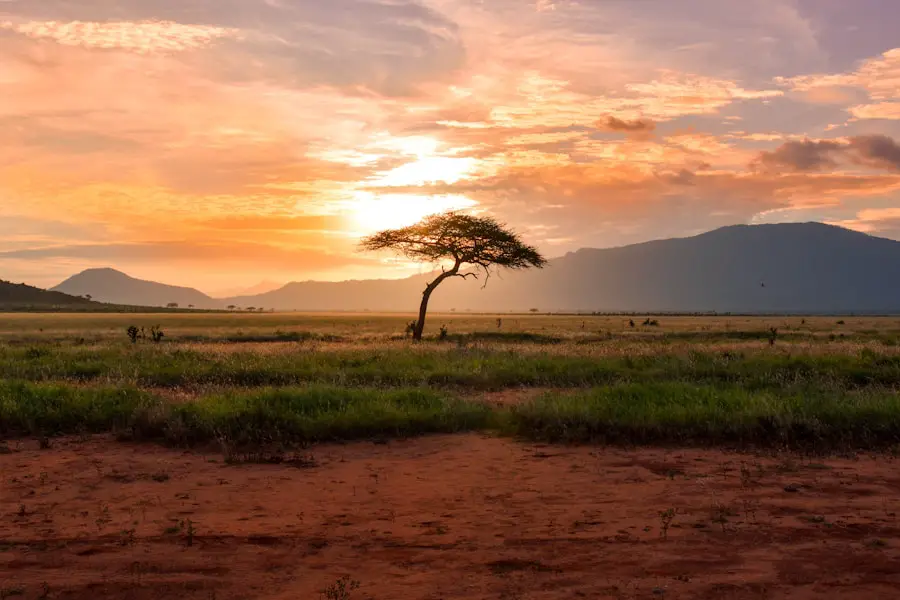
Tanzania’s rich cultural tapestry is woven from over 120 ethnic groups, each contributing unique traditions and celebrations throughout the year:
- Saba Saba (July 7): A national public holiday celebrating the founding of Tanzania’s political and cooperative movement, featuring vibrant trade fairs, music, and parades nationwide.
- Zanzibar International Film Festival (ZIFF) (July): One of East Africa’s largest cultural events, gathering global filmmakers, musicians, and artists to showcase African cinema in historic Stone Town.
- Mwaka Kogwa (July/August): A celebrated Shirazi/Swahili festival in Jambiani, Zanzibar, featuring traditional mock fights, music, and rituals to welcome the Swahili New Year.
- Sauti za Busara (February): Held annually in Stone Town, this renowned African music festival brings live performances, carnival parades, and cultural workshops to Zanzibar.
Considerations for Climbing Mount Kilimanjaro
Climbing Mount Kilimanjaro, Africa’s highest peak at 5,895 meters (19,341 feet), is an unforgettable adventure requiring careful seasonal planning. The best weather windows for trekking are the dry, clear periods of January to March and July to October.
Warning: Attempting to climb Kilimanjaro during the April–May long rains increases risks of hypothermia, reduced visibility, mud-slicked paths, and altitude sickness. Always choose an itinerary lasting 7 or more days (such as the Lemosho or Machame routes) to allow proper altitude acclimatization.
Climbers should invest in proper equipment, including waterproof shells, high-rated sleeping bags, breaking in quality hiking boots, and training for cardiovascular endurance prior to departure.
Tips for Planning Your Trip to Tanzania
To ensure a smooth and memorable journey to Tanzania, keep these logistical tips in mind:
- Visa Requirements: Apply for an e-Visa through the Tanzania Immigration Services Department online portal prior to travel to avoid long airport queues.
- Health & Vaccinations: Consult a travel clinic regarding malaria prophylaxis. Per World Health Organization (WHO) guidelines, a Yellow Fever vaccination certificate is mandatory if arriving from or transit through an endemic country.
- Packing Efficiently: Soft-sided duffel bags are required for domestic bush flights (typically restricted to 15kg/33lbs total weight). To organize your gear effectively, consider investing in the best carry-on luggage for international travel.
- Cultural Etiquette: Dress modestly when visiting Stone Town or local villages off the beach resorts, and learn basic Swahili greetings (like Jambo and Asante sana) to build rapport with locals.
Frequently Asked Questions
What is the best time to travel to Tanzania?
The best time to travel to Tanzania is during the dry season from late June to October. This period offers cool, comfortable weather, minimal rainfall, low mosquito risk, and optimal conditions for safaris, Great Migration river crossings, and climbing Mount Kilimanjaro.
What is the weather like in Tanzania during the dry season?
During the dry season, weather across Tanzania is warm and sunny with clear blue skies. High temperatures range between 20°C and 30°C (68°F to 86°F), though mornings and nights in crater highlands and mountain slopes can be chilly.
What are the main attractions to visit in Tanzania during peak season?
Key highlights include watching Great Migration river crossings in Northern Serengeti, taking game drives in Ngorongoro Crater, relaxing on Zanzibar’s beaches, and trekking Mount Kilimanjaro.
Are there any specific events or festivals to look out for during the best time to travel?
Yes. In July, visitors can experience Saba Saba celebrations and the Zanzibar International Film Festival (ZIFF). Late July and August also host the traditional Mwaka Kogwa festival in Zanzibar.
Are there any important health considerations when traveling to Tanzania?
Travelers should consult a doctor regarding anti-malarial medication, obtain recommended routine vaccinations, and ensure they possess a Yellow Fever certificate if traveling from an endemic transmission zone.
Sources
- Tanzania National Parks (TANAPA) — Official park guidelines, wildlife conservation updates, and migration tracking.
- Tanzania Immigration Services Department — Official e-Visa portal and entry regulations.
- World Health Organization (WHO) — International travel health recommendations and vaccination guidelines.
- Zanzibar International Film Festival (ZIFF) — Annual cultural schedules and event information.

