
Last Updated on July 28, 2026 by Daniel Globe
Naples, a vibrant city in southern Italy, combines historic streets, landmark museums, world-famous food, and easy day trips to Pompeii, Herculaneum, Mount Vesuvius, and the islands of the Bay of Naples. The city is rewarding year-round, but your experience changes sharply with the heat, rainfall, crowds, ferry demand, and festival calendar.
Quick Answer
The best time to visit Naples is April through May or September through October. These months usually bring warm, comfortable sightseeing weather, fewer crowds than July and August, and better hotel availability. Choose summer for beaches and island trips, or winter for museums, food, and lower rates.
Key Takeaways
- April, May, September, and October offer the best overall balance of weather, crowds, and cost.
- July and August are the hottest and busiest months, especially for Pompeii, Capri, and the Amalfi Coast.
- September is a strong choice for warm sea conditions without the peak-August pressure.
- November through February is best for lower prices and indoor attractions, but rain and shorter daylight can affect outdoor plans.
- Festival dates, ferry schedules, archaeological-site hours, and Vesuvius access rules can change, so check official sites before travel.
Best Time to Visit Naples at a Glance
At a Glance
| Best Overall | April–May and September–October |
| Best for Beaches and Islands | June–September |
| Best for Pompeii and Vesuvius | April–May and late September–October |
| Best for Lower Prices | November–February, outside Christmas and New Year |
| Months to Avoid for Heat | July–August |
Weather and Climate in Naples
Naples has a Mediterranean climate, with hot, relatively dry summers and mild, wetter winters. Long-term climate records show that August is usually the hottest month, January is the coolest, and late autumn is among the wettest parts of the year. Monthly averages are useful for planning, but heat waves, storms, and windy ferry conditions can still occur outside the usual pattern. See the World Meteorological Organization climate page for Naples before choosing dates.
Spring Weather: March to May
Spring starts cool and changeable in March, then becomes warmer and more settled in April and May. Typical daytime highs rise from about 17°C (62°F) in March to 24°C (75°F) in May. This is one of the best periods for walking the historic center, visiting museums, and spending long days at Pompeii or Herculaneum.
Summer Weather: June to August
Summer is hot, sunny, and comparatively dry. Typical daytime highs reach about 28°C (83°F) in June and 31°C (88°F) in August, while warm nights can make rooms without air conditioning uncomfortable. The strongest heat often falls from early afternoon into the evening, especially on exposed stone streets and archaeological sites.
Warning: Pompeii and Mount Vesuvius have extensive exposed areas with limited shade. In hot weather, visit early, carry water, wear a hat and sunscreen, and do not treat the Vesuvius crater walk like a casual city stroll.
Autumn Weather: September to November
September often remains warm enough for beaches and island trips, with daytime highs around 27°C (81°F). October is milder and excellent for sightseeing. November is cooler and much wetter, so it belongs to the low season rather than the prime autumn window. Pack a compact rain jacket and leave flexibility for outdoor day trips.
Winter Weather: December to February
Winter is mild by northern European standards but can feel damp. Typical daytime highs are about 13–14°C (56–58°F), with average overnight lows near 5–6°C (41–43°F). Snow is unusual in central Naples, while rain, wind, and shorter daylight are more likely to disrupt island ferries or outdoor excursions.
Peak Tourist Season in Naples

Tourist demand rises from late spring and is strongest in July and August. Naples itself stays lively, while nearby Capri, Pompeii, Sorrento, and the Amalfi Coast can become especially congested. Hotels, ferries, beach clubs, and popular restaurants have less last-minute availability, and midday sightseeing becomes harder because of the heat.
August 15 is Ferragosto, an Italian public holiday. Transport and attraction schedules may change, some local businesses close, and beaches and island routes can be busy with domestic travelers. Check opening hours instead of assuming normal service.
The National Archaeological Museum of Naples and major archaeological sites are popular in every season. Pompeii now uses named, timed tickets and has a daily admission limit, so buy only through the official Pompeii website and confirm the current entrance rules before leaving Naples.
Pro Tip: In July and August, reserve your most important timed entries and ferry departures first, then build the rest of the itinerary around them. Early starts also reduce both heat exposure and competition from day-trip groups.
Naples Month by Month
The temperatures below are approximate averages for the Naples–Capodichino weather station, based on weather reports collected from 1992–2021. Crowd levels are practical travel estimates, not official measurements. Conditions vary from year to year, so review the forecast shortly before departure.
| Month | Typical High / Low | Crowds | Best For |
| January | 13°C / 5°C (56°F / 41°F) | Low | Museums, food, lower rates |
| February | 14°C / 6°C (58°F / 42°F) | Low | Quiet city breaks |
| March | 17°C / 8°C (62°F / 46°F) | Low–Moderate | Walking with flexible plans |
| April | 19°C / 11°C (67°F / 51°F) | Moderate | Sightseeing and ruins |
| May | 24°C / 14°C (75°F / 58°F) | Moderate–High | Best all-around conditions |
| June | 28°C / 19°C (83°F / 66°F) | High | Beaches, islands, festivals |
| July | 31°C / 21°C (87°F / 70°F) | Very High | Sea trips and nightlife |
| August | 31°C / 22°C (88°F / 71°F) | Very High | Beach-focused trips |
| September | 27°C / 18°C (81°F / 64°F) | High, then easing | Sea, sightseeing, San Gennaro |
| October | 23°C / 14°C (74°F / 57°F) | Moderate | Walking and outdoor sites |
| November | 18°C / 10°C (65°F / 50°F) | Low | Food and indoor culture |
| December | 14°C / 6°C (58°F / 43°F) | Low–High around holidays | Christmas streets and nativity traditions |
Best Time to Visit Naples for Sightseeing
April, May, late September, and October are the strongest sightseeing months. The weather is usually comfortable enough for long walks through Spaccanapoli, the Spanish Quarter, Piazza del Plebiscito, and the historic center, while the most severe summer heat has either not arrived or has begun to fade.
March can also work well for travelers who accept mixed weather. November through February suits museum, church, food, and underground-tour itineraries, but build in a rain backup and remember that daylight is shorter.
Products Worth Considering

Lightweight Design: These classic women's sneakers are made of lightweight and breathable materials for comfortable wear. Non-slip sole: The rubber sole offers excellent grip...
Best Time for Pompeii and Herculaneum
Choose April–May or late September–October for the best balance of daylight and manageable heat. In summer, enter at opening time and avoid planning Pompeii and a Vesuvius hike as one rushed midday block. The official Pompeii schedule is longer from mid-March to mid-October and shorter in winter, so verify the current last-entry time before travel.
Best Time to Hike Mount Vesuvius
Spring and autumn are generally more comfortable than midsummer. Access to the Gran Cono trail requires advance online purchase, and the park can close the crater during adverse weather or safety alerts. Check the official Vesuvius National Park page on the day of your visit and wear proper walking shoes.
Best Time to Visit Naples for Beaches and Outdoor Activities
June through September is the main period for beach days, swimming, and trips to Capri, Ischia, and Procida. July and August offer the hottest weather and the widest summer atmosphere, but they also bring the greatest demand for ferries, beach clubs, and accommodation.
September is often the better compromise: the sea retains summer warmth, daytime temperatures are usually less punishing, and crowds tend to ease later in the month. For coastal trails around Positano and the Amalfi Coast, May, June, late September, and October are generally more comfortable than peak summer.
Note: Ferry departures can be delayed or canceled by rough seas, especially outside summer. Leave buffer time before flights or long-distance trains and check the operating company’s live schedule rather than relying only on a saved itinerary.
Best Time to Visit Naples on a Budget
November, January, and February usually offer the best chance of lower room rates and easier restaurant reservations. Early March and parts of December can also be good value, but Christmas, New Year, Easter, major events, and weekends may cause short price spikes.
Do not choose the low season only for savings if Capri, beach clubs, or long outdoor days are central to the trip. Some seasonal services run less often, weather is less dependable, and winter opening hours at archaeological sites are shorter.
Products Worth Considering

Travel Essentials: Our themed makeup bags, from "Italy is calling and I must go" to "Nashville is calling and I must go," are delightful surprises for women traveling or celebrating bachelorette parties

Italy Travel Essentials: This makeup bag is a Italy travel must have. Compact yet large capacity, it’s perfect for storing makeup, toiletries, or travel essentials. The unique designs will keep your fond memories of travel.This travel pouches bag is a must-have souvenir or gift for travelers.

If you or your friends are traveling to Naples or hiking in other regions in Campania, Italy for a holiday or are an ex-pat, this distressed passport stamp dress makes a great retro Christmas or birthday souvenir gift
Special Events and Festivals in Naples
The Feast of San Gennaro on September 19 is Naples’ best-known religious celebration. Ceremonies center on Naples Cathedral and the city’s patron saint, with large crowds, devotional events, and activity around the historic center. The associated blood-liquefaction ritual also takes place on the Saturday before the first Sunday in May and on December 16, according to Italy’s official tourism portal.
Maggio dei Monumenti brings cultural openings, performances, tours, and activities to locations across Naples. Dates and themes change each year; the 2026 program ran from May 2 to June 2, so travelers should check the city calendar rather than assume it covers only May.
The event once widely called the Napoli Teatro Festival is now the Campania Teatro Festival. It presents international theater and performing arts in Naples and across Campania, usually during June and July. The 2026 edition ran from June 12 to July 12.
Note: Festival schedules are annual, not permanent. Confirm exact dates, venues, ticket rules, and street closures for the year of your trip.
What to Pack for Naples by Season
- Spring: Light layers, a compact rain jacket, comfortable walking shoes, and a small umbrella.
- Summer: Breathable clothing, sunscreen, a hat, refillable water bottle, sunglasses, and air-conditioned accommodation if heat affects your sleep.
- Autumn: Summer clothing for September, then layers and rain protection for October and November.
- Winter: A water-resistant jacket, sweater, closed shoes, and an extra warm layer for windy evenings or elevated areas near Vesuvius.
Products Worth Considering

✅ WINDPROOF DESIGN – The umbrella’s sturdy all metal frame and shaft make the canopy highly wind resistant for storms and the harsh outdoors. Our folding umbrella is compact, lightweight, stylish and durable for the best quality weather protection.
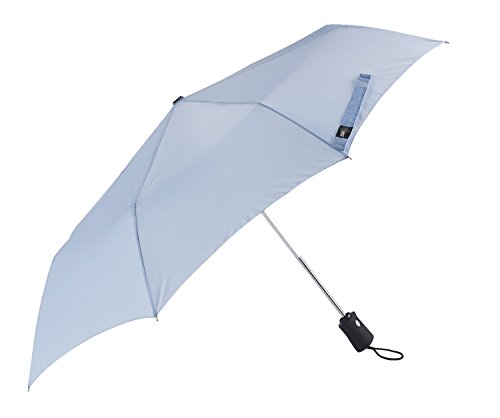
WATERPROOF & WINDPROOF: Designed to last, this premium umbrella features a canopy that blocks rain, snow, and harsh elements. Its frame and flexible ribs resist bending, keeping it sturdy in high wind proof. It holds shape storm after storm and comes with a case to easily stuff it into your personal bag. Our umbrellas can survive being turned inside out 20 times in 30mph winds without breaking or folding.

WINDPROOF & FLIP-SAFE DESIGN: Engineered with 8 reinforced fiberglass ribs and fail safe flip technology; resists high winds by inverting-not breaking-under pressure; say goodbye to flimsy umbrellas that snap in a gust. This heavy duty stick umbrella offers safety from rain, and offers big shade on clear days too - portable, sturdy, and dependable, it’s your reliable shield against rain whenever you’re on the go
Tips for Traveling to Naples in Different Seasons
- Build around fixed reservations: Book Pompeii, Vesuvius, ferries, and major museums before filling in flexible neighborhood walks.
- Use early mornings in summer: Schedule exposed archaeological sites first and save shaded churches, museums, and long meals for the hottest hours.
- Keep one weather-flexible day: This is especially useful from October through March, when rain or wind may affect outdoor and sea plans.
- Check public holidays: Ferragosto, Christmas, New Year, Easter, and the September 19 patron-saint holiday can change business hours and local transport patterns.
- Separate city and coast priorities: Naples remains active year-round, but island, beach, and coastal services are most reliable in the warmer months.
For most first-time visitors, late April to May and late September to October deliver the easiest mix of walkable weather, open attractions, day-trip options, and manageable crowds.
Frequently Asked Questions
What is the best month to visit Naples, Italy?
May is the best all-around month for many travelers because days are warm, daylight is long, and the most intense summer heat has not arrived. Late September and October are strong alternatives, especially for sightseeing and food-focused trips.
Is August a bad time to visit Naples?
August is not a bad choice for beaches and nightlife, but it is hot and busy. Expect strong demand for ferries, popular day trips, and air-conditioned rooms. Ferragosto on August 15 can also change business hours and increase domestic holiday traffic.
What is the rainiest time of year in Naples?
Late autumn and early winter are the wettest period, with November often the rainiest month. Rain does not normally continue all day every day, but travelers should leave flexibility for Pompeii, Vesuvius, and island excursions.
When is the best time to visit Pompeii from Naples?
April, May, late September, and October are usually best because temperatures are milder than midsummer and daylight is still useful. In June through August, enter near opening time and buy an official named, timed ticket in advance.
Can you swim near Naples in September?
Yes. September commonly remains warm enough for swimming and island trips, especially in the first half of the month. Conditions become less predictable later in autumn, so check local forecasts and ferry notices.
Is Naples worth visiting in winter?
Yes, especially for museums, churches, underground sites, food, and lower accommodation prices. Winter is less suitable for beach-centered trips, and rain, wind, shorter daylight, and reduced seasonal services can limit outdoor day trips.
How many days should you spend in Naples?
Allow at least three full days for the city itself. Four to six days gives you room for Pompeii or Herculaneum, Mount Vesuvius, and one island or coastal day trip without turning the visit into a rushed checklist.
Sources
- World Meteorological Organization — Naples climate information — supports the city’s long-term seasonal climate pattern.
- Archaeological Park of Pompeii — Timetables and tickets — confirms official opening periods, ticketing, and visitor information.
- Vesuvius National Park — The Great Cono — confirms online ticket requirements, access hours, and weather-related closures.
- Italia.it — Feast of San Gennaro in Naples — confirms the September 19 feast and the three annual ritual dates.
- Comune di Napoli — Maggio dei Monumenti 2026 — confirms the 2026 event dates and official city programming.
- Campania Teatro Festival — confirms the festival’s current name and 2026 June–July schedule.
