

Last Updated on July 28, 2026 by Daniel Globe
The Maldives is made up of 26 natural atolls and about 1,190 coral islands, but there is no single “perfect” month for every traveler. The best time to visit the Maldives depends on what matters most to you: reliably sunny beach weather, diving visibility, manta rays, whale sharks, surfing, cultural experiences, or lower prices. Choosing the right season—and the right atoll—can make a bigger difference than simply booking during the traditional peak season.
Quick Answer
The best time to visit the Maldives for the driest beach weather is January through March, with April and December as transition months. Divers often favor the drier months, but wildlife timing varies by atoll: Hanifaru Bay manta season runs May to November, while South Ari whale sharks can be seen year-round.
Key Takeaways
- For the driest and most reliable beach weather, January through March is the safest bet.
- The Maldives Meteorological Service treats April and December as monsoon transition periods rather than fully dry-season months.
- Hanifaru Bay in Baa Atoll is best for manta rays from May to November, with especially strong activity from roughly June through October.
- South Ari Atoll is a better choice for travelers specifically seeking whale sharks because sightings occur throughout the year.
- Surfing is possible from roughly mid-February through November, while the May-to-November southwest monsoon brings more wind, swell, clouds, and rain.
- Budget travelers often find better room rates outside the December-to-March peak, but should compare resort transfers, taxes, and meal plans—not just the nightly room price.
Best Time to Visit the Maldives at a Glance
| Travel Goal | Best Time | What to Expect |
|---|---|---|
| Driest beach weather | January–March | More sunshine, less rain and generally calmer conditions |
| General diving and snorkeling | January–April | Often favorable surface conditions, although visibility and currents vary by atoll |
| Hanifaru Bay manta rays | May–November | Plankton-rich southwest-monsoon period; activity is especially strong around June–October |
| South Ari whale sharks | Year-round | One of the Maldives’ most dependable areas for whale-shark encounters |
| Surfing | Mid-February–November | Especially attractive windows include March–May and September–November |
| Lower prices | May–October | More promotions are common, but rain and wind are less predictable |
| Weather/value compromise | April or November | Transition conditions can deliver good weather without the most expensive peak-season pricing |
Weather Patterns in the Maldives
The Maldives has a warm tropical climate throughout the year. According to the Maldives Meteorological Service, average temperatures generally range from about 25°C to 32°C (77°F to 90°F). Seasonal changes are driven more by rainfall, wind, clouds, and sea conditions than by large temperature swings.
The Maldives Meteorological Service defines January through March as the northeast, or drier, monsoon; mid-May through November as the southwest, or wetter, monsoon; and April and December as transition periods.
Dry Northeast Monsoon: January to March
January, February, and March usually provide the most dependable combination of sunshine, relatively low rainfall, and calmer seas. These months are ideal for travelers whose main goal is beach time, overwater-villa stays, snorkeling, boat trips, and outdoor dining with the lowest practical risk of weather interruptions.
The trade-off is price. This period overlaps with the Maldives’ busiest tourism season, particularly around Christmas, New Year, and winter holiday periods in major source markets.
Transition Period: April
April sits between the two monsoons. It remains hot and can still deliver long periods of sunshine, but humidity and the chance of showers generally rise as the southwest monsoon approaches. For travelers who can tolerate some weather uncertainty, April can offer a useful compromise between peak-season conditions and off-season pricing.
Wet Southwest Monsoon: Mid-May to November
The southwest monsoon brings more rainfall, humidity, wind, cloud cover, and rougher seas. This does not mean it rains continuously. The Maldives Meteorological Service notes that rainfall is often showery, with sunny periods between showers.
The wetter season can actually be preferable for certain trips. Stronger swells benefit surfers, while plankton-rich conditions support spectacular manta-ray and whale-shark feeding activity in places such as Baa Atoll.
Note: “Wet season” does not mean an automatic week of rain. Tropical showers can be intense but brief, and conditions vary between the northern, central, and southern atolls. Still, multi-day unsettled periods are possible, so weather-sensitive travelers should favor January through March.
Transition Period: December
December is often marketed as part of the dry season because conditions are generally improving, but meteorologically it is a transition month. Early December can still be changeable, while conditions often become more settled as the month progresses. Holiday demand also pushes prices sharply higher around Christmas and New Year.
Best Time to Visit for Diving and Snorkeling

For general reef diving and snorkeling, the drier part of the year—particularly January through April—is popular because calmer surface conditions can make boat trips and snorkeling easier. However, there is no single nationwide “best diving month.” Visibility, currents, plankton levels, and marine-life encounters change with the monsoon and with the side of the atoll you visit.
That distinction matters if large marine animals are your priority.
Products Worth Considering

CLEAR, WIDE VIEW: Two-window tempered glass mask gives you a crystal-clear, distortion-free view of marine life, and resists fogging better than plastic lenses.

TECHNO-POLYMER BLADE Advanced material provides the strength of bone to maximize power, speed and efficiency, while being extremely lightweight and durable
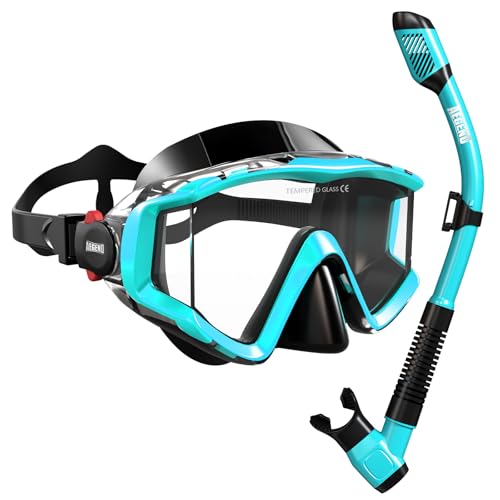
220°+ Wide View for an Immersive Underwater Experience: Whether you're a beginner or a seasoned snorkeler, this 3-side lens snorkeling gear for adult delivers over 220° of panoramic clarity for exploring coral reefs during beach vacations or family snorkeling trips, it eliminates image distortion and dizziness so you can fully enjoy the ocean world
When to See Manta Rays at Hanifaru Bay
Baa Atoll is a UNESCO Biosphere Reserve, and Hanifaru Bay is one of its best-known wildlife sites. The southwest monsoon creates plankton-rich conditions that attract large numbers of manta rays. Visit Maldives places the main Hanifaru Bay season between May and November, with particularly good manta activity during the middle of that period.
Warning: Scuba diving is not permitted inside Hanifaru Bay. Wildlife encounters there are managed as snorkeling or swimming experiences under conservation rules. Follow your guide’s instructions, keep your distance from animals, and never touch or block a manta ray or whale shark.
When to See Whale Sharks in South Ari Atoll
Travelers focused on whale sharks should also consider South Ari Atoll. According to Visit Maldives, whale-shark aggregation occurs there throughout the year. This makes South Ari one of the most flexible choices for a marine-wildlife trip.
Some periods may produce more sightings than others, but there is no need to limit a South Ari whale-shark trip to the traditional January-to-March high season.
Pro Tip: Choose the atoll before choosing the month. For Hanifaru manta rays, target the southwest-monsoon months. For year-round whale-shark potential, South Ari is a stronger fit. A generic “best season for diving” recommendation can otherwise send you to the right country at the wrong time for the animal you want to see.
Best Time to Visit for Water Sports
| Activity | Best General Window | Conditions |
|---|---|---|
| Surfing | Mid-February–November | Southern-ocean swells reach exposed reefs; March–May and September–November can be especially attractive |
| Windsurfing and kitesurfing | May–October | The southwest monsoon generally brings stronger and more consistent wind, though conditions vary by island |
| Kayaking and paddleboarding | January–March | Calmer seas are generally more comfortable for casual paddlers |
| Sailing and leisure boat trips | January–April | More settled weather usually means fewer disruptions |
Surfing does not fit neatly into the same calendar as casual beach activities. Visit Maldives describes the surf season as running from roughly mid-February through November, with particularly good conditions from March to May and September through the end of November.
North Malé Atoll is one of the most accessible surf areas and includes famous breaks such as Cokes, Honky’s, Sultans, and nearby Chicken’s. Southern atolls such as Huvadhoo also attract experienced surfers.
For windsurfing and kitesurfing, the southwest-monsoon months can provide stronger breezes, but conditions are highly location-specific. Beginners should check the resort or water-sports center’s local wind exposure rather than choosing a trip solely from a nationwide monthly average.
Products Worth Considering
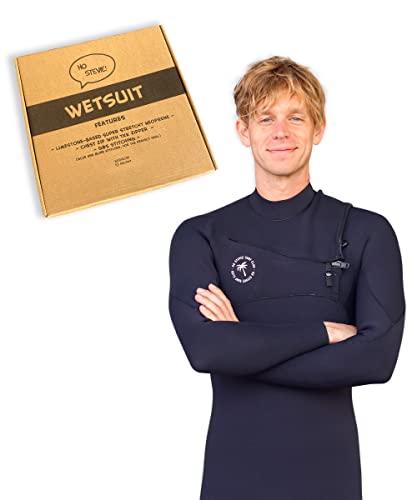
WARM - Our premium quality full-length wetsuit will keep you warm even while surfing in the coldest water. 4/3mm thickness is rated for water as cold as 51°F. 3/2mm thickness is rated for water temperatures 56°F and warmer.

Product 1: Soft foam construction// EPS core with 3 Stringer System

WARM WOMEN'S WETSUIT - Our premium quality full-length women's wetsuit keeps you so you can surf longer. 4/3mm thickness is rated for water as cold as 51°F. 3/2mm thickness is rated for water temperatures 56°F and warmer.
Best Time to Visit for Cultural Experiences
The Maldives is more than a resort destination. Travelers staying in Malé or on inhabited islands can experience local food, mosques, markets, music, and community life in ways that are less visible on private resort islands.
Ramadan and Eid
Ramadan can be an interesting time to visit, particularly for travelers who want to understand the country’s Islamic traditions. However, Ramadan does not occur in the same Gregorian months every year. It follows the Islamic lunar calendar and shifts earlier each year.
For example, the Maldives’ official 2026 calendar listed the first day of Ramadan as February 18 and Eid al-Fitr as March 20. Government and local-island operating hours can change substantially during Ramadan, especially toward the final ten days.
Resort operations are generally more insulated from these changes, while travelers staying on inhabited islands should expect a stronger effect on daytime dining, business hours, and local routines.
Independence Day
Maldives Independence Day is observed on July 26. Depending on the year’s official program, celebrations may include ceremonies and cultural activities. Travelers planning specifically around a festival should check the current government or official tourism calendar rather than relying on a fixed annual event description.
Historic Malé
Malé offers some of the country’s most accessible cultural sights. The Old Friday Mosque, also known as Malé Hukuru Miskiy, was completed in 1658 and is one of the country’s most important surviving coral-stone buildings. Its mosque complex appears on UNESCO’s Tentative World Heritage List.
Note: Customs differ between private resort islands and inhabited islands. Visit Maldives advises travelers to dress modestly on inhabited islands. Individuals may not import alcohol into the country, while alcohol is available at licensed tourist resorts.
Best Time to Visit for Budget Travelers
Shoulder and Low-Season Savings
Budget travelers should look beyond the December-to-March peak. Accommodation promotions are more common during the wetter southwest-monsoon period, particularly from May through October. April and November can also provide a useful middle ground when you want lower rates without committing fully to peak rainy-season conditions.
Discounts are never guaranteed, though. Resort prices change with demand, room type, meal plan, holidays, and how far ahead you book.
Affordable Accommodation Options
Guesthouses on inhabited islands can cost far less than private-island resorts and provide closer access to local restaurants, shops, and everyday Maldivian life. They are especially useful for travelers who care more about diving, snorkeling, or exploring than about overwater villas and all-inclusive resort facilities.
However, compare the total trip cost. A cheaper room on a distant atoll may require an expensive domestic flight, seaplane, or speedboat transfer.
Remember the Green Tax
Current taxes also need to be included in your budget. The Maldives Inland Revenue Authority states that, from January 1, 2025, Green Tax is generally $12 per person per day at tourist resorts, tourist vessels, and many hotels and guesthouses.
Qualifying hotels and tourist guesthouses with 50 or fewer registered rooms on inhabited islands are charged $6 per person per day. Children under two are exempt. Check the rate attached to your accommodation rather than assuming it is included in the advertised room price.
A More Intimate Experience
Traveling outside the peak dry months often means fewer visitors at some resorts and excursions. That can create a quieter experience at dive sites, beaches, and local islands, although wildlife hotspots such as Hanifaru Bay may still be busy during their biological peak season.
Pro Tip: Compare the final price after transfers, Green Tax, meal plans, diving or excursion fees, and baggage charges. A resort with a higher nightly rate but a short speedboat transfer can sometimes cost less overall than a cheaper property requiring a seaplane.
Best Time to Visit for Luxury Travelers
For travelers prioritizing sunshine, calm seas, outdoor dining, private boat trips, and predictable beach weather, January through March remains the premium window. Luxury resorts operate year-round, but the drier months make it easier to schedule weather-dependent experiences such as yacht charters, sandbank dinners, snorkeling trips, and sunset cruises.
The downside is demand. Christmas, New Year, and the main winter season can bring some of the year’s highest villa rates and minimum-stay requirements. Peak season therefore offers the best odds of settled weather, but not necessarily the greatest privacy or value.
Luxury travelers who are comfortable accepting occasional rain should also compare April, November, and the wetter months. High-end resorts frequently remain fully operational, and a lower-season stay can make premium villa categories or longer visits more attainable.
How to Choose the Right Month for Your Maldives Trip
Rather than choosing dates from a generic “best season” label, work backward from the experience you care about most.
- Choose your priority. Decide whether sunshine, marine wildlife, surfing, price, or cultural experiences matter most.
- Choose the atoll. Hanifaru Bay and South Ari Atoll, for example, have very different wildlife calendars.
- Match the atoll to the season. Pick dates only after checking the local weather and wildlife pattern for that region.
- Price the entire journey. Include flights, island transfers, taxes, meals, and excursions.
- Check the forecast close to departure. Monsoon seasons describe probabilities, not a guarantee of sunshine or rain on a particular day.
Before You Book: Entry Rules and Practical Planning
Tourists generally receive a visa on arrival rather than applying for a tourist visa in advance, but this does not mean there are no entry requirements. According to Maldives Immigration, travelers must meet its current passport, accommodation, onward-travel, and financial requirements.
Inbound travelers must also complete the official Traveller Declaration electronically through IMUGA within 96 hours before arrival. Maldives Immigration states that the declaration is free, so avoid third-party websites that charge to submit it.
Warning: Immigration rules can change. Check Maldives Immigration again shortly before departure rather than relying on an older travel article or social-media post.
What to Pack for the Season
Lightweight, breathable clothing works throughout the year. Bring reef-safe sun protection, a hat, swimwear, sandals, and a light rain layer even during the drier months. Travelers who prefer more structured trip-planning resources can also use this guide to choosing a travel guidebook.
During wetter months, quick-drying footwear is useful. Sandals are practical for most resort settings, while travelers expecting rainy walks on inhabited islands may also want to compare waterproof travel sneakers.
On inhabited islands, clothing should be more modest than typical resort beachwear. Lightweight trousers, loose shirts, or a comfortable travel skirt can help you stay cool while respecting local customs.
Conclusion and Final Tips for Traveling to the Maldives
For the most dependable sunshine and calm beach conditions, January through March is the best overall time to visit the Maldives. But that answer changes as soon as you make a specific activity your priority.
For manta rays at Hanifaru Bay, plan around May through November. For whale sharks in South Ari Atoll, you have year-round possibilities. Surfers have a broad season extending from roughly mid-February through November, while budget travelers can often save by accepting the greater weather uncertainty of the southwest monsoon.
The smartest approach is to choose your experience first, then your atoll, and finally your dates. Factor in transfers and Green Tax before comparing prices, and check both current weather information and Maldives Immigration requirements shortly before departure. With that approach, there is no truly “bad” season—only seasons that suit different kinds of Maldives trips.
Frequently Asked Questions
What is the best time to travel to the Maldives?
January through March is the best general choice for travelers who prioritize sunshine, lower rainfall, and calmer seas. April and December are transition months, while the wetter southwest monsoon normally extends from around mid-May through November.
What is the weather like during the best time to visit the Maldives?
The Maldives stays warm throughout the year, with average temperatures generally around 25°C to 32°C (77°F to 90°F). January through March usually brings the most reliable combination of sunshine, lower rainfall, and relatively calm seas.
When is the monsoon season in the Maldives?
The Maldives Meteorological Service describes the southwest, wetter monsoon as normally running from about mid-May through November. The northeast, drier monsoon is January through March, while April and December are transition periods.
Is the Maldives worth visiting during the rainy season?
Yes, especially if lower prices, surfing, or marine wildlife matter more than guaranteed sunshine. Rain often comes in showers with brighter periods between them, although prolonged unsettled weather is possible. May through November is also the important manta season around Hanifaru Bay.
When is the best time to see manta rays in the Maldives?
For Hanifaru Bay in Baa Atoll, plan between May and November, with particularly strong manta activity around June through October. Hanifaru Bay is managed as a snorkeling site rather than a scuba-diving location.
When is the best time to see whale sharks in the Maldives?
South Ari Atoll offers whale-shark encounters throughout the year, making it one of the most dependable choices. Whale sharks also visit Baa Atoll during the plankton-rich southwest-monsoon period, but wildlife sightings can never be guaranteed.
What are the peak tourist seasons in the Maldives?
Demand is strongest during the drier winter period, particularly from December through March. Christmas and New Year are especially popular and can carry higher accommodation rates, holiday supplements, and tighter availability.
Are there specific events or festivals to consider when planning a Maldives trip?
Yes. Independence Day is observed on July 26, while Ramadan, Eid al-Fitr, and Eid al-Adha follow the Islamic lunar calendar and therefore change dates each year. Travelers should check the current official calendar because business hours and local-island routines can change around major religious holidays.
Sources
- Maldives Meteorological Service — Climate of Maldives — official monsoon periods, rainfall patterns, sunshine, and average temperatures.
- UNESCO — Baa Atoll Biosphere Reserve — protected-area status, climate, and ecological importance of Baa Atoll.
- Visit Maldives — Hanifaru Bay Marine Wildlife — manta and whale-shark season plus Hanifaru Bay wildlife rules.
- Visit Maldives — Whale Sharks in South Ari Atoll — year-round whale-shark aggregation information.
- Maldives Immigration — Tourist Visa — current entry requirements and Traveller Declaration guidance.
- Maldives Inland Revenue Authority — Green Tax — current tourist Green Tax rates and exemptions.
