

Last Updated on September 26, 2026 by Mason Reed
You spend a lot of time on your feet while camping, and the right slippers can protect your soles, retain heat, and make evenings around the fire far more comfortable. Choosing a pair that balances warmth, weight, and durability helps you pack smarter and stay comfortable from the campsite to the tent.
Disclosure: As an Amazon Associate I earn from qualifying purchases. Some links on this page are affiliate links, at no extra cost to you.
Top Picks
|
Category |
Product |
Score |
|---|---|---|
|
🏆 Most Packable |
90/100 |
|
|
⭐ Best Comfort |
84/100 |
|
|
❄️ Best Insulation |
70/100 |
Selection Criteria
You want slippers that perform where you camp, so we prioritized a handful of practical measures. Warmth and insulation were evaluated for cool nights and early mornings, while weight and packability mattered for backpackers who need to save space. We looked at outsole durability and traction for short walks around camp, water resistance for dewy grass or light damp conditions, and overall build quality to ensure the slippers last through trips.
Fit, ease of entry, and maintenance were also considered so you get a pair that is comfortable and simple to care for.
Exped Camp Slipper
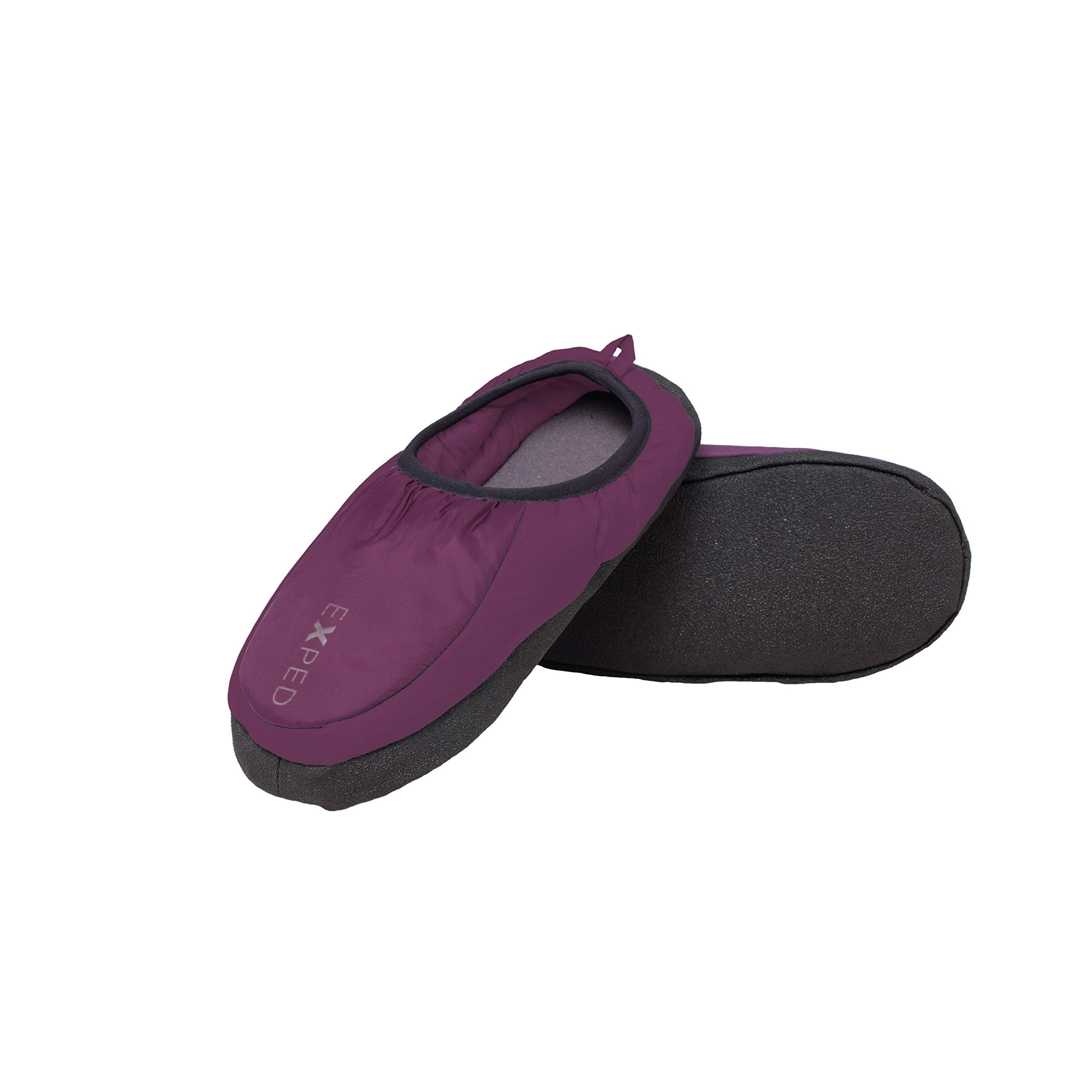
You want a camp slipper that disappears in your pack but still keeps your feet happy when you step out of the tent. The Exped Camp Slipper is ultralight and pull-on simple, with a soft polyester lining for cozy evenings and a PVC sole that handles short walks around camp.
It packs small so you can stash it in a stuff sack, and the water-resistant shell helps with dewy grass and damp mornings. If you mostly need a comfortable post-hike slip-on or a spare pair for car camping and overnight trips, this is a practical, low-bulk choice.
For extended cold-weather use or rough terrain you should pair it with sturdier footwear.
What People Say
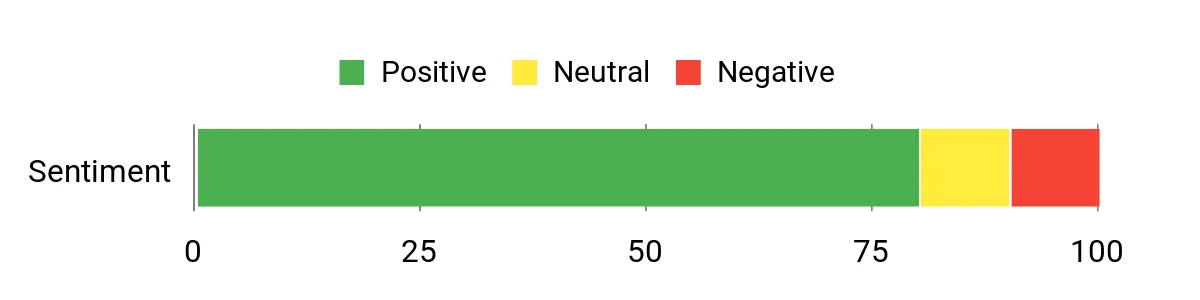
Customers tend to praise how light and packable these slippers are, noting they fold down easily and add almost no bulk to a pack. Many highlight the cozy lining and easy pull-on fit for evenings at camp, while a few point out limits on insulation and traction when conditions get muddy or icy. Overall people appreciate them as a reliable, minimalist camp shoe.
Overall Sentiment: Positive
|
Pros |
Cons |
|---|---|
|
✅ Very low weight makes them easy to carry |
❌ Not intended for long hikes or rugged terrain |
|
✅ Comfortable lining for quick warmth after hiking |
❌ Limited insulation for very cold nights |
|
✅ Simple pull-on design for convenience |
❌ Sole tread is basic, so traction can be limited on slick surfaces |
|
✅ Water-resistant shell for damp campsite conditions |
Safety
The water-resistant upper helps keep your feet dry from dew, and the low-profile, closed-toe design reduces exposure to campsite hazards. The PVC sole provides basic protection from rocks and sticks but does not replace a full hiking sole for technical terrain.
Use Cases
These slippers excel as an indoor tent shoe and a campsite slip-on for short walks. You can use them for car camping, weekend trips, or as a lightweight backup on multi-day treks. They are not a substitute for hiking boots when you need support and aggressive traction.
Key Benefits
- Extremely lightweight and highly packable for backpacking
- Soft polyester lining delivers quick comfort after activity
- Water-resistant upper protects against dew and light moisture
Rating: 4.5 (total: 2+)
Tundra Booties

You get serious cold-weather insulation in a compact bootie with the Outdoor Research Tundra Aerogel Booties. They use aerogel-backed VerticalX insulation to trap heat while neoprene keeps light moisture at bay, and the rubber sole offers basic protection for short walks around camp. They work well as a basecamp or car-camping shoe when your priority is warmth rather than mileage, and the zip closure makes them easy to put on when your feet are tired. If you need aggressive traction or a lightweight, ultralight slipper for backpacking, these aren’t the best match, but for chilly mornings and tent lounging they deliver focused thermal performance.
What People Say
People often note how warm these booties feel in cold conditions and appreciate the aerogel insulation for holding in heat. Many mention the neoprene fit is snug and protective, while others report issues with the fit around the ankle or with zipper convenience. Overall feedback mixes praise for warmth with concerns about durability, traction, and suitability for longer outdoor use.
Overall Sentiment: Neutral

|
Pros |
Cons |
|---|---|
|
✅ Exceptional insulation for very cold nights |
❌ Heavier and bulkier than ultralight camp slippers |
|
✅ Water-resistant neoprene helps against dew and light moisture |
❌ Zipper and ankle fit can feel tight or awkward for some |
|
✅ Protective rubber sole for short walks around camp |
❌ Sole traction and long-term durability are mixed |
Safety
Aerogel insulation reduces heat loss and the water-resistant neoprene helps keep feet dry in damp conditions. The closed-toe design and rubber sole provide barrier protection from campsite debris, though they are not a substitute for proper hiking boots on rough terrain.
Use Cases
Best for basecamp, car camping, or tent use when warmth is your main goal. You can wear them indoors in a cabin or outdoors for short tasks, but avoid relying on them for long hikes or icy, technical terrain.
Key Benefits
- High-performance aerogel insulation for strong warmth
- Neoprene and water-resistant construction for damp conditions
- Rubber sole gives protection for quick trips from tent to fire
Rating: 2.7 (total: 2+)
Chaco Revel
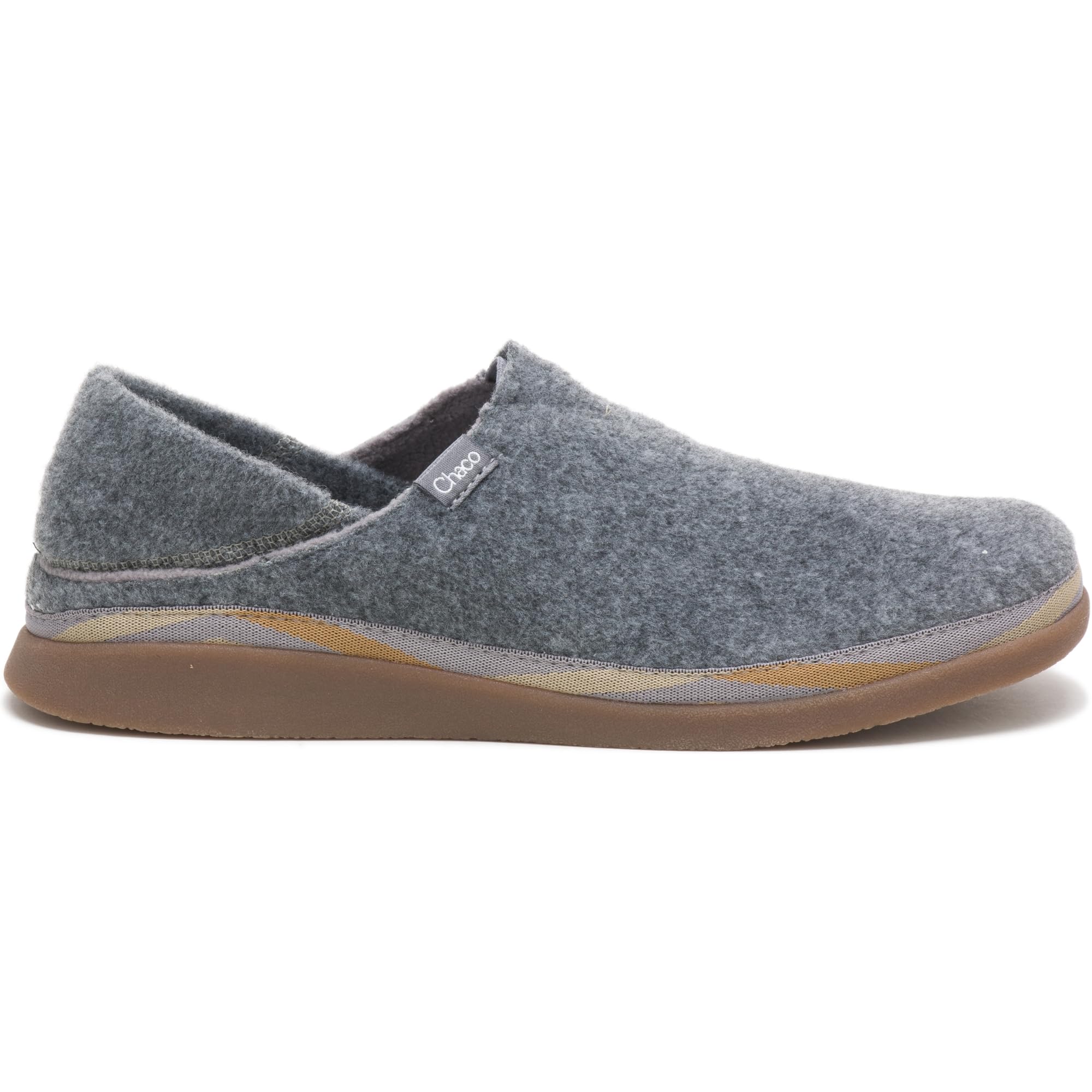
You get a roomy, supportive slip-on that feels like a sensible upgrade to a camp shoe. The Chaco Revel pairs cushioned LUVSEAT arch support with warm fleece-lined uppers so your feet recover after a long hike or a day on the trail.
The rubber sole gives reliable grip for short walks around camp and the step-down heel makes them easy to slide on when you want comfort fast. They work well for car camping, cabin trips, and casual everyday use; if you need a rugged hiking shoe, keep those in your pack and use the Revel for downtime.
What People Say
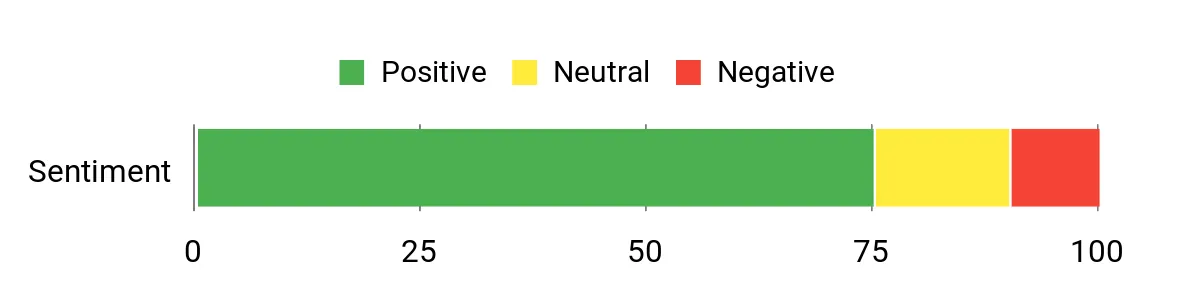
People commonly highlight how comfortable and supportive these feel right out of the box, with many calling out the LUVSEAT arch support and cozy lining. Customers also appreciate the easy on-off fit and sturdy sole for short outdoor use, while a minority mention fit variations or a brief break-in period.
Overall Sentiment: Positive
|
Pros |
Cons |
|---|---|
|
✅ Supportive arch design reduces tired feet |
❌ Not intended for technical hiking or long treks |
|
✅ Warm, fleece-lined uppers for chilly evenings |
❌ Can feel bulkier than ultralight camp slippers |
|
✅ Sturdy rubber outsole for campsite traction |
❌ Some users report fit or sizing inconsistencies |
|
✅ Easy pull-on styling and step-down heel |
Safety
Closed-toe construction shields toes from campsite hazards and the rubber sole provides a protective layer over rough ground. LUVSEAT arch support helps distribute load to reduce strain during extended wear.
Use Cases
Great as a tent shoe, cabin slipper, or casual camp slip-on. You can wear them around the campsite, to the fire, or indoors after a day of activity, but they are not designed for long hikes or technical terrain.
Key Benefits
- APMA-certified LUVSEAT arch support eases foot fatigue
- Fleece-lined felted uppers provide immediate cozy warmth
- Durable rubber sole handles campsite movement with confidence
Rating: 4.2 (total: 143+)
FAQ
How Warm Are Camping Slippers?
Warmth varies by design and materials, so you should match the slipper to your typical conditions. Look for models with thicker fleece, synthetic loft, or aerogel-backed insulation if you expect cold mornings, and remember that heavy insulation trades off packability.
For variable conditions you can rely on a slipper for tent and basecamp warmth and add wool socks on chilly nights to extend their comfort.
Are Camping Slippers Suitable For Outdoor Use?
Some slippers are fine for short trips from tent to fire, but they are not a substitute for hiking footwear on rough or technical terrain. Choose a closed-toe style with a rubber or PVC sole and water-resistant upper if you expect damp grass or quick walks, and avoid relying on slippers for slippery, icy, or rocky routes where traction and support matter.
How Do I Choose Size And Care For Them?
Pick a size that allows room for a sock without feeling sloppy; many people size the same or slightly up for layering. Check the manufacturer’s fit notes and prioritize the features you need, such as insulation or packability. For care, spot clean or hand wash gently, avoid high heat when drying, and allow them to dry fully before packing to prevent odors and material degradation.
Customer Preferences
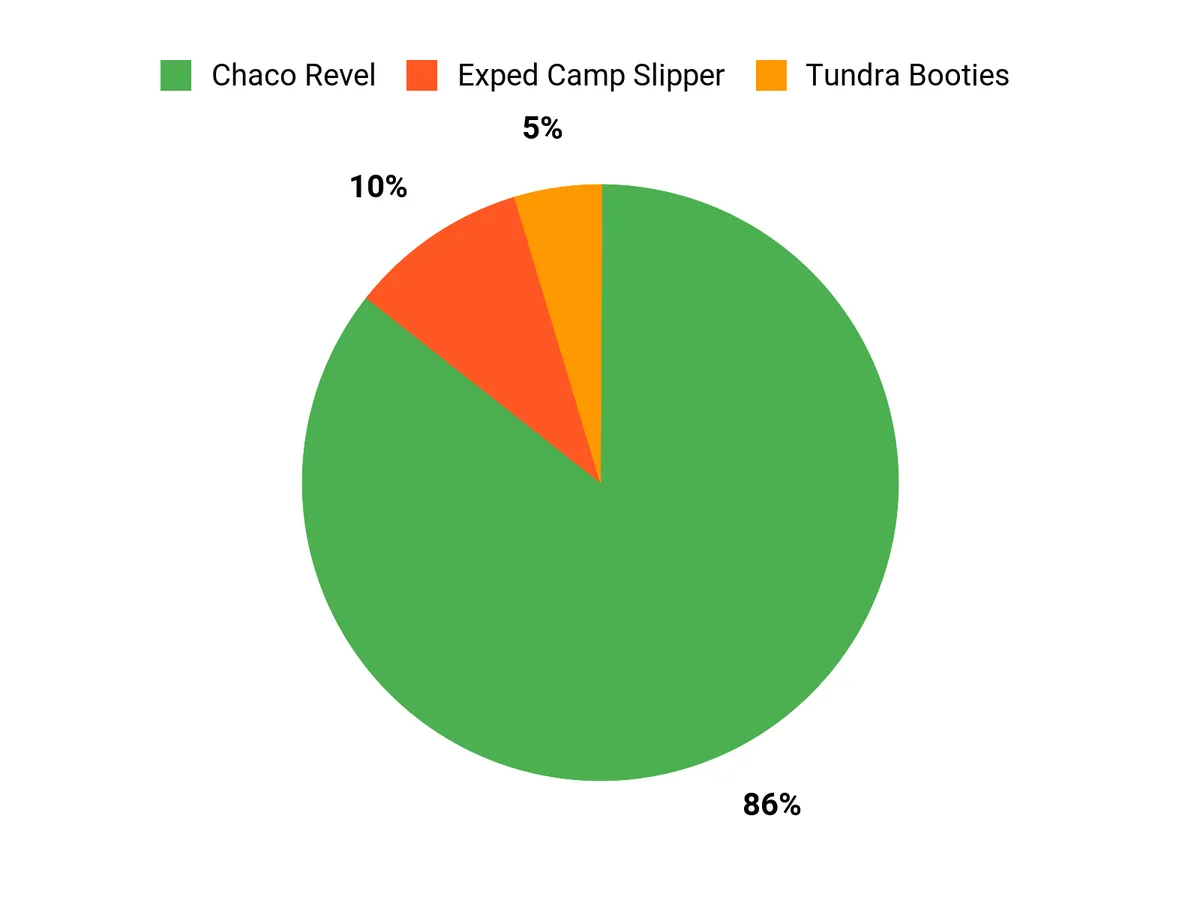
You usually prioritize a trade-off between warmth, packability, and on-foot support: choose the Tundra Booties when insulation is the main concern, the Exped Camp Slipper when minimal weight and compressibility matter, and the Chaco Revel when arch support and everyday comfort are top priorities. Match the slipper to your typical use—basecamp and cold mornings call for insulation and a protective sole, while backpacking favors lightweight, low-bulk designs.
Wrapping Up
Choose based on how you camp. If you prioritize minimal bulk and light weight, the Exped Camp Slipper is ideal for packing into a backpack and gives reliable warmth for its size. If your main need is on-foot comfort and support after a long day, the Chaco Revel delivers cushioned, supportive fit with durable outsoles for campsite movement.
If cold conditions are your concern and advanced insulation matters more than packability, the Tundra Booties use high-performance insulation to keep feet warm. Pay attention to sizing and care instructions to maximize lifespan, and match the slipper to your typical trip style for the best experience.
| Exped Camp Slipper – Dark Violet Medium | Outdoor Research Tundra Aerogel Booties | Chaco Men’s Revel Moccasin | |
|---|---|---|---|
|
|
|
|
|
| Rating | 4.5/5 (2 reviews) | 2.7/5 (2 reviews) | 4.2/5 (143 reviews) |
| Sole Material | Synthetic, Polyvinyl Chloride | Rubber | Rubber |
| Outer Material | Polyester | Neoprene | Fabric, Fleece |
| Closure Type | Pull-On | Zip | Pull-On |
| Weight | 4 ounces | Not specified | 3.7 pounds |
| Shop Now | Shop Now | Shop Now |
This Roundup is reader-supported. When you click through links we may earn a referral commission on qualifying purchases.

