
Last Updated on August 26, 2026 by Daniel Globe
Greece changes noticeably with the seasons, so the best time to visit depends on whether you want archaeological sites, island beaches, hiking, festivals, or a quieter city break. The country has a broadly Mediterranean climate, but conditions vary between the mainland, islands, coast, and mountains. Choosing the right months can make sightseeing more comfortable and help you avoid the busiest part of summer.
Quick Answer
For most travelers, the best time to visit Greece is late April through June or September through October. These shoulder periods usually offer warm weather, comfortable sightseeing, and less peak-season pressure. Choose July and August for the hottest beach weather, while winter works better for cities, mountain villages, museums, and skiing than classic island hopping.
Key Takeaways
- Late April through June: Excellent for archaeological sites, cities, hiking, spring landscapes, and Greek Orthodox Easter traditions.
- July and August: Best suited to travelers prioritizing hot beach weather and a lively island atmosphere, but these are also the busiest and hottest months.
- September and October: Strong all-around months for islands, sightseeing, food, hiking, and cultural travel.
- November through March: Better for Athens, Thessaloniki, mainland towns, mountain escapes, museums, and winter sports than for a full island-hopping itinerary.
- Check conditions for your exact destination: Greece’s mountains, mainland plains, Ionian coast, Aegean islands, and Crete can experience different weather at the same time.
Best Time to Visit Greece by Travel Style
There is no single perfect month for every type of Greek vacation. A beach-focused traveler has different priorities from someone planning to walk around Athens, Delphi, Meteora, or ancient Olympia all day.
| Travel goal | Best general window | Main trade-off |
|---|---|---|
| Ancient sites and city sightseeing | April-May and September-October | Spring evenings can be cool; October becomes wetter in some regions. |
| Beach vacation | June-September | July-August bring the strongest heat and peak demand. |
| Island hopping | May-June and September | Schedules are usually less extensive outside the main tourism season. |
| Hiking and outdoor exploration | April-May and September-October | Mountain conditions can differ sharply from coastal weather. |
| Winter cities and skiing | December-March | Many island-oriented businesses reduce hours or close seasonally. |
The Greek National Tourism Organisation describes Greece’s climate as Mediterranean with long sunshine, mild temperatures, relatively limited rainfall, and significant variation caused by geography, elevation, and the relationship between land and sea. Summer days are generally hot and dry, while mountains remain cooler and are commonly snowy in winter.
Spring: Ancient Sites, Wildflowers, and Easter Traditions
Spring in Greece runs from March through May, although conditions early in March can still feel cool and changeable. By April and May, longer days and greener landscapes make outdoor sightseeing much more comfortable than during the hottest part of summer.
This is an excellent period for exploring the Acropolis and other ancient sites in Athens, taking a mainland trip to Delphi or Meteora, walking through old towns, or hiking before summer heat becomes a major factor. Greece’s official tourism site specifically highlights spring as a strong season for nature, archaeological sites, and cultural exploration.
Greek Orthodox Easter is another major reason to consider a spring trip. The date changes each year, and celebrations differ by region. Good Friday processions, midnight Resurrection services, red-dyed eggs, Easter meals, and local customs are important parts of the season. Corfu, Crete, Nafpaktos, Meteora, and many mainland communities have distinctive traditions.
Note: Orthodox Easter can affect accommodation demand, transportation, restaurant schedules, and opening hours. Check the year’s Easter dates and confirm major attractions before building a tightly timed itinerary. Visit Greece provides examples of regional Easter customs in its official Easter travel guidance.
Pack light layers for spring. Warm afternoons can be followed by cooler evenings, particularly inland or at elevation. Comfortable walking shoes are more valuable than heavy luggage if you plan to spend long days at ruins, historic centers, or hiking trails.
Summer: Beaches, Islands, Festivals, and Peak Heat
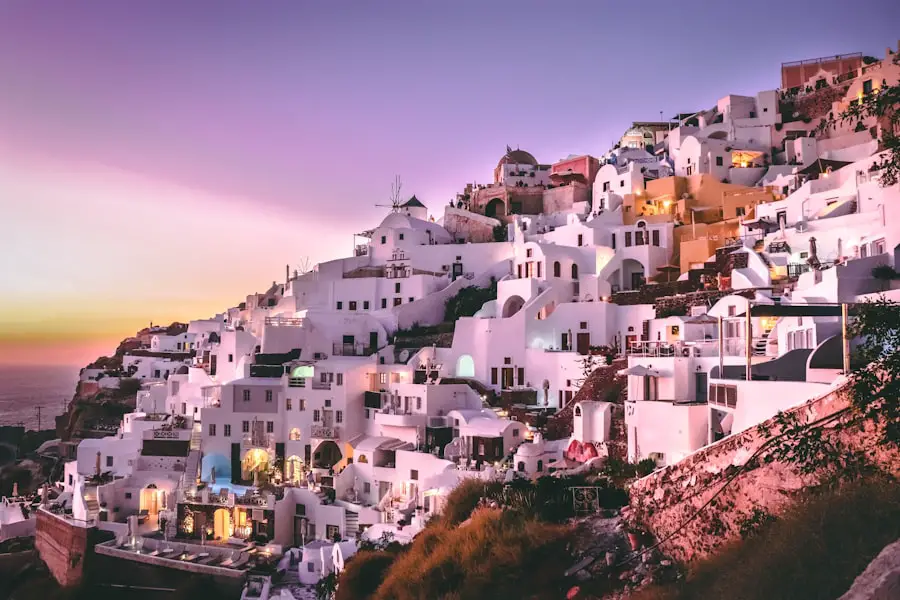
June through August is Greece’s classic beach season. July and August are normally the hottest and busiest months, while June provides a useful compromise for travelers who want summer conditions before the height of peak demand.
In Athens and many mainland areas, daytime temperatures frequently rise above 30°C (86°F). The Hellenic National Meteorological Service publishes climate-normal information showing the sharp rise from spring into midsummer. Islands can feel different because of sea breezes and seasonal Aegean winds, while mountain areas can remain noticeably cooler.
Mykonos, Santorini, Rhodes, Crete, Naxos, Paros, Corfu, and other islands become highly active during summer. Beaches, boat tours, restaurants, nightlife, and water activities operate at full seasonal intensity in many resort areas. This also means popular ports, viewpoints, old towns, and beaches can be crowded.
Summer is an important cultural season as well. The Athens Epidaurus Festival presents a changing annual programme of theatre, music, dance, and other performances in Athens and Epidaurus. Individual islands and towns also hold local religious feasts, concerts, cultural events, and nightlife programmes, so check official destination calendars for your travel dates rather than relying on a fixed annual schedule.
Warning: Summer heat can make midday sightseeing and hiking exhausting or unsafe during heatwaves. Carry water, use sun protection, shift long outdoor activities to morning or late afternoon, and follow official warnings. Greece’s emergency number is 112, which also supports public safety alerts for dangerous situations such as severe weather and wildfires.
Pro Tip: If you want beaches but do not specifically need the peak July-August atmosphere, consider June or September. You can still enjoy a strongly seasonal Greece trip while making long sightseeing days easier.
Fall: Warm September Days and Easier Sightseeing
September through November brings a gradual transition from summer to cooler and wetter conditions. September often remains strongly suited to beach trips, while October is particularly appealing for travelers who want to combine archaeological sites, cities, hiking, food, and islands without midsummer heat.
The table below uses Athens-area climate normals as a planning example rather than a forecast for the entire country. Islands, western Greece, northern Greece, Crete, and mountain areas can differ substantially.
| Month | Typical Athens-area high / low | Travel character |
|---|---|---|
| September | About 29°C / 18°C | Beach weather remains possible; good month for islands and sightseeing. |
| October | About 24°C / 14°C | Comfortable city and archaeological-site weather, with an increasing chance of rain. |
| November | About 18°C / 10°C | Better suited to cities, cultural trips, food, and mainland exploration than a classic beach holiday. |
Fall also overlaps with grape harvests and regional food traditions, making it a rewarding time for travelers interested in wine and local cuisine. Cultural calendars become active in the cities as well. The Athens International Film Festival typically falls around the transition from September into October, while the Thessaloniki International Film Festival is a later-autumn event whose dates should be checked each year.
For hiking, archaeological sites, and photography, fall can be especially practical because long outdoor days are easier once the most intense summer heat has passed.
Winter: Cities, Mountains, Museums, and Fewer Visitors
December through February shows a very different side of Greece. Coastal and island resort areas can become quiet, while Athens, Thessaloniki, historic mainland towns, mountain villages, museums, restaurants, and archaeological attractions continue to offer plenty to do.
Lowland winters are generally milder than those in much of northern Europe, but rain, wind, and cold spells are possible. Mountain areas regularly experience snow. Travelers interested in skiing should look toward established Greek ski destinations such as Parnassos, Kalavryta, Vasilitsa, Pelion, and other developed mountain resorts rather than assuming every famous mountain area has ski infrastructure.
Winter also brings Christmas and New Year’s traditions. Seasonal decorations, religious celebrations, sweets such as melomakarona and kourabiedes, and the New Year’s Vasilopita cake are part of the festive period in many communities.
The biggest trade-off is that winter is not the strongest season for a conventional Greek-island holiday. Some tourism-oriented hotels, restaurants, tours, and other businesses operate limited hours or close until spring, although inhabited islands themselves do not simply shut down.
Special Considerations for Traveling to the Greek Islands
Ferry Schedules Change Throughout the Year
Ferries link mainland ports with many Greek islands and connect numerous islands with one another, but route frequency and vessel availability are not identical throughout the year. Summer generally offers the widest choice on major tourism routes, while some connections are reduced outside the main season.
Operators publish date-specific schedules, so confirm your exact sailing before booking non-refundable hotels around a tight connection. For example, SeaJets publishes its current route schedule and updates itineraries as schedules are released.
Plan the Island Order Before Booking Hotels
A common mistake is choosing several islands first and only later checking whether the ferry sequence works efficiently. Build your itinerary around actual transportation links. Two or three well-connected bases are often more enjoyable than rushing through many islands and spending a large part of the trip in ports.
Choose Islands for Your Travel Style
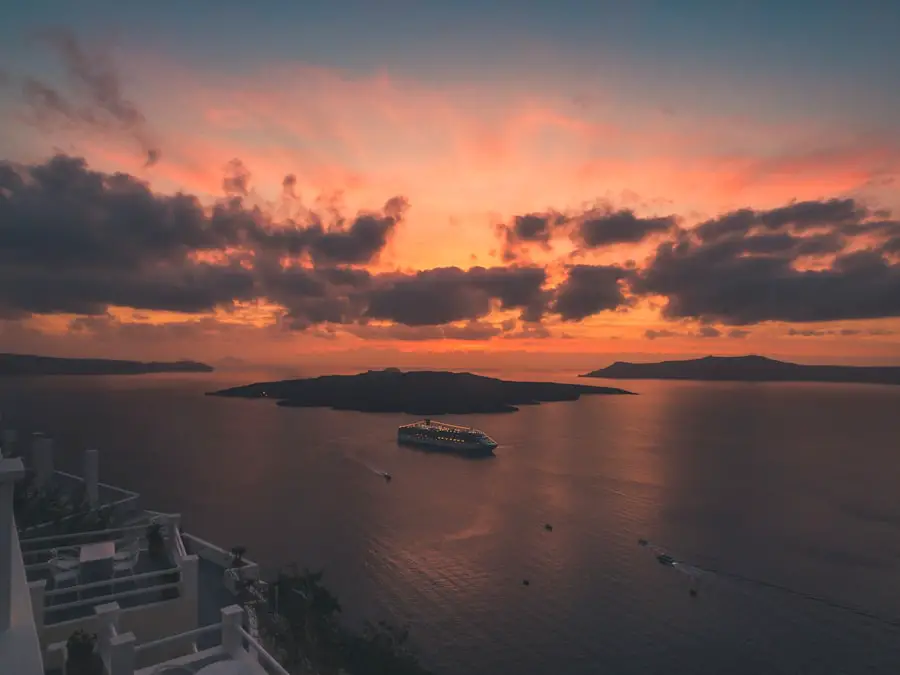
Santorini is famous for its caldera scenery, sunsets, volcanic landscape, and whitewashed settlements, while Mykonos is strongly associated with beaches, nightlife, and Cycladic architecture. Naxos and Paros combine beaches, villages, food, and outdoor activities and can suit travelers who want a different pace.
Crowd levels vary by month and even by time of day, so no island should automatically be described as uncrowded. Traveling in May, June, late September, or October can change the experience significantly compared with the busiest weeks of July and August.
Crowds, Prices, and When to Book
July and August generate strong demand in famous island destinations and coastal resorts. That can mean fuller hotels, more competition for ferry seats and tours, and crowded viewpoints or beaches. Exact prices vary too much by island, hotel category, flight market, and booking date to promise that one month will always be cheaper.
Spring and fall generally give travelers more flexibility than the height of summer, particularly if the trip centers on Athens, mainland archaeology, hiking, or less resort-focused destinations. However, Greek Easter, major festivals, local holidays, and special events can create temporary demand spikes even outside July and August.
For peak-season island travel, book the most important accommodation and inter-island transportation first. For shoulder-season trips, confirm that seasonal tours, ferries, and hotels are operating on your exact dates before building the rest of the itinerary.
Tips for Making the Most of Each Season in Greece
Spring
- Pack layers for warm afternoons and cooler mornings or evenings.
- Use comfortable footwear for archaeological sites and old-town streets.
- Check Greek Orthodox Easter dates before booking transportation and major attractions.
- Consider mainland nature and hiking while landscapes are greener and temperatures are moderate.
Summer
- Carry water, sunscreen, a hat, and light breathable clothing.
- Visit exposed archaeological sites early or later in the day when possible.
- Allow extra time for busy ports and transfers on popular islands.
- Pay attention to official weather, wildfire, wind, and 112 emergency alerts.
Fall
- September works well for travelers combining beaches with sightseeing.
- Carry a light rain layer as autumn progresses.
- Look for harvest-related food and wine experiences.
- Use cooler conditions for hiking and long archaeological-site days.
Winter
- Prioritize Athens, Thessaloniki, mainland towns, museums, food, and mountain destinations.
- Pack proper cold-weather clothing for inland and elevated areas.
- Verify island hotels, tours, ferries, and restaurant schedules before committing to a winter island itinerary.
- Check snow and resort operating conditions immediately before a ski trip.
Choosing the Best Time for Your Greek Adventure
For a first trip built around Athens, ancient sites, islands, and outdoor sightseeing, late April through June and September through October offer the strongest balance for many travelers. You avoid relying on the coolest part of winter while reducing exposure to the most intense combination of summer heat and peak-season demand.
That does not make July and August bad months. They are ideal for travelers who specifically want hot weather, lively islands, beach days, and a full summer atmosphere. Likewise, winter can be rewarding if your priorities are cities, museums, food, mountain villages, skiing, or a quieter side of Greece.
The most useful approach is to choose the season around the activities you value most, then check weather forecasts, ferry timetables, attraction hours, and local events for the exact destinations on your itinerary. Greece’s geography creates enough variation that planning for “Greece weather” as one uniform climate can lead to unnecessary surprises.
Sources
- Greek National Tourism Organisation — Travel Tips and Weather — official overview of Greece’s climate, weather variation, and travel information.
- Hellenic National Meteorological Service — Climate Data — official temperature and climatic-normal information.
- Athens Epidaurus Festival — official programme and event information.
- Visit Greece — Easter: The Authentic Roumeli — official information on Greek Orthodox Easter traditions.
- SeaJets Route Schedule — current ferry route and itinerary information.
- Greek Ministry of Climate Crisis and Civil Protection — 112 — official emergency-number and public-alert information.
Frequently Asked Questions
What is the best time to travel to Greece?
For many first-time visitors, late April through June and September through October provide the best balance of comfortable sightseeing weather, active tourism services, and less peak-season pressure. July and August are better if hot beach weather and a lively summer atmosphere are your top priorities.
What is the weather like during the best months to visit Greece?
Spring becomes progressively warmer from April into June, while September often retains summer-like warmth before temperatures cool in October. Conditions vary considerably between Athens, northern Greece, Crete, the Aegean and Ionian islands, and mountain regions, so check climate data and a local forecast for your exact destination.
Is Greece crowded in May, June, September, or October?
These months can still be busy in famous destinations such as Athens, Santorini, and Mykonos, but they generally avoid the concentrated peak-season pressure of the busiest July and August weeks. Major holidays, cruise traffic, festivals, and local events can still create crowded days.
When is the best time for Greek islands and beaches?
June through September is the strongest general window for a beach-focused trip. July and August provide peak summer conditions and the liveliest resort atmosphere, while June and September can offer a more balanced combination of beach time and sightseeing.
Are there festivals during the best time to visit Greece?
Yes. Greek Orthodox Easter is a major spring celebration, while the Athens Epidaurus Festival is an important part of the summer cultural calendar. Athens also hosts an international film festival around early autumn, while the Thessaloniki International Film Festival is generally a later-autumn event. Exact dates change, so check official programmes for the year you travel.
Do Greek ferries run all year?
Many important ferry routes operate year-round, but frequency and connections vary by route and season. Summer generally provides more tourism-oriented connections, while some services are reduced outside the main season. Always confirm your exact sailing with the operator before booking accommodation around it.
What activities are best during the shoulder seasons?
Spring and fall are particularly good for archaeological sites, hiking, city walking, photography, food and wine trips, mainland road trips, and island exploration. The milder conditions make long outdoor sightseeing days easier than during the hottest part of summer.
Is Greece worth visiting in winter?
Yes, especially for Athens, Thessaloniki, museums, food, historic mainland towns, mountain villages, and skiing. Winter is less suitable for travelers whose main goal is a classic beach-and-island itinerary because some tourism-oriented businesses and ferry connections operate on reduced seasonal schedules.
