

Last Updated on July 27, 2026 by Daniel Globe
Anguilla is a small British Overseas Territory in the eastern Caribbean, just north of Saint Martin and east of Puerto Rico. The island covers about 35 square miles and had an estimated population of 16,010 as of December 2024. Its white-sand beaches, clear water, locally owned restaurants, luxury resorts, traditional boat racing, and relaxed pace attract travelers throughout the year.
Anguilla’s history reaches back to successive Amerindian communities, including Arawak people who established villages and ceremonial sites on the island. The English colonized Anguilla in 1650, and African and British influences remain visible in its food, music, festivals, language, and community traditions.
Quick Answer
The best time to visit Anguilla for generally drier weather is from mid-December through April. Visit in May, June, late November, or early December for a better balance of weather, lower demand, and quieter beaches. Mid-August through October is usually the quietest period but carries greater rain, storm, and closure risk.
Key Takeaways
- Best overall weather: January through March usually combines warm temperatures with some of the year’s lower rainfall.
- Best balance of value and weather: May, June, late November, and early December.
- Best for major cultural celebrations: Late July and early August during the Anguilla Summer Festival.
- Quietest period: Mid-August through October, although some businesses reduce hours or close temporarily.
- Hurricane planning: The Atlantic hurricane season officially runs from June 1 through November 30, with the greatest historical activity concentrated from mid-August through mid-October.
Disclosure: As an Amazon Associate I earn from qualifying purchases. Some links on this page are affiliate links, at no extra cost to you.
Best Time to Visit Anguilla at a Glance
| Travel period | Typical conditions | Crowds and costs | Best for |
|---|---|---|---|
| Mid-December to April | Warm, breezy, and generally drier | Highest demand and usually the highest lodging rates | First visits, honeymoons, beach trips, and winter escapes |
| May to June | Hotter, with a greater chance of showers but many pleasant days | Lower demand than winter and potentially better accommodation offers | Value, quieter beaches, food events, and boating |
| July to early August | Hot and humid within hurricane season | Generally below winter demand, but festival dates can be busy | Summer Festival, boat racing, music, and local culture |
| Mid-August to October | Warmest, wetter, and within the most active part of hurricane season | Quietest period; some businesses may close or reduce schedules | Flexible travelers prioritizing solitude and possible savings |
| November to mid-December | Rain risk gradually eases, although conditions vary | Quieter before holiday demand increases | Shoulder-season value and a calmer island atmosphere |
Peak Season: December to April
Generally Drier Beach Weather
Mid-December through April is the most popular time to visit Anguilla. Days are warm rather than cool, but humidity and rainfall are generally lower than during the wetter part of the year. January, February, and March are especially attractive to travelers escaping colder climates.
These months are well suited to swimming, snorkeling, sailing, beach dining, and day trips to offshore cays. Sea and wind conditions can still change from one beach to another, so check local flags and operator advice instead of assuming that every coast will be calm.
Higher Demand for Flights and Accommodations
Better-known resorts, villas, and beachfront properties can fill well ahead of winter holidays, school breaks, and Easter. Air connections may also be more plentiful during the high season, but popular travel dates usually cost more.
Reserve early when your dates are fixed. Compare the total price rather than only the nightly rate, including taxes, service charges, transfers, meals, and cancellation terms. Resort credits and packages change frequently and should be verified directly with the property.
Pro Tip: Travelers seeking high-season weather without the Christmas and New Year rush should compare late January, February, and March dates. Book refundable options when possible, especially when flights require a connection through another Caribbean island.
Dining, Music, and Evening Entertainment
Peak season brings a fuller schedule at beachfront restaurants, resorts, live-music venues, and beach bars. Visitors can sample fresh seafood, Anguillian crayfish when available, johnnycakes, grilled fish, and modern Caribbean dishes at settings ranging from casual roadside stops to fine-dining restaurants.
Nightlife in Anguilla is more relaxed than in large resort destinations. Beach gatherings, live bands, sunset drinks, and restaurant entertainment are more common than large nightclubs. Event schedules vary by night, so confirm performances with the venue.
Shoulder Season: May to June and November to Mid-December
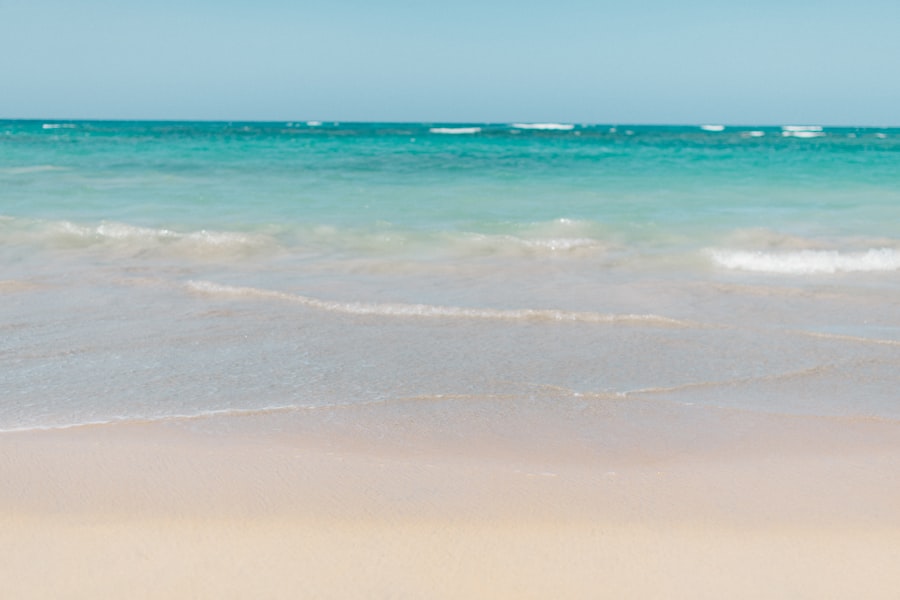
May and June can provide one of the strongest combinations of warm weather, thinner crowds, and lower demand than winter. The days become hotter, and showers are more likely, but many travelers still experience long periods suitable for beaches and water activities.
November through mid-December is another possible shoulder period. Rainfall can remain elevated early in November, and the official hurricane season continues through November 30. However, the island often begins moving toward its busier winter schedule as December approaches.
Shoulder-season accommodation offers may include lower nightly rates, free-night promotions, meal credits, or other incentives. These promotions are not guaranteed, so compare current terms across resorts, guesthouses, apartments, and villas.
Restaurants and attractions are often easier to enjoy without peak-season reservations. Visitors can spend more time at quieter locations such as Little Bay, Shoal Bay East, Meads Bay, Island Harbour, and the Heritage Collection Museum.
Low Season and the Quietest Months
Late summer and early fall bring Anguilla’s lowest general visitor demand. July and early August can still feel lively because of boat races, beach parties, and the Anguilla Summer Festival. From mid-August through October, the island becomes much quieter.
This period can appeal to travelers who value empty beaches and flexible schedules. It also involves important trade-offs: heat, humidity, heavier rainfall, possible tropical systems, fewer flight choices, and temporary closures or reduced hours at some resorts, restaurants, galleries, and excursion businesses.
Warning: Do not book a late-summer or fall trip on the assumption that Anguilla will avoid hurricanes. Choose flexible reservations, consider insurance that covers relevant weather disruptions, monitor official forecasts, and follow instructions from local authorities.
Weather and Climate in Anguilla
Anguilla has a warm tropical maritime climate. The Government of Anguilla reports a monthly mean temperature near 80°F and average annual rainfall of about 35 inches, although actual totals can vary greatly from one year to the next.
The table below uses recent monthly observations published by the Anguilla Statistics Department. Temperatures are averages of reported monthly means for 2022–2025. Rainfall values are averages of monthly totals for 2013–2025, with unavailable values excluded. These are observations rather than a promise of future weather.
| Month | Recent average temperature | Recent average rainfall | Planning note |
|---|---|---|---|
| January | 26.3°C / 79.3°F | 1.8 in / 45 mm | Popular, warm, and generally drier |
| February | 26.2°C / 79.2°F | 1.4 in / 35 mm | Historically among the driest periods |
| March | 26.6°C / 79.9°F | 1.4 in / 36 mm | Strong beach-weather choice with high demand |
| April | 26.7°C / 80.1°F | 1.5 in / 39 mm | Warm high-season conditions; Easter can be busy |
| May | 28.1°C / 82.6°F | 3.2 in / 81 mm | Hotter shoulder-season option with food and sailing events |
| June | 29.1°C / 84.4°F | 1.4 in / 35 mm | Hurricane season begins, although rainfall varies sharply by year |
| July | 29.2°C / 84.7°F | 2.6 in / 67 mm | Hot, quieter than winter, with summer events beginning |
| August | 29.6°C / 85.3°F | 2.9 in / 75 mm | Summer Festival early in the month; storm risk increases later |
| September | 29.6°C / 85.2°F | 3.1 in / 78 mm | Very quiet and within peak Atlantic hurricane activity |
| October | 29.1°C / 84.4°F | 5.8 in / 149 mm | Recent observations show substantially higher average rainfall |
| November | 28.1°C / 82.5°F | 5.6 in / 143 mm | Wet-season risk continues but usually eases toward December |
| December | 26.9°C / 80.5°F | 2.9 in / 74 mm | Transitions into high season; holiday demand rises sharply |
Note: Monthly rainfall averages can hide major year-to-year differences. A normally dry month can still have a storm, while a wet-season visit may include several sunny days. Check the short-range forecast near departure rather than relying only on historical averages.
Anguilla Hurricane Season
The Atlantic hurricane season officially runs from June 1 through November 30, with historical activity peaking around September 10 and most activity concentrated from mid-August through mid-October.
Travel during hurricane season is not automatically unsafe or rainy every day, but it requires more flexibility. A named storm can disrupt flights, ferries, utilities, accommodations, and activities even when its center does not pass directly over Anguilla.
Review cancellation policies before paying, check whether insurance covers the disruptions that concern you, and follow updates from the US National Hurricane Center, the Government of Anguilla, your airline, ferry operator, and accommodation provider.
Special Events and Festivals
Anguilla’s calendar can influence the best time to visit as much as its weather. Events showcase the island’s music, food, seafaring heritage, and national sport of traditional boat racing. Exact dates change, so confirm the current schedule through the official Visit Anguilla events guide.
Moonsplash and Festival Del Mar
Moonsplash is traditionally held in March or April at the Dune Preserve on Rendezvous Bay. The reggae festival is associated with Anguillian musician Bankie Banx, but travelers should verify that year’s dates before organizing flights around it.
Festival Del Mar takes place around Easter in Island Harbour. The two-day celebration normally features seafood, fishing, swimming, cooking competitions, music, and boat racing.
Anguilla Culinary Experience
The Anguilla Culinary Experience is a destination-wide food and wine festival involving restaurants, resorts, villas, local chefs, and visiting culinary talent. The 2026 edition took place from May 13 through May 17. Future dates and ticketed events should be checked on the official Anguilla Culinary Experience website.
Anguilla Day and the Anguilla Regatta
Anguilla Day commemorates the beginning of the 1967 Anguilla Revolution and is celebrated around late May or early June, depending on the official holiday calendar. Ceremonies, cultural events, fireworks, and traditional boat racing may accompany the celebration.
The Anguilla Regatta is generally associated with May and celebrates sailing and traditional boat racing. It is better suited to late-spring travelers than those visiting strictly during the December-to-April peak season.
Anguilla Summer Festival
The Anguilla Summer Festival takes place in late July and early August. It is a carnival-style celebration with music, dance, street parades, beach parties, food, and boat races. This is one of the liveliest times to experience local culture, even though it falls within hurricane season.
Festival travel requires a different booking strategy from an ordinary low-season trip. Reserve suitable accommodation and transport early, then confirm event times close to arrival.
Budget-Friendly Travel in Anguilla

Anguilla is known for luxury lodging and dining, but travelers can control costs by choosing their dates and travel style carefully. May, June, late November, and early December may offer lower demand without the greater operational uncertainty of September and October.
Compare guesthouses, apartments, and vacation rentals with full-service resorts. A kitchen can reduce breakfast and lunch costs, although travelers should include transportation and grocery expenses when comparing the total value.
Local restaurants, bakeries, barbecue stands, and casual beach establishments often cost less than resort dining while providing a closer look at Anguillian food. Fresh produce, drinks, snacks, and simple meals are also available from supermarkets and local shops.
Free or lower-cost activities include visiting Anguilla’s public beaches, walking in settled scenic areas, browsing galleries, watching traditional boat races, and exploring different villages by car. Offshore cays, diving, fishing, and private boat charters generally require a larger activity budget.
Anguilla has no extensive public bus system. Taxis and rental vehicles are the main options for visitors, so transportation should be included in the trip budget. Drivers use the left side of the road and need a temporary Anguillian driving permit, which rental providers can normally arrange.
Activities and Attractions
Anguilla’s beaches remain its main attraction. Shoal Bay East is known for a long stretch of pale sand, while Meads Bay combines a broad beach with restaurants and resorts. Rendezvous Bay, Maundays Bay, Little Bay, Sandy Ground, and Island Harbour each provide a different setting.
Kayaking, paddleboarding, sailing, swimming, snorkeling, fishing, and diving are available during much of the year. Conditions can vary by coast and day. Offshore destinations such as Prickly Pear Cays and Sandy Island are accessible by boat when marine conditions permit.
Warning: Use qualified water-sports and diving operators, inspect safety equipment, and confirm that your travel insurance covers the planned activity. Anguilla does not have local facilities for treating decompression sickness.
Beyond the beaches, the Heritage Collection Museum presents parts of the island’s Amerindian, colonial, and modern history. Local galleries display paintings, prints, sculpture, and work inspired by Anguilla’s landscapes and culture. The Crocus Hill area offers elevated views over an otherwise low-lying island.
Traditional boat racing deserves special attention. It developed from Anguilla’s maritime history and is now a national passion, with races held during holidays and festivals. Spectators gather along beaches, roads, and hillsides to support individual boats and crews.
Choosing the Ideal Time for Your Anguilla Adventure
Choose January through March when your priority is generally drier weather and a full selection of restaurants, resorts, and excursions. Expect stronger demand and higher trip costs.
Choose May or June when you want warmer weather, fewer visitors, and possible shoulder-season value. May is particularly attractive for food, sailing, and national celebrations, although event dates vary.
Choose late July or early August when the Anguilla Summer Festival and traditional boat racing are central to your trip. Prepare for hotter weather and hurricane-season flexibility.
Choose late November or early December when you prefer a quieter island before peak holiday demand. Conditions are less predictable than in February or March, but the timing may provide a useful compromise.
Choose mid-August through October only when your schedule is highly flexible. These months can deliver quiet beaches and lower demand, but they also carry the greatest combination of storm risk, heavier rainfall, transport disruption, and temporary business closures.
Packing for the Journey
Pack lightweight clothing, sun protection, insect repellent, swimwear, comfortable footwear, and a light rain layer. Travelers may also find wired noise-cancelling earbuds for flights, universal travel adapters, and packing cubes useful for the journey.
Frequently Asked Questions
What is the best time to travel to Anguilla?
Mid-December through April is generally best for drier weather and the widest selection of visitor services. January through March is a particularly strong choice. May, June, late November, and early December can offer a better balance of value and lower demand.
What is the weather like during Anguilla’s high season?
High-season weather is warm and generally drier, with recent monthly mean temperatures around 26°C to 27°C from January through April. Rain and rough-water days remain possible, so no travel period guarantees perfect beach conditions.
Is May a good month to visit Anguilla?
Yes. May is hotter and can be wetter than February or March, but it often provides lower demand, warm sea conditions, and access to events such as the Anguilla Culinary Experience, the Anguilla Regatta, and celebrations connected with Anguilla Day.
Is November a good time to visit Anguilla?
November can be a useful shoulder-season choice, especially later in the month. However, it remains within hurricane season and has historically been among Anguilla’s wetter months. Flexible reservations are advisable.
When is hurricane season in Anguilla?
The official Atlantic hurricane season runs from June 1 through November 30. Historical Atlantic activity peaks around September 10, with most activity occurring from mid-August through mid-October.
Should I avoid Anguilla in September and October?
September and October are not guaranteed to have bad weather, but they involve the greatest risk of tropical disruption, heavier rainfall, and seasonal closures. They are best for flexible travelers who understand the trade-offs and have suitable cancellation or insurance protection.
Are there festivals during the best travel months?
Yes. Moonsplash and Festival Del Mar are traditionally associated with March, April, or Easter. May can bring the Anguilla Culinary Experience, the Anguilla Regatta, and Anguilla Day celebrations. The Summer Festival takes place in late July and early August. Confirm annual dates before booking.
Is Anguilla more expensive from December to April?
It usually is. Winter demand can increase accommodation and flight costs, particularly around Christmas, New Year, school breaks, and Easter. May, June, late November, and early December may offer better value without the deepest low-season reductions in services.
Does rain in Anguilla usually last all day?
Some showers are brief, while disturbed tropical weather can produce longer periods of rain. Historical monthly totals cannot predict the timing or duration of rain during a particular visit, so check the local forecast near departure.
Sources
- Government of Anguilla: Anguilla Facts — island size, location, average temperature, rainfall, electricity, and currency.
- Anguilla Statistics Department: Climate Data — official monthly rainfall and temperature observations from Clayton J. Lloyd International Airport.
- Caribbean Regional Climate Centre: Anguilla Rainfall — historical wettest and driest months and seasonal rainfall patterns.
- US National Hurricane Center: Tropical Cyclone Climatology — official hurricane-season dates and historical peak activity.
- Visit Anguilla: Festivals and Events — Moonsplash, Festival Del Mar, the Anguilla Regatta, Summer Festival, and other cultural events.
- UK Government: Anguilla Safety and Security — hurricane, transport, swimming, and diving safety guidance.

