
Last Updated on July 31, 2026 by Daniel Globe
Amsterdam changes character with every season, so the best time to visit depends on what you want most: tulips, festivals, mild cycling weather, quieter museums, or lower hotel rates. Late April through May offers the classic spring experience, while September and early October usually provide the best balance of comfortable weather, cultural events, and more manageable crowds.
Quick Answer
The best overall time to visit Amsterdam is late April through May for tulips and spring scenery, or September through early October for mild weather and fewer peak-summer crowds. Choose January through March for lower prices, summer for major outdoor festivals, and late November through January for lights and holiday atmosphere.
Key Takeaways
- Best for tulips: Mid-April to early May, with Keukenhof and the citywide Tulp Festival as the main draws.
- Best weather-to-crowd balance: September to early October.
- Best for festivals: Summer, especially Pride season, outdoor concerts, and canal events.
- Best for lower prices: January through March, excluding holidays and special-event weekends.
- Best planning advice: Reserve major museums, Keukenhof, and popular canal cruises before arrival.
Best Time to Visit Amsterdam at a Glance
| Late March to May | Best for: Tulips, Keukenhof, King’s Day, parks, and spring photography. Tradeoff: Late April and early May can be crowded and expensive. |
| June to August | Best for: Long daylight, terraces, festivals, parks, and evening canal cruises. Tradeoff: Peak crowds, higher room rates, and busy weekends. |
| September to October | Best for: Mild walking and cycling weather, autumn color, museums, and cultural events. Tradeoff: ADE and other major event dates can raise demand. |
| November to February | Best for: Museums, cafés, holiday lights, and lower off-peak rates after New Year. Tradeoff: Short daylight, wind, rain, and occasional cold snaps. |
Note: Amsterdam weather is changeable in every season. Pack layers and a light waterproof jacket even when the forecast looks dry.
Spring: Tulips, King’s Day, and Mild Weather
As winter fades, Amsterdam’s canals, parks, and streets brighten with new leaves and spring flowers. April is the center of tulip season in the city, but the exact bloom depends on temperatures and weather conditions. The annual Tulp Festival Amsterdam runs throughout April and places hundreds of thousands of tulips in public spaces, parks, squares, museum gardens, and neighborhoods across the capital.
The most famous spring-flower destination is Keukenhof in Lisse, outside Amsterdam. The 32-hectare park is planted with about 7 million flower bulbs each year, including hundreds of tulip varieties along with daffodils and hyacinths. Keukenhof opens for roughly eight weeks each spring. The next announced season runs from March 18 to May 9, 2027, but travelers should always confirm dates and buy timed tickets on the official website.
When to See the Best Tulips
Mid-April to early May is usually the safest window for a broad range of outdoor tulips, although no date guarantees peak bloom. Earlier visits may feature crocuses, daffodils, and early tulips, while later visits can bring fuller outdoor displays but a greater chance that warm weather has pushed some varieties past their peak.
Pro Tip: Visit Keukenhof on a weekday near opening time, then spend a separate day following Tulp Festival locations inside Amsterdam. Keukenhof is not in central Amsterdam, so allow time for the trip to Lisse.
King’s Day and Spring Crowds
Spring is beautiful, but it is not always quiet. King’s Day is celebrated on April 27 with street parties, markets, music, and large crowds. Hotels and transport can fill quickly around the holiday. Travelers who want flowers without the biggest celebration crowds should avoid the immediate King’s Day weekend or stay outside the busiest central districts.
Summer: Festivals and Outdoor Activities
Amsterdam Pride: A Celebration of Love and Acceptance
Amsterdam Pride is one of the city’s most anticipated summer celebrations, combining LGBTQIA+ visibility, community events, parties, cultural programming, and the famous Canal Parade. In 2026, Amsterdam hosts WorldPride from July 25 through August 8, with the Canal Parade scheduled for August 1. Dates and routes change by year, so check the official program before booking.
The Canal Parade sends decorated boats through the city’s waterways as spectators gather along bridges and canal edges. It is festive and crowded, so arrive early, follow local safety directions, and reserve accommodation well in advance.
Outdoor Activities in the City
Summer brings long daylight hours and a lively outdoor atmosphere. Vondelpark fills with picnics, casual sports, and seasonal performances. Visitors can walk along the canals, sit on a terrace, take an evening boat tour, or rent a bicycle to explore beyond the historic center.
Warning: Amsterdam’s bike lanes are working traffic routes, not sightseeing paths. Do not stand in them, cross without looking, or rent a bike unless you are confident riding around trams, scooters, pedestrians, and fast local cyclists.
Savoring the Flavors of Amsterdam
Summer food events showcase local restaurants, chefs, and international cuisines. Festival brands and dates can change, so verify the current calendar rather than relying on an old event name. Bite of Amsterdam is the current official food-festival brand associated with Amstelpark. Markets such as Albert Cuyp also offer year-round opportunities to try stroopwafels, cheese, herring, and other Dutch specialties.
Fall: Cultural Events and Autumn Colors
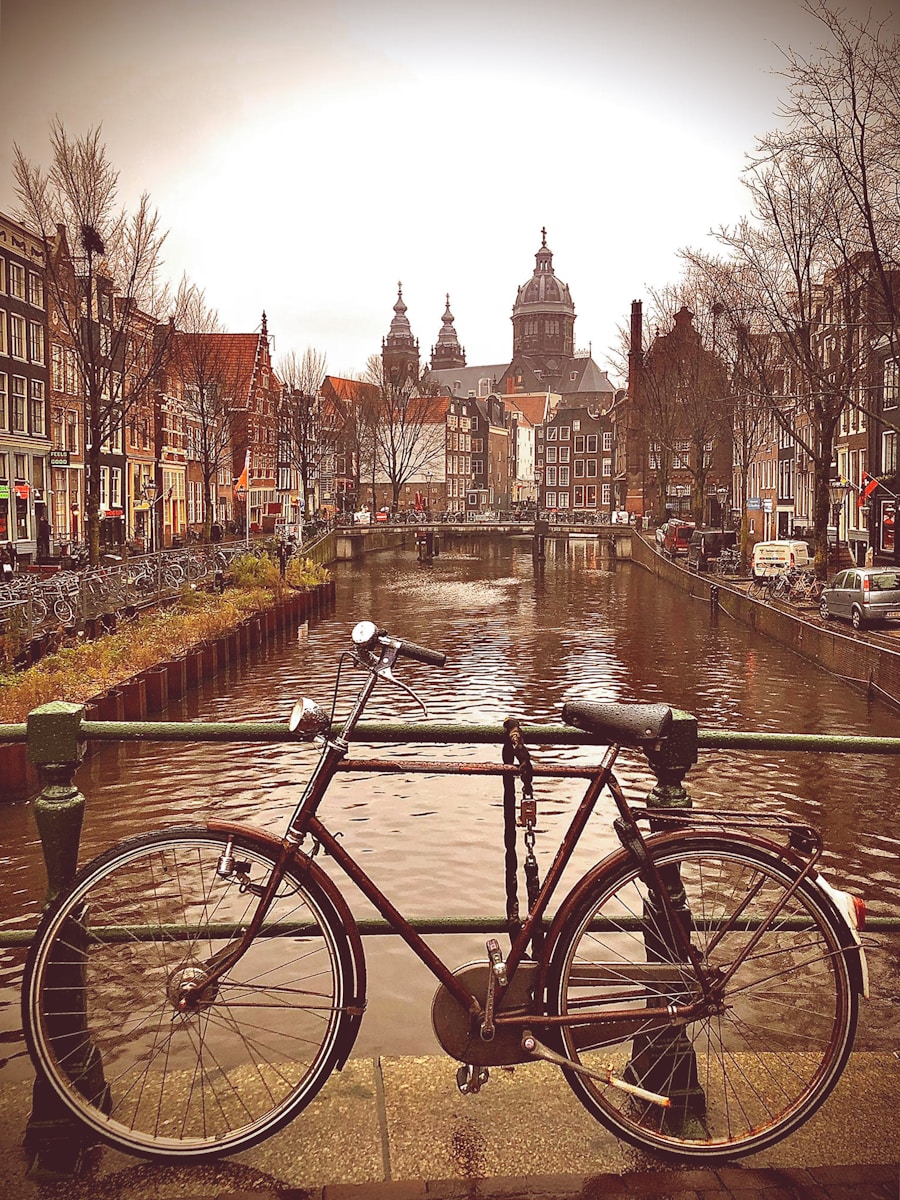
As summer fades, Amsterdam’s parks and tree-lined canals shift to gold, red, and brown. September and early October are especially appealing for walking and cycling because the weather is often comfortable and the busiest summer crowds have begun to ease.
The Amsterdam Dance Event (ADE) is a major exception to the quieter-fall pattern. ADE 2026 takes place from October 21 through 25, bringing conferences, performances, and nightlife events to venues across the city. Music fans should book early, while travelers seeking a calm visit may prefer dates outside ADE.
Fall also suits museum and gallery trips. The city’s major institutions, including the Rijksmuseum and Van Gogh Museum, remain popular, but cooler weather makes indoor cultural days more attractive. The event formerly described as Amsterdam Art Weekend is now presented as Amsterdam Art Week; the 2026 edition is scheduled for November 18 through 22.
Another cultural option is Open Monumentendag Amsterdam. On September 12 and 13, 2026, selected historic and modern buildings open for special access and programming. Annual details vary, so check the official list of participating sites.
Winter: Holiday Markets and Ice Skating
| Winter period | What to expect | Planning note |
| Late November to early January | Light installations, decorations, seasonal markets, and busy holiday weekends | Reserve rooms and evening canal cruises early |
| January after New Year | Short days, colder weather, and generally lighter tourism | Good period for museums and hotel deals |
| February | Cold, wind, rain, and occasional bright days | Build an indoor backup plan for each day |
Winter gives Amsterdam a quieter, more atmospheric feel. The Amsterdam Light Festival places light artworks along the canals and streets. The 2026–2027 edition is scheduled from November 26, 2026, through January 17, 2027, making an evening walk or canal cruise one of the season’s signature experiences.
Holiday markets and temporary skating rinks may appear around Museumplein and other locations, but these are seasonal operations rather than guaranteed permanent attractions. Confirm the current Ice Village, rink, and market dates before building a trip around them. When open, stalls commonly sell warm drinks, stroopwafels, poffertjes, snacks, and handmade gifts.
Winter weather can be damp and windy, and daylight is limited. The reward is a cozy café culture, easier museum-focused itineraries after the holiday rush, and the possibility of lower accommodation prices in January and February.
Off-Peak Season: Avoiding Crowds and Saving Money
January through March is usually Amsterdam’s clearest off-peak window, especially after New Year and before the main tulip season. Hotel rates can be lower, restaurant reservations may be easier, and neighborhoods such as Jordaan and De Pijp feel less overwhelmed by visitor traffic.
Off-peak does not mean empty. The Anne Frank House, Van Gogh Museum, and Rijksmuseum remain popular throughout the year, and indoor attractions become more attractive during cold or rainy weather. Special exhibitions, school holidays, conferences, and weekends can also create local demand.
The lowest-crowd season can still require advance tickets: Amsterdam’s most popular museums use timed entry and may sell out even in winter.
Travelers who value budget and atmosphere over flowers and outdoor festivals may find late January, February, or early March especially rewarding. Bring waterproof outerwear and plan a mix of museums, cafés, canal-house interiors, and flexible outdoor walks.
Products Worth Considering

【Waterproof & Breathable Outdoor Shield】: Keep dry and comfortable in all-day snowstorms. Our ski jacket features a 10000mm waterproof rating and 5000g breathability, offering reliable protection against heavy snow and rain while allowing sweat vapor to escape

Waterproof Windproof Snow Ski Jacket, also can fights bad rainy or misty weather, Keep your body always dry and comfortable when you are outside.

Waterproof: This men's winter jacket has a waterproof and breathable index of up to 10000 * 5000, , effectively blocking moderate rain and snow, keeping inner dry and comfortable, ensuring worry free outdoor activities throughout
Shoulder Seasons: Mild Weather and Fewer Tourists
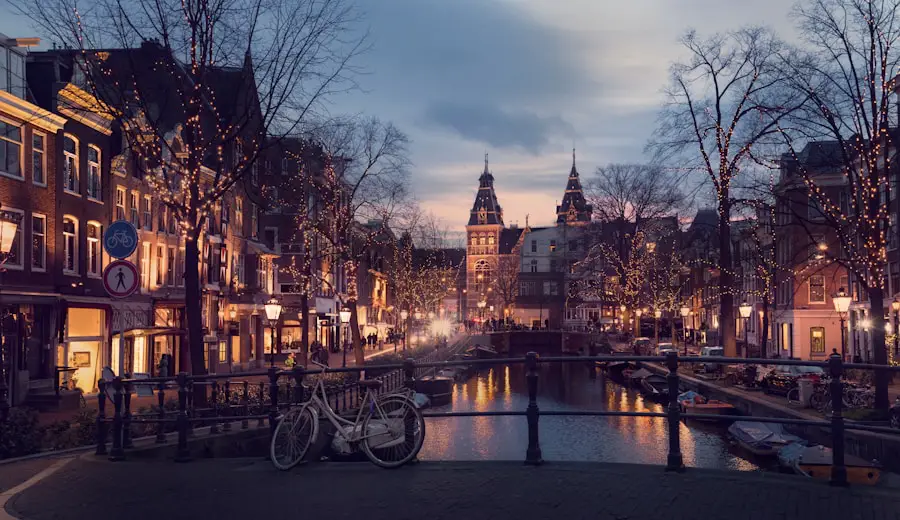
The strongest shoulder-season period is September through early October. Summer visitors begin to depart, daylight remains useful for sightseeing, and temperatures are often comfortable for walking and cycling. Autumn color adds interest to parks, canals, and historic neighborhoods.
Spring requires more nuance. Early March and late May into early June can behave like shoulder season, but mid-April through early May is often a peak period because of tulips, Keukenhof, King’s Day, and school holidays. Spring brings an authentic festive atmosphere, but not necessarily fewer tourists.
In fall, visitors can pair outdoor exploration with events such as Open Monumentendag and the early cultural season. Photography conditions can be excellent when colorful leaves, lower-angle light, and canal reflections come together.
Peak Season: Keukenhof Gardens and Canal Cruises
Amsterdam has more than one peak. The spring tulip period draws visitors to Keukenhof and flower displays, while June through August brings summer vacations, festivals, terraces, and long evenings. King’s Day, Pride, ADE, and the December holidays can also create short high-demand peaks outside the main summer period.
Keukenhof is a showcase of Dutch horticulture rather than a typical city park. Its themed gardens and changing displays attract heavy demand during a short opening season. Reserve a dated ticket and transport in advance, especially for weekends and the middle of the bloom window.
Summer canal cruises are also popular. Standard sightseeing boats, smaller electric boats, dining cruises, and evening departures offer different experiences, but the best time slots can fill. Booking early is sensible during summer weekends and major events.
A peak-season visit can be excellent when reservations are made early; the biggest problems usually come from arriving without timed tickets or a realistic crowd plan.
Best Time for Specific Interests: Museums, Cycling, and Food Festivals
- Museums: November through March offers more indoor-focused travel, but timed tickets remain important year-round.
- Cycling: May, June, September, and early October usually offer the best mix of daylight and moderate temperatures.
- Tulips: Mid-April to early May is the most useful planning window for Keukenhof and city displays.
- Outdoor festivals: June through August provides the broadest summer calendar.
- Electronic music: Visit during ADE in October and reserve accommodation early.
- Autumn photography: Late October into early November can bring colorful parks and canals, although rain and wind become more likely.
- Budget travel: Look at late January, February, and early March, then compare midweek room rates.
- Holiday atmosphere: Late November through December offers lights and markets, but Christmas and New Year can be expensive.
Products Worth Considering


VERSATILE FOR ANY EVENT OR FUNDRAISER: Suitable for raffles, door entry, drink or meal tickets, school carnivals, church events, 50/50 draws, classroom rewards, and more. Use them for any party, giveaway, or community event that needs quick, organized ticketing

2,000 tickets per roll; (4) Orange rolls shipped with each order
Amsterdam Weather and What to Pack
Amsterdam has a mild maritime climate, but conditions can change quickly. Summer daytime temperatures often feel pleasant rather than intensely hot, while winter is more commonly wet and windy than deeply frozen. Rain is possible in every month.
- Spring: Pack layers, a waterproof jacket, and shoes that handle wet pavement.
- Summer: Bring light clothing, sun protection, and a rain layer for passing showers.
- Fall: Add a warm mid-layer and wind-resistant outer layer.
- Winter: Bring a warm coat, waterproof shoes, gloves, and a compact umbrella that can handle wind.
Comfortable walking shoes matter in every season because cobblestones, bridges, museum floors, and long canal routes can add up quickly.
Booking and Trip-Planning Tips
Amsterdam rewards advance planning, especially for attractions with strict timed-entry systems.
- Anne Frank House: Tickets are sold online. The official museum releases tickets every Tuesday at 10:00 a.m. CEST for visits six weeks later. Check the official ticket page.
- Rijksmuseum: All visitors need a booked start time, including many passholders. Reserve through the official Rijksmuseum website.
- Keukenhof: Buy a dated ticket and arrange transport before traveling to Lisse.
- Canal cruises: Reserve sunset, dining, and small-boat departures early in peak periods.
- Public transport: GVB allows travelers to check in and out with a contactless debit card, credit card, phone, or smartwatch. Review the official payment options before arrival.
- Bicycles: Use designated parking and follow local traffic rules. The City of Amsterdam advises visitors to use proper bike parking and stay alert in crowded areas.
Pro Tip: Build each day around one timed attraction, then group flexible sights in the same neighborhood. This reduces backtracking and leaves room for weather changes.
If you are flying long-haul, comfort on the journey can affect your first day in the city. This guide to the best travel pillows for long flights may help you prepare, but your Amsterdam dates should be chosen around your preferred season, events, and crowd tolerance.
Products Worth Considering

DUTCH GOLDEN AGE ADVENTURE: Travel back to the 17th Century and experience the Dutch Golden Age in Ticket to Ride: Amsterdam, a fast-paced board game.

CARDS SIZE: Christmas boarding pass card measure 3.5""x 8.3". 1 boarding pass cards and 1 envelopes per package.

Premium Gift Set: The set includes one 8 x 3.5 surprise boarding pass, one elegant envelope, and one silver heart-shaped scratch sticker, all exquisitely packaged for a thoughtful presentation.
Frequently Asked Questions
What is the best time to travel to Amsterdam?
Late April through May is best for tulips and spring scenery. September through early October is the best all-around choice for mild weather, cultural events, and fewer summer crowds.
What is the weather like during the best months?
Spring and early fall are generally mild, but rain, wind, and fast temperature changes are possible. Pack layers, a waterproof jacket, and comfortable walking shoes.
When is tulip season in Amsterdam?
Tulip season usually runs from late March into early May, with mid-April to early May often offering the widest range of blooms. Weather affects timing, so check Keukenhof updates before traveling.
Is Amsterdam less crowded in April and May?
Not always. Tulip season, Keukenhof, King’s Day, and spring holidays can make late April and early May very busy. September and early October often provide a better crowd-to-weather balance.
What is the cheapest time to visit Amsterdam?
Late January, February, and early March often offer lower accommodation prices than spring and summer. Compare midweek dates and avoid major events and school-holiday periods.
When should I book Amsterdam museums?
Book as soon as your dates are firm. The Anne Frank House releases tickets six weeks ahead on Tuesdays, and the Rijksmuseum requires a reserved start time for all visitors.
Is winter a good time to visit Amsterdam?
Yes, especially for museums, cafés, light displays, and lower post-holiday prices. Expect short daylight hours, wind, and rain, and confirm seasonal market or skating-rink dates before booking.
Sources
- I amsterdam Visitor Information — seasonal weather and visitor-planning guidance.
- Keukenhof Official Website — opening dates, location, tickets, and spring-garden information.
- Tulp Festival Amsterdam — annual April tulip displays across the city.
- WorldPride Amsterdam 2026 — official dates and program information.
- Amsterdam Dance Event — official ADE program and event schedule.
- Anne Frank House Tickets — official ticket-release and timed-entry information.
