
Last Updated on July 25, 2026 by Daniel Globe
If you’re looking for the best lokum in Istanbul, start with the city’s established confectioners rather than choosing the first brightly colored box you see in a tourist market. Historic shops such as Ali Muhiddin Hacı Bekir sit alongside long-running names like Hafız Mustafa, Şekerci Cafer Erol, Cemilzade, and Hazer Baba. The best choice depends on whether you want classic rose and pistachio lokum, modern fruit-and-nut combinations, or a sturdy gift box for the trip home.
Quick Answer
For a historic Istanbul lokum experience, start with Ali Muhiddin Hacı Bekir in Eminönü. Hafız Mustafa is convenient for visitors around Sirkeci and İstiklal, while Şekerci Cafer Erol and Cemilzade are strong alternatives. Choose lokum that is soft and springy rather than hard, dried out, or excessively sticky.
Key Takeaways
- Hacı Bekir is the essential historic stop: its Istanbul confectionery dates to 1777 and is closely associated with the development of modern starch-based lokum.
- Try more than rose: pistachio, lemon, mastic, hazelnut, walnut, and modern pomegranate combinations show how varied lokum can be.
- Buy for freshness, not just packaging: good lokum should have a soft, resilient chew without feeling stale, crusty, or unpleasantly sticky.
- Check labels if you have dietary restrictions: plain lokum may have a simple sugar-and-starch formula, while specialty versions can contain nuts, dairy, biscuits, chocolate, or gluten traces.
Disclosure: As an Amazon Associate I earn from qualifying purchases. Some links on this page are affiliate links, at no extra cost to you.
Historical Background of Lokum
Lokum, commonly called Turkish delight in English, has deep roots in Ottoman confectionery, but its history is more complicated than a single invention date.
A Food Research International review of lokum production notes that early forms are thought to date to the 14th or 15th centuries. Earlier recipes used ingredients such as honey or molasses for sweetness and flour for texture. The familiar sugar-and-starch form developed later and was well established by the 19th century.
One of the most important names in that development is Hacı Bekir. According to the company’s history, Bekir Efendi came to Istanbul from Kastamonu and opened his confectionery in Bahçekapı in 1777. The family business became closely associated with the refined starch-and-sugar lokum that helped make the confection famous.
Lokum is centuries old, but the soft starch-and-sugar style most travelers recognize today developed gradually rather than appearing in one fixed recipe in the 15th century.
Lokum later became closely tied to hospitality, holidays, family visits, coffee service, and gift-giving. That cultural role is one reason boxes of lokum remain a familiar sight in Istanbul confectioneries today.
Traditional Flavors of Turkish Delight
There is much more to Turkish delight than the rose flavor many visitors know first. Historic confectioners have long worked with floral, citrus, spice, and nut flavors.
- Rose: fragrant and floral, and perhaps the flavor most strongly associated with Turkish delight abroad.
- Lemon and orange: brighter choices that cut through the sweetness with citrus notes.
- Mastic: a distinctive resinous flavor with a long history in eastern Mediterranean sweets.
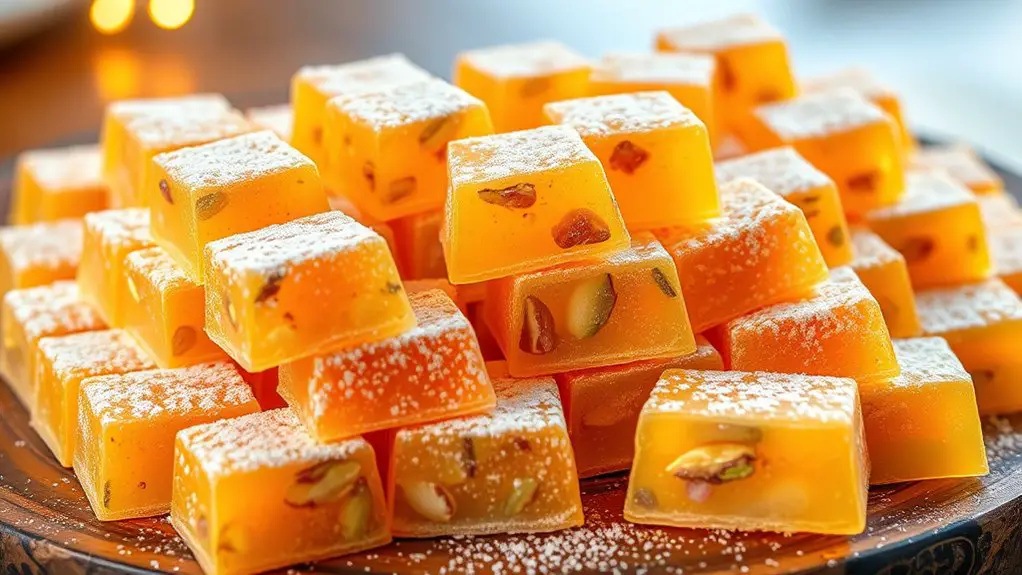
- Pistachio: one of the best choices if you prefer texture and a roasted-nut flavor alongside the sweet starch gel.
- Walnut and hazelnut: nut-filled varieties provide more bite and richness.
- Pomegranate: extremely common in contemporary Istanbul sweet shops, often paired with pistachios or other nuts.
Some pieces are coated in powdered sugar, while others use coconut, crushed nuts, chocolate, or other finishes. Texture also varies. Double-roasted styles can be firmer and nuttier, while plain fruit- or flower-flavored cubes tend to showcase the soft starch gel more clearly.
Pro Tip: If rose sounds too perfumed for your first taste, start with pistachio, lemon, hazelnut, or a mixed box. Sampling several small pieces is a better introduction to lokum than judging the entire category by one flavor.
Top Shops for Authentic Lokum in Istanbul
Istanbul has everything from century-old confectioners to modern dessert chains. For a first visit, these are stronger starting points than choosing a shop solely because it sits beside a major tourist attraction.
| Shop | Useful Locations | Best For |
|---|---|---|
| Ali Muhiddin Hacı Bekir | Eminönü, Beyoğlu, Kadıköy and other branches | Historic atmosphere, classic lokum and nut varieties |
| Hafız Mustafa 1864 | Sirkeci, İstiklal, Galataport and other branches | Large selection, café experience and gift boxes |
| Şekerci Cafer Erol | Kadıköy, Galataport and other Istanbul branches | Traditional confectionery, nut-and-fruit combinations and gifts |
| Cemilzade | Nişantaşı, Etiler and Kadıköy-area branches | Traditional sweets, lokum and classic confectionery |
| Hazer Baba | Istanbul locations including the historic-market area | Packaged lokum, pistachio varieties and convenient gift shopping |
Ali Muhiddin Hacı Bekir: Best for History
If you want one shop that connects the sweet directly with Istanbul’s confectionery history, Hacı Bekir is the obvious place to start. Its official store list includes two Eminönü central branches as well as shops in Beyoğlu and Kadıköy.
The Eminönü location works especially well when you are already visiting the Spice Bazaar, Yeni Cami, Sirkeci, or the waterfront. Instead of buying only a preselected souvenir box, consider tasting a few classic varieties and then choosing a mixed selection.
Hafız Mustafa 1864: Best for Variety and a Sit-Down Break
Hafız Mustafa traces its business to 1864 and today sells lokum alongside baklava, kadayıf, cakes, drinks, and other sweets. Its İstiklal branch is on İstiklal Avenue in Beyoğlu, and other branches make the brand easy to find around central Istanbul.
This is a useful choice for a group because people can sample several Turkish desserts while sitting down for coffee or tea.
Şekerci Cafer Erol: Best for Kadıköy and Gift Shopping
Şekerci Cafer Erol is another long-running confectionery name with a strong presence on the Asian side. Its Kadıköy shop is particularly convenient if you are exploring Kadıköy Market and the surrounding streets.
The company’s current range combines classic lokum with more decorative fruit, nut, and flower combinations, making it a good place to compare traditional and contemporary styles.
Cemilzade: Best for a Quieter Heritage Confectionery
Cemilzade dates its history to 1883 and currently lists shops in Nişantaşı, Etiler, Selamiçeşme, and Şaşkınbakkal. It is worth considering if you want classic Turkish confectionery away from the busiest Old City tourist corridors.
Hazer Baba: Convenient for Packaged Lokum
Hazer Baba remains a visible option for visitors shopping around Istanbul’s historic market districts and also sells a wide range of boxed lokum. Pistachio, fruit, nut, chocolate, and rolled varieties appear across its current catalog.
Check the ingredient label carefully on elaborate rolled products. Some contain biscuits, nuts, or other ingredients that are not found in simple sugar-and-starch lokum.
What About Pandeli?
Pandeli belongs in an Istanbul food guide, but not as a primary lokum shop. Pandeli describes itself as a historic restaurant founded in 1901 and located inside the Spice Bazaar. Visit it for the restaurant and its setting rather than treating it as a specialist destination for buying Turkish delight.
How to Choose Fresh, Good-Quality Lokum
Colorful displays can make every piece look tempting, but appearance alone does not tell you whether lokum is good.
- Look for a resilient texture. A good piece should feel soft and springy rather than dry or brittle.
- Avoid excessively sticky pieces. Warm conditions can make lokum soften and become tacky.
- Check the nuts. Pistachios, walnuts, and hazelnuts should taste fresh, not stale or rancid.
- Read the ingredient list. This matters especially for rolled, cream-filled, biscuit-coated, or chocolate-covered varieties.
- Ask what is freshest. High-turnover varieties can be a better purchase than an elaborate box that has spent a long time on display.
Note: A very soft piece is not automatically fresher. Heat can soften lokum, while cold conditions can make it firmer. Judge the overall texture, flavor, aroma, and storage conditions together.
Unique and Innovative Lokum Varieties
Traditional rose and citrus lokum still have a place in Istanbul, but modern confectioners have greatly expanded the range. Current shops sell combinations featuring pistachio and pomegranate, chocolate coatings, dried fruit, coconut, hazelnuts, almonds, and other textured fillings.
This means there is now an important difference between simple classic lokum and the larger rolled sweets sometimes marketed as premium Turkish delight. The latter may contain layers of nut cream, biscuits, chocolate, dried fruit, or coatings and can eat more like a full dessert.
Neither style is automatically more authentic or better. If you want to understand the traditional texture, try a plain, rose, lemon, mastic, or straightforward nut lokum first. Then compare it with one of the richer contemporary versions.
Tips for Enjoying Lokum Like a Local
Lokum is often enjoyed in small portions rather than eaten like a large candy bar. Take a piece, let its aroma register, and chew it slowly enough to notice the texture.
Turkish coffee is a natural partner because its roasted bitterness contrasts with the sweetness of lokum. Black Turkish tea works well for the same reason.
Nuts also help balance sweeter flavors. Pistachio, walnut, and hazelnut lokum provide a richer texture and can be easier to enjoy if plain fruit-flavored lokum feels too sugary.
There is no need to heat lokum before serving. Many varieties are best enjoyed around normal room temperature.
Buying Lokum as a Souvenir
Lokum can make an easy Istanbul gift because many varieties travel better than pastries soaked in syrup. A few choices make the journey easier:
- Choose a sturdy, well-sealed box if the lokum will spend hours in luggage.
- Check the best-before date and the maker’s storage instructions.
- Keep the box away from direct sunlight and excessive heat.
- Choose simpler shelf-stable varieties for long journeys instead of fresh cream-filled products.
- Keep the ingredient and allergen label with the box if you are giving it to someone else.
- Check your destination country’s food-import rules before traveling with large quantities or ordering internationally.
Some established Istanbul confectioners offer international shipping. Şekerci Cafer Erol, for example, currently advertises worldwide delivery. Shipping availability, customs requirements, delivery times, and product eligibility can still differ by destination.
Warning: Do not assume every Turkish delight is gluten-free or allergen-free. Nut-filled products can contain pistachios, walnuts, almonds, hazelnuts, or peanuts, and specialty varieties may contain wheat, milk, soy, sesame, or other allergens. For celiac disease or a serious food allergy, choose sealed products with clear ingredient and allergen labeling.
Frequently Asked Questions
Is Lokum Gluten-Free or Suitable for Those With Dietary Restrictions?
Some plain lokum is made from sugar, cornstarch, water, and flavorings and may contain no gluten ingredients. However, that does not make every product gluten-free. Rolled, biscuit-filled, chocolate-coated, or mixed varieties can contain gluten or be exposed through cross-contact. People with celiac disease should look for a clearly labeled gluten-free product and check with the seller when buying unpackaged lokum. The same caution applies to nuts, milk, soy, sesame, and other allergens.
How Should Lokum Be Stored for Freshness?
Follow the instructions on the package because recipes differ. In general, keep lokum in a cool, dry place away from direct sunlight and close the package tightly after opening. Heat can make it soft and sticky, while colder conditions can make it firmer. Use the maker’s stated best-before date rather than assuming every variety will last for months.
Can Lokum Be Shipped Internationally?
Yes, some Istanbul confectioners offer international shipping. Availability depends on the seller, destination, product, delivery service, and customs rules. Check the retailer’s current delivery terms before ordering because international shipping policies can change.
What Is the Best Way to Serve Lokum at Home?
Serve lokum at room temperature rather than heating it. Arrange a few small pieces with Turkish coffee or tea. Pistachios, walnuts, or dried fruit can complement plain varieties, but richly filled lokum usually needs no additional garnish.
Are There Any Health Benefits Associated With Eating Lokum?
Lokum is best treated as a sweet rather than a health food. Traditional versions are based mainly on sugar and starch. Nut-filled varieties add nutrients from pistachios, walnuts, or hazelnuts, but they are still confectionery. Enjoy a small portion as part of an overall balanced diet.
What Flavor of Turkish Delight Should a First-Time Visitor Try?
Pistachio is a good starting point because the nuts balance the sweetness. Lemon is another approachable choice. Try rose if you enjoy floral flavors, and mastic if you want something more distinctive. A small mixed box is the easiest way to discover which style you prefer.
Where Can I Buy Good Lokum Near Istanbul’s Historic Center?
Eminönü and Sirkeci are convenient areas for visitors staying near Sultanahmet. Ali Muhiddin Hacı Bekir has historic central shops in Eminönü, while Hafız Mustafa has locations around Sirkeci and other central districts. The Spice Bazaar area also contains many sweet sellers, so compare freshness, ingredients, and pricing rather than buying from the first display you see.
Conclusion
The best lokum experience in Istanbul comes from tasting beyond the first tourist-box assortment you see. Start with a historic confectioner such as Ali Muhiddin Hacı Bekir, compare it with the wide selection at Hafız Mustafa or Şekerci Cafer Erol, and explore shops such as Cemilzade and Hazer Baba when they fit your route. Try a few classic flavors before moving on to elaborate modern versions, check ingredients when dietary restrictions matter, and keep your purchase cool and dry for the trip home.
Sources
- Food Research International — Production of Turkish Delight (Lokum) — history, traditional ingredients, and development of modern lokum.
- Ali Muhiddin Hacı Bekir — Our History — 1777 founding and the company’s role in Istanbul confectionery.
- Ali Muhiddin Hacı Bekir — Current Stores — verified Istanbul branch locations.
- Hafız Mustafa 1864 — About Us — company history and Turkish confectionery background.
- Şekerci Cafer Erol — current lokum range, stores, and delivery information.
- U.S. Food and Drug Administration — Gluten-Free Food Labeling — gluten-free definitions and cross-contact guidance.
