
Last Updated on July 25, 2026 by Daniel Globe
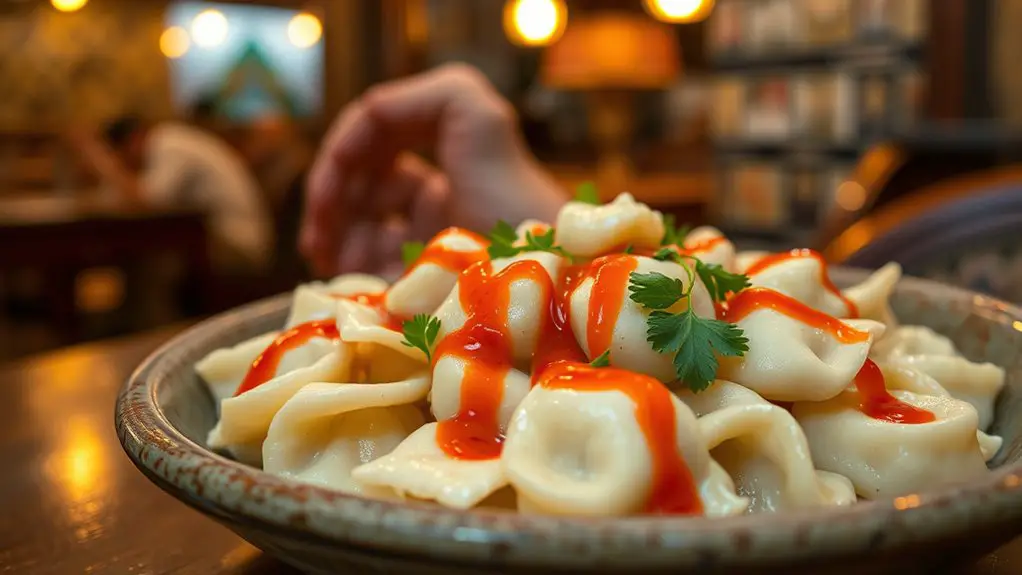
If you’re searching for the best mantı in Istanbul, start with restaurants that specialize in the dish rather than relying on generic tourist lists. Istanbul offers everything from tiny Kayseri-style dumplings with garlic yogurt to larger Sinop mantı finished with butter and walnuts. Aşkana Mantı, Emek Mantı Evi, Bodrum Mantı, Sinopia Mantı Evi, and Karaköy Lokantası are useful places to begin exploring the different styles.
Quick Answer
For a classic first plate of mantı in Istanbul, try Aşkana Mantı or Emek Mantı Evi. Bodrum Mantı offers both traditional and creative versions, while Sinopia Mantı Evi is a strong choice for Sinop-style mantı with walnuts. Expect garlic yogurt, butter-based sauce, and plenty of regional variation.
Key Takeaways
- Kayseri mantı is tiny, usually filled with minced meat and served with yogurt and a butter or tomato-based sauce.
- Sinop mantı is larger and is especially known for being served with crushed walnuts as well as yogurt.
- For your first plate, boiled mantı gives you the clearest taste of the dough, filling, yogurt, and sauce.
- Restaurant prices change quickly in Istanbul, so old guides quoting prices below ₺100 are badly outdated.
- Traditional mantı contains wheat, and many versions also contain meat, yogurt, butter, or egg, so dietary requirements should be confirmed before ordering.
Disclosure: As an Amazon Associate I earn from qualifying purchases. Some links on this page are affiliate links, at no extra cost to you.
Where to Eat Mantı in Istanbul
The strongest mantı choice depends on which regional style you want and where you are staying. These currently operating restaurants give visitors several different ways to experience the dish.
Aşkana Mantı — Best for a Classic First Plate
Aşkana Mantı has been serving mantı since 1987 and currently lists locations in Ulus, Göktürk, and Maslak. Its specialty is a meat-filled, Tatar-influenced mantı made with thin dough.
If this is your first time eating mantı, start with a boiled version. You will taste the dough and filling more clearly than with a heavily fried version, while the yogurt and sauce still provide the classic richness people expect from the dish.
Emek Mantı Evi — Best for a Home-Style Experience
Emek Mantı Evi has operated in Istanbul since 1988 and serves handmade mantı alongside other traditional Turkish dishes. Its long-running Yeniköy location makes it especially convenient if your plans take you toward the northern Bosphorus.
This is a good choice for diners who want mantı in a broader home-cooking setting rather than a restaurant built around modern presentations.
Bodrum Mantı — Best for Variety
Bodrum Mantı has numerous Istanbul locations and one of the broader mantı menus. Alongside a standard handmade meat mantı, the menu includes boiled, fried, spinach-based, cheese-based, chicken, and other contemporary variations.
For traditionalists, the regular boiled mantı is the safest starting point. More adventurous diners can compare it with a fried version to see how crisping the dough changes the dish.
Note: Istanbul restaurant prices move quickly. On July 24, 2026, Bodrum Mantı’s published Istanbul menu listed a standard 200 g mantı at roughly ₺575–₺625 depending on the displayed location/menu tier. Treat that as a current benchmark, not a permanent citywide price.
Sinopia Mantı Evi — Best for Sinop-Style Mantı
Sinopia Mantı Evi on Bağdat Caddesi in Kadıköy specializes in the Black Sea tradition of Sinop mantı. Compared with tiny Kayseri mantı, the pieces are generally larger, and crushed walnuts are a defining part of the traditional presentation.
Choose this style if you want to experience how dramatically mantı can change from one Turkish region to another.
Karaköy Lokantası — Best as Part of a Wider Turkish Meal
Karaköy Lokantası is not a dedicated mantı house, but it is a respected family-run Turkish restaurant operating since 2000. Mantı has appeared among the traditional dishes associated with the restaurant, making it useful for travelers who want to try mantı while also sharing meze and other Turkish classics.
Because menus at traditional lokantas may change, check the day’s offerings rather than assuming mantı is permanently available.
Hünkâr in Nişantaşı is another long-established Turkish restaurant associated with mantı and Ottoman-style home cooking. It is better viewed as a destination for a broader traditional meal than as a specialist mantı shop. If you’re heading as far as Ağva, Çınaraltı Mantı & Gözleme is another local option, but its location in Şile makes it impractical for most central-Istanbul sightseeing itineraries.
Pro Tip: On your first visit, order boiled meat mantı with the yogurt and sauce served in the restaurant’s usual style. After that, try a fried version or Sinop-style walnut mantı so you can compare textures and regional traditions.
The History of Mantı: A Culinary Tradition
Mantı is part of a much wider family of filled dumplings found across Central Asia and neighboring regions. According to GoTürkiye, Turkish mantı developed from Central Asian Turkic dumpling traditions that traveled west and gradually adapted to ingredients and cooking habits in Anatolia.
Over time, mantı became part of both everyday cooking and special family meals. Ottoman-era versions included small pieces of dough filled with meat and served with combinations of yogurt, butter, and spices.
The labor involved also explains the dish’s social importance. Rolling thin dough, cutting it into small pieces, filling each one, and folding them by hand can take several people considerable time. Mantı preparation therefore became closely associated with family gatherings, hospitality, and shared work.
Kayseri mantı is famous not for being large, but for being exceptionally small and carefully folded—a traditional saying claims that dozens of pieces should fit on a spoon.
What Makes Authentic Mantı Special
There is no single shape that defines every authentic Turkish mantı. Regional recipes differ, but well-made versions usually share a few qualities: thin dough, a balanced amount of filling, careful folding, proper cooking, and toppings that complement rather than bury the dumplings.
Traditional meat filling commonly combines minced meat with onion and modest seasoning. Other Turkish styles may use potato or different regional fillings.
The dough needs to be thin enough to stay delicate but strong enough to hold together during cooking. Thick, gummy dough can overpower the filling, while poorly sealed mantı may open in the pot.
Cooking also varies. Many classic versions are boiled, while some regional forms are baked and modern restaurants frequently offer fried mantı. The Turkish Culture Portal’s description of Kayseri mantı identifies it as a flour-based dumpling traditionally prepared with minced meat and associated closely with Kayseri.
How to Enjoy Mantı: Traditional Accompaniments
Garlic yogurt is one of the most recognizable mantı accompaniments in Turkey. Butter, tomato or pepper-based sauce, dried mint, sumac, and red pepper may also be used depending on the regional style and household.
Sinop-style mantı changes the formula by making crushed walnuts a prominent part of the plate. This creates a noticeably nuttier flavor and more texture than classic Kayseri-style service.
| Accompaniment | How It Is Used |
|---|---|
| Garlic yogurt | Creamy, tangy topping used with many traditional mantı styles. |
| Butter and red pepper | Adds richness, aroma, heat, and color. |
| Tomato or pepper sauce | Common savory topping, sometimes combined with butter. |
| Sumac and dried mint | Optional finishing seasonings that add acidity and herbal aroma. |
| Crushed walnuts | A signature accompaniment associated especially with Sinop mantı. |
Garlic is popular but not compulsory. Many restaurants can serve the yogurt without garlic if you ask.
Vegetarian and Vegan Mantı Options
Although meat-filled mantı is the style most visitors encounter first, meatless variations also exist. Potato fillings have strong roots in regional dumpling traditions, while modern restaurants may experiment with spinach, mushrooms, cheese, lentils, or other vegetables.
Vegetarian and vegan are not interchangeable here. Cheese, yogurt, butter, and egg can all appear in mantı recipes.
Plant-Based Fillings
For a meat-free plate, look for fillings such as potato, spinach, lentils, mushrooms, or other vegetables. Some are regional traditions, while others are contemporary restaurant interpretations.
Modern combinations may include ingredients such as walnuts, herbs, pumpkin, or chickpeas, but these should be understood as creative variations rather than universal traditional mantı fillings.
Flavorful Sauce Choices
Vegetarian diners can usually enjoy the traditional yogurt-and-butter format as long as the filling itself contains no meat.
Vegans need to check more carefully. A vegetable filling alone does not make a plate vegan: the dough may contain egg, and conventional sauces often contain dairy yogurt or butter.
A genuinely vegan version needs plant-based dough and toppings as well as a plant-based filling. Tomato-pepper sauce, olive oil, herbs, or non-dairy yogurt can work well when offered by the restaurant.
Warning: Traditional mantı dough normally contains wheat flour. If you have celiac disease or a serious wheat allergy, do not assume that a “gluten-free” version is safe simply because different flour is used. Ask about ingredients, shared preparation surfaces, cooking water, and cross-contact.
What Should You Order the First Time?
If you have never tried mantı, a classic boiled meat mantı is the easiest introduction. It lets you judge all four main components at once: the dough, meat filling, yogurt, and butter or tomato-based sauce.
- Choose Kayseri-style if you want very small, delicate dumplings and the most recognizable central-Anatolian version.
- Choose Sinop-style if you want larger dumplings and the unusual combination of yogurt, butter, and walnuts.
- Choose fried mantı if you already know the classic version and want a crispier texture.
- Ask for yogurt without garlic if you dislike raw-garlic flavor.
How Much Does Mantı Cost in Istanbul?
Prices have risen sharply in recent years, so old travel articles can be very misleading. A fixed “typical Istanbul price” is also difficult because neighborhood restaurants, upscale venues, delivery platforms, and shopping-center branches can differ substantially.
For a concrete benchmark, Bodrum Mantı’s Istanbul menu listed its standard 200 g mantı at about ₺575–₺625 on July 24, 2026. Specialty versions cost more.
Use current restaurant menus when budgeting rather than price figures from older blog posts.
Tips for Making Mantı at Home
Making mantı at home is labor-intensive, but a few techniques make the process easier and produce better dumplings.
- Make a firm dough. Mantı dough must survive rolling, cutting, filling, and boiling without becoming sticky or tearing easily.
- Let the dough rest. Resting makes it easier to roll thinly.
- Keep the filling small. Overfilling makes the pieces difficult to seal and increases the chance that they will split.
- Roll evenly. Thin, consistent dough gives the finished mantı a more delicate texture.
- Seal carefully. Pinch the edges securely so the filling remains inside during cooking.
- Work in batches. Cover unused dough while you shape the rest so it does not dry out.
A traditional filling can be as simple as minced meat, finely chopped onion, salt, and pepper. For Kayseri-style mantı, the pieces are cut very small and folded into tiny parcels.
Once cooked, serve them promptly with yogurt and your preferred butter, pepper, or tomato-based sauce.
Exploring Regional Variations of Mantı in Turkey
Mantı changes dramatically across Turkey, which is one reason it is difficult to define one version as the only “authentic” style.
Kayseri Mantısı
Kayseri is the region most closely associated with classic Turkish mantı. According to the Kayseri Provincial Directorate of Culture and Tourism, the dough is rolled very thin and cut into pieces around 1–1.5 centimeters wide before a very small amount of seasoned minced meat is added.
The filled pieces are boiled and commonly served with sauce, garlic yogurt, sumac, and mint. Their famously tiny size is a sign of the skill required to make them.
Sinop Mantısı
Sinop mantı from the Black Sea region is larger and more rustic than Kayseri mantı. Its most distinctive feature is the use of crushed walnuts, often paired with garlic yogurt and melted butter.
Hingel and Other Styles
Related dumplings such as hingel are associated with regions including Sivas and Erzurum. These tend to be larger than Kayseri mantı, and some versions use potato filling.
Elsewhere in Turkey, mantı may be triangular, tray-baked, meatless, fried, or finished with different sauces. Rather than thinking of mantı as one recipe, it is more useful to think of it as a family of regional filled-dough dishes.
Frequently Asked Questions
Can I find gluten-free mantı in Istanbul?
Gluten-free versions may be available at some specialty restaurants, but traditional mantı is made with wheat flour. People with celiac disease or serious wheat allergies should ask specifically about ingredients, shared equipment, cooking water, and cross-contact rather than relying only on a menu label. The FDA’s gluten-free guidance explains why cross-contact matters.
What is the typical price range for mantı in Istanbul?
There is no dependable citywide fixed range because prices vary by neighborhood and restaurant. As a current benchmark, Bodrum Mantı’s Istanbul menu listed standard 200 g mantı at about ₺575–₺625 on July 24, 2026. Prices can change quickly, so check recent menus rather than older travel guides.
Is mantı a common street food in Istanbul?
Mantı sometimes appears in Istanbul street-food guides, but it is not usually a cart food in the same way as simit, roasted chestnuts, or stuffed mussels. You are more likely to eat traditional mantı in a mantı house, lokanta, casual restaurant, or home.
Are there famous mantı festivals in Turkey?
Mantı is regularly promoted at regional food, tourism, and cultural events, especially around Kayseri, but travelers should not assume that a widely advertised dedicated mantı festival takes place on the same dates every year. Check current municipal or tourism calendars before planning a trip around a specific event.
How do I choose the best mantı restaurant?
Look for a restaurant that clearly identifies the style of mantı it serves and prepares the dish as a specialty rather than an afterthought. Good mantı should have thin dough, balanced filling, properly sealed pieces, fresh yogurt, and a sauce that complements rather than overwhelms the dumplings. For a first visit in Istanbul, Aşkana, Emek, Bodrum Mantı, or a dedicated regional mantı restaurant are good starting points.
Conclusion
Istanbul is an excellent city for discovering how varied mantı can be. Start with boiled Kayseri-style mantı if you want the classic combination of tiny meat-filled dumplings, yogurt, and butter-based sauce. Then compare it with Sinop mantı and its walnut topping or a crisp fried version from one of the city’s specialty restaurants.
The most important thing is to rely on current restaurant information. Menus, branches, opening hours, and prices change quickly, while the traditions behind the dish go back centuries. With a verified restaurant and an understanding of the main regional styles, your first plate of mantı is far more likely to live up to the reputation.
Sources
- GoTürkiye — Mantı: Traditions, Rituals, and Regional Variations — history, preparation, Kayseri mantı, Sinop mantı, and regional variations.
- Republic of Türkiye Culture Portal — Kayseri Mantısı — official geographical-indication background and traditional composition.
- Kayseri Provincial Directorate of Culture and Tourism — Kayseri Cuisine — traditional size, preparation, cooking, and toppings for Kayseri mantı.
- Aşkana Mantı — current restaurant history and Istanbul branch information.
- Bodrum Mantı & Cafe — current mantı varieties and menu information.
- U.S. Food and Drug Administration — Gluten-Free Food Labeling — gluten and cross-contact guidance.
