
Last Updated on July 25, 2026 by Daniel Globe
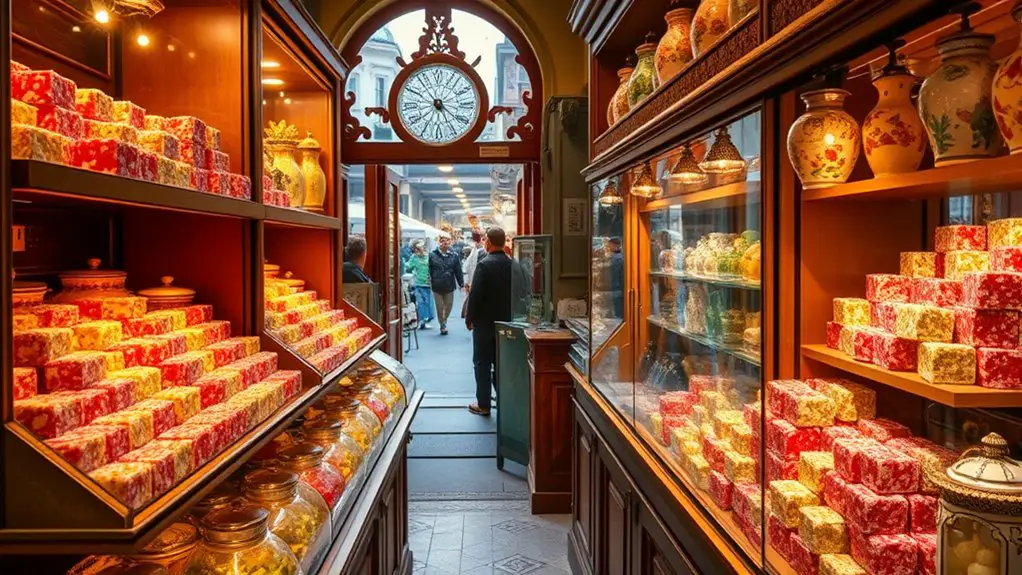
If you’re looking for the best lokum in Istanbul, focus on shops with a traceable confectionery history, busy counters, clear ingredient information, and enough variety to let you compare traditional and modern styles. Eminönü and Bahçekapı are especially convenient for historic confectioners and the Spice Bazaar, while Kadıköy is an excellent stop for established sweet shops on the Asian side.
Quick Answer
For a reliable first taste of lokum in Istanbul, start with Hacı Bekir in Eminönü or Kadıköy, Şekerci Cafer Erol in Kadıköy, or Hafız Mustafa in Bahçekapı or Sirkeci. The Spice Bazaar is best for comparing many vendors. Sample before buying, check ingredients and allergens, and choose secure packaging for travel.
Key Takeaways
- Hacı Bekir is the strongest choice for historic context, with a confectionery tradition dating to 1777 and current shops in Eminönü and Kadıköy.
- Şekerci Cafer Erol is a useful Kadıköy stop for both classic and more elaborate nut, fruit, and rose-petal varieties.
- Hafız Mustafa 1864 is easy to visit around Bahçekapı and Sirkeci and offers a broad selection of traditional flavors.
- The Spice Bazaar is better than relying on one anonymous tourist shop because you can compare several sellers before buying.
- For gifts or flights home, check the product label, allergen information, storage directions, packaging, and your destination country’s customs rules.
Disclosure: As an Amazon Associate I earn from qualifying purchases. Some links on this page are affiliate links, at no extra cost to you.
Best Lokum Shops in Istanbul at a Glance
| Shop / Area | Best For | Good Starting Choices |
| Hacı Bekir Eminönü, Kadıköy and other branches |
Historic confectionery experience and traditional styles | Plain, rose, lemon, mastic and pistachio lokum |
| Şekerci Cafer Erol Kadıköy and other branches |
Decorative presentation and classic-to-modern varieties | Pistachio, pomegranate, rose-petal and mixed boxes |
| Hafız Mustafa 1864 Bahçekapı, Sirkeci, Taksim and other branches |
Large selection and convenient central locations | Rose, mastic, lemon, orange, cinnamon, pomegranate and mixed lokum |
| Spice Bazaar Eminönü |
Sampling and comparing several vendors in one stop | Try small samples before committing to a larger box |
Note: Branches, hours, prices, product availability, and shipping terms can change. The businesses and official visitor information in this guide were checked in July 2026; confirm the current store page before making a special trip.
Historical Sweet Shops With a Legacy
Istanbul has several confectioners whose histories are much more useful to travelers than vague claims about “secret recipes.” These businesses publish their histories and current shop information, so you can plan a visit around a real location.
Hacı Bekir
Hacı Bekir traces its Istanbul confectionery business to 1777, when Hacı Bekir Effendi opened a small shop in Bahçekapı. The company still operates its historic Eminönü shops and describes the original location as a living confectionery museum.
Its current official shop list includes Eminönü branches at Hamidiye Cad. No:33 and No:31, plus a Kadıköy branch at Muvakkithane Cad. No:6/1. That makes Hacı Bekir particularly easy to combine with sightseeing around Eminönü or a food walk through Kadıköy.
For a first tasting, begin with a restrained flavor such as plain, rose, lemon or mastic before moving to pistachio-heavy or chocolate-coated varieties. A simpler piece makes it easier to judge the underlying lokum texture.
Hafız Mustafa 1864
Hafız Mustafa says its confectionery business was founded in Bahçekapı in 1864. Today it has highly visible central branches, including Bahçekapı and Sirkeci.
Its current lokum range includes recognizable traditional flavors such as rose petals, mastic, lemon, mint, orange, cinnamon, pomegranate, plain lokum and pistachio-based rolls. That breadth makes it useful when a group wants to sample several flavors at one counter.
Modern Confectioneries Offering Unique Flavors
Modern Istanbul confectionery does not require abandoning tradition. The better approach is to look for established producers that clearly identify what is in each variety and then choose between simple, nut-filled, fruit-flavored, chocolate-coated or decorative gift styles.
Şekerci Cafer Erol
Şekerci Cafer Erol presents its confectionery tradition as dating to 1807. Its current selection includes classic Turkish delight alongside more elaborate products containing pistachio, pomegranate, rose petals, chocolate and other additions.
The brand’s official store directory includes Kadıköy, Galataport and several shopping-center locations. For travelers interested in combining lokum with a broader Kadıköy food walk, the long-established Kadıköy shop is the most natural fit.
The best lokum is not necessarily the most colorful or heavily filled. Start with texture: it should be pleasantly elastic and soft rather than brittle, gummy or dominated by raw starch flavor.
Local Favorites: Hidden Gems to Discover
It is tempting to recommend unnamed “secret” shops, but a useful guide should tell you exactly where to go. For a more neighborhood-oriented experience, Kadıköy is one of the easiest places to compare established confectioners without relying entirely on the most tourist-heavy streets of the Historic Peninsula.
Two dependable stops are Hacı Bekir on Muvakkithane Cad. and Şekerci Cafer Erol on Yasa Cad. Both have long confectionery histories and published shop information. From there, you can browse Kadıköy’s food streets and markets while comparing prices and styles from other sellers you encounter.
On the European side, Eminönü and Bahçekapı offer a similarly efficient route: Hacı Bekir, Hafız Mustafa and the Spice Bazaar are close enough to make a focused sweets-shopping stop without crossing the city several times.
Pro Tip: Buy a small mixed quantity first instead of committing immediately to a large decorative box. After tasting plain or lightly flavored lokum, compare nut-filled and fruit varieties. You will learn quickly whether you prefer a softer traditional texture or a richer modern style.
Markets and Bazaars: Where to Find Lokum
Istanbul’s bazaars are excellent for browsing, but they serve different purposes.
Spice Bazaar (Mısır Çarşısı)
The Spice Bazaar in Eminönü is the stronger choice when food is your main goal. Istanbul’s official visitor site describes the historic covered bazaar as a center for spices and food products, including nuts, delicatessen items and other edible goods.
Because several sellers compete for the same visitors, it is a useful place to sample and compare. Ask the price by weight before ordering, decide whether you want a mixed box or one variety, and confirm whether elaborate nut-filled pieces cost more than plain cubes.
Grand Bazaar
The Grand Bazaar is one of Istanbul’s major historic shopping destinations, but jewelry, carpets, textiles and souvenirs are a bigger part of its identity. You can encounter sweets in and around the district, yet travelers focused specifically on lokum will usually find the Spice Bazaar and dedicated confectionery shops more efficient.
That does not mean you should avoid buying near the Grand Bazaar. It simply means you should compare the product, price, ingredients and packaging instead of assuming a prime tourist location guarantees superior lokum.
Neighborhood Markets and Food Streets
Smaller food districts in areas such as Kadıköy can be rewarding because you can combine known confectioners with bakeries, coffee shops, nut sellers and other specialty-food businesses. When an unfamiliar lokum shop catches your eye, treat it as a tasting opportunity rather than accepting claims such as “best in Istanbul” without comparison.
Artisanal Producers Crafting Gourmet Lokum
“Artisanal” and “gourmet” are useful only when they describe something you can actually taste or verify. Look for clean flavor, fresh nuts, balanced sweetness, a smooth elastic texture, clear ingredient information and careful packaging rather than relying on luxury presentation alone.
Nut-rich lokum can be particularly good when pistachios, hazelnuts, walnuts or almonds taste fresh rather than soft or stale. Fruit and floral varieties should taste recognizable without becoming aggressively perfumed. Chocolate-coated lokum can be excellent, but it is closer to a confectionery hybrid and may need different storage than a plain starch-and-sugar piece.
If the shop offers samples, compare a simple variety and a more elaborate one side by side. This is often more informative than choosing by appearance.
What Makes Good Lokum?
Turkey maintains a dedicated Turkish Food Codex Lokum Communiqué. Traditional lokum is built around a cooked sugar-and-starch base, while regulated varieties can include flavorings, nuts, dried fruit, cream and other permitted components.
When tasting lokum, look for these practical signs:
- Texture: soft, smooth and elastic rather than hard, crumbly or rubbery.
- Flavor: the named flavor should be clear without a raw-starch aftertaste.
- Nuts: pistachios, hazelnuts or walnuts should taste fresh and remain pleasantly firm.
- Surface: pieces should look clean and properly coated rather than wet, leaking or excessively sticky.
- Balance: sweetness is expected, but a good piece should still let rose, citrus, mastic, fruit or nuts come through.
Best Lokum Flavors to Try in Istanbul
You do not need exotic combinations to get an interesting tasting box. Istanbul’s established confectioners already offer a wide range.
- Plain: the best baseline for judging texture and sugar balance.
- Rose: one of the classic floral profiles associated with Turkish delight.
- Lemon or orange: bright citrus flavors that can feel lighter than nut-heavy pieces.
- Mastic: aromatic and distinctive; a good choice if you want something less familiar.
- Pistachio: richer, denser and particularly popular in gift assortments.
- Pomegranate: common in contemporary selections, especially when paired with pistachio.
- Chocolate-coated: sweeter and richer, with storage needs that may differ from plain lokum.
- Cream-filled or dairy-containing varieties: worth trying locally, but check storage and travel guidance before carrying them for long periods.
How to Buy Lokum Without Guessing
- Sample first when possible. Texture tells you more than a decorative display.
- Ask the price before the box is filled. Confirm whether the price is per kilogram, per box or per piece.
- Compare simple and premium varieties. Nut-heavy rolls and elaborate coatings can cost considerably more than plain lokum.
- Check the ingredient and allergen information. This is especially important for nuts, dairy, wheat exposure, soy-containing chocolate and other added ingredients.
- Ask for travel-friendly packaging. A securely closed or manufacturer-sealed box is better for luggage than a loosely wrapped tray.
- Keep your receipt. It helps if you need to identify the product later or clarify a purchase.
Gluten, Nuts, Dairy and Other Allergens
Classic plain lokum is generally made without wheat, barley or rye, because the traditional base relies on sugar and starch rather than wheat flour. That does not mean every lokum in every shop is automatically suitable for someone who must strictly avoid gluten.
Warning: If you have celiac disease or a serious food allergy, verify the specific product rather than assuming all lokum is safe. Filled, coated and flavored varieties may contain nuts, milk, soy or other ingredients, and shared production equipment can create cross-contact. Packaged products with clear ingredient and allergen labeling are easier to assess.
The FDA’s gluten-labeling guidance also notes that foods made from naturally gluten-free ingredients can still be affected by cross-contact. For medically necessary avoidance, ask the seller specifically about ingredients and shared equipment.
Storage, Packing and International Shipping
There is no single storage instruction that fits every variety. Plain lokum, nut-filled pieces, chocolate-coated products and cream-containing lokum can have different requirements.
As a general rule, keep lokum away from direct sunlight, excessive heat and moisture, and follow the producer’s printed instructions. Do not assume refrigeration is always better: some producers recommend dry room-temperature storage for certain products, while others give refrigeration guidance for particular packaged items.
For a flight or long journey, choose a sturdy sealed package and keep it out of hot luggage compartments whenever possible. Nut-containing lokum can also lose quality over time as the nuts age, so buying an enormous quantity is not always better than buying a box you will finish reasonably soon.
International delivery is available from some Istanbul confectioners. Şekerci Cafer Erol currently advertises worldwide shipping, while Hafız Mustafa publishes overseas delivery terms and notes that customs procedures and destination-country taxes or duties can apply.
When carrying lokum yourself, check the food-import rules for your destination, especially for products containing dairy, nuts or other restricted ingredients.
Frequently Asked Questions
What Is the Best Time to Visit Sweet Shops for Fresh Lokum?
There is no reliable rule that morning lokum is fresher or “still warm.” Freshness depends more on production date, batch turnover and storage. Visit when the shop is convenient, sample a piece if available, and look for soft, elastic texture and fresh-tasting nuts.
Are There Any Gluten-Free Lokum Options Available in Istanbul?
Yes. Traditional plain lokum is commonly made from sugar, starch and water without wheat, barley or rye. However, flavored, coated or filled products can differ, and cross-contact is possible. If you have celiac disease, verify the specific product and preparation process rather than relying on the word “lokum” alone.
Can Lokum Be Shipped Internationally From Istanbul Shops?
Yes, some established Istanbul confectioners currently offer international shipping. Şekerci Cafer Erol advertises worldwide delivery, and Hafız Mustafa publishes overseas shipping terms. Availability, customs requirements, taxes and permitted ingredients depend on the destination, so check the seller’s current delivery page before ordering.
How Is Traditional Lokum Different From Modern Variations?
Traditional lokum starts with a cooked sugar-and-starch base and may be flavored with ingredients such as rose, citrus or mastic. Modern varieties can add abundant pistachios or other nuts, fruit, chocolate coatings, cream and decorative fillings. These additions are different styles rather than automatically better or less authentic.
What Should I Know About Lokum Storage and Shelf Life?
Follow the instructions on the specific package. In general, protect lokum from direct sunlight, heat and moisture. Do not assume every variety belongs in the refrigerator because producers give different guidance depending on ingredients. For the best flavor and texture, use the printed best-before date and storage instructions supplied by the maker.
Which Istanbul Neighborhood Is Best for Buying Lokum?
Eminönü and Bahçekapı are the easiest areas for a first-time visitor because Hacı Bekir, Hafız Mustafa and the Spice Bazaar are concentrated nearby. Kadıköy is a strong alternative on the Asian side, with established confectioners including Hacı Bekir and Şekerci Cafer Erol.
What Lokum Flavor Should a First-Time Visitor Try?
Start with one simple piece, such as plain, rose, lemon or mastic, because it lets you judge the confection’s basic texture. Then compare it with a pistachio or pomegranate variety. A small mixed box is usually more useful than buying a large quantity of one unfamiliar flavor.
Conclusion
Finding memorable lokum in Istanbul is easier when you replace vague “hidden gem” claims with shops you can actually verify and visit. Hacı Bekir offers the strongest historic connection, Şekerci Cafer Erol is a worthwhile Kadıköy stop, Hafız Mustafa provides a broad range in convenient central locations, and the Spice Bazaar lets you compare multiple sellers. Taste before buying when possible, judge the texture as carefully as the flavor, check allergens and storage instructions, and choose secure packaging if your lokum is traveling home with you.
Sources
- Republic of Türkiye Ministry of Agriculture and Forestry — Turkish Food Codex legislation list — confirms the current Lokum Communiqué No. 2013/55.
- Hacı Bekir — History and official shops — founding history and current Istanbul locations.
- Şekerci Cafer Erol and official store directory — current lokum range, locations and shipping information.
- Hafız Mustafa 1864 — History and delivery terms — company history and international-shipping guidance.
- Visit Istanbul — Spice Bazaar and Grand Bazaar — official visitor information for Istanbul’s major historic markets.
- U.S. Food and Drug Administration — Gluten and Food Labeling — gluten ingredients, labeling and cross-contact guidance.
