
Last Updated on July 30, 2026 by Daniel Globe
Istanbul is one of the easiest places to explore Türkiye’s many styles of pide, but the best choice depends on what you want to eat and how far you are willing to travel. Historic Fatih has convenient old-school pide shops, Kadıköy combines pide with one of the city’s liveliest food districts, and neighborhoods such as Beyoğlu and Ümraniye offer respected Black Sea-style specialists. This guide explains where to go, what to order, and what to ask before choosing vegetarian, vegan, or gluten-free options.
Quick Answer
For a convenient traditional pide meal, start with Hocapaşa Pidecisi in Fatih or Çiya Kebap in Kadıköy. For Black Sea-style pide, consider Görele Pidecisi in Beyoğlu or Lider Pide in Ümraniye. Order kıymalı, kuşbaşılı, kaşarlı, or a regional open or closed pide, and confirm current hours before traveling.
Key Takeaways
- Fatih and Kadıköy are the easiest areas for visitors who want pide near major sights or food markets.
- Black Sea-style pide may be open or closed and can differ greatly in crust, shape, filling, and finishing butter.
- Useful menu words include kıymalı for minced meat, kuşbaşılı for diced meat, kaşarlı for cheese, and yumurtalı for egg.
- Vegetarian does not always mean vegan, and ordinary pide dough contains wheat. Ask about butter, cheese, eggs, shared utensils, flour, and oven surfaces.
- Restaurant hours, menus, branches, and prices can change, so check the restaurant’s current page before making a special trip.
Disclosure: As an Amazon Associate I earn from qualifying purchases. Some links on this page are affiliate links, at no extra cost to you.
Historical Significance of Pide
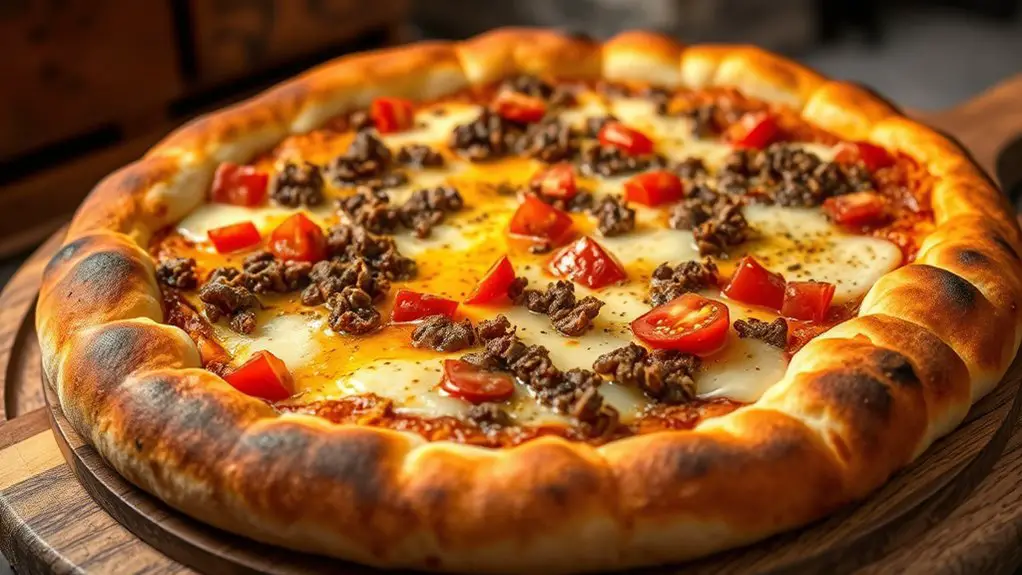
Pide is often introduced in English as “Turkish pizza,” but it is better understood as part of Türkiye’s long and varied flatbread tradition. A typical restaurant-style pide uses leavened wheat dough shaped around meat, cheese, vegetables, or other fillings and baked at high heat.
There is no single pide recipe shared by every part of the country. Regional versions differ in length, thickness, shape, filling, and whether the dough is left open or folded over the filling. The Turkish Patent and Trademark Office recognizes regional products such as Bafra Pidesi and Çarşamba Pidesi, illustrating how strongly pide is tied to local baking traditions.
Istanbul brings many of these regional approaches together. A pide shop in Fatih may serve familiar boat-shaped varieties, while a Black Sea specialist may focus on long, thin, open or closed pide finished with butter.
Pide is not one fixed recipe. Its crust, shape, filling, and serving style can change from one Turkish region—and one pide master—to another.
Popular Types of Pide
The most useful way to read a pide menu is to learn a few Turkish filling names:
- Kıymalı pide: Minced meat, often mixed with onion, pepper, tomato, herbs, or spices.
- Kuşbaşılı pide: Small pieces of diced meat rather than minced meat.
- Kaşarlı pide: Made with kaşar, a mild Turkish melting cheese.
- Peynirli pide: A broader cheese category that may use white cheese, kaşar, or a house blend.
- Sucuklu pide: Topped with seasoned Turkish sausage.
- Pastırmalı pide: Made with seasoned cured beef.
- Yumurtalı pide: Finished with egg; this may be combined with meat, cheese, sucuk, or pastırma.
- Sebzeli pide: A vegetable pide that may contain peppers, tomato, spinach, mushrooms, eggplant, or seasonal produce.
- Karışık pide: A mixed pide combining several toppings.
Open and Closed Pide
Açık pide is open on top, making the filling visible. Kapalı pide is folded or sealed over the filling. Closed versions often hold in more steam and meat juices, while open versions allow the topping and crust edges to brown more directly.
Pide Versus Lahmacun
Pide and lahmacun are related flatbread dishes, but they are not the same. Pide usually has a thicker, leavened dough and raised edges. Lahmacun is generally thinner and flatter, with a finely spread meat mixture. Lahmacun is commonly rolled with parsley, lemon, or salad, while pide is usually sliced and eaten as a fuller meal.
Pro Tip: When trying a new pide shop, order one simple variety before choosing a heavily mixed topping. A basic kıymalı, kuşbaşılı, or peynirli pide makes it easier to judge the dough, oven work, seasoning, and ingredient quality.
Best Neighborhoods for Pide
Istanbul is enormous, so the “best” neighborhood is often the one that fits the rest of your day.
- Fatih and Sirkeci: The most convenient choice for visitors exploring the Historic Peninsula, Eminönü, the Spice Bazaar, or Sultanahmet. Expect simple, traditional shops and fast meals rather than elaborate dining rooms.
- Kadıköy: Ideal for combining pide with market streets, coffee, sweets, pickles, fishmongers, cheese shops, and other local food stops. It is easily reached by ferry from the European side.
- Beyoğlu: Useful for travelers staying near Galata, Taksim, Cihangir, or the Golden Horn. Small specialists in the wider district serve regional and Black Sea-style pide.
- Ümraniye: Farther from the main sightseeing areas but worthwhile for diners specifically seeking established Black Sea and Trabzon-style pide businesses.
- Suadiye and the Kadıköy coast: A practical option for visitors staying deeper on the Asian side, with neighborhood restaurants serving both classic and vegetable-topped versions.
Karaköy has an excellent general dining scene, but it is not automatically the strongest district for specialist pide. Choose a verified restaurant rather than assuming every fashionable food neighborhood has a notable pide shop.
Top Pide Restaurants in Istanbul
The following places are identifiable establishments associated with pide. They represent different neighborhoods and styles rather than a strict citywide ranking. Always confirm the current branch, menu, and opening hours before traveling.
| Restaurant | Area | Why Consider It |
|---|---|---|
| Hocapaşa Pidecisi | Sirkeci, Fatih | A convenient, modest pide shop near the Historic Peninsula. It suits travelers who want a straightforward traditional meal without crossing the city. |
| Çiya Kebap | Kadıköy | Founded in Kadıköy as a restaurant serving kebab, lahmacun, and pide. It is useful for diners who want to explore pide alongside a wider range of Anatolian food. |
| Görele Pidecisi | Kulaksız, Beyoğlu | A small specialist associated with Black Sea-style pide and a good choice for diners interested in regional technique rather than a polished restaurant atmosphere. |
| Lider Pide | Ümraniye | An established option for Trabzon and Black Sea-style pide. Its official site lists current Istanbul locations, making it easier to verify a branch before visiting. |
| Borsam Taşfırın | Kadıköy | A casual stone-oven business with pide and lahmacun. It works well as part of a broader Kadıköy food walk. |
Note: Restaurant menus, ownership, branches, prices, and opening hours can change. Check the business’s current official page or call before making a long trip solely for one restaurant.
Unique Pide Variations to Try
Classic meat and cheese combinations are the easiest to find, but regional shape and preparation can be just as important as the topping.
Classic Meat Pide
Meat pide remains one of the most common choices in Istanbul. Three useful versions to compare are:
- Kıymalı pide: Minced beef, lamb, or a mixture, often seasoned with onion, pepper, tomato, parsley, and spices.
- Kuşbaşılı pide: Diced meat with a chunkier texture and a more distinct roasted-meat flavor.
- Pastırmalı or sucuklu pide: Cured or seasoned meat with a stronger, saltier flavor. These varieties are often combined with cheese or egg.
Ask whether the pide is open or closed and whether butter is brushed on after baking. Those choices can change the texture and richness as much as the filling does.
Vegetarian Cheese Pide
Cheese pide may use kaşar, white cheese, or a blend. Spinach, mushrooms, peppers, tomato, herbs, or egg may be added, depending on the restaurant.
A simple kaşarlı pide has a mild, stretchy filling, while white cheese can be saltier and more crumbly. An egg added near the end of baking makes the center richer. Diners who avoid eggs should say so clearly because yumurtalı versions are common.
Seafood Pide Delight
Seafood pide should be treated as an occasional restaurant or regional specialty, not a standard item available throughout Istanbul. Anchovy or other fish may appear in Black Sea-inspired cooking, but shrimp and octopus versions are not dependable citywide menu categories.
When a seafood pide is available, ask which seafood is used, whether it is fresh or preserved, and whether cheese is included. Strong fish, salty cheese, tomato, herbs, and butter can compete with one another if the topping is not balanced.
Vegetarian and Vegan Pide Options
Vegetarian pide is common enough to find at many pide shops, but fully vegan pide requires more questions. A vegetable filling does not guarantee that the dough, finishing fat, or preparation is free from dairy or egg.
Popular Vegetarian Ingredients
- Spinach and cheese: A common combination that may use white cheese, kaşar, or both.
- Mixed vegetables: Peppers, tomato, mushrooms, zucchini, eggplant, onion, and seasonal herbs.
- Mushroom and kaşar: A savory, filling option with melted cheese.
- Cheese and egg: Richer than plain cheese pide and best eaten immediately after baking.
- Potato or herb fillings: Less universal but worth asking about at regional shops.
Vegan Cheese Alternatives
Plant-based cheese is not a standard ingredient at traditional pide shops. Some modern restaurants may offer it, but many vegetable pides are served without any cheese substitute.
For a vegan order, ask all of the following:
- Does the dough contain milk, yogurt, egg, butter, or another animal-derived ingredient?
- Is butter brushed on the crust after baking?
- Can the pide be made without cheese and egg?
- Are the vegetables cooked with butter or animal fat?
- Will the same knife, tray, or preparation surface be used for meat and cheese?
A simple sebzeli pide made with confirmed plant-based dough and no finishing butter is often more realistic than expecting a traditional shop to stock vegan cheese.
Best Pide Restaurants for Vegetarian Orders
Hocapaşa Pidecisi has been listed as vegetarian-friendly, while established mixed-menu businesses such as Çiya and stone-oven shops in Kadıköy may have cheese or vegetable choices. Availability can change daily, so ask to see the current menu rather than relying on an old online description.
Warning: Standard pide is made with wheat. A restaurant offering gluten-free dough may still use shared flour, work surfaces, paddles, knives, trays, or ovens. People with celiac disease should ask detailed cross-contact questions and should not assume that a “gluten-free option” is medically safe.
Pide Pairings: Accompaniments and Drinks
Pide is rich and filling, so fresh or acidic sides work especially well.
- Ayran: A cold yogurt drink made with yogurt, water, and salt. It is one of the most common nonalcoholic pairings.
- Pickled vegetables: Their acidity cuts through cheese, butter, and fatty meat.
- Fresh salad: Tomato, cucumber, onion, parsley, lemon, and greens lighten the meal.
- Ezme: A finely chopped, sometimes spicy tomato and pepper salad.
- Yogurt or cacık: Cooling choices for heavily seasoned meat pide.
- Turkish tea: Better after the meal than alongside a very hot pide.
- Beer: Available at licensed restaurants, though many traditional pide shops do not serve alcohol.
Do not order too many heavy sides before seeing the pide portion. One large pide can be enough for a full meal, and sharing several varieties is often the best way to compare fillings.
Tips for Ordering Pide in Istanbul
- Ask what the shop does best. “Ustanın önerisi nedir?” means “What does the master recommend?”
- Choose open or closed. Ask for “açık” if you want the topping visible or “kapalı” if you prefer the filling enclosed.
- Specify egg clearly. Say “yumurtalı” to add egg or “yumurtasız” if you do not want it.
- Ask about butter. Many pide shops brush the crust with butter after baking. Request “tereyağsız” if you want it without butter.
- Confirm the meat. The filling may use beef, lamb, or a mixture.
- Share before ordering more. Two people can often split two different pides and a salad.
- Eat it promptly. Pide is at its best when the crust is still crisp and the filling is hot.
How to Spot a Good Pide
Look for dough shaped to order, a busy oven, steady local trade, and a crust that is browned without being dry or burned. The base should support the filling rather than collapse under grease. Meat should be fully cooked, cheese should be melted without becoming oily, and the edges should have both crispness and chew.
Takeaway and Reheating
Pide travels reasonably well, but steam trapped in packaging softens the crust. For a short trip, ask the restaurant not to seal the package too tightly while the pide is still releasing steam.
At home, reheat slices in a dry skillet or a hot oven until the base becomes crisp again. A microwave warms the filling quickly but usually makes the crust softer.
Must-Visit Food Markets for Pide
Istanbul’s markets are excellent places to understand the ingredients and food culture surrounding pide, but they should not be treated as dedicated pide courts. Plan a market visit and a nearby restaurant as two connected stops.
Historic Spice Bazaar
The Spice Bazaar, or Mısır Çarşısı, is a historic covered market in Eminönü known for spices, tea, dried fruit, nuts, sweets, cheese, cured meats, and other foods.
The covered bazaar itself is mainly for shopping. For pide, explore the surrounding streets and restaurant lanes, where the official destination guide notes that visitors can find cheesy pide and other Turkish specialties.
This is the easiest market to combine with a Fatih or Sirkeci pide meal.
Kadıköy Market Delights
Kadıköy’s food streets bring together fishmongers, produce sellers, pickle shops, bakeries, cheese counters, coffee, sweets, restaurants, and casual takeaway food.
The market area works well for a self-guided tasting route: browse the shops, have pide or lahmacun at a nearby stone-oven restaurant, then finish with coffee or dessert. Do not assume that every market stall sells pide; use the market as a neighborhood anchor and choose a dedicated restaurant nearby.
Beşiktaş Fish Market
Beşiktaş Fish Market is best known for seafood and the busy restaurants around it. It is worth visiting for the neighborhood atmosphere, but it is not one of Istanbul’s most dependable specialist-pide destinations.
Browse the fish market if it fits your route, then choose between seafood, meze, kebab, or a separately verified pide restaurant. A seafood pide may occasionally appear on a menu, but it should not be expected as a standard market specialty.
Pide: A Culinary Experience Beyond the Plate
A good pide meal is shaped by more than the topping. Dough fermentation, oven temperature, the baker’s shaping technique, the amount of filling, and the final brush of butter all affect the result.
| Element | What to Notice | Why It Matters |
|---|---|---|
| Dough | Freshly shaped, evenly baked, crisp at the edges, and chewy inside | The dough should support the filling without becoming tough or soggy. |
| Filling | Balanced quantity, clear seasoning, and fully cooked meat | Too much filling can make the base wet; too little makes the pide feel dry. |
| Oven Work | Even browning without scorched edges or a pale center | High heat creates the contrast between a crisp exterior and tender interior. |
| Finishing | Butter, egg, herbs, or sliced presentation | The finishing step changes richness, aroma, and texture. |
| Service | Served promptly and hot from the oven | Pide loses crispness as steam collects beneath the crust. |
Trying two regional styles side by side can be more rewarding than searching for one universal “best” pide. Compare an old-school boat-shaped pide in Fatih with a Black Sea-style version elsewhere in the city and pay attention to the dough as much as the topping.
Frequently Asked Questions
What is the best time of day to eat pide?
Pide works for lunch or dinner. The most important factor is choosing a time when the oven is active and the pide is prepared to order. Arriving before the final service period may give you a better selection because some fillings can sell out.
Can I find gluten-free pide in Istanbul?
Some restaurants may offer gluten-free dough, but it is not standard. Ordinary pide contains wheat, and shared flour, work surfaces, paddles, knives, trays, and ovens can cause cross-contact. People with celiac disease should contact the restaurant in advance and ask how the dough is stored, shaped, baked, cut, and served.
How is pide traditionally cooked?
Pide is commonly baked at high heat in a stone or wood-fired oven, although equipment varies by restaurant. The baker shapes the dough, adds the filling, and controls its position in the oven so the base, edges, and topping finish together.
Is pide suitable for takeaway or delivery?
Yes, although the crust softens as steam collects in the package. Eat it soon after pickup or reheat it in a dry skillet or hot oven. Microwaving is quick but usually produces a softer crust.
Are there pide food festivals in Istanbul?
Pide may appear at Turkish cuisine weeks, regional promotion days, and broader food festivals, but there is no dependable recurring dedicated Istanbul pide festival to plan around. Check the current GoTürkiye events calendar and official municipal event announcements for your travel dates.
What is the difference between pide and lahmacun?
Pide normally uses thicker leavened dough with raised edges and may contain meat, cheese, vegetables, egg, or mixed fillings. Lahmacun is thinner and flatter, with a finely spread meat topping, and is commonly rolled with parsley, lemon, or salad.
Conclusion
Finding excellent pide in Istanbul is less about chasing one famous topping and more about choosing a reliable shop, understanding the regional style, and ordering clearly. Fatih is convenient for classic pide near the historic center, Kadıköy pairs a meal with one of the city’s best food neighborhoods, and specialists in Beyoğlu or Ümraniye offer a deeper look at Black Sea traditions.
Start with a straightforward kıymalı, kuşbaşılı, or peynirli pide, then compare an open and closed version or add egg, sucuk, or pastırma. Check current restaurant details before traveling, and ask specific questions about wheat, dairy, eggs, butter, and shared preparation when dietary restrictions matter.
Sources
- GoTürkiye — Turkish Cuisine — definition of pide and common meat, cheese, and vegetable toppings.
- GoTürkiye — Spice Bazaar — history, products, and nearby food streets in Eminönü.
- Turkish Patent and Trademark Office — Bafra Pidesi — registered regional pide designation.
- Turkish Patent and Trademark Office — Çarşamba Pidesi — registered regional pide designation.
- Çiya — Official History — Çiya Kebap’s history in Kadıköy and its association with kebab, lahmacun, pide, and Anatolian food.
- Celiac Disease Foundation — Dining and Social Eating — restaurant research and gluten cross-contact precautions.

