
Last Updated on July 28, 2026 by Daniel Globe
Italian sparkling wine goes far beyond one bottle or one region. Prosecco is bright and fruit-forward, Franciacorta and Alta Langa offer longer-aged traditional-method styles, Lambrusco brings savory red fruit, and Moscato d’Asti delivers gentle sweetness. The best choice depends on how dry you like your wine, what you are serving, and whether you want easy refreshment or deeper, yeasty complexity.
Quick Answer
For a fresh, affordable aperitif, choose Prosecco. For richer bubbles made by bottle fermentation, try Franciacorta, Alta Langa, or Trento DOC. Dry Lambrusco is excellent with cured meat and tomato-based dishes, while Moscato d’Asti suits fruit desserts, pastries, and blue cheese. Check the sweetness term and appellation before buying.
Key Takeaways
- Prosecco is usually the lightest and most fruit-driven choice; Prosecco DOC must contain at least 85% Glera.
- Franciacorta, Alta Langa, and Trento DOC use bottle fermentation for finer bubbles and more bread, nut, and pastry notes.
- Lambrusco is not always sweet. Secco and brut versions can be dry, refreshing, and very food-friendly.
- “Extra Dry” is sweeter than “Brut.” Read the dosage term instead of judging sweetness by the color or brand.
- Award vintages may be hard to find. Confirm the producer, appellation, vintage, and current release before ordering.
Why Choose Italian Sparkling Wines?
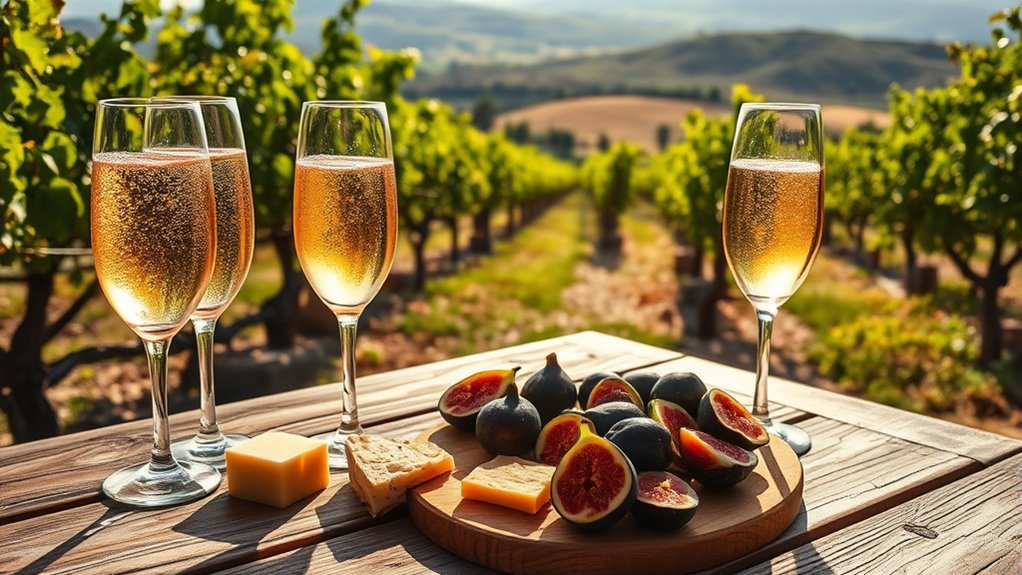
Italian sparkling wines cover a wide range of colors, sweetness levels, grapes, and production methods. You can pour a floral Prosecco before dinner, a creamy Franciacorta through the meal, a chilled red Lambrusco with rich regional food, or a lightly sparkling Moscato d’Asti with dessert.
Prosecco is the largest-volume name in the group. The Prosecco DOC Consortium reported 667 million bottles for the 2025 production year. That scale helps explain why Prosecco is widely available, though quality and price still vary by appellation, producer, vineyard area, and style.
Italy’s sparkling-wine strength is variety: one country offers easy-drinking tank-method bubbles, serious bottle-aged wines, dry red fizz, and aromatic low-alcohol sweet styles.
Franciacorta, Alta Langa, and Trento DOC appeal to drinkers who enjoy the texture and savory notes created by secondary fermentation in the bottle. Lambrusco and Moscato d’Asti show that sparkling wine can also be red, gently fizzy, dry, off-dry, or sweet. This range makes Italian bubbles useful at nearly every stage of a meal.
Exploring the Different Types of Italian Sparkling Wines
The label tells you more than the brand name. Look for the protected appellation, the production method, the sweetness term, and whether the wine is fully sparkling (spumante) or lightly sparkling (frizzante).
| Style | Region and Grapes | Typical Character | Good Pairings |
|---|---|---|---|
| Prosecco DOC/DOCG | Veneto and Friuli-Venezia Giulia; at least 85% Glera | Pear, apple, citrus, white flowers; usually tank method | Aperitifs, seafood, fried snacks, fresh cheese |
| Franciacorta DOCG | Lombardy; mainly Chardonnay and Pinot Nero, with permitted Pinot Bianco and Erbamat | Fine bubbles, citrus, nuts, bread, pastry; traditional method | Shellfish, risotto, roast poultry, aged cheese |
| Alta Langa DOCG | Piedmont; 90%–100% Pinot Nero and/or Chardonnay | Vintage-dated, structured, savory, high-acid; traditional method | Seafood, creamy pasta, poultry, mushroom dishes |
| Trento DOC | Trentino; traditional-method wines led by Chardonnay and Pinot Nero | Mountain freshness, citrus, apple, mineral and lees-aged notes | Trout, sushi, risotto, roast chicken |
| Lambrusco DOC | Emilia-Romagna and nearby areas; several Lambrusco varieties | Red or rosé, dry to sweet, with cherry, berry, floral, and sometimes earthy notes | Salumi, pizza, ragù, grilled sausage, hard cheese |
| Asti and Moscato d’Asti DOCG | Piedmont; Moscato Bianco | Grape, peach, orange blossom, sage; Asti is more sparkling, Moscato d’Asti is gentler | Fruit, pastries, panettone, blue cheese, spicy dishes |
Note: Asti Spumante and Moscato d’Asti share the Moscato Bianco grape and the Asti DOCG area, but they are not the same style. Moscato d’Asti is generally lower in pressure, lightly sparkling, naturally sweet, and lower in alcohol.
Products Worth Considering

One 750ml bottle of Ruffino Prosecco DOC Sparkling White Wine, containing five 5 fl. oz. glasses of wine

Crisp and refreshing Prosecco with lively bubbles

One 750 mL bottle of Kim Crawford Prosecco DOC, Italian White Sparkling Wine containing five 5-oz servings of wine
What Makes Award-Winning Italian Sparkling Wines Stand Out?
A medal does not guarantee that every drinker will prefer a wine, but it can point to a well-made bottle. Strong entries usually show clean aromas, balanced acidity and sweetness, persistent bubbles, a clear regional identity, and enough length and texture to remain interesting after the first sip. The five bottles discussed below appeared in the IWSC 2024 Italian sparkling-wine selection.
Unique Production Methods
The production method shapes the wine. In the tank or Martinotti-Charmat method, the second fermentation occurs in a pressurized tank. This protects fresh fruit and floral aromas and is common for Prosecco and many Lambruscos.
In the traditional method, called metodo classico in Italy, the second fermentation takes place in the bottle. Time resting on the spent yeast, known as lees aging, can add bread, brioche, nut, cream, and pastry notes. Franciacorta, Alta Langa, and Trento DOC are important examples.
Exceptional Grape Varieties
Glera gives Prosecco its light pear, apple, citrus, and floral profile. Chardonnay and Pinot Nero provide the acidity and structure used in many traditional-method wines. Moscato Bianco is intensely aromatic, while the Lambrusco family can produce pale rosé, vivid ruby, or deep purple wines with different levels of tannin and sweetness.
Do not assume that one grape means one flavor. Vineyard site, harvest date, fermentation, lees aging, dosage, and bottle age all affect the final result.
Notable Regional Influences
Franciacorta comes from Lombardy and follows detailed DOCG rules. Franciacorta Satèn has lower bottle pressure, a creamy texture, at least 24 months on the lees, and Brut dosage. Alta Langa is a Piedmontese traditional-method wine that must be vintage-dated. Its production rules require at least 30 months of elaboration and lees aging, or at least 36 months for Riserva under the current rules.
Prosecco DOC covers a broad northeastern production area, while Conegliano Valdobbiadene Prosecco Superiore DOCG and Asolo Prosecco DOCG come from more specific zones. Lambrusco is tied closely to Emilia’s food culture, and Asti’s aromatic wines come from Piedmont’s Moscato Bianco vineyards.
How to Read Sparkling-Wine Sweetness Terms
Sparkling-wine labels can be confusing because Extra Dry is sweeter than Brut. These common terms refer to residual sugar after dosage:
- Pas Dosé, Dosage Zero, or Brut Nature: up to about 3 grams per liter.
- Extra Brut: up to about 6 grams per liter.
- Brut: less than 12 grams per liter.
- Extra Dry: about 12–17 grams per liter.
- Dry or Sec: about 17–32 grams per liter.
- Demi-Sec: about 32–50 grams per liter.
Pro Tip: When comparing bottles, first choose the style and sweetness you enjoy, then compare producers. A famous appellation will not help if the dosage or flavor profile is wrong for your palate.
Discover Gualtieri’s Il Ligabue Lambrusco Dry 2023
Gualtieri’s Il Ligabue is a dry Lambrusco Reggiano DOC from Emilia-Romagna. The producer describes the current wine as a blend of Lambrusco Salamino and Lambrusco Maestri with 11% alcohol. The 2023 competition sample earned strong recognition in 2024, helping show how serious dry Lambrusco can be.
Products Worth Considering

Light bodied, sweet and crisp white wine

Crisp and refreshing Prosecco with lively bubbles
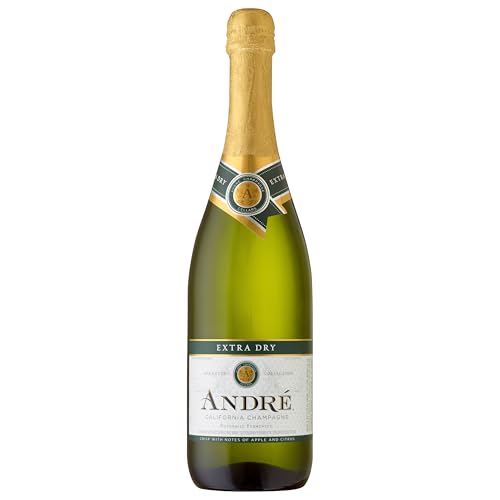
Crisp, fruity and refreshing sparkling wine
Flavor Profile Analysis
This is a ruby-red, lightly sparkling wine with red and dark berry flavors, fresh acidity, modest tannin, and a dry finish. The producer’s current technical description emphasizes an elegant, balanced palate and recommends a serving temperature of 14–15°C (57–59°F).
| Color | Bright ruby red with a delicate foam |
| Aroma | Cherry, raspberry, darker berries, flowers, and light spice |
| Taste | Dry, fruity, fresh, lightly tannic, and food-friendly |
| Best For | Drinkers who want a savory red sparkling wine rather than a sweet Lambrusco |
Ideal Food Pairings
- Cured meats: Prosciutto, mortadella, salami, and coppa match the wine’s acidity and berry character.
- Pasta with ragù or tomato sauce: The bubbles and acidity refresh the palate after rich meat and tomato flavors.
- Pizza and grilled sausage: A dry Lambrusco handles fat, smoke, salt, and melted cheese well.
- Spicy food: Choose a slightly softer or off-dry Lambrusco when the dish has intense chile heat.
Serve it cool rather than ice-cold so its fruit, savory notes, and light tannin remain clear.
Colombo Antonio e Figli Blanc de Blancs 2020: Alta Langa, Not Franciacorta
Colombo Antonio e Figli’s Blanc de Blancs 2020 comes from Alta Langa DOCG in Piedmont, not Franciacorta. The producer identifies the cuvée as an Extra Brut made from 100% hand-harvested Chardonnay. It undergoes secondary fermentation in the bottle and rests on the lees for at least 30 months.
The wine earned 95 points at the 2024 IWSC and additional recognition from other wine guides. The producer’s tasting profile describes fine bubbles, green apple, lemon peel, white flowers, mineral notes, pastry, honey, and a long savory finish.
Pair it with oysters, grilled fish, sushi, fried seafood, creamy risotto, or poultry. Its high acidity can cut through richness, while the lees-aged flavors complement toasted or creamy foods.
Centinari Ardea Herodias Satèn Brut 2018: Rich and Complex
Centinari’s Ardea Herodias Satèn Brut 2018 is a Franciacorta DOCG made from 100% Chardonnay. Satèn is a protected Franciacorta style with lower bottle pressure, fine bubbles, a rounded mouthfeel, and Brut dosage. The 2018 vintage received strong scores in 2023 and 2024 tastings.
Expect a creamy mousse with ripe white or yellow fruit, white flowers, toast, nuts, and gentle spice. The official Franciacorta profile for Satèn also highlights its silky texture and recommends seafood starters, crustaceans, risotto, white meat, sushi, and cheeses that are not overly mature.
- Flavor complexity: Ripe fruit and floral notes are supported by toast, almond, or brioche tones from bottle aging.
- Texture: Lower pressure gives Satèn a softer, creamier feel than many fully sparkling wines.
- Food pairing: Try lobster, scallops, vegetable risotto, roast chicken, or a creamy but not overly heavy pasta.
This is a good choice for drinkers who want traditional-method depth without an aggressive mousse.
Tenuta Il Cascinone Alasia Riserva Brut 2019
Tenuta Il Cascinone’s Alasia Riserva Brut 2019 is an Alta Langa sparkling wine from Piedmont. The 2024 tasting record identifies it as 100% Pinot Noir with 12.5% alcohol and a 93-point score. That corrects the common but inaccurate description of this bottle as a Chardonnay–Pinot Noir blend.
Winemaking Process Insights
Alta Langa is made by the traditional method, and the vintage must appear on the label. Under the current production rules, Alta Langa Riserva requires at least 36 months for elaboration and lees aging. The bottle fermentation and extended lees contact help create fine bubbles, structure, and biscuit or pastry notes.
Flavor Profile Exploration
The award tasting described white fruit, pastry cream, biscuit spice, a rich mousse, and a lightly spiced finish. Pinot Noir gives the wine more body and structure than many simple aperitif sparklers, while the Brut dosage keeps the finish dry.
Perfect Pairing Suggestions
- Seafood: Oysters, prawns, crab, or roasted fish work with the acidity and savory depth.
- Creamy pasta or risotto: The bubbles lighten rich sauces while the biscuit notes echo browned butter or cheese.
- Poultry and mushrooms: Roast chicken, mushroom risotto, or truffle dishes match the wine’s structure.
- Cheese: Try aged mountain cheese or firm cow’s-milk cheese rather than a very sweet accompaniment.
Because 2019 is a specific award vintage, current retail stock may be limited. A newer Alasia Riserva can still be worth trying, but it should not be assumed to taste identical.
Sweetness With Character: Ca’ d’Gal Vite Vecchia 2016
Ca’ d’Gal Vite Vecchia 2016 is a Moscato d’Asti DOCG from Piedmont, made from Moscato. It is a naturally sweet, lightly sparkling wine with 5% alcohol. Falstaff awarded the 2016 vintage 93 points in a 2024 tasting, noting a persistent mousse and flavors that included pineapple, cinnamon, saffron, and a creamy texture.
This is not a standard inexpensive Moscato. The old-vine bottling and extended maturation give it more depth and aging potential than a simple fresh-release style. Expect aromatic fruit, floral and herbal notes, honeyed richness, lively acidity, and gentle bubbles.
Serve it well chilled with fruit tarts, almond pastries, panettone, blue cheese, foie gras, or spicy dishes. Keep the dessert no sweeter than the wine; an extremely sugary dessert can make even Moscato d’Asti taste thin.
Pairing Italian Sparkling Wines With Your Favorite Dishes
Pair by weight, sweetness, acidity, and texture rather than by prestige. Light wines fit delicate food, while structured traditional-method wines can handle richer dishes.
- Prosecco: Pair with antipasti, fried vegetables, seafood, prosciutto, or fresh cheese. Brut works best with savory food; Extra Dry can suit mildly spicy or fruit-led dishes.
- Franciacorta: Serve with shellfish, risotto, poultry, white meat, or aged cheese. Satèn is especially good with creamy seafood and delicate roast dishes.
- Alta Langa: Match its acidity and structure with oysters, fish, mushroom risotto, creamy pasta, or roast chicken.
- Dry Lambrusco: Choose it for salumi, pizza, ragù, grilled meat, or Parmigiano Reggiano.
- Asti or Moscato d’Asti: Pair with fruit, pastries, panettone, blue cheese, or moderately spicy food.
Serving, Opening, and Storing Sparkling Wine
- Chill before opening: Most white sparkling wines show well around 6–10°C (43–50°F). Structured traditional-method wines may open up slightly warmer. Follow the producer’s guidance for red Lambrusco.
- Open safely: Keep the bottle pointed away from people and breakable objects. Hold the cork firmly, twist the bottle slowly, and ease the cork out with a quiet sigh rather than a loud pop.
- Use a tulip-shaped glass: It preserves bubbles while allowing more aroma than a narrow flute. A regular white-wine glass also works for complex traditional-method bottles.
- Store unopened bottles well: Keep them in a cool, dark place with a steady temperature. Avoid heat, sunlight, and long periods in a warm kitchen.
- Refrigerate leftovers: Use a sparkling-wine stopper. Most opened bottles are best within one or two days, though a sturdy traditional-method wine may last a little longer.
Warning: No wine is a treatment for gastritis. Alcohol can irritate the stomach lining and may worsen symptoms. Avoid alcohol if a clinician has advised you not to drink, and seek medical care for persistent pain, vomiting, black stools, vomiting blood, dizziness, or other signs of gastrointestinal bleeding.
Where to Buy Italian Sparkling Wines
Start with a reputable local wine shop, especially when you want a specific appellation or vintage. A knowledgeable retailer can explain whether a bottle is dry or sweet, how it was made, and whether the award year is still available.
Major retailers such as Total Wine and BevMo may carry Prosecco, Franciacorta, Lambrusco, Asti, and Moscato d’Asti, but selection varies by market. Online platforms such as Wine.com and Vivino can help you compare listings and reviews. Specialty Italian markets may carry smaller producers that national chains miss.
Wine clubs and subscription services such as Winc or Naked Wines can be useful for general discovery, but they may not stock the five specific award bottles covered here. Winery-direct purchases are another option when the producer ships to your location.
| Where to Shop | Best Use | What to Check |
|---|---|---|
| Local wine shop | Advice and special orders | Producer, appellation, dosage, vintage |
| Major retailer | Broad selection and price comparison | Store availability and current vintage |
| Online wine retailer | Searching rare labels | Shipping eligibility, adult signature, heat protection |
| Winery or importer | Producer information and current releases | Whether delivery is legal in your location |
In the United States, alcohol shipping rules differ by state, and an adult signature is normally required. Review the retailer’s current shipping page before paying, especially during hot weather that can damage wine in transit.
Frequently Asked Questions
What is the most popular Italian sparkling wine?
Prosecco is Italy’s largest-volume and most widely recognized sparkling wine. Prosecco DOC reported 667 million bottles for 2025. Popularity does not make it automatically better than Franciacorta, Alta Langa, Trento DOC, Lambrusco, or Asti; those styles serve different tastes and occasions.
What wine is good for gastritis?
No wine is recommended as a gastritis remedy. Alcohol can irritate the stomach lining and may worsen symptoms. Ask a qualified health professional whether you should avoid alcohol, especially if you have active pain, bleeding, ulcers, reflux, or take medicines that affect the stomach.
What Italian sparkling wine is better than Prosecco?
“Better” depends on taste. Franciacorta, Alta Langa, and Trento DOC usually offer more lees-aged complexity and finer bubbles because they use bottle fermentation. Prosecco is often lighter, fruitier, and less expensive. Choose by style, sweetness, food, and budget rather than prestige alone.
What sparkling wine do Italians drink?
Italians drink many regional styles, including Prosecco, Franciacorta, Alta Langa, Trento DOC, Lambrusco, Asti, and Moscato d’Asti. Local food and regional tradition often influence the choice—for example, dry Lambrusco with Emilia-Romagna’s cured meats and rich pasta dishes.
Is Extra Dry sweeter than Brut?
Yes. Brut contains less than 12 grams of sugar per liter, while Extra Dry is generally about 12–17 grams per liter. The wording sounds backward, so checking the dosage term is important when you want a truly dry sparkling wine.
What is the difference between spumante and frizzante?
Spumante is fully sparkling and has higher pressure. Frizzante is lightly sparkling, with softer bubbles. Prosecco and Lambrusco may appear in either form, while Moscato d’Asti is known for its gentle fizz.
Which Italian sparkling wine is best with dinner?
For a full meal, dry Franciacorta, Alta Langa, Trento DOC, or Lambrusco are strong choices. Prosecco suits lighter starters and seafood, while Moscato d’Asti is better with dessert, cheese, or spicy food. Match the wine’s weight and sweetness to the dish.
Conclusion
Italian sparkling wine is not a single style. Prosecco offers bright fruit and easy drinking, Franciacorta and Alta Langa bring traditional-method depth, Lambrusco adds savory red-fruit character, and Moscato d’Asti provides aromatic sweetness with gentle bubbles. Read the appellation, method, vintage, and sweetness term, then choose the bottle that fits your food and palate.
Sources
- Consorzio di Tutela Prosecco DOC — Prosecco DOC identity, Glera requirements, production, and current market information.
- Franciacorta Consortium: Satèn — permitted grapes, lower pressure, minimum lees aging, Brut dosage, tasting profile, and pairings.
- Alta Langa DOCG Production Regulations — grape composition, vintage-label rule, traditional method, and minimum aging periods.
- Consorzio dell’Asti DOCG: Moscato d’Asti — aromatic character, natural sweetness, and low-alcohol style.
- IWSC / Club Oenologique Italian Sparkling Wine Results — 2024 award context and tasting methodology for the featured bottles.
- National Institute of Diabetes and Digestive and Kidney Diseases — alcohol as a stomach-lining irritant and a cause of reactive or erosive gastropathy.
