
Last Updated on July 24, 2026 by Daniel Globe
Italian luxury fashion stands out through skilled craft, strong design codes, and materials chosen to last. The best house for you depends on how you dress: Missoni brings color, Versace delivers drama, Prada favors intelligent restraint, Armani refines tailoring, and Bottega Veneta makes leather feel quietly distinctive. This guide compares 15 leading names so you can see what each one does best.
Quick Answer
The best Italian luxury fashion houses include Gucci, Prada, Versace, Armani, Valentino, Fendi, Bottega Veneta, Missoni, Ferragamo, Dolce&Gabbana, Loro Piana, Brunello Cucinelli, Zegna, and Stone Island. Moncler also belongs in the conversation because it is French-founded but now led by an Italian luxury group.
Key Takeaways
- Choose Prada, Armani, Bottega Veneta, Loro Piana, Brunello Cucinelli, or Zegna for restrained luxury.
- Choose Versace, Gucci, Dolce&Gabbana, Missoni, or Valentino for a stronger visual statement.
- Ferragamo and Fendi are especially strong in shoes, bags, and leather craftsmanship.
- Stone Island and Moncler combine luxury positioning with technical outerwear and performance ideas.
- Brand fame does not guarantee the right purchase. Judge the exact material, construction, fit, care needs, and how often you will wear it.
Disclosure: As an Amazon Associate I earn from qualifying purchases. Some links on this page are affiliate links, at no extra cost to you.
What Defines Italian Luxury Fashion?
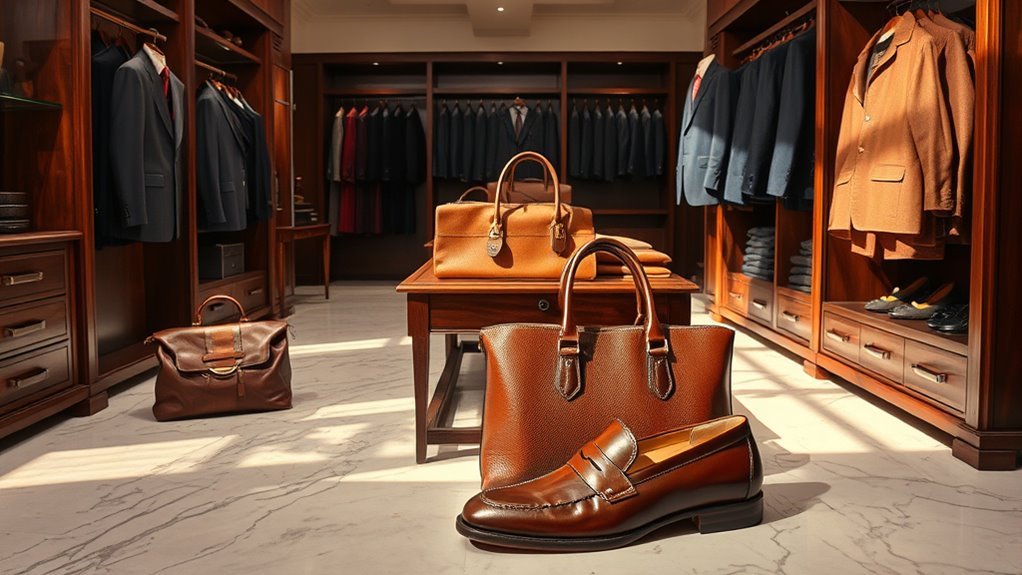
Italian luxury fashion is built around a close relationship between design and making. You see it in tailored jackets that sit cleanly on the body, leather goods shaped by hand, knitwear developed from complex yarn combinations, and fabrics finished for softness, structure, or performance. Italy’s modern fashion reputation grew from regional strengths in textiles, footwear, leather, tailoring, and accessories, then gained wider global influence after the middle of the twentieth century.
The strongest houses also have clear design codes. Prada uses industrial nylon and Saffiano leather alongside precise silhouettes. Bottega Veneta is known for Intrecciato leather weaving. Missoni turns patterned knitwear into a recognizable language. Ferragamo built its identity around footwear innovation, while Zegna grew from fine wool textiles. These signatures make a brand easier to recognize, but the real value still depends on the quality of the individual piece.
Sustainability claims require careful reading. “Made in Italy,” “responsibly sourced,” and “certified” do not all mean the same thing. Check whether a house names its material standard, traceability program, certified supplier, repair service, or measurable target instead of relying on broad marketing language.
Why Italian Houses Set the Standard
The best Italian houses connect craft with a clear point of view. They do not all look alike. Armani relaxed formal tailoring. Versace built a language of baroque pattern, gold, and body-conscious confidence. Prada made intellectual tension and unexpected materials feel luxurious. Stone Island turned fabric research and garment dyeing into a technical identity.
Milan remains a major center for ready-to-wear, while Florence and Rome carry deep histories in leather, footwear, couture, and artisanal production. The Camera Nazionale della Moda Italiana organizes Milan Fashion Week and promotes established houses alongside newer talent. That mix of industry, craft, media, retail, and design education helps Italian fashion maintain global influence.
Italian Luxury Fashion Houses at a Glance
| House | Best Known For | Style Mood | Good Starting Point |
|---|---|---|---|
| Missoni | Patterned knitwear | Colorful, relaxed | Scarf or knit top |
| Versace | Baroque prints and Medusa codes | Bold, glamorous | Silk accessory or small leather good |
| Prada | Nylon, Saffiano leather, conceptual design | Minimal, intelligent | Wallet, loafer, or nylon bag |
| Giorgio Armani | Relaxed tailoring | Quiet, polished | Jacket or evening separate |
| Gucci | Horsebit, bamboo, GG monogram | Heritage with drama | Loafer, belt, or bag |
| Fendi | Baguette bag, leather, fur craft | Roman, playful | Small bag or leather accessory |
| Bottega Veneta | Intrecciato weaving | Understated, sculptural | Card holder or compact bag |
| Valentino | Couture, red, romantic detail | Expressive, refined | Shoe, belt, or evening piece |
| Dolce&Gabbana | Sicilian references and ornate glamour | Sensual, decorative | Printed shirt or accessory |
| Ferragamo | Footwear and leather goods | Elegant, practical | Loafer, pump, or belt |
| Brunello Cucinelli | Cashmere and soft tailoring | Warm, understated | Knitwear |
| Zegna | Fine wool and menswear | Modern, tailored | Jacket, trouser, or knit polo |
| Moncler | Luxury down outerwear | Sporty, polished | Lightweight jacket or vest |
| Stone Island | Fabric research and garment dyeing | Technical, urban | Overshirt or jacket |
| Loro Piana | Cashmere, wool, and rare fibers | Quiet, tactile | Scarf or knitwear |
Products Worth Considering

Designed in Spain: We believe that elevating your fashion style is not hard; you just need a beautifully designed scarf that makes you stand out in the sea of run-of-the-mill ones.

PURE CASHMERE SOFTNESS: Woven from 100% pure cashmere, this scarf feels light as air yet wonderfully warm, with a smooth touch that stays gentle against even the most sensitive skin.
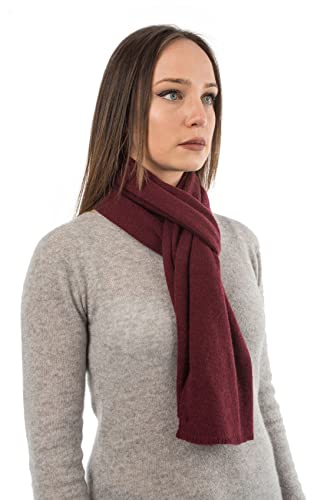
PURE CASHMERE SOFTNESS: Woven from 100% pure cashmere, this scarf feels light as air yet wonderfully warm, with a smooth touch that stays gentle against even the most sensitive skin.
Missoni’s Colorful Knitwear Legacy
Founded in 1953 by Ottavio and Rosita Missoni, Missoni made patterned knitwear its central language. Zigzags are the best-known code, but the house also works with stripes, waves, space-dyed yarns, open textures, and layered color. The result can feel bohemian and relaxed while still showing difficult textile work.
| Signature | What You Get | Why It Matters |
|---|---|---|
| Zigzag knit | Instant recognition | Strong visual identity |
| Family heritage | A consistent textile focus | Clear continuity |
| Color-rich palette | Easy statement dressing | Distinctive without heavy logos |
The earlier draft’s claim that Angela Missoni still directs the brand is outdated. Recent collections have been presented under creative director Alberto Caliri. Missoni also extends its textile identity into home furnishings and interiors, making it one of the clearest lifestyle houses on this list.
Versace’s Bold Baroque Luxury Codes
Versace is built for visibility. Baroque prints, gold hardware, the Medusa emblem, chain motifs, saturated color, and body-conscious silhouettes create a style that rarely disappears into the background. Founded by Gianni Versace in 1978, the house developed a glamorous language shaped by classical references, pop culture, nightlife, and celebrity.
Versace entered a new creative phase when Pieter Mulier became Chief Creative Officer on July 1, 2026. That change is important for freshness, but the core house codes remain the most useful guide when deciding whether the brand suits you.
Baroque Prints and Gold
Versace’s baroque patterns combine scrolling ornament, classical imagery, strong contrast, and gold. They work best when you want the garment or accessory to lead the outfit. You can wear a fully printed shirt or dress, but one scarf, belt, or small bag often gives you the same house identity with more flexibility.
Gold hardware reinforces the sense of spectacle. It signals confidence rather than restraint, so it pairs most easily with simple black, white, denim, or solid color pieces.
Medusa as Signature Motif
The Medusa head is Versace’s most recognizable emblem. It appears on bags, footwear, jewelry, belts, ready-to-wear, and home products. The symbol connects the house to Greek mythology and the classical visual culture of southern Italy, while its use as hardware gives products an immediate focal point.
Choose Medusa-heavy pieces when you enjoy visible branding. For a quieter approach, look for the house’s tailoring, color, or print language without a large emblem.
Prada’s Modern Mindset and Craft
Prada began in Milan in 1913 as a leather-goods business and later became one of fashion’s most influential idea-driven houses. Its appeal comes from contrast: refined leather beside industrial nylon, strict tailoring beside awkward proportions, and simple surfaces beside complex concepts. Prada often makes you look twice rather than offering instant prettiness.
Past Meets Future
Saffiano leather provides structure and scratch resistance, while nylon shows how a practical material can be repositioned as luxury. Prada uses both to connect heritage with experimentation. That balance makes the brand useful for people who want accessories that feel polished but not traditional.
- Choose accessories that balance function and finish.
- Check the weight, closure, lining, and pocket layout before buying.
- Buy pieces that fit your daily routine instead of choosing only by logo.
Prada’s strongest work usually feels precise, practical, and slightly unexpected. That tension is a larger part of the brand than any single logo.
Miuccia and Raf
Miuccia Prada took a leading role in the family company in the late 1970s and transformed its creative identity. Raf Simons joined her as co-creative director in 2020, with equal creative responsibility. The Prada Group still identifies Miuccia Prada and Raf Simons as co-creative directors.
Their collections often combine uniform dressing, subcultural references, unusual color, sharp outerwear, and deliberate discomfort. You may find the result elegant, strange, or both. That reaction is part of Prada’s purpose.
Rebellious Craftsmanship
Prada’s rebellion is controlled rather than careless. The construction remains clean even when the proportion, material, or styling challenges familiar ideas of luxury.
- Saffiano leather offers a firm, recognizable surface.
- Retro references often meet modern shapes or technical materials.
- Simple items can carry unusual details that reward closer inspection.
This is a good house for you when you want a wardrobe that looks refined without feeling predictable.
Giorgio Armani’s Quiet Luxury Formula
Giorgio Armani, founded in Milan in 1975, changed modern tailoring by reducing stiffness. Jackets became lighter, lines became more fluid, and neutral colors created authority without the hard structure of older business dress. The house’s official history describes this approach as a balance between rigor and freedom.
| Element | Effect |
|---|---|
| Unstructured jacket | Ease and movement |
| Navy, gray, taupe, and black | Quiet refinement |
| Soft, quality fabrics | Comfort and drape |
| Giorgio Armani, Emporio Armani, Armani Privé | Different levels and occasions |
Giorgio Armani died on September 4, 2025, so it is more accurate to discuss his design legacy rather than write as though nothing has changed. The house continues to build on the relaxed tailoring, eveningwear, and disciplined palette that made the Armani name influential.
Gucci’s Maximalist Italian Glamour
Gucci was founded in Florence in 1921 and grew from luggage and leather goods into a global fashion house. Its long-running codes include horsebit hardware, bamboo handles, the interlocking GG, green-red-green web stripes, loafers, and equestrian references. Different creative eras have pushed those codes toward sleek sensuality, romantic maximalism, restraint, or cultural provocation.
The article originally treated Alessandro Michele’s maximalist Gucci as current. Michele left Gucci and now leads Valentino. Demna became Gucci’s Artistic Director in July 2025, so current Gucci should not be reduced to the aesthetic of one former designer.
Maximalist Color and Grandeur
Alessandro Michele’s 2015 to 2022 Gucci era made layered prints, vintage references, embroidery, saturated color, and gender-fluid styling central to the brand’s recent image. That period remains influential in the resale market and in how many shoppers still picture Gucci.
- Use one saturated color or print as the focus.
- Mix textures only when they share a color or proportion.
- Let a statement bag, loafer, or belt anchor the outfit.
Maximalism works best when it looks deliberate. Repeating one color, metal finish, or motif keeps the outfit from becoming random.
Intricate Details and Heritage
Gucci’s heritage is easiest to see in the details: horsebit hardware, bamboo handles, web stripes, and GG canvas. These elements come from travel, saddlery, and leather-goods history rather than from decoration alone.
The most versatile Gucci purchases usually use one or two house codes instead of all of them at once. A horsebit loafer, bamboo-handle bag, or plain leather belt can communicate the brand more quietly than a fully monogrammed look.
Fendi’s Fur, Leather, and Icons
Founded in Rome in 1925 as a family leather and fur workshop, Fendi built a strong identity around material experimentation and playful accessories. The Baguette bag, introduced in 1997, became a defining compact shoulder bag, while the FF or Zucca monogram developed under Karl Lagerfeld remains widely recognized.
- The FF monogram gives you immediate recognition.
- The Baguette offers a compact shape with many materials and finishes.
- Leather construction and surface treatments show the house’s practical craft.
Fendi still works with fur. Its official sourcing page says the material remains central to the house and outlines certification and traceability goals, so it would be inaccurate to imply that the brand has moved away from fur. Buyers with animal-welfare concerns should review the policy before purchasing. Fendi also entered a new creative chapter when Maria Grazia Chiuri was appointed Chief Creative Officer in October 2025.
Bottega Veneta’s Leather Craft Mastery
Since 1966, Bottega Veneta has built its identity around leather, restrained branding, and the Intrecciato weaving technique. The weave is not only decorative. It creates a flexible surface from strips of leather and gives the house an identity that can be recognized without a large logo.
The Pouch, Cassette, and Jodie show how the brand can move from soft volume to padded geometry while keeping leather at the center. Tomas Maier helped establish a long era of discreet luxury, while later designers pushed the materials into more sculptural forms. Louise Trotter joined as Creative Director in January 2025.
Bottega Veneta suits you when you want strong construction and design recognition without obvious monograms. Check the leather finish and weave size carefully because smooth, padded, and open-weave pieces age differently.
Valentino’s Romantic Couture Identity
Founded in Rome in 1960 by Valentino Garavani and Giancarlo Giammetti, Valentino built a couture identity around graceful proportion, eveningwear, embroidery, and a vivid red closely associated with the house. Rockstud accessories later added a harder edge to that romantic foundation.
- Wear Valentino Red when you want immediate presence.
- Choose Rockstud details when you want contrast between polish and edge.
- Look at fabric, movement, and finishing rather than relying only on celebrity styling.
The article’s earlier Gucci section placed Alessandro Michele in the wrong current role. Michele became Valentino’s Creative Director in April 2024 and now oversees its fashion, accessories, and haute couture direction.
Dolce&Gabbana’s Sicilian Glamour
Founded in 1985 by Domenico Dolce and Stefano Gabbana, Dolce&Gabbana combines southern Italian references with corsetry, black lace, floral prints, religious imagery, tailoring, and decorative surface work. The house is direct and theatrical rather than quiet.
You may like it when you want fitted shapes, ornate eveningwear, sharply cut menswear, or prints that feel tied to Mediterranean visual culture. Start with one strong item and keep the rest of the outfit simple. That lets the craftsmanship and pattern remain visible without competing elements.
Ferragamo’s Footwear and Leather Innovation
Salvatore Ferragamo established his Florence company in 1927 after building a reputation in the United States as a shoemaker for film stars. The house became known for studying the foot, experimenting with structure, and using unusual materials. The cork wedge and Rainbow sandal are important parts of its design history.
Today, Ferragamo covers footwear, bags, ready-to-wear, silk, and accessories, but shoes remain the clearest entry point. The Vara bow pump, Gancini hardware, loafers, and clean leather goods suit shoppers who want recognizable Italian craft without the visual intensity of Versace or Dolce&Gabbana.
Brunello Cucinelli’s Soft Tailoring and Cashmere
Brunello Cucinelli began working with colored cashmere in 1978 and built a luxury identity around soft knitwear, relaxed tailoring, muted color, and the idea of refined everyday clothing. The brand’s home in Solomeo is central to its public story and production culture.
The style works well when you prefer warm neutrals, layered textures, unstructured jackets, and clothing that looks expensive without obvious logos. Cashmere quality can vary even within luxury, so check fiber feel, knit density, pilling risk, care instructions, and whether the shape works with the rest of your wardrobe.
Zegna’s Wool and Menswear Expertise
Zegna grew from the Ermenegildo Zegna wool mill founded in 1910 in northern Italy. Its strength begins with textiles, especially fine wool, then extends into suits, jackets, trousers, knitwear, footwear, and modern luxury sportswear.
The house is a strong choice when fabric quality matters more to you than visible branding. Its tailoring is generally cleaner and more restrained than the dramatic codes of Versace or Gucci. Zegna also controls important parts of its textile supply chain, which gives the company deeper technical knowledge of fiber selection, weaving, and finishing.
Moncler’s Luxury Outerwear Evolution
Moncler began in 1952 with mountain equipment and protective outerwear, then developed the down jacket into a global luxury product. Remo Ruffini took control in 2003 and repositioned the brand around technical performance, recognizable quilting, and fashion-led collaborations.
Note: Moncler is often grouped with Italian luxury because Moncler S.p.A. is headquartered in Italy and led by an Italian group. However, the brand itself was founded in Monestier-de-Clermont, France, near Grenoble.
From Alpine Gear to Luxury
Moncler’s move from mountain utility to fashion did not remove its performance roots. Down fill, lightweight shells, weather protection, and freedom of movement still shape the product. The difference is that the jackets now also use tailored proportions, polished fabrics, bold color, and luxury pricing.
- Check warmth level and fill information for your climate.
- Confirm whether the fabric is water-resistant or only lightly protective.
- Choose the fit with your normal winter layers underneath.
A beautiful jacket is not useful if it is too warm, too delicate, or too tight for the weather you actually face.
Quilted Icon Collaborations
Collaborations and the Moncler Genius platform helped the house present many creative interpretations of the puffer jacket. These projects can make a familiar product feel new through proportion, color, material, or styling.
Limited editions may carry stronger resale attention, but they are not automatically better made or more practical. Judge the exact garment, not the scarcity message.
Stone Island’s Technical Fashion Edge
Founded in 1982 by Massimo Osti, Stone Island grew from fabric experimentation. Its first Tela Stella jackets used a resin-treated, military-inspired canvas, and later work explored garment dyeing, reflective materials, heat-reactive finishes, coated textiles, and unusual fibers. The compass badge became a strong sign of community and recognition.
- You get garments shaped by material research rather than decoration alone.
- You enter a style language linked to Italian casualwear, music, street culture, and football communities.
- You can choose from practical overshirts to highly experimental outerwear.
Stone Island became part of Moncler Group in 2021. The brand still presents research, form, and function as its central values.
Loro Piana’s Cashmere and Wool Excellence
Loro Piana traces its modern company history to 1924 and is best known for cashmere, wool, vicuña, and other fine fibers. Its appeal is tactile rather than logo-driven. The quality is meant to be felt in softness, weight, drape, warmth, and finish.
The house sources cashmere from Mongolia and Inner Mongolia and developed its Baby Cashmere program around the very fine underfleece of young goats. Loro Piana also discusses certification work and responsible-cashmere standards, but buyers should still avoid turning any luxury sustainability statement into a blanket guarantee.
Choose Loro Piana when you want quiet color, excellent hand feel, and garments designed to move across casual and formal settings. A scarf or simple knit is often a more practical first purchase than a delicate light-colored coat.
Why Italian Fashion Feels Timeless
Italian fashion feels timeless when a piece combines a recognizable design idea with material and construction that can survive repeated wear. Prada’s Saffiano leather, Bottega Veneta’s Intrecciato, Ferragamo’s footwear engineering, Missoni’s knit structures, and Armani’s relaxed jackets all show different ways to create continuity.
- You can recognize the design without depending on a short-lived trend.
- The material supports the shape and purpose of the item.
- The piece works with clothes you already own.
Timeless does not mean plain, and it does not guarantee investment value. A Versace print can remain culturally important, while a simple luxury sweater can date quickly if its proportion is tied to one season. Longevity comes from the relationship between design, use, care, and your own style.
The most lasting luxury purchase is not always the quietest or most expensive one. It is the piece whose material, construction, and design still make sense after the trend cycle moves on.
How to Choose the Right Italian Brand
Start with the role the item needs to play. A work jacket, winter coat, evening bag, travel shoe, and statement dress require different materials and construction. Then match the brand’s strongest category to that need. Ferragamo is a logical place to begin for shoes. Moncler is stronger for insulated outerwear. Missoni makes sense for expressive knitwear. Zegna is compelling for fine wool and menswear.
| Brand Cue | What It Tells You |
|---|---|
| Materials | How the piece may feel, wear, and age |
| Construction | Whether the design is supported by real craft |
| House codes | How recognizable or versatile the item will be |
Next, inspect the exact product. Look at seams, edge paint, lining, hardware movement, pattern matching, knit recovery, button attachment, and care requirements. A famous house can make both exceptional and ordinary items. The label should guide your research, not replace it.
Pro Tip: Try the item with three outfits you already own. If it only works with a new wardrobe you have not bought, it is probably a fantasy purchase rather than a practical one.
Products Worth Considering
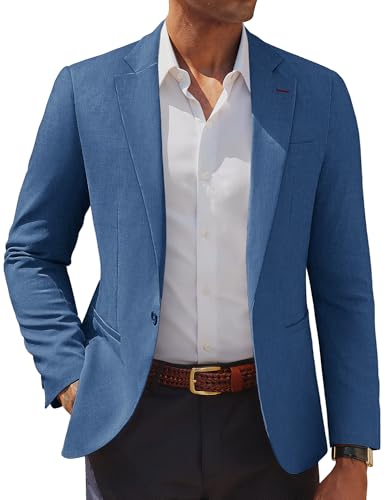
Material: This blazer is made of high quality Linen and Cotton fabric, only 570G for the size M. The fabric is very lightweight and breathable, and it can reduce perspiration. It dissipates heat 4 times more than wool and 18 times more than silk

Fabric: 66% Polyester, 34% Wool. Premium breathable fabric for year round use, provides a comfortable range of motion and doesn’t constrict your arms. Perfect for Autumn, Winter, and Spring.

SUPER SOFT and LUXURY THIN lightweight sweater made of 85% Wool 15% Silk. Perfect on its own or as a layer under your favorite blazers
How to Check Authenticity and Quality
Buy from the brand, an authorized retailer, or a resale platform with a clear authentication and return process. Packaging alone is weak evidence because boxes, dust bags, receipts, and cards can be copied or separated from the original item.
- Compare product details: Check shape, dimensions, stitching, hardware, lining, logo placement, and color against official product images.
- Inspect workmanship: Look for clean seams, secure hardware, even edge finishing, and materials that match the product description.
- Review the seller: A long history, clear photos, realistic pricing, and a written return policy reduce risk.
- Be careful with serial numbers: A number can support authentication, but it is not proof by itself.
- Use professional authentication: This is especially useful for high-value vintage or discontinued pieces.
Warning: A price far below the normal resale range, pressure to pay outside a protected platform, copied product photos, or refusal to show close details are strong reasons to walk away.
Products Worth Considering

100% GENUINE ITALIAN LEATHER: Luxury craftsmanship with thick, durable, pebbled leather that softens over time and resists wear. Crafted with care in Florence, Italy - a city renowned for its luxury leather goods and expert artisans

✔️ SLOW FASHION IS THE NEW BLACK. A simple and elegant full-grain leather tote bag adds character and style to every self-confident woman! Its universal look allows you to use the tote bag for various purposes. One may take the bag to the work, shopping, meeting, or walk and feel comfortable with it in any condition!

PREMIUM ITALIAN CRAFTSMANSHIP - Charo Garcia Italian leather crossbody bag is designed with timeless Italian artistry and fine detailing. Each Italian handmade crossbody purse offers both elegance and functionality, making it perfect for women seeking small crossbody bags for women that combine style and comfort for daily use.
Frequently Asked Questions
What are the top Italian fashion houses?
Gucci, Prada, Versace, Giorgio Armani, Valentino, Fendi, Bottega Veneta, Dolce&Gabbana, Missoni, Ferragamo, Brunello Cucinelli, Zegna, Stone Island, and Loro Piana are leading Italian names. Moncler is also commonly included because it is Italian-headquartered today, though it was founded in France.
Which Italian luxury fashion house is the most famous?
Gucci, Prada, and Versace are among the most widely recognized worldwide, but fame depends on category and region. Armani is especially influential in tailoring, Ferragamo in footwear, Fendi and Bottega Veneta in leather goods, and Valentino in couture and eveningwear.
How can you avoid looking like a tourist in Italy?
Wear clean, well-fitting clothes and practical shoes suited to the setting. Avoid treating Italians as if they follow one uniform dress code. Good grooming, calm behavior, and respect for church, restaurant, and evening dress expectations matter more than copying a supposed “local” outfit.
Which Italian city is best for luxury shopping?
Milan offers the broadest concentration of major luxury flagships, especially around the Quadrilatero della Moda. Florence is excellent for leather, heritage houses, and artisan workshops, while Rome combines international flagships with historic Italian brands and couture culture.
Are Italian luxury brands cheaper in Italy?
Sometimes, but not always. Regional pricing, exchange rates, sales tax, tourist VAT-refund eligibility, import duties at home, and credit-card fees can change the final cost. Compare the exact product code and total after-tax price rather than assuming every item is cheaper.
Which Italian brand is best for quiet luxury?
Loro Piana, Brunello Cucinelli, Giorgio Armani, Bottega Veneta, and Zegna are strong choices. They differ in focus: Loro Piana and Cucinelli emphasize soft fibers, Armani and Zegna excel in tailoring, and Bottega Veneta offers discreet but recognizable leatherwork.
Conclusion
Italian luxury fashion is not one style. It ranges from Missoni’s patterned knitwear and Versace’s visual drama to Armani’s fluid tailoring, Bottega Veneta’s woven leather, Ferragamo’s footwear, Zegna’s wool, and Loro Piana’s fine fibers. The best house is the one whose strongest craft matches the item you need and the way you already dress.
Use brand history as context, then inspect the product itself. Materials, construction, fit, care, and versatility tell you more about long-term value than fame alone. When those details are right, an Italian luxury piece can remain useful and distinctive for years.
Sources
- The Metropolitan Museum of Art: Made in Italy, Italian Fashion from 1950 to Now, historical context for Italy’s fashion, leather, textile, and manufacturing traditions.
- Camera Nazionale della Moda Italiana: Milano Fashion Week, Milan’s role in promoting major houses and new talent.
- Prada Group: Miuccia Prada and Raf Simons, current Prada co-creative direction.
- Kering: Demna Appointed Artistic Director of Gucci, Gucci’s current creative leadership.
- LVMH: Maria Grazia Chiuri Named Chief Creative Officer at Fendi, Fendi’s current creative leadership.
- Moncler Group History, Moncler’s French origin, Italian-led development, and Stone Island group history.
