
Last Updated on July 28, 2026 by Daniel Globe
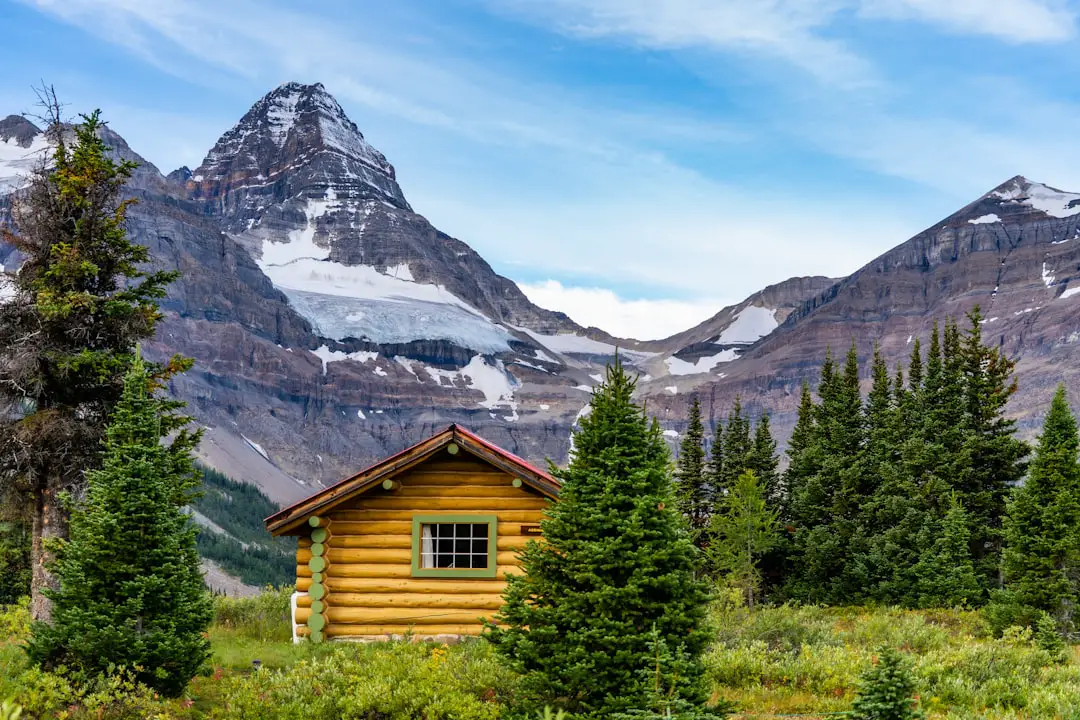
Denver is a practical city base for outdoor enthusiasts, but the right hotel depends on where you plan to walk. Downtown Denver is convenient for restaurants and museums, while Golden, Morrison, Lakewood, Boulder, and southwest metro locations reduce the drive to different trail systems. Most mountain trailheads still require a car, shuttle, tour, or rideshare.
Quick Answer
The best Denver hiking hotels are west or southwest of downtown, where you can reach Red Rocks, Mount Falcon, South Valley Park, and other foothill trails more easily. Downtown hotels suit travelers mixing hiking with city activities, while Boulder or Estes Park is a better base when the Flatirons or Rocky Mountain National Park is the main goal.
True hiker-only hotels are uncommon in Denver. Instead, look for a well-located property with early breakfast, parking, laundry access, a refrigerator, secure luggage storage, and staff who can help with current road or trail information. Confirm every amenity before booking, especially pet fees, parking charges, breakfast hours, and any claimed gear-storage or guided-hike service.
This guide explains how to choose a Denver hiking hotel, which areas work best for different trails, and which current properties fit solo travelers, families, luxury guests, budget travelers, and pet owners.
Disclosure: As an Amazon Associate I earn from qualifying purchases. Some links on this page are affiliate links, at no extra cost to you.
Key Takeaways
Key Takeaways
- Golden, Morrison, and Lakewood are usually better than the airport area for foothill hiking access.
- Downtown Denver works best when hiking is only part of a city-focused trip.
- Boulder is the most convenient base for the Flatirons, while Estes Park is better for repeated Rocky Mountain National Park visits.
- A rental car is the simplest option for most trailheads, although seasonal shuttles can help at places such as Chautauqua Park.
- Check altitude, weather, road, parking, reservation, and pet rules before every hike.
Best Areas to Stay for Hiking Near Denver
Choosing the right area can save more time than choosing a hotel with a long list of amenities. Match your base to the trails you expect to visit most often.
- Golden, Morrison, or west Lakewood: Best for Red Rocks Park, Mount Falcon Park, Lookout Mountain, and other Jefferson County foothill trails. These areas also provide faster access to Interstate 70 than downtown or the airport area.
- Downtown Denver: Best for travelers who want restaurants, nightlife, museums, and city attractions between hikes. It is not a trail-adjacent base, so plan for driving or arranged transportation.
- Boulder: Best for Chautauqua, the Flatirons, and Boulder Open Space trails. Staying in Boulder avoids repeating the Denver-to-Boulder drive.
- Littleton or southwest metro Denver: Best for South Valley Park, Deer Creek Canyon, Chatfield State Park, and easier family outings.
- Estes Park: Best when Rocky Mountain National Park is the main purpose of the trip. Estes Park, Boulder, and Golden are separate cities or towns, not Denver neighborhoods.
What to Look for in a Denver Hiking Hotel
Start with location, then check the practical details that affect an early trail day. A useful hiking base should make it easy to leave before traffic and return with muddy footwear or wet clothing.
- Parking: Confirm whether parking is included, secured, covered, or charged separately. Downtown parking can add a significant nightly cost.
- Early food and water: Check breakfast hours, in-room refrigeration, nearby grocery stores, and whether the hotel can provide a breakfast to go.
- Laundry: Self-service machines are often more useful than expensive same-day hotel laundry.
- Storage: Ask whether the property will hold luggage, trekking poles, snowshoes, or other equipment. Do not assume a general luggage room is suitable for valuable outdoor gear.
- Recovery amenities: A hot tub, pool, fitness room, or spa can be useful after a long hike, but these features do not make a downtown hotel closer to a trailhead.
- Flexible arrival: Early check-in and late checkout are usually subject to availability, so confirm rather than plan around them.
Note: Denver’s official elevation is 5,280 feet. Nearby foothill and alpine trails climb much higher. Spend time adjusting before a high-elevation hike, drink water, eat normally, and descend if headache, nausea, dizziness, unusual fatigue, or worsening shortness of breath develops.
Top Hiking Trails Near Denver
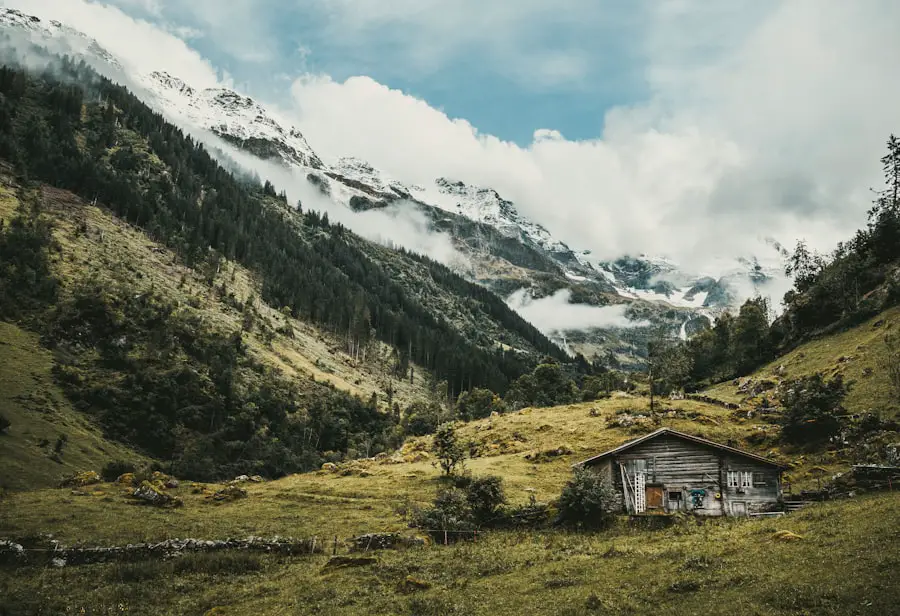
Denver provides access to city trails, foothill open space, state parks, and high-elevation destinations. The best choice depends on your fitness, available time, season, and tolerance for traffic or parking restrictions.
| Destination | Best For | Planning Note |
|---|---|---|
| Red Rocks Park | Short scenic walks and first-day hikes | Stay on designated trails; off-trail use and rock climbing are prohibited in the park. |
| Mount Falcon Park | Moderate foothill hikes and historic sites | The Morrison-side Castle Trail is a strenuous climb, while the west trailhead offers gentler route options. |
| Chautauqua and the Flatirons | Iconic Boulder views and varied difficulty | Parking is limited. Summer weekend and holiday visitors should review paid-parking rules and the free Park-to-Park shuttle. |
| Eldorado Canyon State Park | Creekside scenery, hiking, picnicking, and climbing views | Timed vehicle entry is required on Saturdays, Sundays, and summer holidays from May 1 through October 1. |
| Mount Blue Sky | High-alpine scenery and advanced hiking | The road ends just below the 14,264-foot summit and operates seasonally. Check current road status and timed-ticket requirements. |
| Rocky Mountain National Park | A full hiking-focused day or multi-day park trip | For 2026, timed entry is required during set hours from May 22 into October. Bear Lake Road uses a separate reservation window. |
Mount Blue Sky was officially renamed from Mount Evans in 2023. The scenic road reopened for the 2026 season after construction, but access remains weather-dependent and may be interrupted by special events or temporary closures. Treat it as a high-alpine outing rather than a casual city hike.
The best Denver hiking base is not necessarily the fanciest hotel; it is the property that removes the most driving, parking, and early-morning friction from your planned trail days.
Warning: Mountain weather can change quickly. Check the forecast and trail conditions, start high-elevation summer hikes early, carry layers and the Ten Essentials, and turn around when thunder, lightning, heavy rain, wildfire smoke, snow, or altitude symptoms make the route unsafe.
Amenities to Consider for Hikers
| Hotel Amenity | Why It Helps |
|---|---|
| On-site or included parking | Makes pre-dawn departures simpler and prevents surprise downtown parking costs. |
| Early breakfast or kitchenette | Lets you eat before the dining room opens and prepare snacks or a packed lunch. |
| Guest laundry | Useful for muddy socks, base layers, and repeated hiking days. |
| Luggage or gear storage | Helps before check-in or after checkout, but valuable equipment should be stored only with the hotel’s approval. |
| Front desk or concierge | Can help confirm local transportation and services, though official park pages remain the best source for closures and permits. |
Pro Tip: Call the property directly before booking and ask four questions: What time does breakfast begin? What does parking cost? Is guest laundry available? Will the hotel safely hold hiking equipment before check-in or after checkout?
Getting to Trailheads Without a Car
Denver’s rail and bus network is useful for moving around the city, but it does not provide simple direct service to most foothill and mountain trailheads. Rideshare availability may also be unreliable for the return trip from remote areas.
Travelers without a car have a few workable choices:
- Stay in Boulder and use the seasonal Park-to-Park shuttle for Chautauqua on operating days.
- Book a licensed guided hiking tour that includes transportation.
- Choose urban walks and trails within Denver for car-free days.
- Arrange round-trip transportation in advance instead of depending on a one-way rideshare pickup.
For a trip built around several foothill parks or Rocky Mountain National Park, a rental car is usually the most flexible choice. Check winter driving conditions and make sure the vehicle and your driving experience match the route.
The Best Denver Hiking Hotels for Solo Travelers
11th Avenue Hostel is a current budget-oriented option with private and shared accommodations near central Denver. Hostel Fish is another downtown hostel choice for travelers who value a social setting. Neither property is beside a mountain trail, so transportation planning remains essential.
The Curtis suits solo travelers who prefer a full-service downtown hotel and want easy access to city dining and entertainment after hiking. Its central location is convenient for an urban trip, not for walking directly to foothill trailheads.
Family-Friendly Denver Hiking Hotels
Families often benefit more from a suite, kitchenette, included breakfast, and pool than from a downtown luxury address. Residence Inn Denver Southwest/Littleton offers in-room kitchens and complimentary breakfast, making it a practical base for southwest-metro outings.
South Valley Park has relatively level terrain suited to hikers who prefer an easier outing, although trails are natural-surface and families must remain on designated paths. Cherry Creek State Park offers an extensive multiuse trail system for walking, biking, and family recreation.
Before booking, confirm pool hours, crib or rollaway availability, room occupancy limits, parking, and whether breakfast begins early enough for your planned departure.
Luxurious Denver Hiking Hotels
Four Seasons Hotel Denver combines a central theater-district location with a spa and heated rooftop pool terrace. It is a strong choice for post-hike recovery and city access, but it does not provide direct access to mountain trails.
The Ritz-Carlton, Denver is another downtown luxury option with spa services and concierge support. Use the concierge for transportation or tour planning, but verify any guided-hike offering before treating it as part of the booking.
Budget-Friendly Denver Hiking Hotels
Hostels generally provide the lowest-cost central beds, while chain hotels in Lakewood, Golden, or southwest metro Denver can offer better value for travelers with a car. Compare the full cost rather than the room rate alone: parking, breakfast, resort or destination fees, pet charges, and the extra driving required from the airport area can erase an apparent bargain.
Airport-area hotels make sense when an early flight or late arrival is the priority. They are not the best default for a hiking-focused stay because most major foothill destinations are on the opposite side of the metro area.
At a Glance: Money-Saving Choices
| Lowest-Cost Central Stay | A hostel bed or simple private hostel room, with transportation planned separately |
| Best Value With a Car | A Lakewood, Golden, Morrison-area, or southwest-metro hotel with parking and breakfast included |
| Best for Flight Logistics | An airport hotel when the flight schedule matters more than trailhead proximity |
Pet-Friendly Denver Hiking Hotels
Origin Hotel Red Rocks offers pet-friendly rooms in a west-metro location suited to Red Rocks and Golden-area outings. The Golden Hotel is a pet-friendly property in downtown Golden near Clear Creek, while The Curtis is a pet-friendly downtown Denver option. Always confirm the latest fee, number-of-pets limit, weight rule, and unattended-pet policy.
A pet-friendly hotel does not guarantee a pet-friendly trail. Dogs and other pets are prohibited on all trails, tundra, and meadows in Rocky Mountain National Park. Denver parks generally require dogs to remain leashed and under physical control. Cherry Creek State Park has a separate off-leash area, but an additional dog-area pass is required.
Note: Check the exact trail’s managing-agency page before bringing a dog. Rules can differ between national parks, state parks, city mountain parks, and county open-space systems.
Unique Features of Denver Hiking Hotels
Some properties promote an outdoor lifestyle, but services such as scheduled guided hikes, equipment rental, boot rooms, or specialized trail breakfasts are not standard across Denver hotels. Treat each claimed feature as property-specific and verify that it is available on your dates.
Useful extras can include local guide referrals, shuttle partnerships, packed meals, bike storage, hydration stations, or a lobby shop with basic supplies. Outdoor workshops may cover photography or wilderness skills, but official park guidance should take priority over promotional advice when conditions, closures, fire restrictions, or permits are involved.
Seasonal Planning and What to Pack
- Spring: Expect a mix of dry foothill trails, mud, lingering snow, and changing road access at higher elevations.
- Summer: Start alpine hikes early, carry sun protection and rain layers, and watch for afternoon storms.
- Fall: Prepare for colder mornings, shorter daylight, and possible early snow at elevation.
- Winter: Check avalanche and road information where relevant, and carry traction suitable for the chosen trail.
Pack layers, water, food, navigation, sun protection, a first-aid kit, emergency shelter, a light, and footwear suited to the actual surface. Waterproof trail footwear can help in snowmelt or wet weather; this guide to waterproof sneakers offers additional ideas, but grip, fit, and trail conditions matter more than the marketing label. A ski travel bag is useful only when the trip also includes winter sports or bulky snow equipment.
Finding the Perfect Denver Hiking Hotel
Build the trip around your highest-priority trail system. Choose Golden, Morrison, or Lakewood for foothill access; Boulder for the Flatirons; southwest metro Denver for family-friendly open space; downtown for a balanced city-and-hiking itinerary; or Estes Park for repeated Rocky Mountain National Park days.
Before paying, compare the hotel’s total price and confirm parking, breakfast hours, laundry, storage, pet rules, and cancellation terms. Then check official trail conditions, reservations, road closures, weather, and wildfire information shortly before each outing. That process is more reliable than choosing a hotel simply because it describes itself as “outdoor-inspired.”
Frequently Asked Questions
What are the best areas to stay near Denver for hiking?
Golden, Morrison, and west Lakewood are convenient for Red Rocks, Mount Falcon, and other foothill parks. Boulder is better for the Flatirons, southwest metro Denver works for South Valley and Chatfield, and Estes Park is the stronger base for repeated Rocky Mountain National Park visits.
Is downtown Denver a good base for hiking?
Downtown is a good base when you want city dining, museums, and nightlife as well as a few hiking days. It is not next to the foothill trailheads, so include driving time, parking, and transportation costs in the plan.
Do I need a car for hiking near Denver?
A car is the easiest option for most foothill and mountain trailheads. Seasonal shuttles help in limited places, including Chautauqua Park, and guided tours may include transportation. Do not assume a rideshare will be available for the return trip from a remote trailhead.
What are popular hiking destinations near Denver?
Popular choices include Red Rocks Park, Mount Falcon Park, South Valley Park, Chautauqua and the Flatirons, Eldorado Canyon State Park, Mount Blue Sky, and Rocky Mountain National Park. Difficulty, elevation, parking, permits, and seasonal access vary widely.
Are there Denver hotels that cater specifically to hikers?
A few hotels use outdoor-focused branding, but specialized hiking services are not standard. Confirm any promised gear storage, guided hike, rental, packed breakfast, or shuttle directly with the property before booking.
Can I hike with my dog near Denver?
Many local and state-park trails allow leashed dogs, but rules vary. Pets are prohibited on every trail in Rocky Mountain National Park. Check the managing agency’s current rules, leash requirements, fees, and seasonal restrictions before leaving the hotel.
How should visitors prepare for Denver’s altitude?
Begin with an easier, lower-elevation outing, rest, drink water, eat regularly, and avoid pushing higher when symptoms appear. Headache, nausea, dizziness, unusual fatigue, vomiting, or worsening breathlessness are reasons to stop; descent is the key response when altitude illness becomes more serious.
Sources
- City and County of Denver — Mountain Parks — official information on Denver’s foothill and mountain park system
- Colorado Department of Transportation — Mount Blue Sky Scenic Byway — road, elevation, seasonal access, and reservation guidance
- National Park Service — Rocky Mountain National Park Timed Entry — current 2026 reservation dates and entry windows
- National Park Service — Pets in Rocky Mountain National Park — official trail restrictions for pets
- City of Boulder — Chautauqua Park — trailhead, parking, and seasonal shuttle information
- Colorado Parks and Wildlife — Eldorado Canyon State Park — official trail, fee, and timed-entry details

