
Last Updated on July 27, 2026 by Daniel Globe
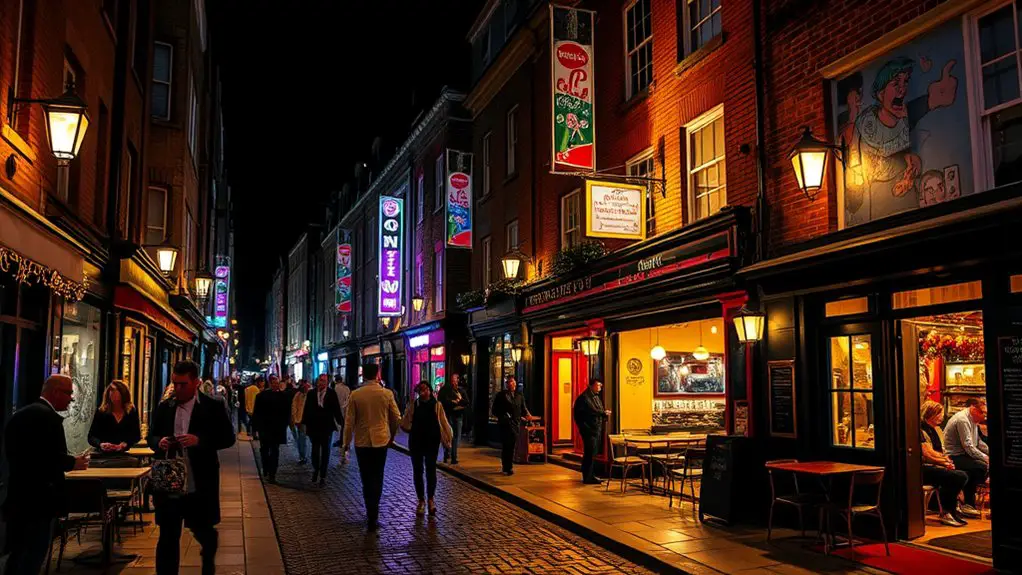
Choosing the best area to stay in London for nightlife comes down to the kind of night you want. Soho puts bars, pubs, LGBTQ+ venues, restaurants and West End entertainment within easy walking distance, while Shoreditch is stronger for DJs and late-night clubs. Camden leads for live music, Mayfair for luxury, and Brixton for a lively south London scene. Your hotel location matters too: staying close to the action is convenient, but the busiest streets can be noisy well after midnight.
Quick Answer
For most visitors, Soho is the best area to stay in London for nightlife because it combines bars, pubs, live entertainment, restaurants and a central West End location. Choose Shoreditch for clubs and trendier late nights, Camden for live music, Mayfair for luxury, or Brixton for a more local music-focused scene.
Key Takeaways
- Soho is the strongest all-round choice for first-time visitors who want nightlife and central sightseeing in the same area.
- Shoreditch is better for DJs, late-night clubs, creative bars and an east London atmosphere.
- Camden is one of the best bases for live music, alternative venues and casual pubs.
- Mayfair suits travelers who prioritize luxury hotels, polished cocktail bars and high-end dining.
- South Bank and Covent Garden work well for theatre, performances, restaurants and a less club-focused evening.
- Late transport varies by day. London’s Night Tube currently runs on Friday and Saturday nights on selected lines, while night buses provide broader overnight coverage.
Best London Nightlife Areas at a Glance
| Soho | Best overall. Bars, pubs, live music, LGBTQ+ nightlife and West End access. Hotels are expensive and street noise can be high. |
| Shoreditch | Best for clubs and trendy bars. Creative, energetic and often late-running, with busy streets on weekend nights. |
| Camden | Best for live music. Alternative venues, pubs and major concert spaces with somewhat better value than the West End. |
| Mayfair | Best for luxury. High-end hotels, cocktail bars and fine dining, with some famous venues restricted to members and guests. |
| South Bank | Best for culture and river views. Excellent for performances, restaurants and drinks; weaker for serious clubbing. |
| Leicester Square & Piccadilly | Best for West End entertainment. Extremely central for theatres, cinemas, bars and restaurants, but busy and tourist-heavy. |
| Brixton | Best for a music-focused local night. Live venues, clubs, restaurants and strong Victoria line transport. |
| Covent Garden | Best for theatre and cocktails. Central, polished and convenient, but usually expensive. |
| Clapham | Best for pubs and a local south London atmosphere. A good alternative when you do not need to sleep in the West End. |
How to Choose Where to Stay for London Nightlife
The most famous nightlife district is not automatically the best place for your hotel. Think about what you plan to do after dark and how often you will return to your room during the day.
- Choose Soho if this is your first London trip and you want restaurants, theatres, bars and sightseeing within easy reach.
- Choose Shoreditch if clubs, electronic music, creative bars and late nights matter more than being beside the main West End sights.
- Choose Camden if your evenings revolve around gigs and alternative music.
- Choose Mayfair if accommodation budget is secondary to luxury hotels, polished bars and high-end dining.
- Choose South Bank or Covent Garden if you prefer theatre, performances and restaurants over clubbing.
- Choose Brixton or Clapham if you want a more local south London base with nightlife on your doorstep.
Pro Tip: You do not need to sleep directly above the busiest bar street. A hotel two or three streets away can keep you within an easy walk of the action while giving you a better chance of a quieter room. Check recent hotel reviews for comments about street noise, clubs and late-night crowds.
Soho: Best Overall for London Nightlife
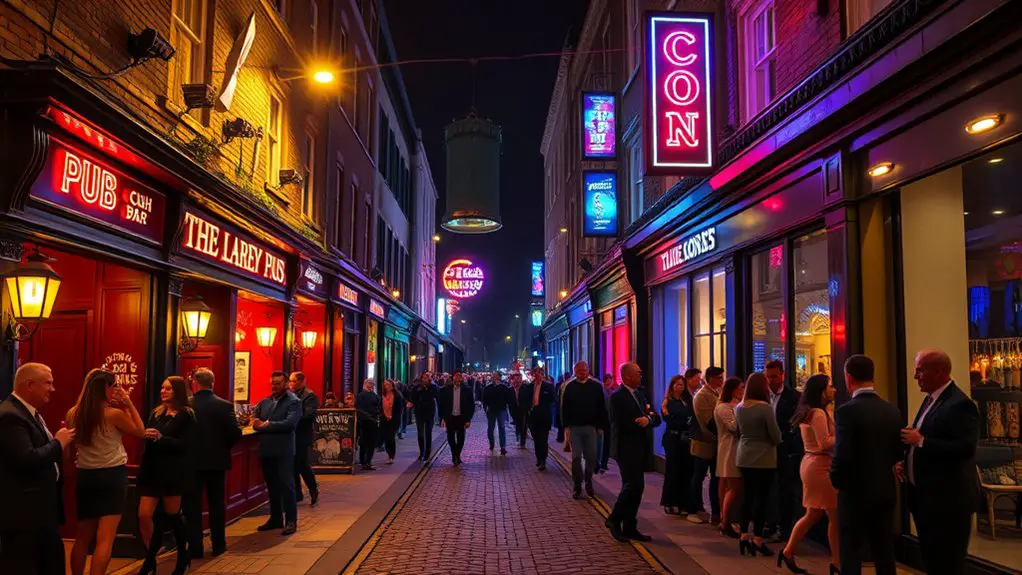
If you want the most convenient all-round nightlife base, Soho is difficult to beat. London’s official visitor guide highlights the area for live entertainment, restaurants, pubs, cocktail bars, music venues and a long-established LGBTQ+ scene around Old Compton Street.
You can move easily between traditional pubs, jazz clubs, cocktail bars, karaoke and West End entertainment without needing to cross the city. Chinatown, Leicester Square, Covent Garden and Carnaby are also within easy walking distance.
That concentration is exactly why Soho works so well for first-time visitors: you can sightsee during the day, return to your hotel, then walk back out for dinner and drinks.
The trade-off is cost and noise. Central hotels can be expensive, and rooms facing busy nightlife streets may hear late-night crowds.
Best for: First-time visitors, LGBTQ+ nightlife, cocktails, pubs, restaurants and travelers who want a central base.
Consider staying: near Soho Square, Carnaby or the edges of Fitzrovia if you want easy access without being directly on the busiest late-night streets.
For current nightlife listings, see the official Visit London Soho guide.
Shoreditch: Best for Clubs and Trendy Bars
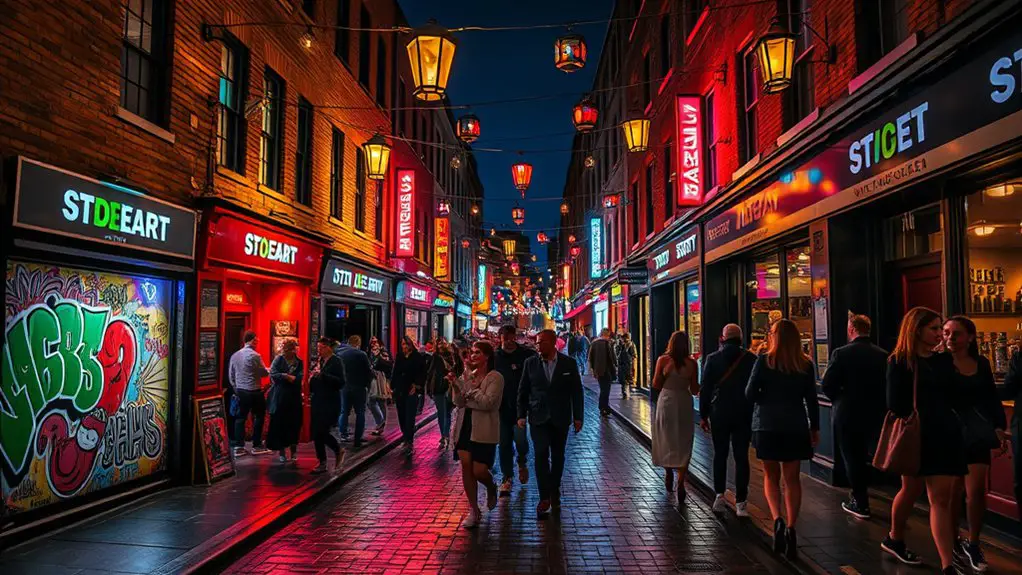
Shoreditch is one of London’s strongest choices when nightlife itself is the main reason for your trip. The area around Old Street, Curtain Road, Great Eastern Street and Shoreditch High Street combines cocktail bars, music venues, clubs and late-night food with east London’s creative atmosphere.
Vibrant Nightlife Scene
Shoreditch feels less polished than Mayfair and less traditionally West End than Soho. Its appeal comes from the mix: you might start at a cocktail bar, see live music and then move to a DJ-led club without leaving the neighborhood.
The atmosphere becomes especially busy on Friday and Saturday nights. Staying nearby makes the journey home easy, but travelers who need quiet sleep should avoid rooms directly over late-licensed venues.
Trendy Bars and Clubs
London venues change quickly, so always confirm the current programme before building a trip around a particular club. As of 2026, these are active examples in or around Shoreditch and Old Street:
| Venue | Type | Best For |
|---|---|---|
| Nightjar | Cocktail bar & live music | Intimate cocktails and jazz-style live entertainment |
| XOYO | Club | Electronic music and DJ-led nights |
| The Blues Kitchen | Live music, bar & restaurant | Live bands, food and later weekend nights |
| Queen of Hoxton | Bar, rooftop & events | Drinks, rooftop atmosphere and events |
| Village Underground | Live music & club venue | Concerts, electronic music and club nights |
You can confirm current details directly with Nightjar, XOYO and The Blues Kitchen Shoreditch.
Artistic and Cultural Vibe
Shoreditch’s nightlife is tied closely to its creative identity. Street art, independent galleries, restaurants, markets and small businesses give the neighborhood plenty to explore before evening begins.
Brick Lane, Old Spitalfields Market and Boxpark are within easy reach, while bars and venues cluster around Shoreditch High Street and Old Street.
Best for: Clubbing, DJs, creative bars, street art and travelers who prefer east London to the West End.
Main drawback: Weekend crowds and nighttime noise can be intense around the busiest streets.
Camden Town: Best for Live Music
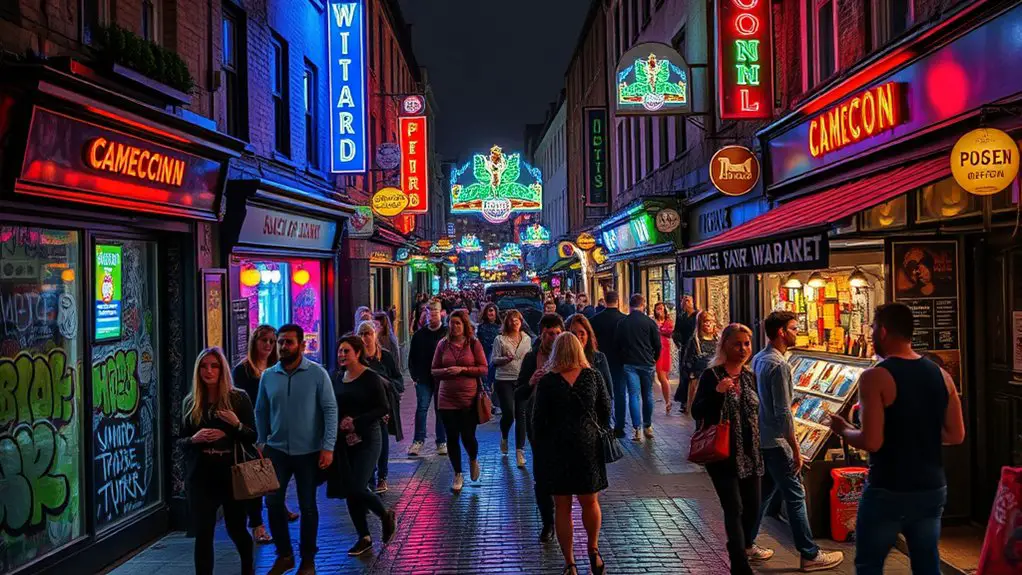
Camden is one of London’s most recognizable live-music districts. Its nightlife ranges from major concert spaces to smaller pubs, rock venues and bars.
The Roundhouse maintains a full programme of concerts and other performances, while Camden’s wider live-music scene includes venues such as KOKO, Electric Ballroom, Green Note, The Dublin Castle and Camden Assembly.
Camden also gives you daytime markets, food stalls and canal walks, so it works particularly well when music is a major part of the trip but not the only attraction.
Accommodation can offer better value than the central West End, although prices rise around major events and busy weekends.
Best for: Live music, rock, indie, alternative nightlife and concert trips.
Where to stay: Camden Town puts you closest to the busiest nightlife, while staying toward Chalk Farm can keep you near Roundhouse with a slightly less hectic feel.
Products Worth Considering


Mayfair: Best for Luxury Nightlife
Mayfair offers a different kind of evening. Instead of dense streets of casual clubs, expect luxury hotels, polished cocktail bars, high-end restaurants and venues with stricter dress or entry policies.
Upscale Nightclubs and Bars
Mayfair works best when you prefer well-made cocktails and refined hotel bars to a spontaneous pub crawl. The neighborhood is also within walking distance of Soho, allowing you to combine a luxury hotel base with the West End’s broader nightlife.
Some of Mayfair’s most famous names are not ordinary walk-in bars. Annabel’s is a private members’ club, while The Arts Club operates a formal membership system. Do not assume that staying nearby guarantees entry.
Exclusive Fine Dining
One of Mayfair’s strongest advantages is the ability to combine nightlife with a high-end dinner. The area contains luxury hotel restaurants, fine dining and sophisticated bars, making it a good choice for anniversaries, celebrations and travelers who want a more polished evening.
The trade-off is price. Mayfair is among the least suitable options for a nightlife trip on a tight accommodation budget.
Elegant Evening Venues
Hotel lounges, cocktail bars and restaurant bars are the most accessible way for visitors to experience Mayfair after dark. Dress standards vary, so check the individual venue before arriving.
Best for: Luxury hotels, cocktails, special occasions and fine dining.
Main drawback: High costs and restricted access at some of the area’s famous private clubs.
South Bank: Best for Culture and River Views
South Bank is a better choice for evening culture than for all-night clubbing. The riverfront is home to major performance venues, theatres, restaurants and bars, giving you plenty to do without centering the night around dance clubs.
You can attend a performance at the Southbank Centre or National Theatre, then have drinks or dinner beside the Thames. Waterloo also provides strong transport links to the rest of London.
Tate Modern is farther east along the river at Bankside and is worth combining with a South Bank day, but gallery and event hours vary. Check the current programme rather than assuming it will remain open late.
The riverside setting is particularly good for couples and travelers who prefer a scenic walk, theatre or cocktails after dinner.
Best for: Theatre, performances, riverside restaurants, cultural trips and couples.
Main drawback: It is not the best London base if your priority is dense late-night clubbing.
Leicester Square and Piccadilly Circus: Best for West End Entertainment
Leicester Square and Piccadilly Circus put you in the center of London’s commercial entertainment district. Theatres, cinemas, restaurants, bars, Chinatown and Soho are all close enough to reach on foot.
| Entertainment | West End theatres, cinemas, shows and street activity |
| Nightlife | Bars, pubs and quick access to Soho and Covent Garden |
| Main Trade-off | Heavy tourist traffic, bright streets, noise and generally high hotel prices |
This is a practical base if your nights revolve around West End shows and you want to walk back to your hotel afterward. For a more neighborhood-like atmosphere, Soho, Camden, Brixton or Clapham will usually feel less dominated by major tourist attractions.
Brixton: Best for Music and a Local Night Out
Brixton has a strong identity built around music, food and its diverse south London community. Visit London’s current area guide highlights live gigs, clubs, restaurants and venues including O2 Academy Brixton, Phonox and Electric Brixton.
It is particularly appealing when you want an energetic night out but do not need to sleep in the West End. Restaurants around Brixton Village and Market Row give you plenty of options before a gig or club night.
The Victoria line also makes Brixton practical for reaching central London, and it is one of the lines currently included in the Friday-and-Saturday Night Tube network.
Best for: Live music, club nights, food and travelers who prefer a south London neighborhood base.
Main drawback: It is farther from many traditional central sightseeing areas than Soho or Covent Garden.
Covent Garden: Best for Theatre and Cocktails
Covent Garden combines West End theatres, restaurants, pubs and cocktail bars with one of London’s most convenient central locations. It is a strong nightlife base for travelers whose ideal evening means dinner, a show and drinks rather than an all-night club.
The neighborhood is home to the Royal Ballet and Opera at the Royal Opera House, while surrounding streets provide comedy, theatre and bars within a compact area.
Soho, Leicester Square and the Strand are also close enough to reach on foot, giving you far more evening choice than Covent Garden alone.
Best for: Theatre, restaurants, cocktails, couples and first-time visitors.
Main drawback: Central accommodation is often expensive, and the area can be crowded around performances and weekends.
Clapham: Best for Pubs and a Local Nightlife Scene
Clapham is a useful alternative to central London when you want plenty of pubs, cocktail bars and late venues but do not need the West End outside your hotel door.
Clapham High Street and the area around Clapham Common contain a mix of casual pubs, music bars and later-night venues. Farther west, Clapham Junction has another cluster of restaurants, pubs and entertainment.
Official London tourism listings include live music bars and venues that stay open into the early hours, but hours differ considerably from one place to another.
Best for: Pubs, group nights out and travelers looking for a more local south London atmosphere.
Main drawback: You will spend more time traveling to traditional central attractions than you would from Soho or Covent Garden.
Late-Night Transport: What to Know Before Booking
Late transport should influence where you stay, especially if you plan to be out after the normal Tube closes.
Transport for London currently runs the Night Tube on Friday and Saturday nights on the Central, Jubilee, Northern, Piccadilly and Victoria lines. TfL also operates night buses, and Night London Overground services run on Friday and Saturday nights.
This makes areas near those lines particularly convenient for weekend nightlife. Soho, Camden, Brixton, Clapham, Mayfair and parts of the West End all have useful access to Night Tube stations.
Note: Do not assume the Tube runs overnight every day. Engineering work, line closures and service changes can also affect late journeys. Check the TfL journey planner or TfL Go before you leave your hotel.
Nightlife Safety Tips
London’s nightlife areas attract large crowds, and the same basic precautions that matter in any major city apply here. The Metropolitan Police specifically advises visitors to protect phones and valuables, remain aware of their surroundings, avoid leaving drinks unattended and use well-lit, busy streets where possible.
Warning: Only licensed black cabs can legally be hailed in the street. Minicabs should be pre-booked through a licensed operator. Keep your phone secure near roads and crowded pavements, where distraction theft and phone snatching can occur.
Plan your journey back before the night starts, especially on Sunday through Thursday when Night Tube service is not operating.
Frequently Asked Questions
Which area is best for late-night dining in London?
Soho is one of the most convenient choices because restaurants, bars and the dining areas around Chinatown are concentrated within a small part of the West End. Shoreditch is another strong option. Exact closing times vary, so check the restaurant before relying on very late service.
Are there family-friendly evening activities in these neighborhoods?
Yes. South Bank and Covent Garden are particularly good for early-evening restaurants, theatre and performances. Soho and Leicester Square also have shows and restaurants suitable for families. Traditional clubs and many late bars have age restrictions, so check individual venue rules.
Is London nightlife safe for solo travelers?
No nightlife district should be treated as risk-free. Stay aware of your surroundings, keep your phone and valuables secure, avoid leaving drinks unattended, use busy and well-lit routes, and plan your journey back in advance. Use licensed transport and follow current Metropolitan Police and TfL safety guidance.
Which London neighborhood is best for live music?
Camden is one of the strongest choices for live music because it combines major venues such as Roundhouse with smaller rock, indie and grassroots spaces. Soho also has historic jazz and music venues, while Brixton has major concert spaces and clubs.
What public transportation is available at night in London?
Night buses operate across London. On Friday and Saturday nights, the Night Tube currently operates on the Central, Jubilee, Northern, Piccadilly and Victoria lines, and TfL also runs Night London Overground services. Other rail and Tube services finish earlier, so check your exact route before going out.
Is Soho or Shoreditch better for nightlife?
Choose Soho for the most central mix of pubs, cocktail bars, LGBTQ+ venues, restaurants and West End entertainment. Choose Shoreditch if you care more about club nights, DJs, creative bars and an east London atmosphere. Soho is usually the easier choice for a first visit.
Where should light sleepers stay for London nightlife?
Look for a hotel on the edge of the nightlife district rather than directly above its busiest bars. A rear-facing room or higher floor can also help. Read recent guest reviews specifically for comments about street noise before booking.
Sources
- Visit London — London Nightlife — current overview of the city’s major nightlife districts and evening activities.
- Transport for London — Night Tube — current Night Tube operating days, lines and fare information.
- Transport for London — Safer Travel at Night — overnight transport options and nighttime travel guidance.
- Metropolitan Police — Staying Safe in London — personal safety, valuables, nightlife and licensed-transport guidance.
- Roundhouse — What’s On — current Camden concert and performance programme.
- The Blues Kitchen Shoreditch — current Shoreditch venue information, hours and admission guidance.
Conclusion
For most travelers who want nightlife without sacrificing sightseeing convenience, Soho is the best area to stay in London for nightlife. You can walk to bars, pubs, restaurants, LGBTQ+ venues, theatres and neighboring West End districts without making every evening a transport exercise.
Shoreditch is the better choice for clubbing and creative late-night venues, Camden stands out for live music, Mayfair suits luxury trips, and Brixton offers a strong music and food scene away from the West End. South Bank and Covent Garden are better when theatre, restaurants and cultural evenings matter more than dancing until late.
Whichever area you choose, check current venue hours and TfL service before going out, and consider staying a few streets away from the busiest nightlife strip if a quiet night’s sleep matters.
