
Last Updated on August 23, 2026 by Caleb Warren
Choosing the right backpack material affects how long your bag lasts, how comfortable it feels, and how well it handles weather and daily wear. The best backpack fabrics balance durability, weight, water resistance, and purpose. Nylon, polyester, ripstop fabrics, and advanced materials each have advantages depending on whether you need a hiking pack, travel bag, school backpack, or everyday commuter bag.
Quick Answer
The best backpack material depends on how you use your bag. Nylon is a strong, lightweight choice for outdoor and travel backpacks, while polyester offers good UV resistance and affordability for everyday use. Heavy-duty options like Cordura, ballistic nylon, and Dyneema provide extra durability for demanding conditions.
Key Takeaways
- Nylon provides excellent strength-to-weight performance for outdoor and travel backpacks.
- Polyester is affordable, durable, and resistant to sunlight exposure.
- Fabric coatings and construction methods often matter as much as the base material.
- Recycled fabrics can reduce environmental impact without sacrificing performance.
Disclosure: As an Amazon Associate I earn from qualifying purchases. Some links on this page are affiliate links, at no extra cost to you.
Importance of Material Selection in Backpack Design
The materials used in a backpack determine its durability, comfort, and resistance to daily challenges. A lightweight commuter backpack may prioritize comfort and affordability, while a hiking backpack needs stronger fabrics that can handle abrasion, moisture, and rough terrain.
Materials such as nylon, polyester, Cordura, and ballistic nylon are popular because they provide different combinations of strength, weight, and weather resistance. Choosing the right fabric helps ensure your backpack performs well for the environment where you use it.
Pro Tip: A durable fabric alone does not guarantee a durable backpack. Check stitching quality, zipper strength, seam construction, and reinforcement points before buying.
Overview of Common Backpack Fabrics
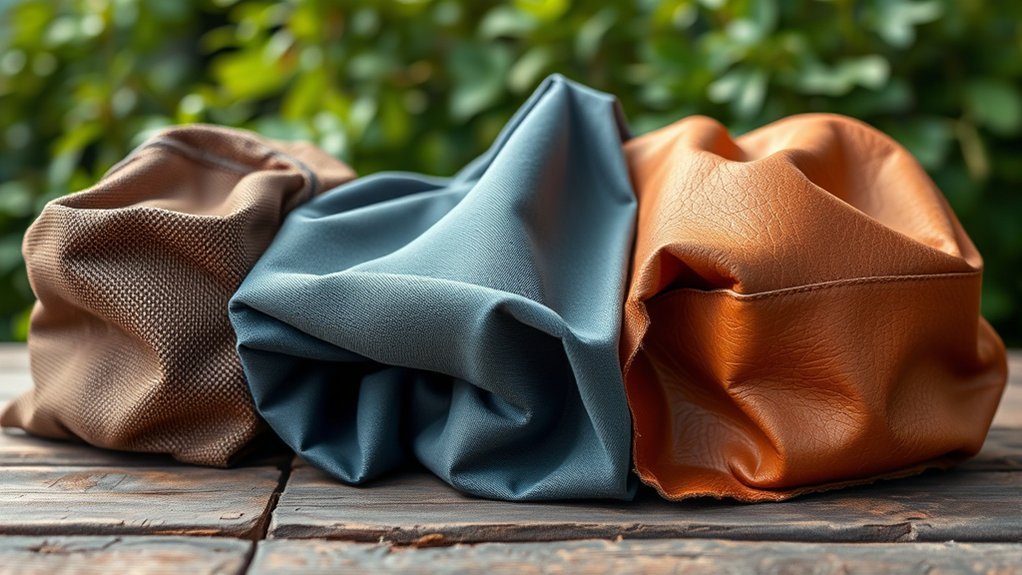
Different backpack fabrics are designed for different environments. Understanding their strengths helps you choose a bag that matches your needs.
- Nylon: Lightweight, strong, and commonly used in outdoor backpacks because of its durability and resistance to abrasion.
- Polyester: Affordable, quick-drying, and resistant to UV exposure, making it popular for everyday backpacks.
- Ripstop Fabric: Uses a reinforced weave pattern designed to stop small tears from spreading.
- Polypropylene: Offers chemical and moisture resistance but is less common for everyday backpacks.
- Cordura and Ballistic Nylon: Heavy-duty fabrics designed for demanding use where abrasion resistance is important.
Nylon vs Polyester: Which Is Better?
Nylon and polyester are the two most common backpack materials, but they perform differently.
| Material | Best For | Main Benefits |
| Nylon | Hiking, travel, outdoor use | High strength, lightweight, abrasion resistance |
| Polyester | School, work, everyday use | Affordable, UV resistant, quick drying |
Evaluating Fabric Durability and Maintenance Tips
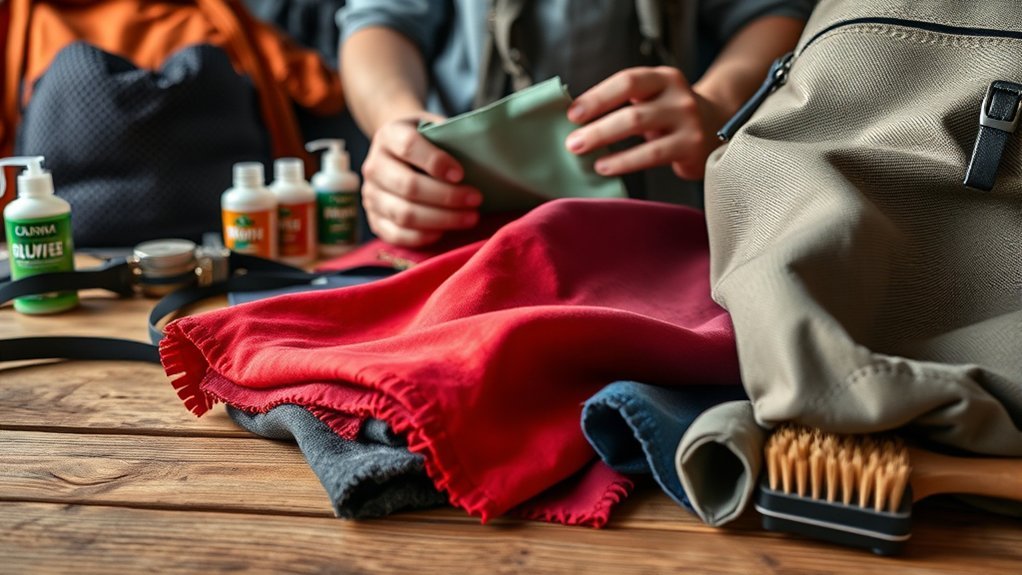
When comparing backpack fabrics, look beyond the material name. The denier rating indicates the thickness of individual fibers, with higher numbers generally meaning a heavier and stronger fabric. However, a higher denier does not always mean a better backpack because weight and design also matter.
For maintenance, clean your backpack with mild soap and water, avoid harsh chemicals, and allow it to dry completely before storing it. Proper care helps prevent fabric breakdown, odors, and premature wear.
Water-Resistant vs Waterproof Backpack Materials
Most backpacks are water-resistant rather than fully waterproof. Water-resistant fabrics can handle light rain and splashes, while waterproof backpacks require sealed seams, waterproof zippers, and specialized construction.
Warning: A backpack labeled water-resistant should not be treated as waterproof. Heavy rain or submersion may still allow water to enter through seams and openings.
Innovations in Backpack Fabric Technology
Modern backpack manufacturers continue developing materials that improve performance and sustainability.
- Recycled Polyester: Made from recycled plastic materials to reduce dependence on new resources.
- Nano-Coatings: Specialized treatments that can improve moisture resistance while keeping fabrics flexible.
- Dyneema: An extremely lightweight and strong material used in specialized ultralight backpacks.
- Smart Fabrics: Emerging materials that combine textiles with electronic features for specialized applications.
Sustainable Practices in Backpack Production
Many backpack brands are improving sustainability by using recycled materials, reducing manufacturing waste, and improving supply chain transparency.
Recycled polyester, organic fibers, water-based adhesives, and lower-impact production methods can reduce environmental impact. However, durability also matters because a longer-lasting backpack may need fewer replacements over time.
What to Look For When Buying a Backpack
- Choose nylon or heavy-duty fabrics for outdoor adventures.
- Choose polyester for affordable everyday backpacks.
- Check fabric thickness and reinforcement areas.
- Look for quality zippers, stitching, and padded straps.
- Consider recycled materials if sustainability is important to you.
Frequently Asked Questions
How does backpack material affect weight distribution?
Backpack material affects weight by changing the bag’s overall structure and stiffness. Lightweight fabrics can improve comfort, while stronger materials may provide better support for heavier loads.
What are the environmental impacts of backpack materials?
Traditional synthetic materials require resources to produce, but recycled fabrics and responsible manufacturing methods can reduce environmental impact.
Are hypoallergenic backpack materials available?
Some backpacks use materials such as organic cotton or carefully selected synthetic fabrics that may be more comfortable for people sensitive to certain materials.
How do different materials influence backpack price?
Advanced fabrics, stronger construction, and specialized coatings usually increase backpack prices because they improve durability and performance.
Conclusion
The best backpack material depends on how and where you plan to use your bag. Nylon, polyester, ripstop fabrics, and advanced materials each provide different advantages. By understanding durability, water resistance, sustainability, and construction quality, you can choose a backpack that lasts longer and performs better on every journey.
Sources
- Encyclopaedia Britannica — Nylon — background on nylon properties.
- Textile Exchange — recycled materials and sustainable textile practices.
- DSM — information on Dyneema high-performance fibers.

