
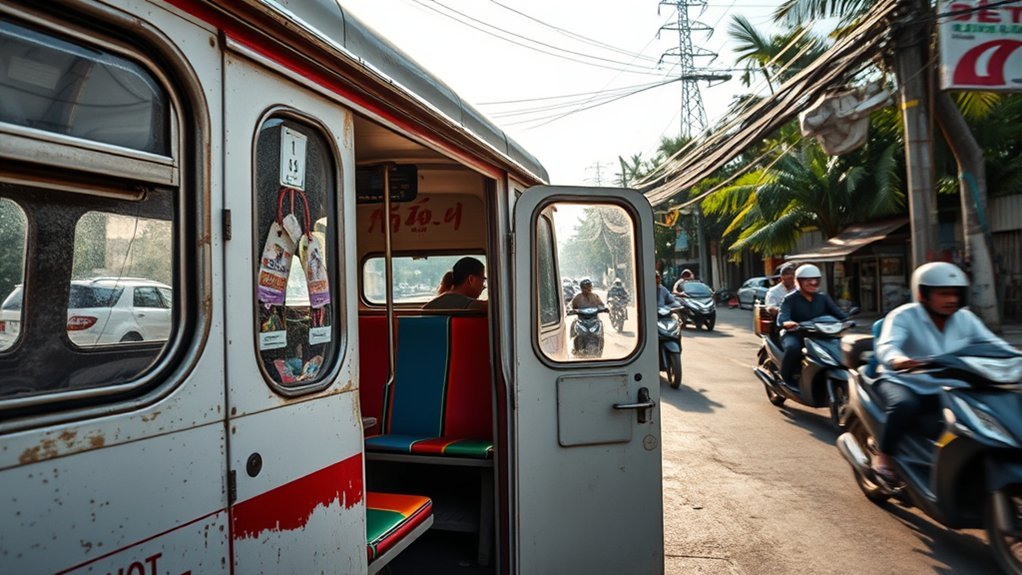
Last Updated on September 11, 2026 by Daniel Globe
Angkor Wat is Cambodia’s legendary 12th-century temple complex, constructed under King Suryavarman II as a Hindu sanctuary dedicated to Vishnu before transforming into a major Buddhist pilgrimage site. Covering over 162 hectares within the UNESCO-inscribed Angkor Archaeological Park, this architectural masterpiece represents Mount Meru through its five soaring lotus towers, monumental moats, and over 800 meters of intricate bas-relief carvings. Whether you are catching the iconic dawn reflection over the northern lotus pond or navigating the root-strangled ruins of the surrounding jungle temples, proper preparation regarding ticketing, transport, and temple etiquette ensures an unforgettable journey.
Quick Answer
To visit Angkor Wat, base yourself in Siem Reap and purchase an official Angkor Pass ($37 for 1 day, $62 for 3 days, or $72 for 7 days). The best visiting window is during the dry, cooler months from November to February. Arrive at the gates by 5:00 AM for sunrise, hire a tuk-tuk ($15–$20/day), and strictly cover your shoulders and knees to comply with temple dress codes.
Key Takeaways
- Entry Requirements: Passes must be purchased online or at the official Angkor Ticket Center; prices are $37 (1-day), $62 (3-day), and $72 (7-day).
- Best Time: November through February offers mild temperatures near 85°F (29°C) and clear skies ideal for photography.
- Recommended Duration: Spend a minimum of 3 full days to experience Angkor Wat, Angkor Thom, Bayon, Ta Prohm, and outer temples without rushing.
- Strict Dress Code: Shoulders and knees must be covered with shirts and pants/long skirts; shawls covering bare shoulders are prohibited at the top Bakan sanctuary.
- Transportation: Remork-dray (tuk-tuks) offer the most flexible and scenic way to navigate both the Small and Grand Circuits.
At a Glance
| Time Required | 1 to 3 full days (up to 7 days for regional ruins) |
| Difficulty | Moderate (uneven sandstone steps, high heat, extensive walking) |
| Tools Needed | Angkor Pass, breathable temple-appropriate attire, walking shoes, sun hat, reusable water bottle |
| Cost | $37–$72 (Entry Pass) + $15–$35/day (Transport) |
Disclosure: As an Amazon Associate I earn from qualifying purchases. Some links on this page are affiliate links, at no extra cost to you.
What Is Angkor Wat and Why Visit It?
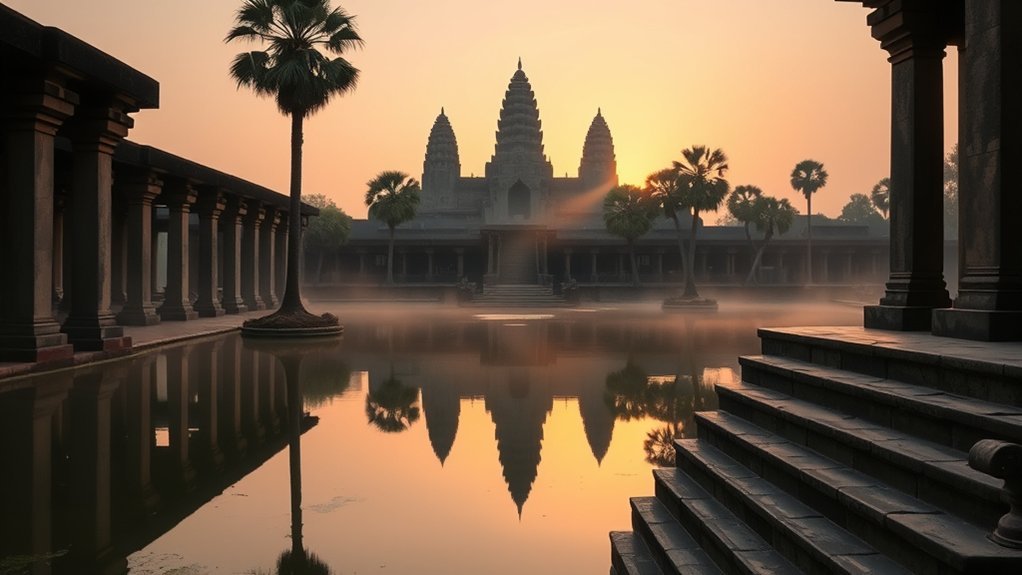
Angkor Wat stands as the pinnacle of Khmer architectural and artistic achievement. Commissioned in the early 12th century by King Suryavarman II, the complex was originally constructed as the state temple and funerary shrine dedicated to the Hindu deity Vishnu. Today, it ranks as the largest religious monument in the world, spanning more than 400 acres (162 hectares).
Unlike most Khmer temples oriented toward the east, Angkor Wat uniquely faces west. Scholars associate this orientation with Vishnu—who rules the western quadrant of the cosmos—as well as the setting sun, reinforcing its historical purpose as a royal funerary site. The architectural layout represents a physical model of the Hindu universe:
- The Outer Moat: A 190-meter-wide perimeter of water symbolizing the cosmic oceans surrounding the world.
- Concentric Enclosures: Terraced galleries representing the mountain ranges girdling the earth.
- The Five Central Towers: Soaring quincunx towers mimicking the sacred peaks of Mount Meru, the home of the gods.
- The Bas-Relief Galleries: Over 800 continuous meters of detailed sandstone carvings depicting mythic scenes such as the Churning of the Ocean of Milk, the Battle of Kurukshetra, and royal processions of Suryavarman II.
Inscribed as a UNESCO World Heritage Site in 1992, the wider archaeological park safeguards hundreds of temples that showcase the political power and hydrological engineering of the ancient Khmer Empire.
Angkor Pass Tickets and Entry Fees
Every foreign visitor entering the Angkor Archaeological Park must possess a valid Angkor Pass issued by the government authority, Angkor Enterprise. Passes are non-transferable, printed with your personal photo, and checked at vehicle checkpoints across all major road junctions leading into the park.
| Pass Type | Price (USD) | Validity Period |
|---|---|---|
| 1-Day Pass | $37 | Valid for 1 calendar day on the date of issue. |
| 3-Day Pass | $62 | Valid for any 3 days within a 10-day window from purchase. |
| 7-Day Pass | $72 | Valid for any 7 days within a 30-day window from purchase. |
Warning: Never purchase passes from unauthorized third-party street vendors or tour drivers. Buy exclusively online via the official Angkor Enterprise official portal or in person at the official Angkor Ticket Center located on Apsara Road in Siem Reap (open daily from 5:00 AM to 5:30 PM).
Pro Tip: If you purchase your physical pass at the Angkor Ticket Center after 4:45 PM, it becomes valid immediately for sunset viewing that same evening without deducting a day from your pass allocation.
When Is the Best Time to Visit Angkor Wat?
Cambodia’s tropical climate brings distinct dry and wet seasons. Planning your trip around weather patterns ensures comfortable exploration and optimal lighting for temple photography.
- Peak Dry Season (November to February): The most popular period, featuring cooler temperatures (highs around 85°F / 29°C), minimal rainfall, and lower humidity. Morning breezes make early walking comfortable, though sunrise crowds at Angkor Wat are at their peak.
- Hot Season (March to May): Temperatures frequently exceed 95°F to 104°F (35°C–40°C). If visiting during these months, complete temple touring between 5:30 AM and 10:30 AM, resting during the midday heat before resuming visits in the late afternoon.
- Green / Wet Season (June to October): Characterized by short, intense afternoon downpours. The landscape turns lush green, the surrounding moats fill with water, moss carpets the sandstone, and tourist numbers drop significantly.
The main Angkor Wat monument opens daily from 5:00 AM to 5:30 PM to accommodate sunrise crowds, while upper areas such as the central Bakan sanctuary open at 7:30 AM.
How Much Time Do You Need at Angkor Wat?
The amount of time required depends on whether you plan to see only the primary monument or explore the broader archaeological landscape:
- Single Monument Visit (3–4 Hours): Allows enough time to cross the moat, explore the outer galleries, study the main bas-reliefs, and climb to the upper Bakan sanctuary.
- 1-Day Itinerary: Covers the main highlights of the classic Small Circuit (Angkor Wat sunrise, the smiling stone faces of Bayon, and the jungle-entangled ruins of Ta Prohm).
- 3-Day Itinerary (Recommended): Delivers comprehensive coverage without temple fatigue. You can explore the Small Circuit on Day 1, the Grand Circuit (Preah Khan, Neak Pean, Banteay Kdei) on Day 2, and remote masterpieces like Banteay Srei (famed for its intricate pink sandstone carvings) and the Roluos Group on Day 3.
- 5 to 7 Days: Ideal for archaeologists, photographers, and travelers wishing to explore outer ruins such as Beng Mealea and Koh Ker.
How Do You Get Around Angkor Wat?
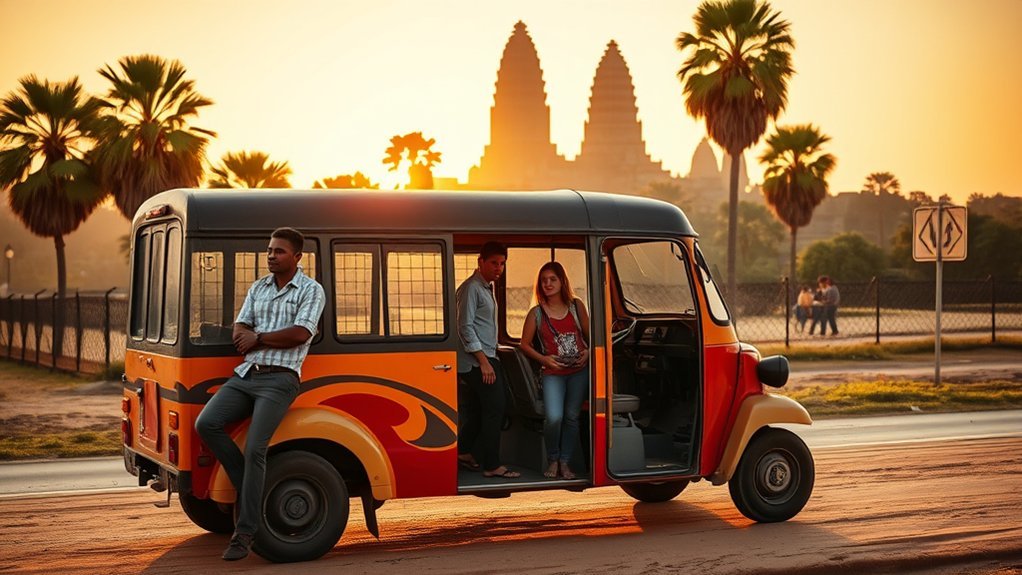
The Angkor Archaeological Park covers roughly 400 square kilometers, making walking between individual temple complexes impractical. Choose your transportation method based on budget, comfort, and physical endurance:
| Transport Mode | Typical Daily Cost | Best For |
|---|---|---|
| Tuk-Tuk (Remork) | $15–$25 | The classic open-air experience; comfortable breeze between temples, handles dust easily. |
| Private AC Car / SUV | $35–$50 | Midday heat relief, families, and long-distance day trips to Banteay Srei or Beng Mealea. |
| Private Minivan | $45–$65 | Small groups and guided travel parties needing luggage space. |
| Bicycle / E-Bike | $3–$12 | Solo travelers seeking an active, self-paced exploration along forested park roads. |
For arrivals, the Siem Reap–Angkor International Airport (SAI) is located approximately 45 kilometers east of the city center. Official fixed-rate airport taxis and minivans into downtown Siem Reap typically cost around $35–$40 each way.
Which Angkor Wat Temples Should You See First?
To balance crowd management with architectural variety, plan your sightseeing around the park’s two primary historical loops:
“The monuments of Angkor represent centuries of Khmer architectural genius, moving from the cosmological perfection of Angkor Wat to the haunting stone faces of Bayon and the raw power of nature reclaiming Ta Prohm.”
- Angkor Wat (Sunrise & Morning): Arrive at 5:00 AM to secure a vantage point by the northern reflection pool. After dawn, immediately explore the inner galleries and ascend to the central Bakan tower before midday heat and tour bus groups arrive.
- Bayon (Angkor Thom): Situated at the center of the ancient royal walled city of Angkor Thom, Bayon features 54 gothic towers adorned with 216 massive carved stone faces depicting the Bodhisattva Avalokiteshvara (Lokeshvara).
- Ta Prohm: Widely recognized as the “Tomb Raider temple,” this 12th-century Mahayana Buddhist monastery has been intentionally preserved in a semi-ruined state, gripped by the massive root systems of silk-cotton (Ceiba pentandra) and strangler fig trees.
- Baphuon & Terrace of the Elephants: Located within Angkor Thom, Baphuon represents a massive pyramid temple dedicated to Shiva, featuring a reconstructed 70-meter reclining Buddha on its western side.
- Preah Khan (Grand Circuit): A sprawling monastic complex containing labyrinthine, tree-lined corridors, intricate devata carvings, and a unique two-story Greco-Roman-style pavilion.
What Should You Wear to Angkor Wat?
Because Angkor Wat and its surrounding structures are active places of worship, the Apsara National Authority enforces a strict visitor code of conduct. Visitors wearing non-compliant clothing are routinely denied entry at the main gates and checkpoint stairs.
- Shoulders Must Be Covered: Wear shirts or blouses with sleeves (short sleeves are acceptable; tank tops, halter tops, and sleeveless shirts are forbidden). Wrapping a scarf or shawl over bare shoulders is not permitted when ascending the upper Bakan sanctuary.
- Knees Must Be Covered: Wear lightweight linen pants, below-the-knee capris, or long skirts. Short shorts and mini-skirts are prohibited.
- Footwear: Choose closed-toe walking shoes or sturdy trail sandals with good traction. Temple stairs are extremely steep, narrow, and worn smooth by centuries of footsteps.
- Sun Protection: Bring a wide-brimmed hat, UV-blocking sunglasses, and high-SPF sunscreen, as the vast stone courtyards provide minimal shade.
Note on Bakan Sanctuary: Children under 12 years old and pregnant women are not permitted to climb the steep stairs of the central Bakan tower due to safety regulations. The tower is also closed to all visitors on Buddhist holy days (four times per month according to the lunar calendar).
What Should You Do in Siem Reap?
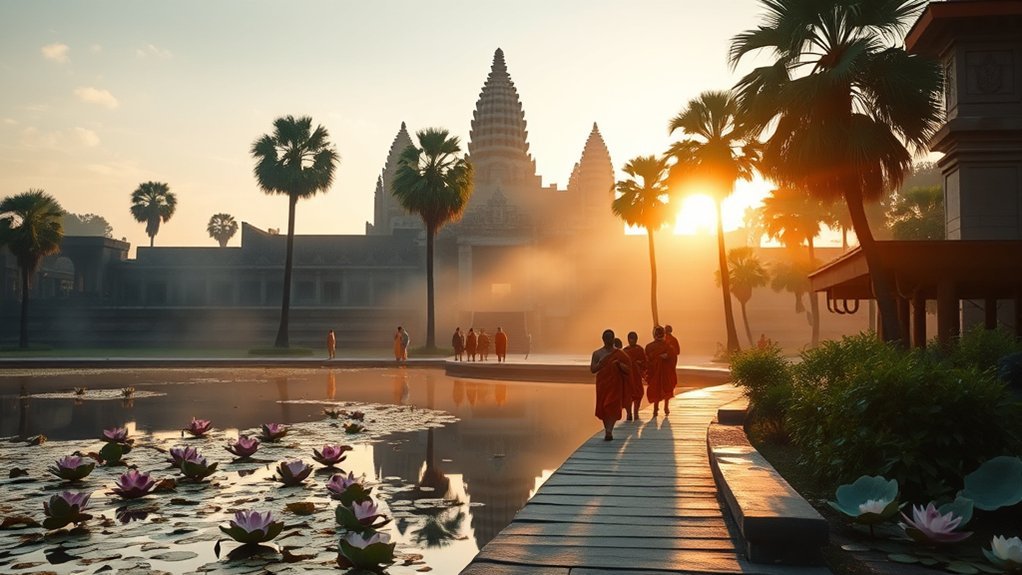
Siem Reap serves as the lively gateway town to the temples, offering a rich variety of culinary, artistic, and natural attractions:
- Explore Pub Street & the Night Markets: Sample street foods such as grilled skewers and rolled ice cream, shop for local silk handicrafts at the Old Market (Psar Chaa), and visit buzzing open-air dining venues.
- Savor Traditional Khmer Cuisine: Dine on signature Cambodian dishes including Fish Amok (steamed curried fish custard wrapped in banana leaves) and Beef Lok Lak (stir-fried marinated beef served with a lime and Kampot pepper dipping sauce).
- Cruise Tonlé Sap Lake: Take an afternoon boat excursion to the floating and stilt villages of Kampong Phluk or Mechrey to observe the fishing traditions of Southeast Asia’s largest freshwater lake.
- Attend the Phare Cambodian Circus: Experience a modern circus performance combining theater, live traditional-modern fusion music, and high-energy acrobatics while supporting vocational arts training for underprivileged Cambodian youth.
What Makes Angkor Wat Worth the Trip?
Angkor Wat represents one of humanity’s greatest architectural milestones, combining massive scale with refined stone artistry. Standing among its forested towers connects you directly with the spiritual and political zenith of ancient Southeast Asia.
Iconic Temple Experience
Crossing the sandstone causeway over the vast outer moat establishes the transition from the secular world into a sacred domain. Moving through its tiered galleries reveals an unbroken harmony of proportions, courtyards, and sanctuaries designed to mirror the cosmos.
Ancient Khmer Grandeur
The bas-relief carvings along the third enclosure represent a level of craftsmanship unmatched in Southeast Asian history. The intricate depictions of celestial dancers (apsaras), divine armies, and mythological legends provide an enduring visual record of 12th-century Khmer society, faith, and royal authority.
Sunrise And Sacred Views
Watching the dawn sky illuminate the five silhouette towers over the lotus reflection pool remains one of the world’s most celebrated travel moments. The interplay of cool morning mist, changing light, and ancient sandstone creates an unforgettable atmosphere for photographers and travelers alike.
Frequently Asked Questions
Is Angkor Wat a Hindu or Buddhist Temple?
Angkor Wat was founded in the early 12th century as a Hindu temple dedicated to Vishnu by King Suryavarman II. Toward the end of the 12th and into the 13th century, under the reign of King Jayavarman VII and subsequent rulers, it gradually transitioned into an active Theravada Buddhist sanctuary, which it remains today.
How Old Is Angkor Wat?
Angkor Wat is approximately 900 years old. Construction began around 1113–1150 CE during the reign of King Suryavarman II and took roughly 30 years to complete.
What Do Angkor Wat’s Five Towers Represent?
The five central towers are built in a quincunx arrangement (one central tower surrounded by four corner towers) representing the five sacred peaks of Mount Meru, the cosmic center of the universe in Hindu and Buddhist cosmology.
Can You Visit Angkor Wat at Sunrise?
Yes. The main gates of Angkor Wat open at 5:00 AM daily specifically for sunrise visitors. To secure a prime viewing position by the iconic northern reflection pond, plan to leave Siem Reap by 4:30 AM.
How Much Does an Angkor Pass Cost?
Official entry passes cost $37 for a 1-day pass, $62 for a 3-day pass (valid across 10 days), and $72 for a 7-day pass (valid across 30 days). Children under 12 enter free with a valid passport.
Are There Food and Water Options Nearby?
Yes. Numerous local open-air restaurants and drink stalls operate directly outside the main entrances of Angkor Wat, Bayon, and Ta Prohm, serving bottled water, fresh coconuts, iced coffee, and Cambodian noodle and rice dishes.
Conclusion
Angkor Wat stands as one of the world’s most extraordinary architectural achievements, bridging ancient cosmological symbolism with the enduring spirituality of Cambodia. By securing an official multi-day Angkor Pass, coordinating early morning transportation with a trusted local tuk-tuk driver, and honoring the site’s dress code, you can experience the temples at their most awe-inspiring. Pair your morning explorations with the rich cultural and culinary offerings of Siem Reap to complete a truly memorable journey into the heart of the ancient Khmer Empire.
Sources
- UNESCO World Heritage Centre — Official inscription, boundaries, and conservation documentation for the Angkor site (#668).
- Angkor Enterprise — Official ticketing portal, tariff structure, and entry regulations for the Angkor Archaeological Park.
- APSARA National Authority — Management authority overseeing preservation, visitor codes of conduct, and temple heritage guidelines in Siem Reap.
