
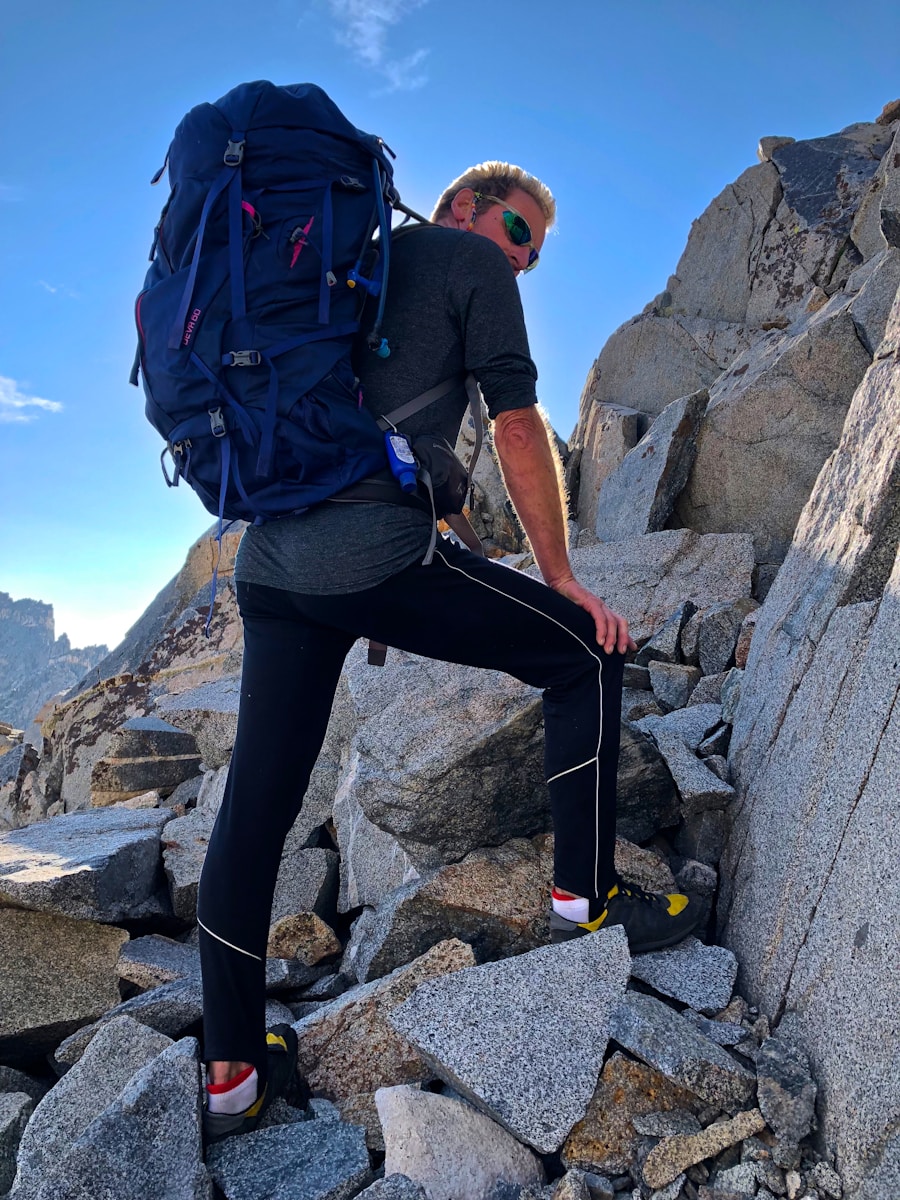
When embarking on a hiking adventure, the significance of quality hiking socks cannot be overstated. While many outdoor enthusiasts may focus on their boots or backpacks, the right pair of socks plays a crucial role in ensuring comfort and performance on the trail. Quality hiking socks are designed to provide support, prevent blisters, and enhance overall foot health during long treks.
The right socks can mean the difference between an enjoyable hike and a painful experience marred by discomfort. Moreover, hiking socks are engineered to accommodate the unique demands of outdoor activities. They are crafted to fit snugly without being constrictive, allowing for natural foot movement while providing essential cushioning.
This is particularly important when traversing uneven terrain, where the risk of foot fatigue and injury increases. Investing in high-quality hiking socks is not merely a matter of comfort; it is an essential component of a successful hiking experience that can enhance performance and enjoyment.
Key Takeaways
- Quality hiking socks are important for preventing blisters, providing support, and keeping feet dry and comfortable during long hikes.
- Hiking socks are typically made from materials like merino wool, synthetic fibers, and nylon for durability and moisture-wicking properties.
- Cushioning and arch support are essential features of hiking socks to provide comfort and reduce fatigue during long hikes.
- Moisture-wicking and breathability in hiking socks help to keep feet dry and prevent blisters and discomfort.
- Durability and longevity are important factors to consider when choosing hiking socks, as they need to withstand rugged terrain and frequent use.
Materials and Construction of Hiking Socks
The materials used in the construction of hiking socks are pivotal to their performance. Commonly, hiking socks are made from a blend of synthetic fibers, merino wool, and sometimes cotton. Merino wool is particularly favored for its natural moisture-wicking properties, temperature regulation, and softness against the skin.
Unlike traditional wool, merino is finer and less itchy, making it an excellent choice for long hikes where comfort is paramount. Synthetic materials like nylon and polyester are often blended with wool to enhance durability and provide additional moisture management. The construction techniques employed in making hiking socks also contribute significantly to their effectiveness.
Many high-quality hiking socks feature reinforced areas such as the heel and toe, which are prone to wear and tear. Seamless designs or flat seams can help reduce friction and prevent blisters, while arch support bands provide stability and prevent slippage within the boot. The combination of advanced materials and thoughtful construction ensures that hiking socks can withstand the rigors of the trail while providing optimal comfort.
Products Worth Considering

Composition:Anlisim womens hiking socks are made of 70% Merino Wool, 23% Polyester, 5% Spandex , 2% Nylon,which are wearable and durable.And you can wear them in all season.
THERMOREGULATING: The hiking socks for men are made from ultra-soft Merino wool blend for comfort and spandex for durability. Featuring thermoregulation that keeps you warm when it's cool in winter and stays cool when it's hot weather in summer, great for all-season wearing.
Midweight with Cushion - A warm and extremely comfortable choice when conditions demand it, this fine gauge knitted sock provides mid-level cushion density under your foot. True Seamless technology allows for an undetectable seam fusion for an ultra-smooth, invisible feel.
Cushioning and Support for Hiking Socks
Cushioning is a critical feature of hiking socks that directly impacts comfort during long hikes. Quality hiking socks often incorporate varying levels of cushioning in specific areas, such as the heel, ball of the foot, and arch. This targeted cushioning helps absorb shock and reduces the impact on feet during strenuous activities.
For instance, when navigating rocky paths or steep inclines, the extra padding can alleviate pressure points and minimize fatigue. Support is another essential aspect that enhances the overall hiking experience. Many hiking socks come with built-in arch support that helps maintain foot alignment and reduces strain on the muscles and ligaments.
This is particularly beneficial for hikers who may have flat feet or high arches, as it provides stability and prevents overpronation or supination. The combination of cushioning and support not only enhances comfort but also contributes to better performance on the trail, allowing hikers to focus on their surroundings rather than their aching feet.
Products Worth Considering
PREMIUM COTTON COMFORT: Crafted with 78.6% high-quality cotton, Niorasen crew socks are incredibly soft and gentle on your skin. Perfect for everyday wear, they provide just the right amount of warmth and breathability to keep your feet comfortable through all your activities, fits shoes of all sizes/types
[Peruvian Baby Alpaca Yarn] Crafted with 62% Peruvian Baby Alpaca Fleece and 9% RWS Merino Wool, deliver an incredibly soft, smooth, gentle touch against your skin, making every step feel cushioned and blissful.
Moisture-Wicking and Breathability in Hiking Socks
| Sock Brand | Moisture-Wicking Rating | Breathability Rating |
|---|---|---|
| Smartwool | 5/5 | 4/5 |
| Darn Tough | 4/5 | 5/5 |
| Thorlo | 3/5 | 3/5 |
| Balega | 4/5 | 4/5 |
Moisture management is a fundamental characteristic of effective hiking socks. During physical activities like hiking, feet can sweat significantly, leading to discomfort and an increased risk of blisters. Quality hiking socks are designed with moisture-wicking properties that draw sweat away from the skin and allow it to evaporate quickly.
This feature is particularly important in warmer climates or during strenuous hikes where perspiration levels are high. Breathability is equally vital in maintaining foot comfort. Hiking socks made from breathable materials allow air circulation around the foot, helping to regulate temperature and prevent overheating.
This is especially crucial during summer hikes or in humid conditions where excessive moisture can lead to fungal infections or unpleasant odors. By combining moisture-wicking capabilities with breathability, quality hiking socks create an environment that keeps feet dry and comfortable throughout the journey.
Products Worth Considering
Mid-Crew length sits below the calf for non-restrictive, all day comfort.
Comfortable Merino Wool: The innotree hiking socks women with thermoregulating merino wool and sweat wicking ventilation lanes ensure that it's cold and stay cool when it's hot weather, great for all season wearing.
Soft Breathable Moisture Control Fibers
Durability and Longevity of Hiking Socks
Durability is a key consideration when selecting hiking socks, as they must withstand various environmental conditions and terrains. High-quality hiking socks are constructed with robust materials that resist wear and tear from rugged trails, rocky surfaces, and abrasive footwear. Reinforced stitching in high-friction areas ensures that the socks maintain their integrity even after multiple uses.
The longevity of hiking socks is also influenced by their care and maintenance. Proper washing techniques can extend the life of these essential items. For instance, avoiding fabric softeners can help maintain moisture-wicking properties, while air drying instead of using a dryer can prevent shrinkage and damage to elastic fibers.
By investing in durable materials and practicing good care habits, hikers can ensure that their socks remain reliable companions on countless adventures.
Products Worth Considering
Premium Merino Wool Blend + Breathable Design – All-Day Freshness: Crafted from 50% Merino wool mixed with tough nylon and polyamide, these hiking socks keep moisture under control and let your feet breathe easy. The breathable mesh helps you stay cool on spring hikes, summer camps, or any mild-weather adventure—no swampy, stuffy feet after hours on the trail
CRAFTED FROM 80% MERINO WOOL BLEND:These merino wool socks feature a thick terry loop cushioning that delivers exceptional softness, strong elasticity, and superior moisture absorption. The meticulous seamless construction ensures no loose threads inside, providing all-day comfort while effectively keeping feet dry—whether in cold weather or warm conditions.
Outdoor Hiking Socks: Merino wool hiking socks for men and women built for year-round trekking and outdoor work, ideal for hikers and outdoor enthusiasts who want heavy-duty protection for long days outside
Fit and Comfort of Hiking Socks
The fit of hiking socks is paramount to achieving optimal comfort on the trail. A well-fitting sock should hug the foot without being too tight or loose, as excess material can lead to friction and blisters. Many brands offer various sizes to accommodate different foot shapes, ensuring that hikers can find a pair that fits snugly around the heel and arch while allowing enough room for toe movement.
Comfort is not solely about fit; it also encompasses the overall feel of the sock against the skin. Seamless designs or those with minimal seams can significantly enhance comfort by reducing irritation points. Additionally, features like graduated compression can improve blood circulation in the feet, further enhancing comfort during long hikes.
A sock that fits well and feels good can make a substantial difference in a hiker’s experience, allowing them to focus on enjoying nature rather than dealing with discomfort.
Best Hiking Socks for Different Terrains and Conditions
Choosing the right hiking sock often depends on the specific terrain and conditions one expects to encounter. For instance, when hiking in colder climates or during winter months, thicker merino wool socks provide excellent insulation while still managing moisture effectively. Brands like Smartwool or Darn Tough offer options specifically designed for cold-weather hikes, featuring extra cushioning for warmth without sacrificing breathability.
In contrast, for warm-weather hikes or humid environments, lightweight synthetic or merino wool blends are ideal as they offer breathability while still providing moisture-wicking properties. Brands such as Injinji produce toe socks that prevent blisters between toes while allowing for maximum ventilation—perfect for hot summer days on the trail. For rugged terrains with sharp rocks or uneven surfaces, consider thicker cushioned socks with reinforced areas for added protection against impacts.
Products Worth Considering
[Upgrade and Thicken]: 2.0 times thicker than normal wool socks. The thickened material ensures excellent thermal performance. Each cozy pair of thick socks for men acts like a stove during cold weather, keeping your feet warm and comfortable.
MAKE HIKING A COMFORTABLE EXPERIENCE These Merino wool hiking socks are built to provide you with total support and comfort during your hiking trips, no matter the weather. Each pair of these hiking boot socks is ideal for the rugged terrain, allowing these to be great mens or women's hiking socks
Outdoor Hiking Socks: Merino wool hiking socks for men and women built for year-round trekking and outdoor work, ideal for hikers and outdoor enthusiasts who want heavy-duty protection for long days outside
Care and Maintenance of Hiking Socks
Proper care and maintenance of hiking socks are essential for prolonging their lifespan and ensuring optimal performance on future hikes. Washing them correctly is crucial; it is generally recommended to wash them in cold water using a gentle cycle to preserve elasticity and moisture-wicking properties. Avoiding bleach or fabric softeners is also important, as these can degrade the fibers over time.
Drying techniques play a significant role in maintaining sock integrity as well. Air drying is preferable to machine drying since high heat can cause shrinkage or damage elastic components within the sock fabric. Storing socks in a cool, dry place away from direct sunlight will also help maintain their shape and functionality.
By following these care guidelines, hikers can ensure that their investment in quality hiking socks pays off with many comfortable miles on the trail ahead.
When it comes to hiking, having the right gear is essential for a comfortable and enjoyable experience. One key piece of gear that often gets overlooked is the choice of socks. In a related article on TakeTravelInfo, they discuss the best time to travel to Hawaii and provide a seasonal guide for visitors. Just like planning the best time to visit Hawaii, choosing the right socks for hiking can make a big difference in your overall comfort and performance on the trails.
FAQs
What are the best socks for hiking?
The best socks for hiking are typically made of moisture-wicking materials such as merino wool or synthetic blends. They should also provide cushioning and support in key areas such as the heel and arch.
Why is moisture-wicking material important in hiking socks?
Moisture-wicking material is important in hiking socks because it helps to keep your feet dry by pulling moisture away from the skin and allowing it to evaporate, reducing the risk of blisters and discomfort.
What is the benefit of cushioning in hiking socks?
Cushioning in hiking socks provides added comfort and support, especially during long hikes or on rugged terrain. It helps to reduce impact and friction, minimizing the risk of blisters and hot spots.
Are merino wool socks better than synthetic socks for hiking?
Merino wool socks are often preferred for hiking due to their natural moisture-wicking and odor-resistant properties. However, synthetic socks can also be a good choice as they are often more durable and quick-drying.
Should hiking socks be thick or thin?
The thickness of hiking socks depends on personal preference and the specific conditions of the hike. Thicker socks provide more cushioning and warmth, while thinner socks offer better breathability and may be preferred for warmer weather or low-cut hiking shoes.