
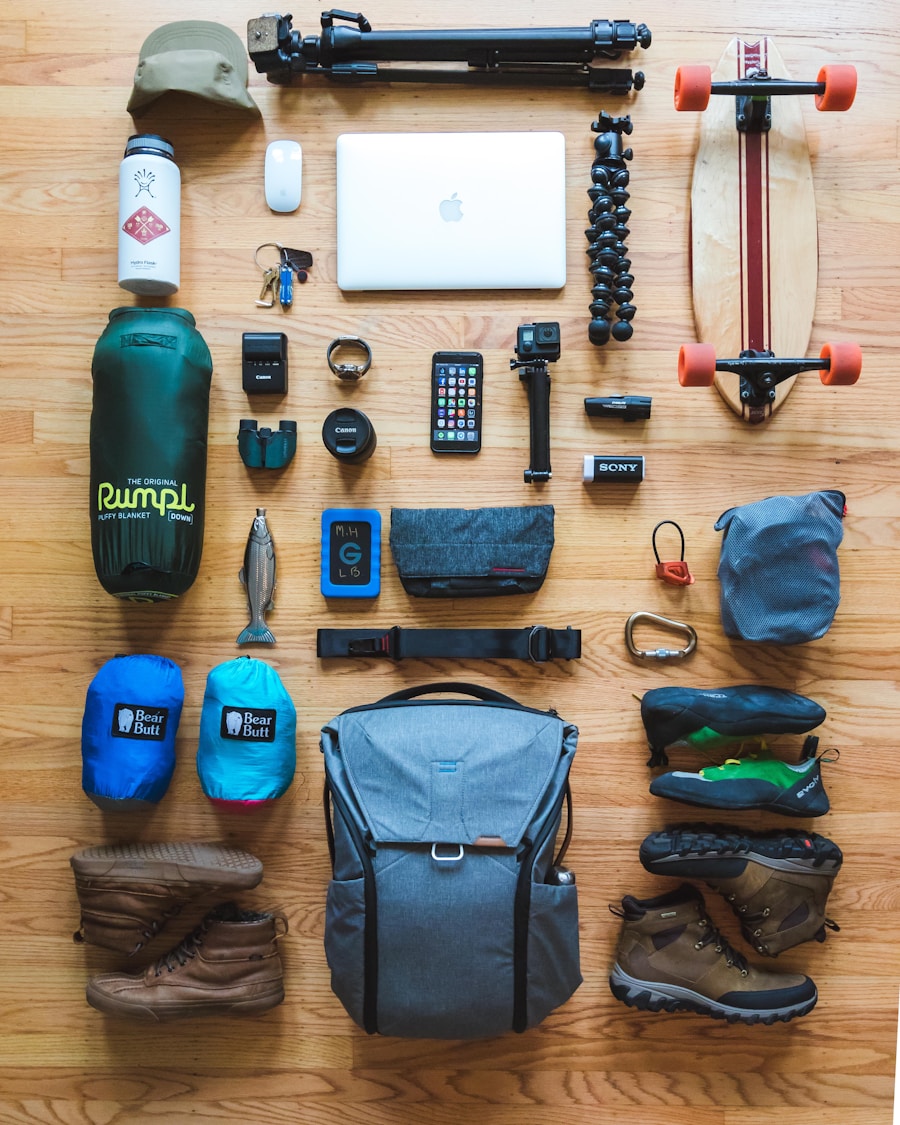
Choosing the right backpack is a critical step in preparing for any outdoor adventure, whether it be a day hike or an extended trek through rugged terrain. The perfect fit is not merely about aesthetics; it encompasses comfort, functionality, and the ability to carry your gear efficiently. When selecting a backpack, one must consider the size, weight, and features that align with the intended use.
A backpack’s capacity is typically measured in liters, and understanding your needs is essential. For a day hike, a pack ranging from 20 to 30 liters may suffice, while multi-day excursions often require 50 liters or more to accommodate additional gear and supplies. Fit is paramount when it comes to backpacks.
A poorly fitting backpack can lead to discomfort and fatigue, detracting from the overall experience. To find the right fit, one should pay attention to the torso length, which varies among individuals. Many manufacturers provide sizing charts that help determine the appropriate size based on your measurements.
Additionally, adjustable straps and hip belts are crucial for distributing weight evenly across the body. A well-fitted backpack should sit comfortably against your back without causing pressure points, allowing for freedom of movement while maintaining stability.
Key Takeaways
- Finding the right backpack is crucial for a comfortable and enjoyable hiking experience.
- Navigation tools such as maps, compass, and GPS are essential for staying on track and avoiding getting lost.
- Hydration is key, so bring water bottles and purification systems to ensure access to clean drinking water.
- Pack lightweight snacks and meals to stay energized during your hike.
- Shelter is important for a good night’s sleep, so invest in a quality tent, sleeping bag, and tarp.
Navigation Tools: Maps, Compass, and GPS
Navigating through unfamiliar terrain requires reliable tools to ensure safety and direction. Traditional maps and compasses have stood the test of time as essential navigation aids. A topographic map provides detailed information about the landscape, including elevation changes, water sources, and trails.
Understanding how to read a map is a skill that every outdoor enthusiast should master. It involves recognizing symbols, contour lines, and scale, which can significantly enhance one’s ability to navigate effectively. While maps and compasses are invaluable, modern technology has introduced GPS devices and smartphone applications that offer real-time navigation assistance.
GPS units can pinpoint your location with remarkable accuracy, making it easier to track your route and avoid getting lost. However, reliance on technology can be risky; battery life can be unpredictable, and devices can fail in harsh conditions. Therefore, it is prudent to carry both traditional navigation tools and electronic devices.
Familiarizing oneself with both methods ensures preparedness for any situation that may arise in the wilderness.
Products Worth Considering

【Easy to Handle & Read】- With its liquid-filled compass, this compass delivers reliable and accurate readings. The luminous dial enhances visibility in low-light conditions, while the adjustable luminous marching line allows for easy navigation. The thumb hold and magnifying viewer further contribute to a fast and easy read, ensuring convenience during your outdoor explorations.
Compact and lightweight GPS handheld navigator boasts an anti-slip design offering a bright 3.2" screen that is sunlight readable, even in bright sunlight, plus, physical buttons provide more versatility in any conditions
Hydration: Water Bottles and Purification Systems
Staying hydrated is crucial during any outdoor activity, as dehydration can lead to fatigue, decreased performance, and even serious health issues. When selecting water bottles for your adventure, consider materials that are durable and lightweight. Stainless steel and BPA-free plastic are popular choices due to their resilience and safety.
Additionally, having a water bottle with insulation can keep your drinks cold or hot for extended periods, enhancing your overall experience. However, access to clean drinking water is not always guaranteed in the wild. This is where water purification systems come into play.
Options range from portable filters to chemical purification tablets. Water filters can remove bacteria and protozoa from natural water sources, making them safe for consumption. Some hikers prefer UV light purifiers that eliminate pathogens using ultraviolet radiation.
Each method has its advantages and limitations; therefore, understanding the local water sources and potential contaminants is essential for choosing the right purification system.
Products Worth Considering
LifeStraw Go Series is the ULTIMATE SIDEKICK. The BPA-Free bottle filters out nasties so you can fill up from airport bathrooms, a tap in Mexico, or a gas station while road-tripping
Protects against 99.999999% of bacteria (including E.coli, Salmonella), 99.999% of parasites (including Giardia and Cryptosporidium), 99.999% of microplastics, silt, sand, and cloudiness
Removes Bacteria & Parasites: The Microfiltration Membrane Removes 99.999999% of Waterborne Bacteria (Including E. Coli and Salmonella), and 99.999% of Waterborne Parasites (Including Giardia and Cryptosporidium) - Essential for Your Survival Kit
Nutrition: Lightweight Snacks and Meals
| Snack/Meal | Calories | Protein (g) | Fat (g) | Carbohydrates (g) |
|---|---|---|---|---|
| Apple with Almond Butter | 180 | 4 | 9 | 25 |
| Greek Yogurt with Berries | 150 | 12 | 2 | 20 |
| Turkey and Cheese Roll-Ups | 200 | 18 | 10 | 5 |
| Quinoa Salad | 220 | 8 | 10 | 30 |
Proper nutrition is vital for sustaining energy levels during outdoor activities. Lightweight snacks and meals are essential for minimizing pack weight while maximizing caloric intake. Trail mix is a classic choice among hikers; it combines nuts, dried fruits, and sometimes chocolate or granola for a quick energy boost.
The combination of carbohydrates, fats, and proteins provides a balanced source of energy that can be easily consumed on the go. For longer trips, planning meals becomes more complex but equally important. Dehydrated meals have gained popularity due to their lightweight nature and ease of preparation.
Brands like Mountain House offer a variety of options that only require boiling water for rehydration. These meals are designed to provide adequate nutrition while being compact enough to fit into a backpack without adding excessive weight. Additionally, incorporating energy bars or protein bars can provide quick sustenance during breaks without the need for cooking or extensive preparation.
Shelter: Tents, Sleeping Bags, and Tarps
Creating a comfortable shelter is essential for a successful outdoor experience, especially when spending nights in the wilderness. Tents come in various shapes and sizes, each designed for specific conditions and group sizes. Ultralight tents are favored by backpackers who prioritize weight savings without sacrificing durability or weather resistance.
On the other hand, family tents offer more space but can be cumbersome to transport. Sleeping bags are another critical component of outdoor shelter. They come in different temperature ratings and insulation types—down or synthetic—each with its advantages.
Down sleeping bags are lightweight and compressible but may lose their insulating properties when wet. Synthetic bags perform better in damp conditions but tend to be bulkier. Choosing the right sleeping bag depends on the climate you expect to encounter during your trip.
Tarps are versatile alternatives to traditional tents that provide shelter while minimizing weight. They can be set up in various configurations depending on weather conditions and terrain. A tarp can serve as a rainfly over a sleeping area or as a windbreak during inclement weather.
Understanding how to effectively use tarps requires some practice but can significantly enhance your camping experience by providing flexibility in shelter options.
Products Worth Considering
1 PERSON TENT: If trekking or backpacking personal in the backcountry, you will need a quality one person tent to keep you protected from the elements. Polyester rain fly&bathtub with PU 5000 coating is better in waterproof and firmer than you expected. Weatherproof material with factory-sealed seams keeps you dry and comfortable in all season&all weather conditions! You need an appropriate lightweight solo tent for backpacking!
WATERPROOF & LONG-LASTING: Polyester rain fly & groundsheet & bathtub with PU 5000 coating is firmer than you expected. Weatherproof material with factory-sealed seams keeps you dry and comfortable in all season&all weather condition! Better material but more affordable! You really need an appropriate lightweight 2 person tent for backpacking!
4 SEASON TENT: We offer a limited ONE-YEAR GUARANTEE. Polyester rain fly, groundsheet, and bathtub with PU 5000 coating are firmer than you expected. Weatherproof material with factory-sealed seams keeps you dry and comfortable in four seasons or cold weather! Better material but more affordable! You really need an appropriate lightweight 2-person tent for backpacking for ALL SEASON!
Clothing: Layering for Comfort and Protection
The right clothing is essential for comfort and protection during outdoor activities. The principle of layering is fundamental in outdoor apparel; it allows you to adapt to changing weather conditions while maintaining comfort throughout your adventure. The base layer should wick moisture away from the skin; materials like merino wool or synthetic fabrics are excellent choices for this purpose.
They help regulate body temperature by keeping you dry during physical exertion. The middle layer serves as insulation, trapping heat while allowing moisture to escape. Fleece jackets or insulated vests are popular options that provide warmth without excessive bulk.
Finally, the outer layer acts as a barrier against wind and rain; waterproof jackets made from breathable materials like Gore-Tex are ideal for keeping you dry while allowing sweat to evaporate. Understanding how to layer effectively ensures that you remain comfortable regardless of the conditions you encounter.
First Aid Kit: Essential Supplies for Safety
A well-stocked first aid kit is an indispensable part of any outdoor adventure. Accidents can happen at any time, so being prepared with essential supplies can make a significant difference in emergency situations. A basic first aid kit should include adhesive bandages of various sizes, antiseptic wipes or ointments, gauze pads, adhesive tape, scissors, tweezers, and pain relievers such as ibuprofen or acetaminophen.
In addition to these standard items, consider including specialized supplies based on your specific activities or health needs. For instance, if you’re hiking in areas with high tick populations, including tick removal tools is wise. If you have allergies or chronic conditions, ensure you have necessary medications readily available.
Regularly checking and replenishing your first aid kit before each trip ensures that you are always prepared for unforeseen circumstances.
Products Worth Considering
DESIGNED BY EMERGENCY EXPERTS FOR OUTDOOR USE: Our 100-piece first aid survival kit is built for outdoor emergencies. A professional-grade camping medical kit that's HSA & FSA eligible, ideal for travel, hiking, and all your outdoor adventures
ESSENTIALS FOR EMERGENCY: Everything you need is in this first aid kit! Our kit includes over 150 professional-grade medical and safety supplies, all kinds of bandages, gloves, povidone-lodine prep pad, metal tweezers, tourniquet, etc. 100% latex free
Lightweight Emergency Kit: This ultralight medical kit fits easily in your pack's side pocket for convenient access; includes supplies to clean and bandage wounds, aid muscle aches, dress blisters, and treat other common outdoor discomforts
Emergency Essentials: Whistle, Fire Starter, and Emergency Blanket
In addition to a first aid kit, carrying emergency essentials can significantly enhance your safety in the wilderness. A whistle is an invaluable tool for signaling for help; its sound carries much farther than a human voice and requires less energy to use than shouting. In situations where you may become lost or injured, having a whistle can increase your chances of being located by rescuers.
Fire starters are another critical component of emergency preparedness. Being able to start a fire can provide warmth, light, and a means to cook food or purify water in survival situations. Options range from waterproof matches to magnesium fire starters that create sparks even in wet conditions.
Practicing fire-starting techniques before heading out ensures that you are familiar with your tools when it matters most. An emergency blanket is lightweight yet incredibly effective at retaining body heat in cold conditions. These reflective blankets can be lifesavers in unexpected situations where hypothermia becomes a risk.
They take up minimal space in your pack but can provide significant warmth when wrapped around your body or used as a ground cover in emergencies. By carefully considering each aspect of outdoor preparation—from selecting the right backpack to ensuring you have essential emergency supplies—you can enhance your experience while minimizing risks associated with outdoor adventures. Each element plays a vital role in ensuring safety and comfort as you explore the great outdoors.
When preparing for a hiking trip, it’s important to pack the essentials like water, snacks, a first aid kit, and navigation tools. However, one often overlooked item that can come in handy during colder hikes is a rechargeable hand warmer. This article on rechargeable hand warmers for travel provides valuable information on how to stay warm and comfortable during outdoor adventures. Additionally, if you’re planning a hiking trip with young children, you may want to consider investing in a double travel stroller. Check out this article on the best double travel strollers for spring adventures to find the perfect stroller for your family. And for those looking for a reliable travel guidebook to enhance their hiking experience, this article on how to choose the best travel guidebook offers helpful tips and recommendations.
Products Worth Considering
Security And Reliability - All of our first aid products carry certificate of conformity to ensure conformance to global standards wherever they are used.
[250 in 1 Survival Kit]: Having an emergency kit is an important step to prepare and protect your and household for some unforeseen events. This emergency survival kit is specifically designed and curated by 3 survival experts, includes total 250pcs multipurpose survival tools. It contains the most popular survival gear and tools, also a first aid kit that enough to treat a family or a group of friends under emergency circumstances.
[Preparedness for the Unknown]: While no one can predict when or how severe a disaster or accident will be, our 262pcs survival kit ensures your family’s safety during the critical first 72 hours. Designed for family use, it was developed in collaboration with first responders, doctors, special forces operators, mountain guides. Whether you're preparing for earthquakes, tornadoes, wildfires, or hurricanes, our survival kit provides peace of mind
FAQs
What are the essential items to put in a backpack for hiking?
Some essential items to put in a backpack for hiking include water, food, a map and compass, a first aid kit, a multi-tool, extra clothing, a headlamp or flashlight, sunscreen, and a whistle.
How much water should I pack for a hiking trip?
It is recommended to pack at least 2 liters of water per person for a day of hiking. However, the amount of water needed may vary depending on the length and intensity of the hike, as well as the weather conditions.
What type of food is best to pack for a hiking trip?
It is best to pack lightweight, high-energy snacks such as trail mix, energy bars, nuts, and dried fruits. For longer hikes, it is also a good idea to pack more substantial items like sandwiches or wraps.
Why is it important to pack a map and compass for hiking?
A map and compass are important for navigation while hiking, especially in areas where GPS signal may be unreliable. They can help hikers stay on course and find their way in case of getting lost.
What should be included in a first aid kit for hiking?
A hiking first aid kit should include items such as adhesive bandages, gauze pads, adhesive tape, antiseptic wipes, blister treatment, pain relievers, tweezers, and any personal medications.
Why is it important to pack extra clothing for a hiking trip?
Packing extra clothing is important in case of unexpected changes in weather or temperature. It is recommended to pack layers that can be easily added or removed to regulate body temperature.
What type of multi-tool is best for hiking?
A multi-tool with features such as a knife, scissors, screwdriver, and bottle opener is useful for various tasks while hiking, such as gear repair, food preparation, and emergency situations.
Why is sunscreen important to pack for a hiking trip?
Sunscreen is important to protect the skin from harmful UV rays, especially at higher altitudes where the sun’s rays can be more intense. It helps prevent sunburn and reduce the risk of skin damage.
Why should I pack a whistle for hiking?
A whistle is an important safety item for hiking as it can be used to signal for help in case of an emergency or if a hiker gets lost. It is a simple and effective way to attract attention.