
Last Updated on July 25, 2026 by Daniel Globe
Southwest Airlines was incorporated in 1967 and began scheduled service between Dallas, Houston, and San Antonio on June 18, 1971. It built its reputation around competitive fares, frequent point-to-point flights, and customer-friendly policies. However, a Southwest ticket is not automatically the cheapest choice on every route or date.
Southwest has also changed significantly. The airline introduced new fare bundles and checked-bag charges in 2025, moved to assigned seating on January 27, 2026, and raised certain U.S. mainland baggage fees for reservations booked, ticketed, or changed on or after April 9, 2026. These changes make it important to compare the complete trip cost rather than relying on Southwest’s former low-cost reputation.
Quick Answer
Southwest flights can be expensive when demand is high, few seats remain, the route has limited competition, or you travel at a popular time. Higher labor, fuel, airport, and maintenance costs also matter. Assigned-seat upgrades and checked-bag fees can now increase the total price beyond the displayed fare.
Key Takeaways
- The price of a particular flight depends mainly on demand, remaining seat inventory, travel dates, departure time, route competition, and fare type.
- Southwest transitioned from open seating to assigned seating on January 27, 2026.
- Basic, Choice, and Choice Preferred fares generally charge for checked bags on U.S. mainland trips, while Choice Extra includes two standard checked bags.
- Southwest still charges no airline change fee on eligible fares, but fare differences apply and Basic fares must normally be upgraded before they can be changed.
- Labor, fuel, airport, maintenance, technology, and aircraft costs affect the broader pricing environment but do not determine every ticket price by themselves.
- Flexible dates, the Low Fare Calendar, sale alerts, and repricing an eligible booking can help reduce the cost.
Disclosure: As an Amazon Associate I earn from qualifying purchases. Some links on this page are affiliate links, at no extra cost to you.
Why Southwest Airlines Can Be Expensive
Southwest does not set one permanent price for every seat on a route. Lower-priced fare inventory can sell first, leaving more expensive options for travelers who book later. The same flight may therefore cost much more during a holiday, school break, weekend, major event, or busy business-travel period.
The airline also considers route demand, flight schedules, available capacity, and competition. A route served by several airlines may have stronger price competition than a nonstop route with limited alternatives. Convenient departure times and nonstop flights can command higher fares because travelers may be willing to pay more to avoid a connection or an inconvenient schedule.
| Pricing factor | Why it can raise the fare | What a traveler can try |
|---|---|---|
| High demand | More travelers compete for the same number of seats. | Compare nearby dates and less popular departure times. |
| Few seats remaining | Lower-priced fare inventory may already be sold. | Track the route early and check more than once. |
| Limited route competition | Fewer competing schedules can reduce pressure to discount. | Compare nearby airports and connecting itineraries. |
| Nonstop convenience | Travelers may pay more to save time and avoid a connection. | Compare the nonstop fare with one-stop alternatives. |
| Fare bundle | More flexible fares and better seats include additional benefits. | Choose only the benefits that provide real value for the trip. |
| Optional charges | Checked bags, seat upgrades, and priority services can increase the total. | Compare the complete trip price, not only the first fare shown. |
Southwest reported an average passenger fare of $225.93 for the first quarter of 2026, 16.6% higher than the first quarter of 2025. This company-wide average does not predict the price of any specific route or travel date.
Market Demand for Southwest Airlines
Demand for air travel changes with economic conditions, consumer confidence, seasonal travel patterns, school calendars, holidays, weather, and major events. Southwest serves leisure travelers, families, business passengers, and customers connecting to near-international destinations. These groups do not always travel at the same times, which can create sharp differences between the price of one departure and another.
Southwest primarily uses a point-to-point network, although it has increasingly designed parts of its schedule around core stations to improve connectivity and operational recovery. As of December 31, 2025, it served 117 destinations and operated 803 Boeing 737 aircraft. The company reported 1,415,822 trips during 2025.
Online comparison tools, airline apps, and travel agencies have made fares easier to compare. Southwest has also expanded distribution through companies such as Expedia and Priceline. Greater visibility can increase demand for attractive flights, while less popular departures may need lower fares to stimulate bookings.
Pro Tip: Search the same route across several dates and times. A flight only a few hours earlier, later, or on a nearby day may have a different mix of remaining fare inventory.
Current Southwest Fare Types, Seats, and Bag Fees
Southwest replaced its former fare lineup with Basic, Choice, Choice Preferred, and Choice Extra. For flights beginning January 27, 2026, the airline also replaced open seating with assigned seating.
The following summary reflects published benefits and U.S. mainland checked-bag charges for applicable reservations booked, ticketed, or voluntarily changed on or after April 9, 2026. Benefits may differ for Hawaii travel, partner-carrier bookings, military customers, loyalty members, credit cardmembers, group travel, or special equipment.
| Fare | Included seat benefit | Voluntary changes | 1st checked bag | 2nd checked bag |
|---|---|---|---|---|
| Basic | Standard seat generally assigned at check-in | Not changeable unless upgraded to another fare | $45 | $55 |
| Choice | Standard seat selection at booking, subject to availability | No airline change fee; fare difference may apply | $45 | $55 |
| Choice Preferred | Preferred or Standard seat selection at booking, subject to availability | No airline change fee; fare difference may apply | $45 | $55 |
| Choice Extra | Extra Legroom, Preferred, or Standard seat selection at booking, subject to availability | No airline change fee; fare difference may apply | Free | Free |
Note: A-List Preferred members generally receive two free checked bags. A-List members and eligible Rapid Rewards credit cardmembers generally receive the first checked bag free. Weight, size, itinerary, booking, and eligibility rules apply. Check Southwest’s current Optional Travel Charges before purchasing.
Products Worth Considering
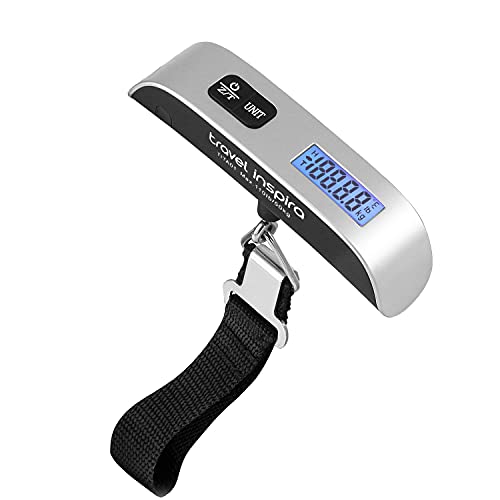
[Travel without stress] This hanging baggage scale easily prevents overweight baggage charges; a must-have for traveling. *The isolation tag must be removed from the battery case before use!
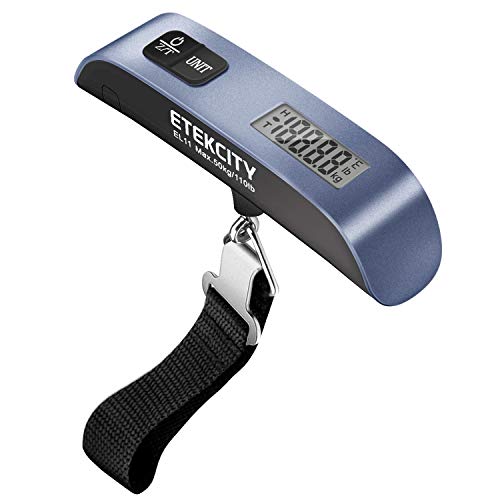
𝑺𝒂𝒚 𝑮𝒐𝒐𝒅𝒃𝒚𝒆 𝒕𝒐 𝑶𝒗𝒆𝒓𝒘𝒆𝒊𝒈𝒉𝒕 𝑪𝒉𝒂𝒓𝒈𝒆𝒔: Avoid surprises at the check-in counter with high-precision measurements that keep your luggage within airline limits—save money and travel stress-free!

Avoid Overweight Fees: hook your package for instant weight and no more unexpected overweight luggage or baggage fees again.
Operating Costs and Expenses
Airline operating costs include employee compensation, fuel, maintenance, airport rentals and landing charges, aircraft ownership, technology, insurance, customer-service operations, and other overhead. These expenses influence how low an airline can sustainably price its network, although they do not dictate the fare for every individual seat.
Southwest’s Boeing 737-only fleet simplifies pilot training, scheduling, maintenance planning, parts inventories, and ground operations. The company ended 2025 with 803 Boeing 737 aircraft, including 300 Boeing 737-8 aircraft. Fleet simplicity can reduce complexity, but dependence on one aircraft manufacturer can also expose the airline to delivery delays, parts constraints, and fleet-planning challenges.
Labor is the airline’s largest reported operating-cost category. Salaries, wages, and benefits represented approximately 46.9% of Southwest’s operating expenses during 2025. The company reported $12.96 billion in labor-related expense, $5.24 billion in fuel and oil expense, $2.18 billion in landing fees and airport rentals, and $1.23 billion in maintenance materials and repairs.
For the first quarter of 2026, Southwest reported total operating expenses of approximately $6.9 billion, 4% higher than the same quarter of 2025. These cost pressures can affect the airline’s broader revenue targets and willingness to release deeply discounted seats.
Fuel Costs and Price Volatility
Jet fuel is a major and unpredictable airline expense. Political conflict, refinery interruptions, severe weather, transportation constraints, changes in crude-oil markets, and regional supply conditions can cause prices to move rapidly.
| Period | Average cost per gallon | Context |
|---|---|---|
| 2022 | $3.10 | Fuel and oil represented 26.2% of operating expenses. |
| 2023 | $2.89 | Annual fuel and oil expense was approximately $6.22 billion. |
| 2024 | $2.64 | Annual fuel and oil expense was approximately $5.81 billion. |
| 2025 | $2.41 | Fuel and oil represented 19% of operating expenses. |
| Q1 2026 | $2.73 | The reported cost was 9.6% higher than Q1 2025. |
Southwest historically used fuel derivatives to reduce exposure to sudden price increases. However, higher hedging-premium costs and other considerations led the company to terminate its remaining portfolio during the second quarter of 2025, effectively closing the fuel-hedging program.
The airline continues to improve fuel efficiency through newer aircraft and operating practices. Southwest reported that its available seat miles per gallon improved by 2.7% during 2025 as the more efficient Boeing 737-8 represented a larger share of the fleet.
Warning: Fuel prices can influence airline costs, but a sudden fuel-price change does not produce an equal or immediate change in every advertised fare. Demand, competition, schedule, and seat inventory remain important.
Maintenance and Safety Standards
Safety and maintenance are essential operating requirements rather than optional amenities. U.S. air carriers must maintain approved maintenance programs and comply with applicable Federal Aviation Administration regulations. These programs cover inspections, repairs, continuing analysis, recordkeeping, training, and airworthiness responsibilities.
Southwest’s use of Boeing 737 variants can simplify parts planning, training, and maintenance processes. The airline still bears substantial costs for scheduled inspections, repairs, engines, replacement components, maintenance employees, facilities, and outside services.
Pilot and crew training also requires recurring investment. Simulation exercises, recurrent qualifications, emergency training, and operational procedures support safe and reliable service. These expenses form part of the airline’s cost base, but they should not be presented as the main reason a particular departure becomes expensive.
Readers who want the regulatory background can review the FAA’s active guidance on air-carrier maintenance programs.
Competition and Pricing Strategies
Products Worth Considering

Book flights from your mobile device

✈️[Convenient] With 4 separate pockets of varying sizes to comfortably fit your favorite tablet, phone, earbuds, glasses, water bottle, and more! Water bottle pocket is stretchable, fits most 9 oz to 40 oz water bottles

Commuter Essential Bag: Airplane seat back organizer specially designed for long-distance travel, multi-pockets enough to hold your travel essentials and keep them clean & organized, it's time to say goodbye to dirty back seat pockets
Southwest Airlines’ Current Approach
Southwest continues to compete on fares, routes, schedules, loyalty benefits, operational reliability, and customer experience. Its current product is no longer a single simple no-frills offering. Travelers can choose among four fare bundles and several seat types, including Standard, Preferred, and Extra Legroom seats.
The airline may discount a route to attract traffic, respond to a competitor, support a new market, or fill lower-demand departures. It may offer fewer low-priced seats when demand is already strong or when a departure provides valuable nonstop convenience.
Revenue Management and Available Fare Inventory
Airline revenue management uses booking patterns, expected demand, schedule information, remaining capacity, and market conditions to decide how much fare inventory to make available at different prices. A flight can still have empty seats while its cheapest fare is unavailable because the airline expects customers to purchase the remaining seats at higher prices.
This does not mean every later booking will always cost more. Airlines can adjust inventory, launch promotions, or respond to weaker-than-expected demand. That is why the same itinerary may become cheaper or more expensive between searches.
Staying Agile in a Competitive Market
Southwest competes with American, Delta, United, Alaska, JetBlue, Frontier, Spirit, Breeze, Allegiant, and other airlines on different parts of its network. Competition varies by airport and route. Some rivals may offer a lower headline fare but charge differently for baggage, seats, changes, or onboard services.
Southwest has also adjusted underperforming routes, expanded selected stations, introduced redeye flights, increased international connectivity through airline partnerships, and added new ancillary revenue from baggage and seat products. These changes can affect both schedule availability and the total amount a customer pays.
How to Find Cheaper Southwest Fares
- Use the Low Fare Calendar. Southwest recommends checking its monthly calendar to compare the lowest currently available fare for each day.
- Compare nearby dates and times. Early-morning, late-evening, midweek, or off-peak departures may have different prices, although no day or time is guaranteed to be cheapest.
- Check nearby airports. Compare the extra driving, parking, rental-car, and ground-transportation costs before choosing a distant airport.
- Compare the complete trip price. Add checked bags, seat upgrades, airport transportation, and fare restrictions to each airline’s displayed fare.
- Track sales and email offers. Southwest recommends signing up for sale notifications and checking fares more than once because prices can change at any time.
- Reprice an eligible reservation. Choice, Choice Preferred, and Choice Extra reservations can generally be changed without an airline change fee. If the new fare is lower, the difference may be issued as a refund or flight credit depending on the fare rules. Basic fares must normally be upgraded before changing.
- Use the federal 24-hour protection when eligible. For airline tickets purchased directly from an airline at least seven days before departure, federal rules generally require either a 24-hour penalty-free cancellation option or a 24-hour hold. Third-party booking rules may differ.
- Check points and cash. Compare the Rapid Rewards price with the cash fare rather than assuming one form of payment always provides better value.
Southwest’s official guidance on finding its lowest fares recommends shopping early, checking regularly, using the Low Fare Calendar, and watching for sales.
Pro Tip: Take a screenshot or record the total price after selecting bags and seats. This makes it easier to compare Southwest fairly with an airline that bundles those services differently.
If your Southwest trip includes a hiking or camping portion, this separate guide to the best solar charger for backpacking may help with gear planning.
Customer Loyalty and Brand Value
Customer loyalty remains an important part of Southwest’s business. Rapid Rewards members earn points based on eligible activity and can redeem points for flights. Southwest states that Rapid Rewards points do not expire, although earning and redemption rates, fare availability, taxes, and program terms can change.
The Companion Pass can provide significant value to travelers who qualify and regularly fly with the same companion. A designated companion can travel with the member on eligible Southwest flights after required taxes and fees are paid, subject to the program rules and seat availability.
Assigned seating has changed how loyalty benefits work. A-List and A-List Preferred members can receive seat-selection, boarding, and baggage benefits based on their status. Rapid Rewards credit cardmembers may also receive benefits that reduce the total cost of a trip.
These benefits can justify a higher Southwest fare for some travelers, particularly when comparing flexibility, loyalty value, schedule convenience, seat selection, and baggage allowances. They do not guarantee that Southwest will be the best value for every itinerary.
Government Regulations and Taxes
Airlines operate within a detailed federal regulatory framework. The FAA oversees aviation safety requirements, while the U.S. Department of Transportation administers consumer-protection rules involving advertising, refunds, ticketing, disability access, baggage disclosures, and other passenger issues.
Mandatory government taxes and fees form part of the total ticket price. DOT rules generally require airlines and ticket agents to display the total mandatory price when advertising airfare. Optional services, such as checked bags or seat upgrades, may be listed separately but should be disclosed during the booking process.
U.S. domestic airline fares are largely deregulated. This means the government does not set the normal price Southwest may charge for a domestic seat. Airlines generally decide fares based on their commercial strategy, demand, costs, competition, schedules, and available capacity.
Travelers should review the fare restrictions before buying. The DOT advises consumers to compare ticket rules, baggage charges, optional services, and refundability in addition to the headline price. Its current guidance is available on the Buying a Ticket and Refunds pages.
Sources
- Southwest Airlines 2025 Form 10-K — fleet, destinations, fare changes, seating, operating costs, fuel costs, and fuel-hedging updates.
- Southwest Airlines First Quarter 2026 Results — average passenger fare, operating expenses, and fuel costs.
- Southwest Assigned Seating — January 27, 2026 seating and boarding changes.
- Southwest Optional Travel Charges — current checked-bag, seat-upgrade, and other optional charges.
- U.S. Department of Transportation: Buying a Ticket — fare disclosure, optional-service, and ticket-restriction guidance.
- FAA Air Carrier Maintenance Programs — federal maintenance-program guidance.
Frequently Asked Questions
Why is Southwest Airlines so expensive?
A Southwest flight may be expensive because demand is high, lower-priced fare inventory has sold, few seats remain, the route has limited competition, or the flight offers a desirable nonstop schedule. Labor, fuel, airport, aircraft, maintenance, and technology costs also influence the airline’s broader pricing environment.
Does Southwest Airlines offer discounts or promotions?
Yes. Southwest runs fare sales and promotional offers on selected routes and travel dates. Restrictions, advance-purchase requirements, blackout dates, and limited seat availability may apply. The Low Fare Calendar and Southwest email alerts can help travelers find eligible offers.
How can I find a cheaper Southwest fare?
Compare several dates, departure times, and nearby airports. Use Southwest’s Low Fare Calendar, check sale alerts, shop early, and search again after booking. When an eligible Choice, Choice Preferred, or Choice Extra fare drops, changing the reservation may return the difference as a refund or flight credit under the applicable rules.
What factors affect the price of a Southwest ticket?
Important factors include route demand, remaining seat inventory, travel date, departure time, holidays, local events, schedule convenience, nonstop service, competing airlines, fare bundle, and how early or late the ticket is purchased.
Does Southwest still include two free checked bags?
Not for every traveler. Choice Extra and A-List Preferred generally include two standard checked bags. Basic, Choice, and Choice Preferred generally charge $45 for the first bag and $55 for the second on applicable U.S. mainland reservations booked, ticketed, or changed on or after April 9, 2026. Military, loyalty, credit-card, Hawaii, group, and partner-flight rules may differ.
Does Southwest still use open seating?
No. Southwest transitioned to assigned seating on January 27, 2026. Choice and higher fares generally allow an eligible seat to be selected during booking, while Basic customers generally receive a Standard seat assignment at check-in unless another benefit applies.
Does Southwest charge a flight-change fee?
Southwest generally does not charge an airline change fee for Choice, Choice Preferred, or Choice Extra reservations, although the traveler must pay any fare difference. Basic fares cannot normally be changed unless the reservation is first upgraded to an eligible fare.
Do Southwest benefits justify a higher fare?
They may for travelers who value a convenient nonstop schedule, flexible changes, loyalty benefits, preferred seating, free bags through an eligible fare or status, or Rapid Rewards value. Compare those benefits with the complete price and restrictions offered by competing airlines.
