

Last Updated on October 27, 2026 by Mason Reed
The best camping lighter depends on how you plan to start fires. For everyday campsite use, the BIC Maxi offers simple butane ignition and convenient spare lighters. The UST TekFire is a better fit if you want a USB-rechargeable, fuel-free lighter with an LED light. For a focused torch flame, consider the SOTO Pocket Torch. The Zippo Classic offers repairable metal construction, while the BIC Mini saves space in a backpack or emergency kit.
This guide compares five camping lighters based on fuel type, wind resistance, portability, maintenance, and practical outdoor use. You’ll also learn which models suit backpacking, camp cooking, and emergency preparation.
As an Amazon Associate I earn from qualifying purchases. This article contains affiliate links.
Quick Answer
Best Overall: BIC Maxi for dependable everyday campfire and stove lighting.
Best Fuel-Free: UST TekFire for rechargeable arc ignition, an LED light, and emergency tinder.
Best Torch: SOTO Pocket Torch for a concentrated, wind-resistant flame.
Best Refillable Classic: Zippo Classic for long-term serviceability.
Best Compact Backup: BIC Mini for minimal pack space.
Top Picks
|
Category |
Product |
Best For |
|---|---|---|
|
⭐ Best Overall |
General camping and group trips |
|
|
🔋 Best Fuel-Free |
Rechargeable ignition and emergency gear |
|
|
🔥 Best Torch |
Focused flame and outdoor cooking |
|
|
🛠️ Best Refillable Classic |
Repairability and long-term use |
|
|
🎒 Best Compact Backup |
Small packs and backup ignition |
How We Picked
We compared the product designs and available specifications against common camping needs. The main factors were fuel type, wind resistance, portability, ease of ignition, maintenance, and usefulness outdoors.
We also considered limitations that matter before you buy. Disposable butane lighters are convenient but cannot be refilled. Rechargeable models need battery power and suitable tinder. Torch lighters offer a concentrated flame but require compatible fuel and careful handling. Traditional liquid-fuel lighters need periodic refilling.
These recommendations are based on product information and intended use, not original hands-on testing. Product prices, stock, and package contents can change. Check the linked listings before ordering.
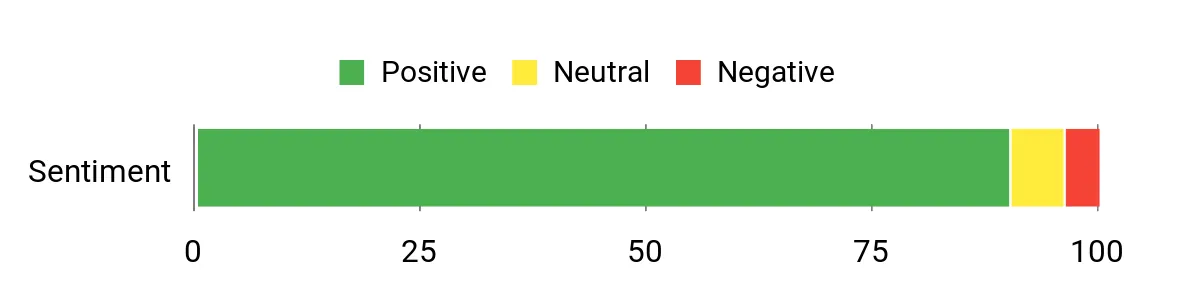
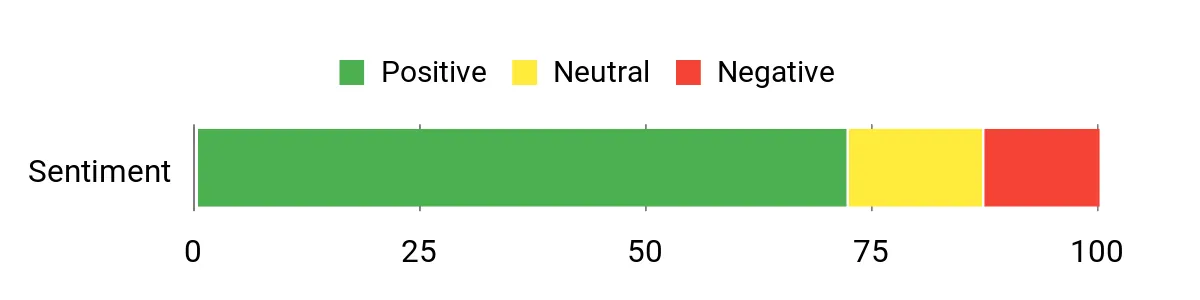
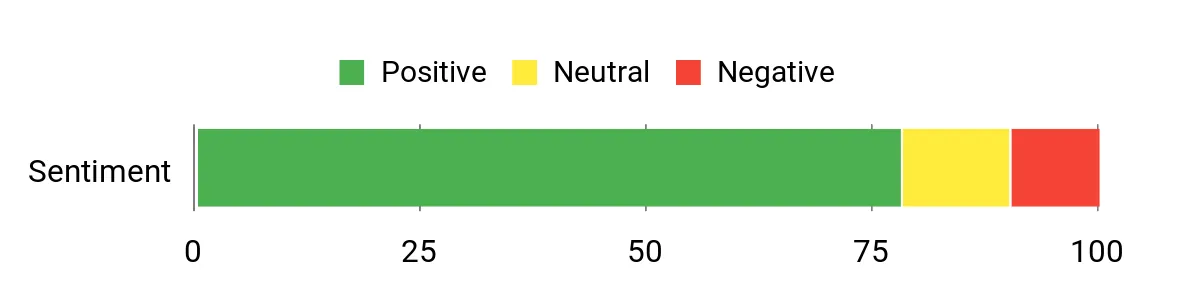
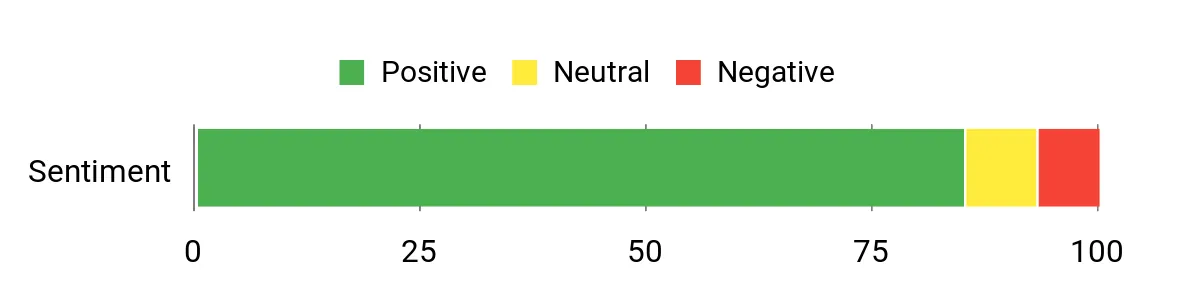
Review transparency: The customer sentiment graphics retained below come from the original article. Their sample sizes and methodology have not been independently verified. Treat them as historical illustrations rather than current Amazon review statistics.
What to Look for in a Camping Lighter
Fuel Type and Recharging
Butane lighters are simple to operate and easy to replace. Liquid-fuel lighters offer refillability and repairable parts, but they need regular fuel checks. Electric arc lighters avoid combustible fuel and can be recharged with a compatible USB power source.
For multi-day trips, consider how you will replace fuel or recharge a battery. Carrying a separate backup ignition method is sensible, especially in remote areas.
Wind and Weather Resistance
A standard butane flame may struggle in strong wind. Torch flames are generally more wind-resistant, while electric arcs avoid the problem of an exposed flame being blown out.
However, wind resistance does not guarantee ignition in every condition. Wet tinder, cold fuel, dirty electrodes, and depleted batteries can still prevent you from starting a fire.
Weight and Packability
If you are backpacking, consider the lighter’s total carried weight rather than its empty weight alone. A torch may require a separate fuel insert, and rechargeable models may require a charging cable or power bank.
Compact disposable lighters are useful as backups because they take up little space. For car camping, convenience and durability may matter more than saving a small amount of weight.
Safety and Maintenance
Choose a lighter with controls you can operate comfortably. Keep fuel-based lighters away from excessive heat, inspect damaged housings, and follow the manufacturer’s instructions.
Never use a lighter inside a tent or near stored fuel. Do not operate electric arcs while cleaning their electrodes. Keep all lighters away from children, even when they have child-resistant features.
BIC Maxi
The BIC Maxi is a practical camping lighter when you want straightforward ignition without charging cables or refill supplies. Its familiar spark-wheel operation makes it useful for lighting suitable camp stoves, candles, and dry fire-starting material.
The listed multipack is particularly helpful for group camping. Instead of relying on one lighter, you can distribute spares among responsible adults or keep backups in separate protected locations.
Each lighter uses butane and has a child-resistant ignition mechanism. However, child-resistant does not mean childproof, and the lighters are designed to be replaced rather than refilled.
Why You’ll Like It
You get a familiar lighter with minimal setup. There is no battery to charge, and keeping a spare helps protect your trip from one misplaced or depleted lighter.
Who Should Buy This?
Choose BIC Maxi if you frequently go car camping, organize group trips, or want an uncomplicated lighter for general outdoor tasks.
Who should avoid it? If refillability, reduced disposable waste, or strong-wind performance is your main priority, another design may suit you better.
What People Say
The original roundup highlighted ease of use, consistent ignition, and multipack convenience as favorable buyer themes. Its main limitation was the disposable design. These themes have not been independently rechecked against a current review sample.
Situations
|
Situation |
How It Helps |
|---|---|
|
Group Camping |
You can distribute spare lighters among adults so the group does not depend on one ignition source. |
|
Camp Cooking |
A familiar butane flame can ignite compatible camp stoves and other suitable cooking equipment. |
|
Campfire Preparation |
Use it with dry tinder or a prepared fire starter to begin building a campfire where fires are permitted. |
|
Emergency Supplies |
A protected spare provides another ignition option if your primary lighter stops working. |
Durability
BIC Maxi lighters have lightweight plastic bodies designed for normal pocket-lighter use. They are not intended for refilling or mechanical repair. Protect them from impacts, direct sunlight, and high storage temperatures.
Key Benefits
- Simple butane ignition without batteries
- Multipack provides useful backup lighters
- Lightweight and easy to pack
- Child-resistant ignition mechanism
Main limitation: Disposable design and reduced flame reliability in strong wind.
UST TekFire
The UST TekFire LED Fuel-Free Lighter combines electronic arc ignition with an LED light and ParaTinder wrist lanyard. It is designed for campers who prefer a rechargeable fire starter instead of carrying butane or lighter fluid.
The electric arc is resistant to wind because it does not rely on an open flame. Its ParaTinder lanyard provides approximately three feet of cordage with a special inner red tinder thread that can be ignited using the arc.
This combination is useful for backpacking and emergency preparation. However, the lighter needs sufficient battery charge, and its electrodes must be kept clean. It is better suited to igniting compatible tinder than reaching into a stove burner.
Why You’ll Like It
You get several outdoor functions in one device. The arc provides fuel-free ignition, the LED helps with small tasks in low light, and the lanyard offers extra emergency utility.
Who Should Buy This?
Choose the TekFire if you want a rechargeable camping lighter and already carry a USB power source on your trips.
Who should avoid it? Campers who cannot recharge during long trips, regularly work in extreme cold, or primarily need to light recessed stove burners may prefer a conventional flame lighter.
What People Say
The original roundup emphasized rechargeable convenience, wind-resistant ignition, and the additional LED and lanyard features. It also noted the need to clean the electrodes carefully. These observations are not presented as a newly verified customer survey.
Situations
|
Situation |
How It Helps |
|---|---|
|
Backpacking |
You can use rechargeable ignition without packing a separate supply of lighter fuel. |
|
Windy Campsites |
The electric arc is less affected by gusts than a conventional exposed flame. |
|
Emergency Kit |
You get ignition, an LED light, and a short length of emergency cordage in one device. |
|
Vehicle-Based Trips |
You can recharge using a compatible USB power source between uses. |
Durability
The compact housing and safety catch help make the TekFire practical to carry. However, its electrical components require care. Avoid impacts, water exposure beyond the manufacturer’s recommendations, and contact between the electrodes and melting plastic.
Pro Tip: When using ParaTinder, ignite only the designated inner red tinder thread. Other strands can melt and leave residue on the electrodes. Clean the electrodes only when the lighter is off, following the manufacturer’s instructions.
Key Benefits
- USB-rechargeable electric arc eliminates lighter fuel
- Wind-resistant ignition for suitable tinder
- Integrated LED light for small campsite tasks
- ParaTinder lanyard provides cordage and tinder
- Automatic ignition timeout safety feature
Main limitation: Battery dependence and limited suitability for some stove burner designs.
SOTO Pocket Torch
The SOTO Pocket Torch is designed for campers who need a concentrated, wind-resistant flame. Rather than functioning like a typical disposable lighter, it uses a compatible lighter insert to produce a focused torch flame.
This makes it useful for lighting suitable camp stoves, prepared fire starters, and other materials that benefit from concentrated heat. SOTO specifies a flame temperature of approximately 1,300°C under its stated conditions.
The torch uses lighter-based butane fuel. Compatible refillable inserts are available, but you should confirm which insert comes with the specific version you order. Fuel may be sold separately.
Important: SOTO cautions that the Pocket Torch may not ignite properly in cold conditions or at elevations above approximately 5,000 feet (1,500 meters). This makes it a less suitable sole fire starter for high-altitude trips.
Why You’ll Like It
The focused flame can make ignition more convenient when a standard lighter’s soft flame is difficult to position. The insert-based design also gives you flexibility to replace the compatible fuel source.
Who Should Buy This?
Choose the SOTO Pocket Torch if you often cook outdoors, want a more focused flame, and are comfortable handling a torch-style lighter.
Who should avoid it? Campers heading to high elevations, very cold locations, or those seeking the simplest disposable lighter may find it less suitable.
What People Say
The original article emphasized the torch’s concentrated flame and compact design, while noting fuel requirements and wind-related limitations. Its archived customer sentiment has not been independently revalidated.
Situations
|
Situation |
How It Helps |
|---|---|
|
Camp Cooking |
A concentrated flame helps you ignite compatible stove burners and cooking equipment. |
|
Campfire Preparation |
The focused flame can ignite suitable fire-starting material more directly than a soft flame. |
|
Gear Maintenance |
Controlled heat may be useful for suitable heat-shrink materials or synthetic cord ends when handled carefully. |
|
Car Camping |
You can keep a dedicated torch-style ignition tool with your cooking equipment. |
Durability
The Pocket Torch is designed for repeated use with compatible lighter inserts. Its burner can become extremely hot, so allow it to cool completely before storing it.
Follow SOTO’s operating-time limits and avoid continuous use beyond the manufacturer’s recommendations. Do not modify the unit or use unapproved lighter inserts.
Key Benefits
- Focused, high-temperature torch flame
- More wind resistance than a standard soft flame
- Compatible lighter-insert fuel system
- Compact design for camping and outdoor cooking
Main limitation: Cold and high-altitude performance restrictions, plus the need for a compatible fuel insert.
Zippo Classic
The Zippo Classic is a refillable metal pocket lighter designed for long-term use. Its hinged lid, wind-resistant chimney, and replaceable internal components make it a practical choice for campers who prefer repairable equipment.
Unlike a disposable butane lighter, the Zippo uses liquid lighter fuel absorbed into its internal packing. You can replace consumable parts such as the flint and wick when necessary.
One important drawback is that Zippo lighter fluid evaporates even when the lighter is not used. You should check the fuel level before each trip rather than assuming a lighter stored for weeks will still ignite.
Why You’ll Like It
The Zippo offers a familiar, durable design that can be maintained instead of discarded. Its metal construction and serviceable components make it appealing for people who value long-lasting everyday gear.
Who Should Buy This?
Choose the Zippo Classic if you want a refillable lighter for frequent use and do not mind maintaining the fuel, flint, and wick.
Who should avoid it? Campers who rarely use their lighter, want the lowest possible maintenance, or prefer a lighter that does not require liquid fuel may be happier with a butane or rechargeable option.
What People Say
The original roundup described the Zippo’s build quality, repairability, and classic appearance as key attractions. Regular refilling and consumable-part maintenance were the main drawbacks discussed. The original sentiment chart is not a current independently verified review analysis.
Situations
|
Situation |
How It Helps |
|---|---|
|
Campfire Lighting |
A refillable flame provides an ignition option for dry tinder and prepared fire starters. |
|
Everyday Carry |
You get a metal lighter with replaceable consumable parts for regular use. |
|
Long-Term Ownership |
Routine servicing can keep the lighter functional without replacing the entire product. |
|
Gift or Keepsake |
The classic design and polished finish make it appealing as a personal item or gift. |
Durability
The metal case and serviceable lighter insert support long-term ownership. Zippo offers a lifetime repair guarantee for eligible mechanical issues under its warranty terms. Normal consumables, fuel, and cosmetic wear should not be assumed to receive the same coverage.
Pro Tip: Before leaving for camp, check the fuel, flint, and wick. Close the lid after use to extinguish the flame. Never refill near an open flame or place an overfilled lighter in your pocket.
Key Benefits
- Durable metal pocket-lighter construction
- Wind-resistant chimney design
- Refillable liquid-fuel system
- Replaceable flint and wick
- Manufacturer repair support under warranty terms
Main limitation: Fuel evaporation makes regular fuel checks necessary, even during periods of non-use.
BIC Mini
The BIC Mini is a compact butane lighter suited to campers who want to minimize the space taken up by everyday essentials. It uses the same general disposable-lighter approach as the larger BIC Maxi but comes in a smaller pocket-friendly format.
This makes it especially convenient for short hikes, day trips, and emergency kits. You can store one in a protected pocket of your backpack and keep another as a backup.
The trade-off is capacity. Its smaller fuel reservoir means it is not the best option for frequent or extended flame use. Like other BIC pocket lighters, it is not designed to be refilled.
Why You’ll Like It
The biggest advantage is convenience. The Mini takes up little room and offers a simple ignition method without charging, liquid-fuel maintenance, or a separate torch attachment.
Who Should Buy This?
Choose the BIC Mini if you want a lightweight backup for backpacking, short trips, or a compact outdoor emergency kit.
Who should avoid it? If you need longer fuel life, frequent ignition, or a stronger flame in windy conditions, consider a larger or more specialized lighter.
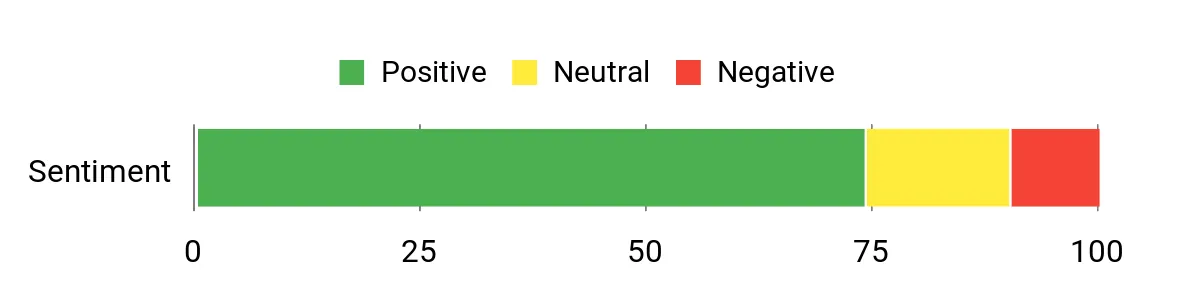
What People Say
The original roundup identified compact size, portability, and familiar ignition as the Mini’s main attractions. Its disposable construction and smaller fuel capacity were important limitations. These are not newly verified customer sentiment findings.
Situations
|
Situation |
How It Helps |
|---|---|
|
Backpacking |
The smaller body takes up little space in a backpack or protected gear pouch. |
|
Backup Ignition |
You can carry a separate lighter in case your primary fire starter fails. |
|
Day Trips |
Its compact size makes it convenient for occasional camp tasks. |
|
Emergency Supplies |
It provides another simple ignition method when stored safely away from heat and moisture. |
Durability
The BIC Mini is designed for ordinary pocket-lighter use rather than heavy impacts or long-term repair. Its compact plastic housing is convenient to carry, but you should protect it from crushing, overheating, and damage.
Key Benefits
- Compact and easy to store
- Simple butane flame ignition
- Useful secondary lighter for camping
- Child-resistant mechanism
- No charging or liquid-fuel refilling required
Main limitation: Smaller fuel capacity and disposable construction.
Before You Buy: Camping Lighter Checklist
- Match your use: Choose a flame lighter for general tasks or a compatible arc lighter for direct-contact tinder ignition.
- Consider the weather: Strong wind, low temperatures, and wet tinder affect different lighters in different ways.
- Check fuel requirements: Confirm whether fuel, a compatible insert, or a charging cable is included.
- Plan for long trips: Carry enough fuel or charging capacity and a separate backup ignition method.
- Review safety features: Look for protective covers, reliable controls, and clear manufacturer instructions.
- Confirm listing details: Check the current package quantity, model, and seller before purchasing.
FAQ
Which Lighter Is Best for Camping?
For most everyday camping tasks, a full-size disposable butane lighter such as the BIC Maxi is a straightforward option. It does not need charging or refilling, and a multipack makes it easier to carry spares.
If you prefer a rechargeable fire starter, the UST TekFire offers electric arc ignition and additional emergency features. The SOTO Pocket Torch suits campers who want a concentrated flame, while the Zippo Classic is a good choice for people who prioritize repairability.
Are Electric Lighters Better Than Butane Lighters for Camping?
Neither design is better for every situation. Electric arc lighters resist wind and avoid combustible fuel, but they need a charged battery and appropriate contact with the material being ignited.
Butane lighters produce an open flame that can be useful for lighting compatible stoves and dry tinder. However, soft flames are more vulnerable to wind, and butane performance can suffer in cold conditions.
For extended trips, carrying two different ignition methods can provide useful redundancy.
Can You Light a Camping Stove With an Electric Arc Lighter?
Sometimes, but compatibility depends on the stove design. Electric arc lighters work best when combustible material can contact or come very close to the electrodes. Some stove burners are difficult to reach with an arc lighter.
A conventional flame lighter may be easier for certain stove designs. Always follow the stove manufacturer’s lighting instructions, and never attempt to ignite accumulated gas.
How Should I Maintain a Camping Lighter?
Maintenance depends on the fuel system:
- Electric lighters: Recharge before trips and clean electrodes only according to manufacturer instructions.
- Butane lighters: Check for damage and keep away from high temperatures. Do not attempt to refill non-refillable models.
- Liquid-fuel lighters: Check fuel levels and maintain the flint and wick as needed.
- Torch lighters: Use compatible fuel components, avoid overheating, and allow the burner to cool before storage.
Can You Take Camping Lighters on an Airplane?
Air travel rules depend on the type of lighter and the country or airline involved. Under U.S. FAA rules, qualifying ordinary disposable butane and Zippo-type lighters may be carried in the cabin, subject to applicable limits.
Lithium battery-powered arc lighters are permitted in carry-on baggage only when they meet the applicable battery and accidental-activation safeguards. Charging them during the flight is prohibited.
Important: Torch or jet-flame lighters are prohibited in both carry-on and checked baggage under U.S. rules. Spare lighter fuel and refills are also prohibited. Special exceptions apply to certain conventional lighters in approved checked-baggage containers, so do not assume all checked-baggage lighter transport is identical.
Always consult the FAA’s current lighter travel guidance and confirm your airline’s requirements before traveling. International rules may differ.
Should I Carry a Backup Fire Starter When Camping?
Yes. Having a second ignition method is useful, especially when backpacking or camping in remote areas. A lighter can fail because of low fuel, an empty battery, moisture, or mechanical damage.
Keep the backup protected and stored separately from your main lighter. Suitable dry tinder is also important, since producing a spark or flame does not guarantee that wet materials will ignite.
Wrapping Up
The right camping lighter should match your conditions, not simply offer the longest feature list. For general campsite use, the BIC Maxi is a practical starting point because it is simple to operate and easy to carry in multiples.
Choose the UST TekFire if you value fuel-free rechargeability and emergency features. Pick the SOTO Pocket Torch if concentrated flame control is more important. The Zippo Classic suits campers who enjoy maintaining repairable gear, while the BIC Mini is useful when space is limited.
Before you leave, check the lighter’s fuel or battery, bring suitable dry tinder, and pack a separate backup. These small steps help make your fire-starting setup more dependable.
Camping Lighters Comparison Table
| Product Name | Image | Fuel Type | Best For | Main Limitation | Amazon |
|---|---|---|---|---|---|
| BIC Maxi Pocket Lighters, Assorted Colors, 10-Pack |
|
Butane | General camping and groups | Disposable, soft flame | Check Price |
| UST TekFire LED Fuel-Free Lighter |
|
USB-rechargeable electric arc | Wind-resistant tinder ignition | Battery dependence | Check Price |
| SOTO Pocket Torch |
|
Butane lighter insert | Focused torch ignition | Cold and altitude limitations | Check Price |
| Zippo Classic High Polish Chrome Pocket Lighter |
|
Refillable lighter fluid | Repairable everyday carry | Fuel evaporates during storage | Check Price |
| BIC Mini Lighter, 3 Pack |
|
Butane | Compact backup ignition | Smaller fuel capacity | Check Price |
As an Amazon Associate I earn from qualifying purchases. Product information and availability may change. Review the current listing and manufacturer instructions before purchasing or using any lighter.
