
Last Updated on July 25, 2026 by Daniel Globe
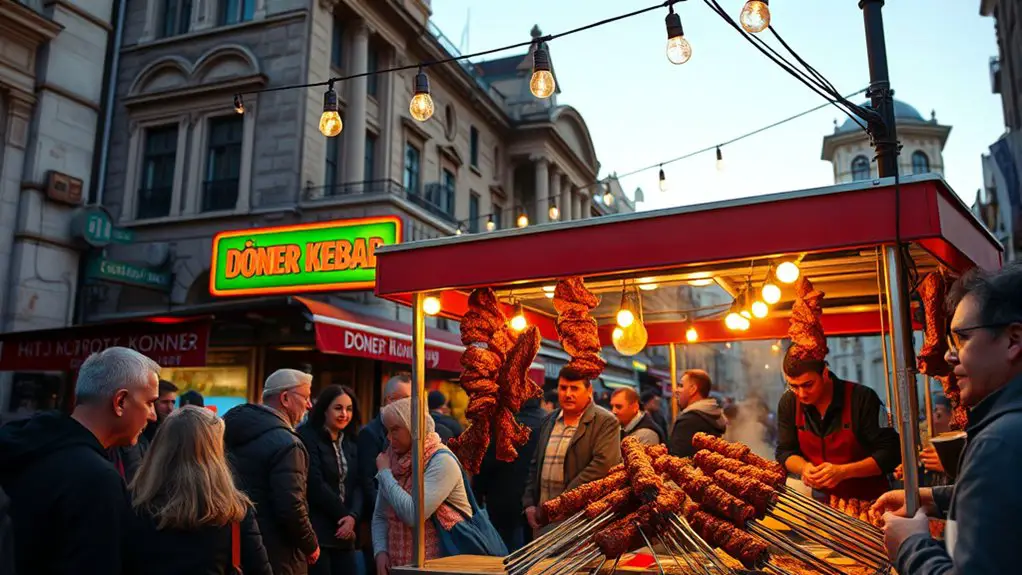
Istanbul is one of the best places to understand what Turkish döner is supposed to taste like: hot meat shaved from a vertical spit, served simply in bread or lavaş, on a plate, or over rice. The strongest choices are not all around the main tourist sights, so knowing where to go—and when—can make a big difference.
Quick Answer
For excellent döner in Istanbul, look beyond anonymous tourist stalls. Karadeniz Döner Asım Usta in Beşiktaş, Tatar Salim in Kadıköy, Dönerci Şahin Usta near the Grand Bazaar, Kızılkayalar in Taksim, and Bayramoğlu in Kavacık are stronger starting points. Visit specialist shops earlier in the day because popular spits can sell out.
Key Takeaways
- Beşiktaş, Kadıköy and the Grand Bazaar area have some of Istanbul’s better-known dedicated döner stops.
- Traditional meat döner is often served more simply than European-style kebab sandwiches, with the quality of the meat taking center stage.
- For famous specialist shops, lunch or early afternoon is usually safer than late evening because the day’s döner can sell out.
- Prices have risen sharply. Check menus on the day you visit rather than relying on old travel-blog price ranges.
Disclosure: As an Amazon Associate I earn from qualifying purchases. Some links on this page are affiliate links, at no extra cost to you.
Best Döner in Istanbul at a Glance
| Area | Place | Best For | When to Go |
|---|---|---|---|
| Old City / Fatih | Dönerci Şahin Usta | Classic stop near the Grand Bazaar | Lunch or early afternoon |
| Kadıköy | Tatar Salim | Sit-down meat döner and dürüm | Lunch through evening |
| Taksim | Kızılkayalar | Convenient central and later-night stop | Flexible |
| Beşiktaş | Karadeniz Döner Asım Usta | Destination-style traditional meat döner | Before mid-afternoon when possible |
| Kavacık / Beykoz | Bayramoğlu Döner | Wood-fired yaprak döner | Worth planning as a dedicated food stop |
The Best Döner Kebab Near Sultanahmet
When you wander through the historic streets of Sultanahmet, you will see plenty of restaurants serving döner. Convenience is easy to find around the Blue Mosque and Hagia Sophia, but an anonymous stall beside a landmark is not automatically one of Istanbul’s best.
For traditional Istanbul döner, simplicity is often a strength: freshly carved meat, good bread or lavaş, and only enough extras to support the meat rather than hide it.
For a more established Old City stop, head toward the Grand Bazaar and Nuruosmaniye area for Dönerci Şahin Usta. The compact shop on Kılıççılar Sokak has long been known for serving döner close to the bazaar, making it a practical choice if your sightseeing already includes the historic market.
Watch the spit before ordering. A busy shop where the browned outer layer is sliced frequently usually gives you a fresher serving than a quiet counter where cooked meat has been sitting.
Pro Tip: In the Old City, compare the posted menu before sitting down. Tourist-zone prices and serving styles can vary greatly within only a few streets.
Hidden Gems in Kadıköy
Kadıköy is one of Istanbul’s most rewarding neighborhoods for eating because its market streets mix old-school food businesses with newer restaurants and cafés. For döner, it is better to choose a known specialist than assume every busy kebab counter serves the same style or quality.
Local Favorites to Try
A strong, easy-to-verify choice is Tatar Salim. Its official contact page lists a Kadıköy branch at Caferağa, İmamata Sokak No:7 and opening hours of 11:00–22:00.
The restaurant focuses on meat döner rather than a long list of novelty toppings. Its current official menu includes:
- Porsiyon döner: meat served as a plated portion.
- Dürüm döner: meat wrapped in lavaş.
- Pilav üstü döner: döner served over rice.
This is closer to what you should expect from a specialist Turkish döner restaurant: the meat and cooking are the main attraction, while bread, rice, pickles, salad or potatoes play supporting roles.
Unique Flavors to Experience
Kadıköy certainly has creative restaurants, but sauces such as pomegranate, walnut mixtures or spicy drizzles should not be treated as a defining Kadıköy döner tradition. Individual shops may experiment, but traditional döner does not require elaborate toppings.
For a more useful comparison, try the same meat in two formats. A dürüm gives you more bread in each bite, while a plated serving makes it easier to judge the browning, fat and texture of the döner itself.
Note: Prices in Istanbul change quickly. At the time this guide was checked in July 2026, Tatar Salim’s official menu listed a standard döner dürüm at ₺570 and a 110 g plated döner at ₺675. Treat those as a dated example, not a citywide price rule.
Trendy Spots in Karaköy
Karaköy buzzes with cafés, bakeries, restaurants and nightlife, so it remains a great eating neighborhood. However, it is better known as an all-around food district than as the home of one definitive traditional döner institution.
You can certainly find döner while exploring Karaköy, but do not feel that you need to force your döner meal into this neighborhood simply because you are sightseeing there. For a dedicated döner stop, nearby Taksim and Beşiktaş offer clearer choices.
- Choose a busy counter with steady turnover.
- Look for meat being sliced directly from a well-browned outer layer.
- Ask what type of meat is being served rather than assuming every spit is lamb.
- Check the menu and price before ordering, particularly around heavily visited streets.
Karaköy is therefore a good place for an unplanned quick bite, while travelers building a food-focused itinerary may prefer to save their main döner meal for Beşiktaş, Kadıköy or Kavacık.
Classic Favorites in Taksim
Taksim remains one of Istanbul’s easiest areas for street food, especially if you want something convenient after spending time around İstiklal Avenue. The experience is different from visiting a specialist who prepares one daily döner and closes when it is gone.
Kızılkayalar is one of the area’s most established names. The company’s official history traces its Taksim roots back decades and states that its buffet was an early Taksim operator serving meat döner. Its current branch list includes Taksim as well as Kadıköy and Beşiktaş.
| Taksim Choice | Why Choose It | What to Know |
|---|---|---|
| Kızılkayalar | Central, established street-food stop with meat döner | Better suited to convenience and a lively Taksim meal than a quiet destination-dining experience |
| Continue to Beşiktaş | Better option when döner itself is the main reason for the trip | Go earlier for specialist shops that may sell out |
Taksim’s advantage is flexibility. It is one of the easier areas to find food later in the day, while famous specialist döner shops elsewhere may operate mainly around lunch.
Local Favorites in Beşiktaş
Beşiktaş is one of the most useful districts to know if döner is high on your Istanbul food list. Its busy market streets make it easy to combine a döner stop with the waterfront, Dolmabahçe area or a ferry journey.
The standout name is Karadeniz Döner Asım Usta, also commonly referred to as Tarihi Karadeniz Döner. The small Beşiktaş shop is known for a meat-focused style and frequently attracts queues.
The key practical point is timing. This is not primarily a midnight-kebab destination. Popular specialist shops prepare a finite spit for the day and can finish service once it sells out.
- Go before the late-afternoon rush when possible.
- Expect a simpler, meat-first presentation rather than a sandwich overloaded with sauces.
- Do not be surprised by a queue at peak lunchtime.
- Ayran is a classic drink to pair with the meal.
Pro Tip: If Karadeniz Döner is a priority, plan it as lunch rather than assuming you can return after sightseeing in the evening.
Worth the Detour: Bayramoğlu Döner in Kavacık
If you are willing to leave the central sightseeing districts for a food-specific trip, Bayramoğlu Döner in Kavacık, Beykoz, deserves consideration.
According to the restaurant’s official website, its yaprak döner is cooked using oak wood, and the restaurant is at Rüzgarlıbahçe, Cumhuriyet Caddesi No:2 in Beykoz.
This is the type of stop that makes more sense for a traveler actively hunting for döner than for someone who simply wants the nearest sandwich between museum visits. Reaching Kavacık takes more planning, but it gives you another style to compare with the compact shops of Beşiktaş and the Old City.
Unique Döner Variations Across the City
Döner kebab is not one fixed sandwich. Across Istanbul, the biggest differences are usually the meat, preparation and serving format—not whether one neighborhood adds a fashionable sauce.
Et Döner
Et döner means meat döner and is commonly based on beef or veal, sometimes combined with lamb or lamb fat depending on the shop’s recipe. Dedicated döner specialists often build their reputation around the meat itself.
Tavuk Döner
Tavuk döner is chicken döner. It is widely available and is usually a separate product rather than simply a cheaper version of the same recipe. Seasoning, fat content and texture can differ considerably between shops.
Döner Ekmek
This is döner served in bread. The exact loaf varies by shop. In a traditional meat-first version, the bread should support the hot shaved meat rather than bury it under a large amount of salad and sauce.
Dürüm Döner
Dürüm wraps the meat in thin lavaş. It is easy to eat on the move and gives you a different meat-to-bread ratio from a thick sandwich.
Porsiyon Döner
A plated portion removes much of the bread from the equation. It is a good choice when you want to focus on the flavor, browning and texture of the meat.
Pilav Üstü Döner
Here, sliced döner is served over Turkish-style rice. Tatar Salim’s current menu is one example of an Istanbul restaurant offering this format alongside wraps and standard portions.
İskender-Style Döner
İskender is a related plated preparation associated with Bursa. Döner meat is combined with bread, tomato sauce, butter and yogurt. The İskender family’s official history links its vertical-roasting tradition to İskender Efendi in Bursa in the 19th century.
How to Order Döner in Istanbul
You do not need much Turkish to order successfully. A few basic terms make the menu easier to understand:
- Et döner: meat döner.
- Tavuk döner: chicken döner.
- Dürüm: wrapped in lavaş.
- Ekmek arası: served inside bread.
- Porsiyon: plated portion.
- Pilav üstü: served over rice.
- Bir porsiyon: one portion.
- Az: small or reduced amount, depending on context.
- Acısız: without hot spice.
At a specialist meat-döner shop, consider ordering the standard version first. You can always add extras later, but starting simple makes it easier to understand why the restaurant is famous.
What Makes a Good Döner?
A good shop does not need elaborate décor. Pay more attention to the spit and service:
- The exterior should be browned before it is shaved.
- Freshly cut meat should reach you hot.
- A busy shop generally has faster turnover.
- Good meat should still have texture rather than tasting like an anonymous soft filling.
- Bread or lavaş should be fresh enough to hold the meat without becoming soggy immediately.
Warning: Avoid meat that is served lukewarm or appears to have been sitting after carving. Food-safety authorities such as the USDA Food Safety and Inspection Service stress proper cooking and hot-food handling; poultry in particular must be thoroughly cooked.
A Short History of Döner
Döner has roots in Ottoman-era spit-roasted meat, but its history is more complicated than the claim that one person suddenly invented the modern dish.
The Istanbul Encyclopedia notes that döner does not appear among the kebabs in surviving 18th-century price records and suggests that the familiar form developed around the early 19th century. Earlier kebabs were commonly cooked on horizontal spits; vertical roasting became established later.
Bursa is especially important to the modern story. The İskender family dates İskender Efendi’s vertically roasted preparation to 1867. Other historical accounts also mention competing claims, so it is safer to describe the vertical döner as a 19th-century Ottoman development rather than crediting its entire invention to one universally accepted person.
Frequently Asked Questions
What Is the History of Döner Kebab in Istanbul?
Döner developed from Ottoman traditions of spit-roasted meat. Earlier versions were cooked horizontally, while vertical roasting became established during the 19th century. Bursa and Istanbul both played important roles in the dish’s development, and claims about a single inventor remain disputed.
How Much Does a Typical Döner Kebab Cost in Istanbul?
There is no dependable citywide price because portions, meat quality, neighborhoods and restaurant types differ, and Turkish prices change quickly. As one dated example, Tatar Salim’s official menu showed a standard döner dürüm at ₺570 and a 110 g plated döner at ₺675 when checked in July 2026. Always check the current menu before ordering.
Are There Vegetarian Döner Options Available?
Some Istanbul restaurants offer plant-based wraps, falafel or grilled vegetables, but these are alternatives rather than traditional meat döner. Check the individual restaurant’s menu if you need vegetarian food, because specialist döner shops may focus entirely on meat.
What Are the Best Times to Eat Döner in Istanbul?
For specialist shops such as Karadeniz Döner Asım Usta, lunch through early afternoon is the safer choice because the day’s döner may sell out. Taksim’s street-food businesses are better suited to evening or late-night eating. Check current opening hours before making a special trip.
Can Döner Kebab Be Found in Other Turkish Cities?
Yes. Döner is eaten throughout Turkey, and regional preparation styles differ. Bursa is particularly associated with İskender-style döner, while other regions have their own meat blends, seasoning and serving traditions.
Is Turkish Döner the Same as the Döner Sold in Germany?
They share the same Turkish culinary roots, but the common German sandwich style evolved differently. Istanbul meat döner is often served with fewer sauces and salad toppings, putting more emphasis on the freshly carved meat, bread and cooking style.
Should I Order Meat Döner or Chicken Döner?
Choose meat döner when visiting a restaurant specifically famous for its beef, veal or lamb preparation. Chicken döner can also be excellent, but it is a different style with its own seasoning and texture. At a specialist shop, order the product for which that restaurant is best known.
Conclusion
Whether you’re exploring the historic streets of Sultanahmet, crossing to Kadıköy or spending the afternoon in Beşiktaş, Istanbul gives you plenty of ways to experience döner kebab. The smartest approach is to choose a real specialist, arrive while the day’s spit is still turning, and order simply enough to taste the meat itself.
For an Old City itinerary, Dönerci Şahin Usta is a useful stop near the Grand Bazaar. Tatar Salim gives Kadıköy visitors a documented sit-down option, Kızılkayalar offers convenience in Taksim, and Karadeniz Döner Asım Usta remains an important Beşiktaş name. Travelers willing to make a dedicated food trip can also head to Bayramoğlu in Kavacık.
Sources
- Istanbul Encyclopedia — Döner Kebabı — historical development and traditional preparation of döner.
- İskender — Official History — Bursa’s İskender Efendi tradition and 19th-century vertical roasting.
- Tatar Salim — Official Menu — current döner formats, portions and menu prices.
- Kızılkayalar — Official History — Taksim history and meat-döner service.
- Bayramoğlu Döner — Official Website — Kavacık location and wood-fired yaprak döner preparation.
- USDA Food Safety and Inspection Service — safe cooking and hot-food handling guidance for meat and poultry.
