
Last Updated on July 30, 2026 by Daniel Globe
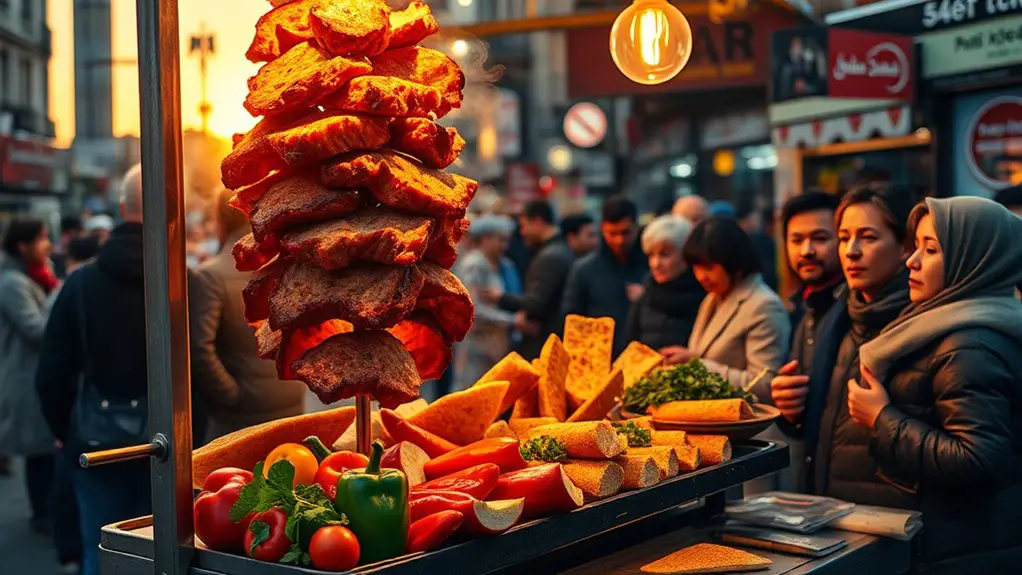
Istanbul is one of the best places to understand what Turkish döner kebab is meant to taste like: thin slices of browned meat cut from a turning vertical spit and served while still hot. The best order may arrive in bread, rolled in lavash, placed over rice, or served plainly on a plate. Knowing the styles, neighborhoods, and ordering terms will help you find a version that suits you.
Quick Answer
For memorable döner in Istanbul, look beyond the nearest tourist counter. Fatih, Beşiktaş, Beykoz, Üsküdar, and Kadıköy all have respected specialists. Order meat döner as a dürüm, bread sandwich, or plated portion, and visit small shops around lunch because popular spits may sell out before evening.
Key Takeaways
- Traditional Istanbul meat döner often puts the meat first; heavy garlic and chili sauces are not required.
- Useful orders include dürüm, ekmek arası, tombik, porsiyon, and pilav üstü.
- Dönerci Şahin Usta is near the Grand Bazaar in Fatih, while Karadeniz Döner Asım Usta is the classic Beşiktaş stop.
- Small specialists may serve mainly at lunch and close after the day’s spit is finished.
- High customer turnover is helpful, but clean handling, thorough cooking, and hot service matter too.
Disclosure: As an Amazon Associate I earn from qualifying purchases. Some links on this page are affiliate links, at no extra cost to you.
What Makes Döner Kebab So Special?
Döner gets its name from the Turkish verb dönmek, meaning “to turn.” Layers of meat rotate beside a heat source, allowing the exposed surface to brown while the inner stack cooks more slowly.
The cook shaves off only the cooked outer layer. A well-managed spit therefore gives you a mix of juicy meat, rendered fat, roasted seasoning, and crisp edges in the same serving.
Not every döner uses the same meat or method. You may see beef, lamb, a beef-and-lamb mixture, or chicken. Yaprak döner is built mainly from thin pieces of whole meat. Other versions may contain minced meat as part of the stack, depending on the recipe and local rules.
Traditional Istanbul meat döner is often less dependent on sauce than versions sold elsewhere. Fresh bread, tomato, onion, pickles, roasted peppers, or a small amount of seasoning may be enough. If you want the clearest view of a shop’s meat quality, begin with a simple order.
Good döner should taste of browned meat, balanced fat, seasoning, and fire—not only the sauce placed on top.
The History of Döner Kebab in Turkey
Döner belongs to the wider history of kebabs and spit-roasted meat in Ottoman and Turkish cooking. The broad tradition is clear, but the exact person, city, and date responsible for turning the spit upright are still debated.
Origins of Döner Kebab
Historical accounts connect modern döner with Ottoman-era cooking and later developments in several Anatolian cities. Bursa, Kastamonu, and Istanbul all appear in stories about the dish’s development. It is therefore safer to describe modern vertical-spit döner as an evolving regional craft rather than the invention of one universally accepted person.
A 2024 publication in the Official Journal of the European Union documented a Turkish application describing döner as thin pieces of cattle, sheep, or chicken meat stacked on a vertical skewer. That application was later withdrawn in 2025, so döner should not be described as currently protected by an EU Traditional Speciality Guaranteed registration.
Evolution of Preparation Methods
Traditional cooks stack and shape the meat by hand, balancing lean pieces with enough fat to keep the spit moist. Marinades and seasoning differ. They may include onion, yogurt or milk, salt, pepper, thyme, or other spices, but no single flavor profile covers every Istanbul shop.
Gas and electric rotisseries are now common because they provide steady heat. Some specialists still emphasize wood or charcoal. For example, Bayramoğlu Döner describes cooking its yaprak döner with oak wood.
The cook’s timing still matters more than the machine. Cutting too deeply can expose undercooked meat, while leaving the outside too long can make it dry. Skilled slicing keeps the serving thin, browned, and hot.
Cultural Significance in Turkey
Döner is both a quick everyday meal and a specialist craft. It appears at small lunch counters, neighborhood restaurants, shopping streets, transport hubs, and formal kebab restaurants.
- Everyday convenience: Bread and wrap formats make döner easy to eat during a workday or while exploring the city.
- Specialist skill: Building, cooking, and slicing a large spit consistently requires practice.
- Regional variety: Meat blends, seasoning, bread, side dishes, and cooking fuels change from one shop or region to another.
How Döner Is Served in Istanbul
Do not assume every order arrives in pita with salad and sauce. Istanbul shops use several formats, and the menu may list them only in Turkish.
| Order | What You Receive |
|---|---|
| Dürüm | Döner rolled tightly in lavash or yufka, sometimes with tomato, onion, pickles, greens, or peppers. |
| Ekmek arası | Döner served inside bread. The type and amount of garnish vary by shop. |
| Tombik | A round, soft bread filled with döner and selected accompaniments. |
| Porsiyon | A plated portion of döner, often with bread, tomato, pepper, pickles, or another small side. |
| Pilav üstü | Döner placed over rice pilaf for a more filling meal. |
| İskender | A distinct Bursa dish with döner over cut bread, typically finished with tomato sauce and butter and served with yogurt. |
Note: “Pita” is often used as a broad English description, but menus in Istanbul are more likely to use terms such as ekmek, lavaş, yufka, dürüm, or tombik.
Top Neighborhoods for Döner Kebab in Istanbul
GoTürkiye’s official Istanbul street-food guide points travelers toward historic and central areas such as Sultanahmet, Eminönü, Beşiktaş, and Üsküdar. However, the right neighborhood depends on whether you want a tiny lunch counter, a sit-down restaurant, or a late-night meal.
Fatih and the Grand Bazaar
Fatih is the strongest choice when your sightseeing route includes the Grand Bazaar, Sultanahmet, or Eminönü. Near the Nuruosmaniye side of the Grand Bazaar, Dönerci Şahin Usta is known as a compact specialist rather than a long, sit-down meal.
This area works best around lunch. Small counters can develop queues and may finish the day’s meat before late evening.
Beşiktaş Döner Stops
Beşiktaş has a busy market district filled with quick meals. Its best-known specialist is Karadeniz Döner Asım Usta, a single-location shop associated with classic meat döner.
Plan this stop as lunch rather than assuming it will be available after a late night. The official account states that it has no other branch, which helps visitors avoid similarly named businesses.
Beykoz and Kavacık
Kavacık is farther from the historic center but is home to Bayramoğlu Döner. Its official site lists an address in Rüzgarlıbahçe, Beykoz, and describes yaprak döner cooked with oak wood.
This is a better fit for travelers who want a destination meal in a larger restaurant rather than a quick stop between Old City attractions.
Üsküdar and Kuzguncuk
Üsküdar combines ferry access with several established food neighborhoods. In nearby Kuzguncuk, Metet Közde Döner is associated with charcoal-cooked döner and also lists other Asian-side branches.
A ferry ride to Üsküdar followed by a walk or short local ride can turn the meal into a wider Bosphorus outing.
Kadıköy and Caddebostan
Kadıköy is one of Istanbul’s broadest food districts, but not every famous regional restaurant is a döner specialist. For a focused döner meal, Tatar Salim currently lists locations in Kadıköy, Caddebostan, and Ataşehir.
Use Kadıköy when you want to combine döner with the market, cafés, bars, ferry views, or a longer Asian-side food walk.
Taksim Square and Beyoğlu
Taksim and the streets around İstiklal Avenue offer many döner counters with long hours. They are convenient after sightseeing or nightlife, but convenience does not guarantee that a shop is a specialist.
Compare several counters before ordering. Look at the meat, bread, cleanliness, customer turnover, and whether the cook slices only the browned surface.
Eminönü’s Food Streets
Eminönü is packed with markets, commuters, historic sights, and quick food. The official Istanbul tourism guide includes sizzling döner and dürüm among the area’s characteristic food smells.
It is a convenient district for an informal meal near the Spice Bazaar, but individual stalls and shops can change. Recent local reviews and visible customer turnover are more useful than relying on an old “hidden gem” list.
Must-Try Döner Kebab Spots in Istanbul
The following businesses had current official websites or social pages available in July 2026. Opening times, branch details, prices, and sellout times can change, so check the linked page on the day you plan to visit.
| Döner Shop | Area | Why Visit |
|---|---|---|
| Dönerci Şahin Usta | Fatih, near the Grand Bazaar | A tiny, focused counter suited to a quick meat-döner stop during an Old City itinerary. |
| Karadeniz Döner Asım Usta | Beşiktaş | A classic single-location specialist in the busy Beşiktaş market area. |
| Bayramoğlu Döner | Kavacık, Beykoz | A larger destination restaurant whose official site highlights oak-wood cooking and yaprak döner. |
| Metet Közde Döner | Kuzguncuk, Üsküdar | A useful Asian-side stop for diners interested in charcoal-cooked döner. |
| Tatar Salim | Kadıköy, Caddebostan, and Ataşehir | A döner-focused restaurant with several officially listed Asian-side locations. |
Pro Tip: Visit a small meat-döner specialist near the start of its main lunch period. You are more likely to see a fresh, actively sliced spit and less likely to arrive after the day’s meat has sold out.
Useful Turkish Döner Ordering Terms
A few Turkish words make ordering much easier:
- Et döneri: Meat döner, usually beef, lamb, or a blend.
- Tavuk döneri: Chicken döner.
- Yaprak döner: Döner built mainly from thin leaves or slices of whole meat.
- Dürüm: Rolled in lavash or another thin flatbread.
- Ekmek arası: Served inside bread.
- Tombik: Served in round, soft bread.
- Porsiyon: A plated portion.
- Pilav üstü: Served over rice.
- Sade: Plain, without extra fillings or sauce.
- Az acılı: A little spicy.
- Acısız: Not spicy.
- Bir buçuk porsiyon: One and a half portions, where offered.
You can also point to the bread, vegetables, or peppers you want. Small counters may have a set format rather than a long list of custom toppings.
How to Spot a Promising Döner Shop
No visual test can guarantee a perfect or safe meal, but several signs improve your odds:
- The outside is properly browned: The cook should slice from the cooked surface rather than cutting deeply into pale inner meat.
- The meat is cut to order: Freshly shaved döner should reach you hot instead of sitting in a large lukewarm pile.
- The station looks organized: Knives, boards, hands, bread, and vegetables should be handled cleanly.
- Raw and cooked food are separated: Raw poultry or meat juices should not touch bread, salad, or cooked slices.
- The shop has steady turnover: Regular orders help keep cooked meat moving, although crowds alone do not prove good hygiene.
- The menu has a clear focus: A compact menu can be a positive sign when the shop builds its reputation around one style.
Warning: A queue is not a food-safety certificate. Follow the WHO Five Keys to Safer Food: food should be handled cleanly, raw and cooked items should stay separate, meat should be cooked thoroughly, and cooked food should be kept at a safe temperature.
Vegetarian and Vegan Döner Options
Plant-based döner is available in Istanbul, but it is a modern alternative rather than a traditional meat-döner style. Do not expect every classic specialist to offer it.
Tasty Plant-Based Alternatives
Dedicated vegan kitchens and plant-based food shops are more reliable than traditional döner counters for meat-free versions. Current products and restaurant menus may use seitan, soy protein, mushrooms, legumes, or seasoned vegetable mixtures.
For example, Vegan Kasap lists a plant-based döner product. Fully vegan restaurants in areas such as Kadıköy and Balat may also offer döner-style wraps, but menus change frequently.
Popular Vegan Ingredients
A vegan döner-style wrap may contain seitan or soy-based slices, lettuce, tomato, onion, pickles, roasted vegetables, tahini, harissa, or plant-based yogurt sauce.
Ask whether the bread and sauce contain milk, egg, or butter. Diners with allergies or strict vegan requirements should also ask about shared knives, grills, fryers, and preparation surfaces.
How to Enjoy Your Döner Kebab Like a Local
Start by deciding whether you want to judge the meat itself or enjoy a full sandwich. A plain plated portion or lightly filled bread order lets the browned meat remain the main flavor.
- Eat it promptly: Thin slices cool quickly and lose their crisp edges.
- Choose the format before the toppings: Ask for dürüm, bread, tombik, rice, or a plate first.
- Let specialist shops guide the order: A focused counter may have a house style that works better than a heavily customized version.
- Use peppers and pickles carefully: They brighten rich meat but can overpower a mild döner.
- Do not assume sauce is necessary: Taste a few bites first.
Döner is commonly eaten as an individual quick meal. Sharing a mixed restaurant order with friends is normal, but passing around bites is not a required local ritual.
Pairing Drinks With Your Döner Kebab
Ayran is the classic pairing. Its cool, lightly salty yogurt flavor balances hot bread, meat, and peppers without covering them.
Şalgam, a tangy fermented turnip drink, is another strong match if you enjoy sour or spicy flavors. Sparkling mineral water and plain water also work well with a rich serving.
Beer can complement roasted meat, but many small döner counters do not sell alcohol. Treat it as an optional pairing at a licensed restaurant rather than the standard local choice.
The Best Time to Enjoy Döner Kebab
The best time depends on the type of shop:
- Lunch and early afternoon: Best for small, famous meat-döner specialists that prepare one main spit and may sell out.
- Early evening: Suitable for larger sit-down restaurants that maintain a longer service.
- Late night: Easy in Taksim, İstiklal, and other nightlife districts, although the most convenient open counter is not always the city’s best specialist.
A visibly busy spit near the main service period is usually a better target than a large, barely moving spit late in the day.
Tips for Finding Hidden Gems in Istanbul
Good neighborhood döner is not always heavily advertised. Use these practical checks instead of relying only on “best of” lists:
- Look for a steady local lunch crowd rather than an employee calling tourists inside.
- Check recent reviews for changed ownership, relocation, closure, or reduced quality.
- Confirm whether a famous name has official branches or unrelated copycat businesses.
- Watch how quickly the spit moves and whether the cook slices only the browned layer.
- Favor shops with a focused menu and a clear house specialty.
- Check the business’s official page on the day of your visit for closures or holiday hours.
- Ask nearby workers where they buy lunch; their answer may be more useful than a viral video.
Döner vs. Shawarma, Gyros, and İskender
These dishes share a family resemblance, but the names are not interchangeable.
- Döner: The Turkish turning-spit preparation discussed in this guide. Seasoning and serving styles vary.
- Shawarma: A related Levantine preparation with its own marinades, spices, breads, pickles, and sauces.
- Gyros: A Greek turning-spit dish commonly served with pita and Greek accompaniments such as tzatziki.
- İskender kebab: A Bursa specialty in which döner is served over pieces of bread with tomato sauce and butter, usually with yogurt. The Turkish Ministry of Culture and Tourism describes this plated format.
The cooking idea may be related, but each dish reflects a different culinary setting. Calling every vertical-spit sandwich “döner” can hide those differences.
The Future of Döner Kebab in Global Cuisine
Döner continues to change as it travels. Turkish-style meat döner, Berlin-style sandwiches, vegan alternatives, chef-led versions, and regional hybrids now coexist.
- More plant-based versions: Seitan, soy, mushrooms, and legumes make the format accessible to more diners.
- Clearer ingredient labeling: Customers increasingly want to know the meat blend, allergens, and preparation method.
- Greater focus on sourcing: Some restaurants emphasize meat origin, whole-muscle cuts, bread quality, and cooking fuel.
- Local adaptations: Chefs continue to match turning-spit meat with the breads, vegetables, and sauces preferred in their own cities.
These versions do not need to be identical. The useful question is whether a restaurant describes its style honestly and prepares it well.
Frequently Asked Questions
What are the common ingredients in traditional döner?
Traditional döner uses layers of beef, lamb, a beef-and-lamb mixture, or chicken cooked on a vertical spit. Salt, onion, pepper, thyme, yogurt, or milk may be used in some preparations, but recipes differ. Bread, tomato, onion, pickles, peppers, rice, or yogurt may be served alongside it.
How is döner typically served in Istanbul?
Common choices include a dürüm rolled in lavash, döner inside bread, a tombik sandwich, a plated portion, or meat served over rice. Garnishes and sauces vary. Traditional meat specialists may keep the serving simple so the döner remains the main flavor.
Is döner safe to eat as street food?
It can be, but a crowd alone does not prove safety. Choose a clean business where cooked meat is served hot, the cook slices only the browned surface, utensils appear clean, and raw ingredients are kept away from bread, vegetables, and cooked meat.
Can I customize my döner order?
Usually, yes. You can often choose bread, wrap, plate, rice, vegetables, peppers, and sauce. Small specialists may use a fixed house format, so extensive changes are not always available or recommended.
What side dishes commonly accompany döner?
Common sides include rice pilaf, roasted peppers, tomato, onion, pickles, salad, yogurt, and bread. The exact selection depends on whether you order a sandwich, wrap, plated portion, or İskender-style dish.
Is all döner in Istanbul halal?
Many Istanbul businesses use meat considered halal, but the word “döner” is not proof of certification. Ask the restaurant directly if formal halal certification, slaughter method, or separation from alcohol and other ingredients matters to you.
Which Istanbul neighborhood is best for döner?
Fatih is convenient for Grand Bazaar visitors, Beşiktaş has a famous compact specialist, Beykoz offers a destination restaurant, and Üsküdar and Kadıköy provide strong Asian-side choices. The best area is the one that fits your itinerary and preferred service style.
Sources
- Official Journal of the European Union — Döner application publication — product definition, meat types, preparation, and documented historical claims; the application was later withdrawn.
- GoTürkiye — Istanbul Street Food — Istanbul’s street-food culture and districts associated with döner.
- GoTürkiye — Döner Guide — döner terminology, culinary craft, history, and dürüm serving style.
- Republic of Türkiye Ministry of Culture and Tourism — Bursa Kebab — the bread, butter, tomato sauce, and yogurt presentation associated with İskender kebab.
- World Health Organization — Five Keys to Safer Food — cleanliness, separation, thorough cooking, safe temperatures, and safe ingredients.
- Bayramoğlu Döner — Official Website — current Beykoz location and the restaurant’s described wood-fire yaprak-döner method.
Conclusion
Istanbul’s döner scene is more varied than one sauce-filled sandwich. You can eat thin meat in a dürüm, bread, a tombik roll, over rice, or as a plated portion. Start with a respected specialist in Fatih, Beşiktaş, Beykoz, Üsküdar, or Kadıköy, arrive early enough to catch an active spit, and taste the meat before adding extra sauce. That simple approach will tell you far more about Turkish döner than any list of exaggerated “hidden gems.”
