
Last Updated on September 11, 2026 by Daniel Globe
Airplane seat pitch is the distance from a point on one seat to the same point on the seat in front of it. Airlines usually measure it in inches. Pitch is useful when comparing row spacing, but it is not the same as exact legroom. Seat shape, recline, under-seat equipment, and cabin layout also affect how much room you actually have.
Quick Answer
Seat pitch measures the distance between matching points on two consecutive airplane seats. Standard economy pitch is often about 30 to 32 inches, while 33 inches or more usually feels roomier. However, pitch does not show exact knee clearance, seat width, foot space, or how far the seat ahead reclines.
Key Takeaways
- Seat pitch measures row spacing, not the exact open space in front of your knees.
- About 30 to 32 inches is common in standard economy, while compact cabins may use 28 to 30 inches.
- Seat design, recline, fixed armrests, and under-seat equipment can make two seats with the same pitch feel different.
- Exit-row and bulkhead seats may offer more room, but they also have restrictions and possible storage limits.
- Always verify the operating airline, aircraft type, cabin, and current seat map before paying for a seat.
What Does Seat Pitch Mean?
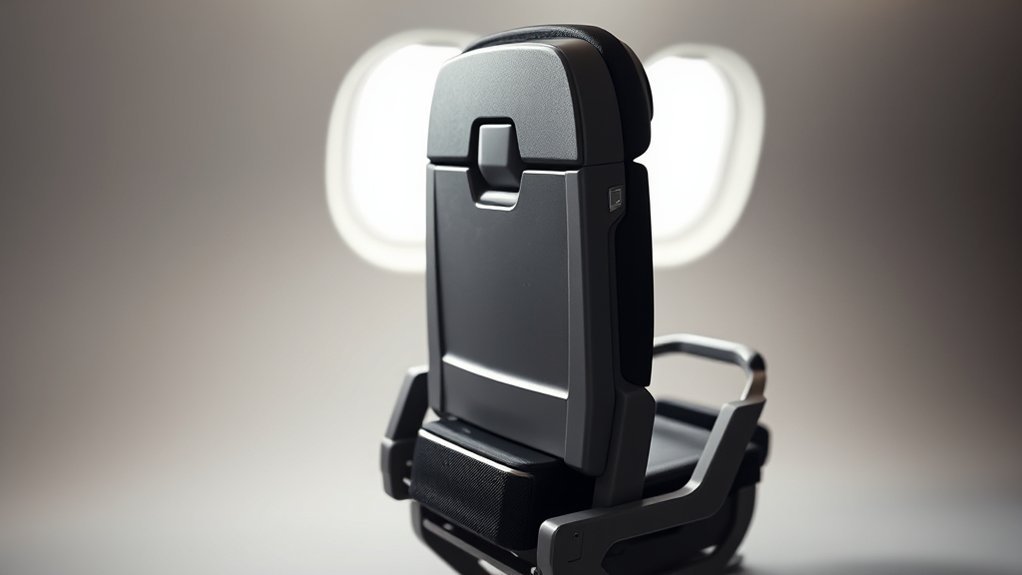
Seat pitch is the distance from a fixed point on one seat to the same point on the seat directly ahead. For example, an airline may measure from one seatback reference point to the matching point in the next row. The result is normally given in inches or centimeters.
Pitch describes how closely the rows are installed. It does not directly measure the open gap between your knees and the seatback. A modern slimline seat can create more usable knee space than a thick older seat installed at the same pitch.
Seat pitch also says nothing about shoulder room. For that, you need the seat-width measurement. Checking both figures gives you a better picture of the space available.
A 31-inch pitch describes the spacing between rows. It does not mean that your legs receive 31 inches of completely open space.
How Does Seat Pitch Affect Legroom?
A larger pitch usually places the seat ahead farther away, so it often gives your knees more room. Even one or two additional inches can be noticeable, especially if you are tall or the passenger ahead reclines.
However, two seats with identical pitch can feel different because of:
- Seatback thickness: A thin, sculpted seatback may create more knee clearance.
- Recline: A reclining seat moves the upper seatback closer to your body.
- Tray-table design: Hinges and support bars can reduce knee space.
- Under-seat equipment: Entertainment boxes, power units, and seat supports can restrict foot space.
- Seat shape: Curved seatbacks and recessed literature pockets can improve usable room without changing pitch.
Use pitch as a useful starting point rather than a complete comfort rating.
What’s a Normal Economy Seat Pitch?
Standard economy pitch is commonly around 30 to 32 inches. Compact economy cabins can be closer to 28 to 30 inches, while extra-legroom economy seats often begin near 33 inches and may reach the upper 30s.
| Economy Seat Type | Common Pitch Guide | What to Expect |
|---|---|---|
| Compact economy | 28–30 inches | Limited knee and movement space |
| Standard economy | 30–32 inches | Typical spacing on many aircraft |
| Extra-legroom economy | About 33–38 inches | More knee room, usually for an added fee |
These ranges are planning guides, not industry guarantees. The exact pitch can change by airline, aircraft, row, and cabin configuration.
How Travel Class Changes Seat Pitch
Travel class often affects row spacing, but cabin names do not guarantee one standard pitch. Extra-legroom economy and premium economy normally provide more space than regular economy. Business class varies much more.
On some short flights, business class uses an economy-style seat with extra pitch or an empty middle seat. On long-haul aircraft, business and first class may use angled-flat or fully flat beds. For those seats, bed length, direct aisle access, and seat layout can be more useful than a conventional pitch number.
| Cabin | General Pitch Guide | Important Detail |
|---|---|---|
| Standard economy | About 30–32 inches | Aircraft-specific variation is common |
| Extra-legroom economy | About 33–38 inches | Usually the same basic seat with wider row spacing |
| Premium economy | Often about 37–40 inches | May include a wider seat, deeper recline, and leg rest |
| Short-haul business | Varies widely | May resemble economy with an empty adjacent seat |
| Long-haul business or first | Not directly comparable | Check bed length, privacy, and aisle access |
How to Check Your Flight’s Seat Pitch
The most reliable starting point is the operating airline’s current aircraft page or seat-selection map. Do not rely only on a general airline average because the same carrier can operate several cabin layouts.
- Find the operating airline. On a codeshare, the airline selling the ticket may not operate the aircraft.
- Identify the aircraft type. Look for a designation such as Airbus A321neo, Boeing 737-800, or Boeing 787-9.
- Open the airline’s official seat map. Confirm the cabin and the exact seat category.
- Check the row notes. Look for limited recline, fixed armrests, missing windows, or restricted under-seat storage.
- Recheck before departure. Airlines sometimes substitute another aircraft or cabin configuration.
Note: SeatGuru closed in 2025 and should no longer be used as a current seat-map source. Check the operating airline’s website and booking map instead.
Pro Tip: Take a screenshot of the aircraft type and seat map after selecting your seat. If the aircraft changes, you can compare the new layout and request another available seat.
Which Airlines Have the Most Seat Pitch?
There is no permanent worldwide winner because airlines change aircraft, seat products, and cabin layouts. A carrier with roomy seats on one aircraft may use tighter spacing on another. Compare the exact flight instead of relying on an airline-wide ranking.
Airlines With Most Pitch
Several airlines publish strong extra-legroom options. Current official examples include:
- JetBlue: Its EvenMore seats provide up to 38 inches of legroom. Core-seat measurements and layouts vary by aircraft.
- Southwest: Current seat specifications list 31–33 inches for Standard or Preferred seats and 35–36 inches for Extra Legroom seats on the Boeing 737-700.
- Asiana Airlines: The airline advertises a 34-inch economy seat on specified products, although the aircraft and route still need to be confirmed.
These examples are not a universal ranking. Always check the operating aircraft and row before booking.
High-Legroom Cabin Options
You may also find more room in an extra-legroom section, an exit row, or a front bulkhead row. Each option has tradeoffs:
- Extra-legroom economy: Usually the most predictable choice because the airline sells it as a defined product.
- Exit row: Often roomier, but recline may be limited and the passenger must meet safety requirements.
- Bulkhead row: No normal seatback is directly ahead, but the wall may limit how far you can extend your feet.
- Front row of a cabin: Can provide extra knee room, although fixed armrests may make the seat feel narrower.
Warning: Do not choose an exit-row seat only for the extra space unless you are willing and physically able to perform the emergency actions described by the crew. The FAA advises exit-row passengers to review the safety instructions and request another seat if they cannot perform those duties.
Which Airlines Have the Least Seat Pitch?
No current list can identify one airline as having the least pitch on every route. Aircraft configurations change, and some airlines offer several seat categories in the same cabin.
Spirit currently publishes a standard-seat pitch of 28 to 29 inches, which is at the compact end of economy seating. Other airlines may also use 29- or 30-inch rows on selected aircraft.
A low fare does not automatically mean that every seat is tight, and a full-service airline does not guarantee a roomy seat. Check the exact aircraft, seat category, and row before making the comparison.
Why Long Flights Make Seat Pitch Matter More
Limited space becomes more noticeable when you remain seated for several hours. A larger pitch may make it easier to change position, reach a bag, or stand without disturbing the person ahead. It can also reduce the feeling that your knees are pressed against the seatback.
Pitch alone does not prevent stiffness or travel-related blood clots. Long periods with little movement are the more important concern. The CDC recommends moving your legs, exercising your calf muscles, and taking opportunities to walk or stretch during long trips.
Warning: Extra seat pitch is a comfort feature, not medical protection. Travelers with a history of blood clots or other risk factors should ask a qualified healthcare professional about precautions before a long trip.
How to Find the Best Seat for Legroom
Start with the published pitch, but inspect the complete seat layout before paying for a particular row. The best seat depends on your height, mobility, need for floor storage, and tolerance for fixed armrests or limited recline.
| Seat Option | Possible Advantage | Possible Drawback |
|---|---|---|
| Extra-legroom economy | Clearly defined additional row spacing | Added seat fee |
| Exit row | Often greater knee clearance | Safety eligibility, fixed armrests, or limited recline |
| Bulkhead | No reclining passenger immediately ahead | No under-seat storage and limited foot extension |
| Aisle seat | Easier access for standing and stretching | Possible contact with carts and passing passengers |
| Last row | May be cheaper or less popular | Often limited recline and close to the lavatory or galley |
Before selecting a seat, check these details:
- Published pitch and seat width
- Fixed or movable armrests
- Full, limited, or no recline
- Under-seat entertainment or power boxes
- Distance from lavatories and galleys
- Window alignment
- Whether the aircraft type has changed since booking
Seat Pitch Vs Seat Width
Seat pitch and seat width measure different parts of your space. Pitch measures front-to-back row spacing. Width measures the side-to-side space across the seat, usually between the armrests.
| Measurement | What It Describes |
|---|---|
| Seat pitch | The repeating front-to-back distance between seat rows |
| Knee clearance | The usable open gap between your knees and the seatback |
| Seat width | The side-to-side seating space, usually measured between armrests |
| Foot space | The usable area beneath the seat ahead, after supports and equipment are considered |
| Recline | How far the seatback can tilt and enter the space behind it |
If you are tall, pitch and knee clearance may be your main concerns. If you need more shoulder or hip room, seat width may matter more. For the best comparison, check both measurements along with the seat’s shape and surrounding equipment.
Frequently Asked Questions
What does pitch mean on an airplane seat?
Seat pitch is the distance from a fixed point on one seat to the same point on the seat directly ahead. It measures how closely the rows are installed, not the exact amount of open space available for your legs.
What does a 31-inch pitch mean in airline seats?
A 31-inch pitch means that matching reference points on two consecutive seats are 31 inches apart. It is a common standard-economy measurement, but the actual knee and foot space depends on the seat design.
Is 31-inch seat pitch good?
Thirty-one inches is typical rather than unusually spacious. Many travelers find it acceptable for a short flight, while taller passengers or long-haul travelers may prefer 33 inches or more.
Is pitch the same as legroom?
No. Pitch measures the repeating distance between rows. Legroom is the usable space available to your knees, legs, and feet after the seat shape, recline, supports, and under-seat equipment are considered.
Do exit-row and bulkhead seats always have more legroom?
No. They often provide extra clearance, but the result depends on the aircraft. A bulkhead can limit foot extension, while an exit-row seat may have fixed armrests, limited recline, or safety restrictions.
Can the seat pitch change after I book?
Yes. An airline may replace the scheduled aircraft with another model or configuration. Recheck the operating aircraft and seat map before departure, especially if you paid for a particular seat feature.
Conclusion
Seat pitch is a useful way to compare the spacing between airplane rows, but it is only one part of seat comfort. Standard economy commonly falls near 30 to 32 inches, while extra-legroom products provide more space. Before booking, check the exact aircraft, operating airline, seat width, recline, armrests, and under-seat area. That complete comparison is more reliable than choosing a seat from pitch alone.
Sources
- JetBlue — Seats — current seat types, widths, and EvenMore legroom.
- Southwest Airlines — Seat Specifications — aircraft-specific Standard, Preferred, and Extra Legroom pitch.
- Spirit Airlines — Onboard Experience — current standard-seat pitch and width.
- Asiana Airlines — Economy Class — published economy-seat spacing.
- Federal Aviation Administration — Flying Safe — exit-row passenger responsibilities.
- Centers for Disease Control and Prevention — Travel and Blood Clots — movement guidance for long trips.

