
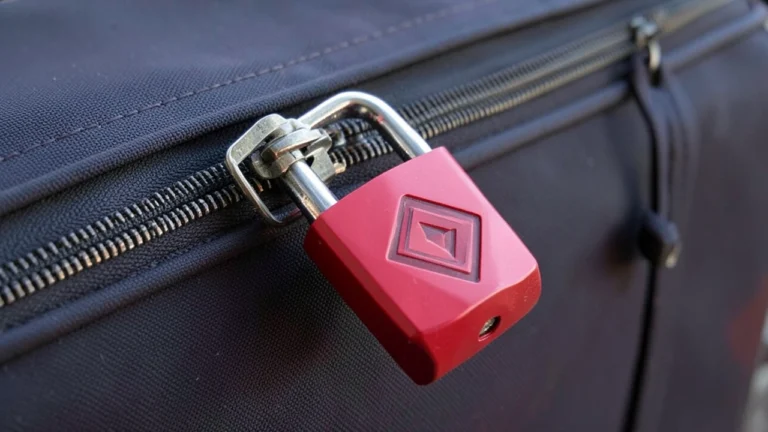
If you have ever bought a suitcase lock, you have seen the label saying that it is a TSA lock. If you are asking what is a tsa lock on luggage, it is a lock designed so that TSA officers can open it with a master key when they need to inspect checked baggage, without breaking the lock. You can lock your bag, and officers can still get inside if they have to.
This guide explains how the system works, how to recognize a genuine TSA-accepted lock and what you should know about the level of protection it gives.
Quick Answer
A TSA lock, or TSA-accepted lock, is a luggage lock that has a special keyhole or mechanism that can be opened with master keys held by TSA officers. If your checked bag has to be searched, officers can open the lock without damaging it. If your lock is not TSA-accepted, the officer may cut it off, and TSA is not responsible for damaged locks.
Key Takeaways
- A TSA lock can be opened by officers with a universal master key.
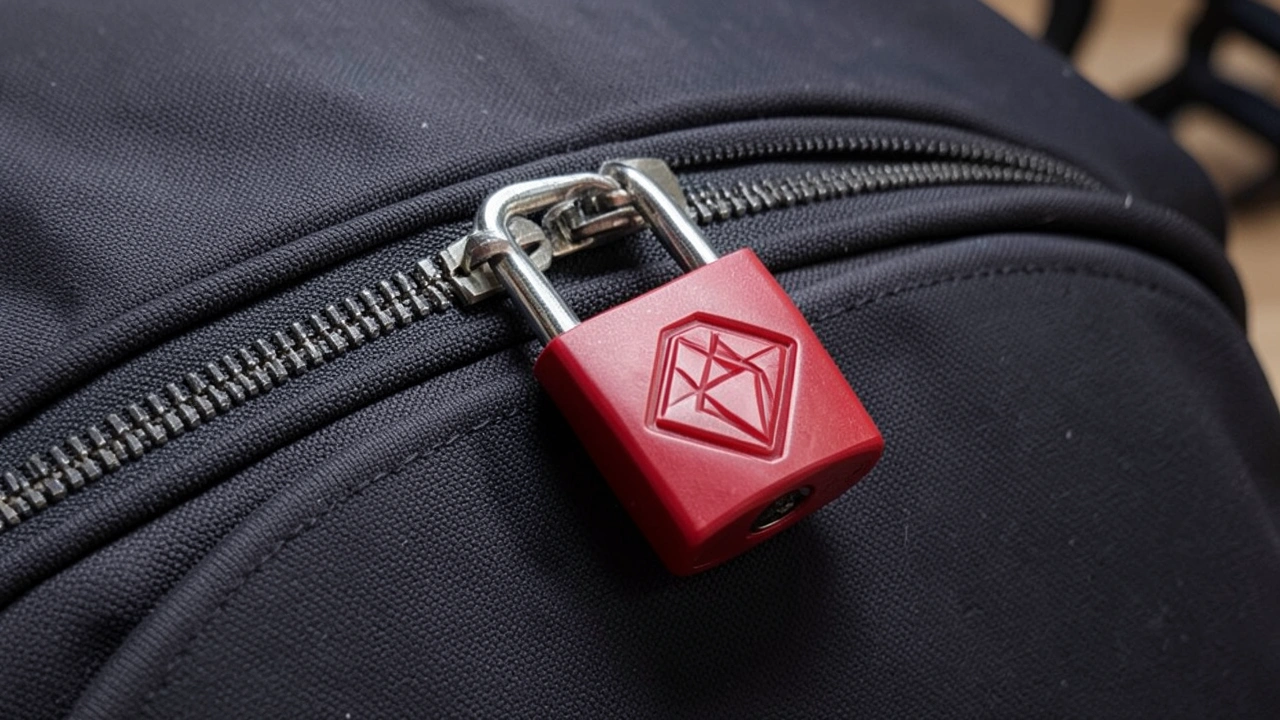
- Locks are usually marked with a red diamond or a similar mark from a lock program.
- Without a TSA lock, a locked bag can be opened by cutting the lock.
- TSA locks deter casual tampering, but they are not high-security locks.
- Officers who open your bag normally leave an inspection notice inside.
How a TSA Lock Works
TSA officers screen checked bags, and some are selected for a physical search when an alarm or an image cannot be cleared. If the bag is locked with an ordinary lock, officers may break it. To avoid damage, lock makers work with programs that distribute master keys to the TSA, and sell locks that fit them. The lock has a combination or key that you use, plus a hidden keyway for the master key. Many locks also show a color indicator, which tells you if the lock has been opened with a master key.
Types of Luggage Locks
| Lock type | Opens with | TSA can open without cutting? |
|---|---|---|
| TSA combination lock | Your 3-digit code | Yes |
| TSA key lock | Your key | Yes |
| Standard padlock | Combination or key | No, may be cut |
| Built-in suitcase TSA lock | Your code | Yes |
| Cable or strap lock (not TSA) | Combination | No |
| Zip ties | Cut to open | No, replaced on request |
A TSA lock is not required. You are free to travel with an unlocked bag, but you then rely on your own bag not being opened.
How Secure Is a TSA Lock?
These locks are meant to keep a bag closed and to prevent accidental opening in transit. They are not designed to stop a determined thief, since many can be opened with simple tools, and the master key designs have been publicly shared in the past. Consider them a deterrent. Keep valuables, medication and documents in your carry-on, as explained in our TSA bag rules.
Tips for Using TSA Locks
- Buy a lock with the TSA-accepted marking from a known brand.
- Set the combination before you reach the airport; see how to set a TSA luggage lock.
- Write down your combination somewhere safe, in case you forget it; see how to unlock a luggage lock.
- Lock the zipper pulls together, and do not leave them loose.
- Check for an inspection notice inside your bag when you land, and look for missing items.
Frequently Asked Questions
What is a TSA lock?
A luggage lock that TSA officers can open with a master key without damaging it.
Do you need a TSA lock?
No, but it prevents your lock from being cut if the bag is searched.
How do you know if a lock is TSA approved?
Look for the red diamond or a TSA-accepted marking on the lock.
Can TSA open a normal lock?
They may cut it, and they are not responsible for damage.
Are TSA locks secure?
They deter casual tampering but are not high-security.
Conclusion
So, what is a tsa lock on luggage? It is a lock that officers can open with a master key. Buy a marked one, set your own code before you travel and keep valuables in your carry-on.
Keep Reading
- TSA Rules for Backpacks: Quick Guide & Helpful Tips: Carry-on basics
- What You Can’t Bring on a Plane: Prohibited Items List: Prohibited items
- Speeding Through Airport Security: Tips for Faster Screening: Security tips
- How to Pack Toiletries in a Backpack: Easy Steps & Pro Tips: Packing
Sources
- TSA: Accepted identification at airport checkpoints
