

Last Updated on July 25, 2026 by Caleb Warren
A memory foam travel pillow provides customized neck support and pressure relief during flights, car rides, and train commutes. By molding to your unique anatomy, viscoelastic foam maintains proper spinal alignment, preventing stiff muscles and travel fatigue. Unlike inflatable alternatives, high-density memory foam distributes weight evenly and holds its shape over hours of continuous use.
Quick Answer
A memory foam travel pillow uses temperature-sensitive viscoelastic foam to conform precisely to your head and neck, alleviating pressure points and preserving spinal alignment while seated upright. It provides far superior ergonomic support compared to inflatable or microbead pillows, making it ideal for long-haul travel.
Key Takeaways
- Customized Support: Viscoelastic memory foam contours to individual cervical curves, preventing head bobbing and neck strain.
- Multiple Designs: Choose between traditional U-shapes, ergonomic neck cradles, or flexible twistable roll designs.
- Care Rules: Wash only the outer fabric cover; submerging the foam core in water ruins its cellular structure.
- Temperature Control: Opt for ventilated open-cell foam or gel-infused options if you tend to sleep hot while traveling.
Disclosure: As an Amazon Associate I earn from qualifying purchases. Some links on this page are affiliate links, at no extra cost to you.
What Is a Memory Foam Travel Pillow and How Does It Work?
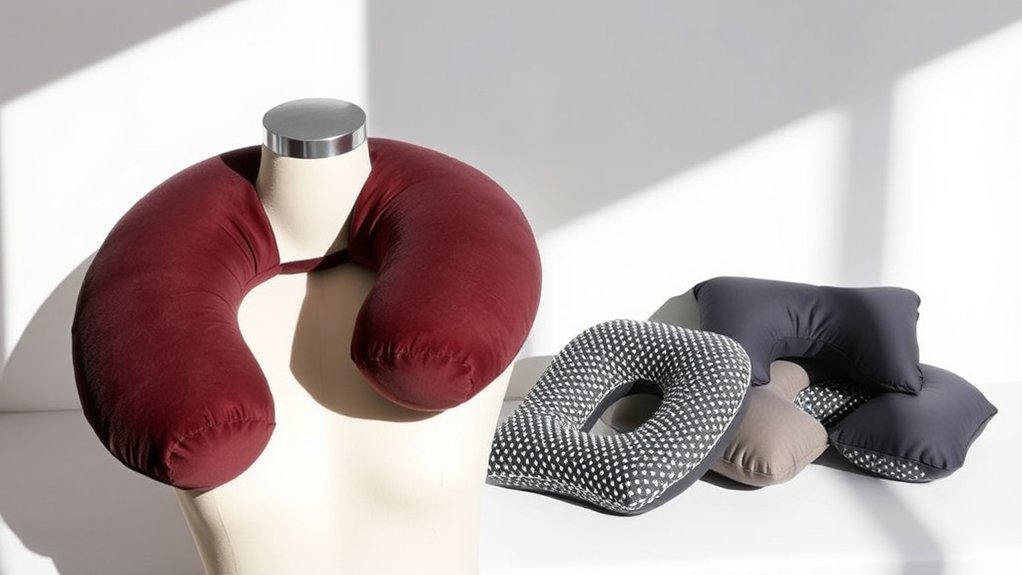
A memory foam travel pillow relies on polyurethane treated with special chemicals to create viscoelastic properties. When exposed to your body heat and weight, the foam softens and shapes itself around your cervical spine. This custom molding reduces localized pressure points, encouraging muscular relaxation even in cramped airplane economy seats.
Unlike traditional fiberfill or inflatable cushions, viscoelastic foam does not bounce back instantly under pressure. Instead, according to Sleep Foundation research, high-density foam slowly redistributes force across a wider surface area. Models like the bendable twist roll allow travelers to shift support to the lumbar region, chin, or side, preventing lateral head drop during deep sleep cycles.
Key Benefits of Using a Memory Foam Travel Pillow
Investing in a high-quality memory foam cushion drastically improves upright sleep quality. Key physical and practical advantages include:
- Optimal Cervical Alignment: Keeps your neck in a neutral position to reduce tension in the trapezius and sternocleidomastoid muscles.
- Vibration Absorption: Viscoelastic foam dampens minor vehicle tremors on bumpy car rides or train trips.
- Consistent Elevation: Unlike inflatable options that lose air pressure over time, memory foam maintains consistent structural height throughout long flights.
- Hypoallergenic Properties: High-density foam is naturally resistant to dust mites and common environmental allergens.
At a Glance: Travel Pillow Types
| Pillow Type | Best Sleeping Position | Key Advantage |
| Traditional U-Shape | Back Sleepers / Reclined | Classic neck rim support |
| Contoured Ergonomic | Side Sleepers & Chin Droopers | Raised sides stop forward tilt |
| Twist / Flexible Roll | All Positions & Lumbar Support | Highly customizable shape |
Types of Memory Foam Travel Pillows
Travel pillows have evolved past basic horseshoe shapes into targeted ergonomic designs catering to specific sleeping styles.
Traditional U-Shaped Memory Foam Pillows
The standard U-shape wraps around the back and sides of the neck. It works best when sitting slightly reclined. High-density foam models prevent your head from falling sharply to either side, reducing wake-ups from muscle strain.
Contoured Ergonomic Designs
Contoured pillows feature lobes, elevated side panels, and flattened rear sections. The thinner rear wall prevents your head from being pushed forward against your seat’s headrest, while elevated side lobes support your jawline. Clinical ergonomic research published in PubMed confirms that stabilizing cervical lordosis significantly minimizes post-flight neck pain.
Adjustable and Twistable Options
Twistable pillows feature an articulated internal spine wrapped in memory foam. You can bend them into a U-shape, an S-curve, or a long cylinder to cradle your chin, support your side while leaning against an airplane window, or tuck behind your lower back for lumbar relief.
How to Choose the Right Memory Foam Travel Pillow for Your Needs
Selecting the ideal pillow depends on your personal sleeping habits, travel conditions, and physical sensitivities.
1. Foam Density and Firmness
Higher-density foam offers stronger support and longevity, though it weighs slightly more. Lower-density foam feels softer but may compress completely under heavier pressure, diminishing its support capabilities.
2. Heat Dissipation and Cooling Features
Because traditional memory foam traps body heat, look for models featuring micro-perforated airflow channels, cooling gel layers, or breathable cover fabrics like bamboo viscose or cool-mesh synthetics.
3. Cover Hygiene and Washability
Public transportation seats harbor bacteria and sweat. Ensure your pillow features a removable, machine-washable outer cover with a durable zipper.
Pro Tip: Check if the foam core carries a certification like CertiPUR-US®. This guarantees the foam is made without ozone depleters, heavy metals, or harmful VOC emissions, ensuring safe breathing during sleep.
Tips for Proper Placement and Adjustment of Your Travel Pillow
Many travelers misuse travel pillows, leading to poor comfort. Apply these positioning techniques:
- Reverse the U-Shape for Chin Support: If your head drops forward when sleeping upright, rotate a traditional U-shaped pillow 180 degrees so the thickest part sits directly beneath your chin.
- Adjust Integrated Straps: Secure any front toggles or straps tightly. This prevents the pillow arms from spreading apart under your head’s weight.
- Align with Your Seat Headrest: Adjust your seat’s built-in headrest wings inward to create additional side stability alongside your pillow.
Packing and TSA Travel Guidelines
According to official TSA screening guidelines, memory foam travel pillows are fully permitted through airport security checkpoints in both carry-on bags and checked luggage.
Warning: Do not leave memory foam compressed inside a tight travel pouch for weeks at a time. Extended compression breaks down the foam’s internal cell matrix, permanently ruining its ability to bounce back.
Caring for Your Memory Foam Travel Pillow
Proper maintenance protects your investment and ensures sanitary travel:
- Cleaning the Cover: Unzip and machine wash the outer cover in cold water on a gentle cycle. Tumble dry on low heat.
- Spot Cleaning the Foam: Wipe surface spots on the foam using a damp cloth and mild soap. Never submerge raw memory foam in water or put it in a washing machine, as water destroys viscoelastic cells.
- Deodorizing: If your pillow develops a slight factory smell (“off-gassing”), air it out in a well-ventilated room for 24 to 48 hours away from direct sunlight.
Memory Foam vs. Other Travel Pillows
| Pillow Material | Support Quality | Portability | Durability |
|---|---|---|---|
| Memory Foam | Excellent (Custom molding) | Moderate (Compressible) | High (3–5 years) |
| Inflatable | Poor to Fair (Stiff/Unyielding) | Excellent (Packs flat) | Low (Prone to punctures) |
| Microbead | Fair (Shifts under load) | Poor (Bulky, non-compressible) | Moderate (Beads flatten over time) |
Frequently Asked Questions
Can Memory Foam Travel Pillows Be Used for Home Use?
Yes. Memory foam travel pillows work well at home for neck support while reading in bed, sitting on the couch, or providing extra cervical support during daytime naps.
How Long Do Memory Foam Travel Pillows Last?
A high-density memory foam travel pillow typically lasts 3 to 5 years with regular care. Proper storage and avoiding moisture exposure maximize its lifespan.
Are Memory Foam Travel Pillows Machine Washable?
The outer cover is machine washable, but the memory foam core itself must never be machine washed or submerged in water. Moisture degrades viscoelastic cells.
Do Memory Foam Travel Pillows Have a Smell?
New memory foam products often emit a faint chemical odor known as off-gassing. Unpacking the pillow and placing it in a well-ventilated room dissipates the smell within 24 to 48 hours.
Can I Customize the Firmness of My Memory Foam Travel Pillow?
While you cannot alter the foam’s internal density, choosing a pillow with adjustable neck straps or bendable internal cores lets you adjust how snugly it fits, altering perceived support.
Conclusion
A memory foam travel pillow is an essential accessory for comfortable, fatigue-free journeys. By matching the right pillow shape and cooling features to your sleeping style, you can turn cramped transit seats into restful sleeping spaces. Follow proper care and packing instructions to ensure your pillow delivers reliable cervical support for years of travel.
Sources
- Sleep Foundation — Ergonomic evaluation of memory foam travel cushions and alignment standards.
- CertiPUR-US® — Health and safety guidelines for low-VOC polyurethane foam emission testing.
- National Center for Biotechnology Information (NCBI) — Research on cervical pillow designs and neck pain reduction.
- Transportation Security Administration (TSA) — Security screening rules for carry-on bedding materials.
