

Last Updated on July 24, 2026 by Tyler Morgan
Checking in for a flight is easier when you separate the process into four parts: confirming your reservation, proving your identity, meeting any destination entry rules, and arriving before the airline’s deadlines. The exact documents and timing depend on whether your flight is domestic or international, which airline operates it, and whether you are checking baggage.
Quick Answer
To check in for a flight, have your booking reference, an accepted government ID, and any required passport, visa, electronic travel authorization, or health document. Use the operating airline’s website or app, save your boarding pass, and follow its separate check-in, baggage-drop, security, and boarding deadlines.
Key Takeaways
- Enter your name as it appears on the passport or ID you plan to use.
- International passengers may need a passport, visa, transit authorization, health certificate, or proof of onward travel.
- Online check-in commonly opens 24 to 48 hours before departure, but your airline sets the actual window.
- Checking in online does not replace bag drop, document inspection, security screening, or the gate deadline.
- Check the operating airline’s rules rather than relying on one general airport deadline.
At a Glance
| Time Required | About 5 to 10 minutes for online check-in, plus the airport arrival time recommended by your airline and airport |
| Difficulty | Easy when your reservation and travel documents are ready |
| Tools Needed | Booking reference, accepted ID or passport, required entry documents, and a phone or printed boarding pass |
| Cost | Check-in is normally included with the ticket, but seat, baggage, airport check-in, or special-item fees may apply |
Disclosure: As an Amazon Associate I earn from qualifying purchases. Some links on this page are affiliate links, at no extra cost to you.
What Do I Need to Check In?
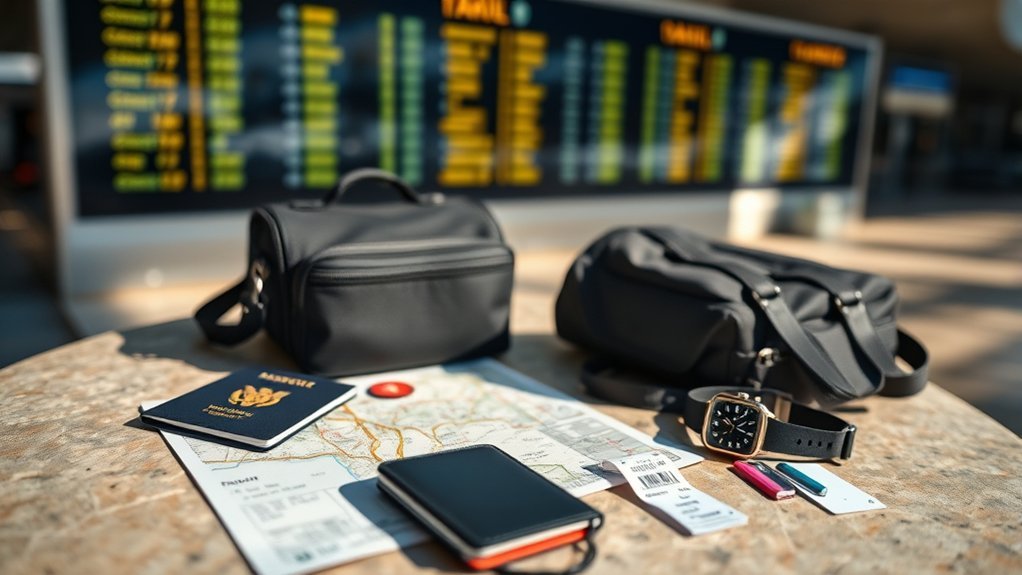
For most flights, you need your reservation details and an accepted form of identification. International trips may require several additional documents. Keep the originals easy to reach rather than inside checked baggage.
- Booking reference: Also called a confirmation code, record locator, or passenger name record.
- Government-issued identification: Required for many adult passengers, depending on the country and route.
- Passport: Normally required for international travel, including for children and infants.
- Visa or electronic authorization: Required when the destination or transit country demands one.
- Boarding pass: Available through the app, website, kiosk, or check-in counter after check-in is completed.
- Additional entry evidence: This may include proof of onward travel, accommodation details, health documents, or travel insurance.
Warning: The airline shown at the top of your booking may not operate the flight. For a codeshare itinerary, check the rules of the operating airline listed beside wording such as “operated by.” Its check-in location and deadlines may control.
Check-In Details and Passenger Information
Review the passenger information as soon as you receive the booking confirmation. The name should follow the identification document you plan to present. Also check the date, airports, flight number, destination, and operating airline.
Minor formatting differences may be accepted in some systems, but do not assume that a missing surname, reversed name, nickname, or major spelling error will be ignored. Contact the airline or booking agent immediately when the reservation contains a material mistake. Do not wait until you reach the airport.
You may need the following information during online or counter check-in:
- Booking reference or ticket number
- Passenger surname
- Passport number, issue date, expiration date, and issuing country
- Date of birth, nationality, and sex marker when required
- Destination address or contact information for some international routes
- Known Traveler Number or redress number, when applicable
- Number of checked bags
Note: Check-in confirms that you intend to travel. It does not guarantee that you have met the baggage-drop, security, immigration, or boarding deadline.
Domestic and International Check-In Checklist
| Item | Domestic Flight | International Flight |
|---|---|---|
| Booking reference | Usually required | Usually required |
| ID or passport | Government ID may be required for adults | Passport is normally required |
| Visa or authorization | Usually not required | May be required for the destination or transit country |
| Health or vaccination proof | Only when a specific rule applies | Depends on destination and recent travel history |
| Onward ticket or accommodation | Rarely requested | May be requested by the airline or immigration authority |
Travel Documents You Need at the Airport
The airline checks whether you appear to meet the document requirements for your itinerary. Border authorities make the final decision about admission to a country. Requirements can depend on your nationality, residence, destination, transit points, trip purpose, and passport type.
Passport and ID
For international travel, carry the passport that was used for the booking, visa, or travel authorization. Check its expiration date, physical condition, blank-page requirements, and whether the destination accepts emergency or temporary passports.
A six-month validity rule is not universal. The U.S. Department of State explains that some destinations require six months of passport validity beyond the trip. Other destinations apply different periods or exemptions. Verify every destination and transit point instead of relying on one general rule.
For U.S. airport security, travelers aged 18 and older should review the current TSA list of acceptable identification. Since May 7, 2025, a non-REAL-ID-compliant state license by itself is generally not accepted at TSA checkpoints. A passport and several other federal or approved credentials can serve as alternatives.
TSA generally does not require identification from children under 18 traveling within the United States, although the airline may require proof of age, identity, or permission to travel. International travelers of every age normally need their own passport.
Pro Tip: Keep a secure digital copy of your passport and visa and leave another copy with someone you trust. Copies can help with replacement or reporting, but they do not replace the original document for travel.
Visa and Entry Rules
Check whether you need a visa, electronic travel authorization, transit visa, visitor card, or other approval before departure. A transit document may be required even when you do not plan to leave the connecting airport.
The IATA Travel Centre provides itinerary-based passport, visa, and health information collected from official sources. You should also confirm the rule with the destination government, embassy, consulate, or immigration authority.
Depending on the trip, you may be asked for:
- An approved visa or electronic authorization
- Proof of onward or return travel
- Accommodation details or a host address
- Evidence of sufficient funds
- Travel or medical insurance
- A vaccination certificate or other health record
- A consent letter or custody documents for a child
Recheck international requirements shortly before departure. A previously issued visa does not correct an expired passport, an incorrect name, or a missing transit authorization.
Booking and Boarding Pass
Your booking confirmation proves that a reservation was created, while the boarding pass shows that check-in has been completed for a particular flight. Keep the booking reference available even after receiving the boarding pass because staff may need it to reopen the reservation.
A boarding pass may be:
- Displayed in the airline’s mobile app
- Saved in a mobile wallet
- Downloaded as a file
- Printed at home
- Printed at an airport kiosk or counter
Some passengers can check in online but cannot receive a boarding pass until an employee inspects their passport, visa, payment card, pet documents, or other records. Follow any message directing you to the counter.
How to Check In Online

Online check-in commonly opens between 24 and 48 hours before departure, but the exact window varies. For example, some airlines open it 24 hours before the flight, while others open it 48 hours before departure. Use the time shown in your operating airline’s app, website, or confirmation email.
Online Check-In Steps
- Open the operating airline’s website or app. Avoid unofficial check-in websites.
- Find your trip. Enter the booking reference, ticket number, frequent-flyer account, or other requested details.
- Review every passenger. Check names, date of birth, passport data, and contact information.
- Confirm required declarations. Answer security, dangerous-goods, and entry-document questions honestly.
- Select available options. You may be able to choose a seat, add baggage, request a meal, or enter a loyalty number.
- Complete check-in. Confirm that every traveler and flight segment shows as checked in.
- Save the boarding pass. Store it in the app or mobile wallet and create an offline backup.
- Check the remaining deadlines. Note the baggage-drop, security, and gate times.
Boarding Pass Options
A mobile boarding pass is convenient, but it should be available without a data connection. Add it to your phone’s wallet or save it in the airline app when offline access is supported. Turn up the screen brightness before scanning it.
Use a printed pass when:
- Your phone battery is unreliable.
- The departure airport does not accept mobile boarding passes.
- You must show documents at several checkpoints.
- You are traveling with a group and one phone holds every pass.
- The airline instructs you to print a document.
Pro Tip: Saving a screenshot can provide a useful backup, but use the current pass in the airline app when possible because a gate, seat, or barcode may change after the screenshot was taken.
When Online Check-In Does Not Work
Being unable to check in online does not always mean the reservation has been canceled. The airline may need to inspect a document or complete a manual check.
Common reasons include:
- The online check-in window has not opened or has already closed.
- The first flight is operated by another airline.
- A passport, visa, or travel authorization requires inspection.
- The reservation contains a name, date-of-birth, or document mismatch.
- The passenger is an unaccompanied minor.
- A pet, wheelchair, medical device, firearm, or special item is included.
- The passenger has been selected for additional screening.
- The airline changed the flight, aircraft, or seat assignment.
- The booking has an unpaid balance or ticketing problem.
Try the operating airline’s app and website, confirm that the booking is ticketed, and check for schedule changes. If the problem continues, contact the airline or arrive early enough to use a staffed counter.
When to Arrive for Check-In and Security
Many airports and airlines recommend arriving about two hours before a domestic flight and about three hours before an international flight. Treat those figures as planning guidelines, not guaranteed check-in rules.
Your actual arrival time should account for:
- The airline’s check-in and baggage-drop deadlines
- Airport size and expected security lines
- International document or exit-control checks
- Parking, rental-car return, and terminal transfers
- Travel with children, pets, groups, or special equipment
- Busy holidays, severe weather, construction, or local events
- Whether you need assistance at the airport
The check-in deadline, bag-drop deadline, and boarding deadline are separate. Meeting one does not automatically satisfy the others.
Check the airline app before leaving home and again after reaching the airport. Gate assignments and departure times can change.
Baggage, Seats, and Special Check-In Cases
Review baggage limits before packing. Carry-on dimensions, checked-bag weight, permitted items, and fees depend on the airline, route, cabin, fare, and loyalty status.
If you have checked baggage, online check-in does not allow you to skip bag drop. Your bag must be accepted before the carrier’s baggage deadline, which may be earlier than the passenger check-in deadline.
Seat Selection
Available seats may be selected during booking or check-in, depending on the ticket. Completing check-in early may provide a wider choice, but it does not guarantee a free seat or prevent an operational seat change.
Pets and Special Baggage
Pets, bicycles, skis, golf clubs, musical instruments, oversized bags, mobility devices, and other special items may require advance approval. Space can be limited, and airport handling procedures vary.
Do not assume that paying a standard baggage fee covers a special item. Review the airline’s policy before travel and keep any approval or payment receipt.
Disability Assistance
Contacting the airline early can make wheelchair service, seating support, boarding assistance, and mobility-device handling easier to arrange. However, U.S. Department of Transportation rules state that airlines generally may not require advance notice simply because a passenger has a disability.
Up to 48 hours’ notice may be required for certain accommodations that need preparation, such as some equipment connections or services on particular aircraft. Review the U.S. DOT guidance for passengers with disabilities or the applicable rules for your route.
Boarding Passes, Fast Track, and Last-Minute Tips
Keep your boarding pass and identification available from the time you enter the terminal until you leave the destination airport. You may need to present them at bag drop, security, immigration, the gate, and during boarding.
Fast Track or priority security access may be included with a premium cabin, airline status, airport program, trusted-traveler membership, credit card, or separate purchase. Eligibility varies, so check the airport and airline rather than assuming that children or a particular cabin automatically qualify.
- Confirm the terminal before leaving home.
- Monitor the airline app for schedule and gate changes.
- Follow the boarding-group instructions on the pass.
- Be at the gate before the airline’s published deadline.
- Keep medication, travel documents, batteries, valuables, and essential items in your personal item.
- Remove prohibited items before entering security.
Warning: Do not rely on a general rule that the gate closes 10 or 15 minutes before departure. Some airlines stop accepting passengers earlier, particularly for international flights. The deadline shown by your airline controls.
Security, Food, and Liquids
Security rules depend on the country and airport. For flights screened by TSA in the United States, most liquids, aerosols, gels, creams, and pastes in carry-on baggage must be in containers of 3.4 ounces or 100 milliliters or less and fit within the permitted liquids bag. Exemptions apply to certain medicines and infant-care items.
Use the official TSA What Can I Bring tool to check a specific item. Even an item that is generally allowed may require additional inspection.
Solid foods, including most homemade sandwiches, are generally permitted through TSA screening. Sauces, spreads, soups, dips, and other gel-like foods may be subject to the liquids limit. International customs and agriculture rules may also restrict meat, fruit, vegetables, and other food at the destination.
Frequently Asked Questions
What is the 45-minute rule at the airport?
There is no universal 45-minute airport rule. Some airlines use a deadline around 45 minutes before certain domestic departures, but the requirement can be shorter or much longer. Check the operating airline’s check-in, baggage-drop, and gate deadlines for your airport and route.
What is the most confiscated item at airports?
There is no reliable worldwide ranking for the single most confiscated item. Oversized liquids, prohibited sharp objects, tools, and other restricted items commonly cause problems. Check the security authority’s permitted-items list before packing.
What travel documents do I need to check in?
You normally need your booking reference and an accepted ID. International passengers generally need a valid passport and may also need a visa, electronic authorization, transit document, health certificate, onward ticket, or other evidence required by the itinerary.
Can I take homemade sandwiches on a plane?
Solid sandwiches are generally allowed through TSA security. Liquid or gel ingredients, such as large containers of sauce or spread, must follow the carry-on liquids rule. Customs or agriculture restrictions may apply when entering another country or territory.
Can I check in without an ID?
You may be able to complete online check-in without showing an ID immediately, but identification may still be required at the airport. In the United States, TSA may attempt to verify the identity of an adult who lacks acceptable ID, but entry to the checkpoint is not guaranteed.
Why can’t I get my boarding pass online?
The airline may need to inspect your passport, visa, payment card, pet documents, or other records. Online check-in may also be unavailable for codeshare flights, unaccompanied minors, special services, schedule changes, or reservations with a ticketing problem.
Do children need identification to fly?
TSA generally does not require identification from children under 18 on U.S. domestic flights, but airlines may request proof of age or other documents. Every child normally needs an individual passport for international travel, along with any required visa or consent documentation.
Sources
- Transportation Security Administration: Acceptable Identification – U.S. airport ID, REAL ID, expired-ID, and minor-traveler guidance
- Transportation Security Administration: What Can I Bring? – Carry-on food, liquids, and prohibited-item guidance
- U.S. Department of State: Passport Frequently Asked Questions – Passport validity and six-month-rule clarification
- IATA Travel Centre – International passport, visa, and health-document requirements
- U.S. Department of Transportation: Fly Rights – Airline check-in and boarding-deadline guidance
- U.S. Department of Transportation: Passengers with Disabilities – Assistance rights and limited advance-notice requirements
Conclusion
For a smooth check-in, prepare your booking reference, accepted identification, and every document required by your destination or transit route. Confirm that your passenger details match, check in through the operating airline, and save an offline copy of the boarding pass.
Most importantly, follow the airline’s exact check-in, baggage-drop, and boarding deadlines. General arrival suggestions can help you plan, but the rules listed for your airline, airport, and itinerary determine whether you can travel.

