
Last Updated on August 2, 2026 by Daniel Globe
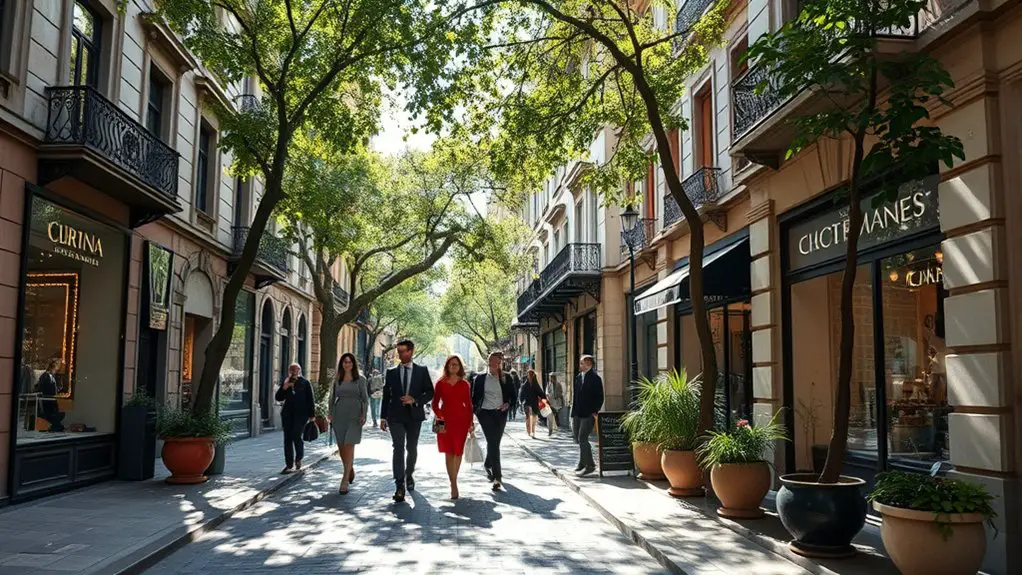
A Nişantaşı walking tour is one of the easiest ways to experience Istanbul beyond the major historic sights. In a few hours, you can move from fashion-focused streets and independent boutiques to specialty coffee, Teşvikiye Mosque, small galleries, elegant apartment façades, and the greener slopes toward Maçka. The key is to follow a logical route rather than simply wandering between disconnected recommendations.
Quick Answer
For an easy self-guided Nişantaşı walking tour, start at Osmanbey on the M2 metro, walk through Rumeli and Teşvikiye toward Abdi İpekçi and Mim Kemal Öke streets, visit Teşvikiye Mosque, stop for coffee or a gallery, then continue downhill toward Maçka. Allow about 3–5 hours with stops.
Key Takeaways
- Osmanbey M2 is the most convenient rail starting point for a Nişantaşı walk.
- Abdi İpekçi, Mim Kemal Öke, Rumeli, and Teşvikiye are the key streets to build your route around.
- Mix shopping with permanent sights such as Teşvikiye Mosque so the itinerary does not depend entirely on businesses that may change.
- Allow extra time for coffee, lunch, galleries, or an optional extension toward Maçka and Ihlamur Pavilion.
- Spring and early autumn are especially comfortable for walking, but Istanbul weather can change quickly, so check the forecast before setting out.
At a Glance
| Time Required | About 3–5 hours; longer with a full meal, shopping, or the Ihlamur Pavilion extension |
| Difficulty | Easy to moderate; expect city sidewalks, crossings, curbs, and some slopes toward Maçka |
| Tools Needed | Comfortable shoes, water, charged phone, and an offline map or navigation app |
| Cost | The walk itself is free; budget separately for transit, food, shopping, and any ticketed attractions |
Disclosure: As an Amazon Associate I earn from qualifying purchases. Some links on this page are affiliate links, at no extra cost to you.
A Self-Guided Nişantaşı Walking Tour Route
The simplest route begins at Osmanbey, which is served by Istanbul’s M2 metro line. From there, you can move gradually south through the commercial heart of Nişantaşı and finish near Maçka rather than doubling back. Metro Istanbul’s current M2 information lists Osmanbey between Taksim and Şişli-Mecidiyeköy. Check the official M2 line information before traveling.
- Start at Osmanbey: Exit toward the Rumeli/Nişantaşı side and begin along Rumeli Caddesi.
- Walk toward Teşvikiye: Browse fashion stores, cafés, bakeries, and side streets as you approach the neighborhood’s central shopping area.
- Explore Abdi İpekçi and Mim Kemal Öke: These are two of Nişantaşı’s best-known shopping streets, mixing international labels with local fashion and design.
- Visit Teşvikiye Mosque: Pause at the neighborhood’s major historic landmark before exploring the quieter streets around Teşvikiye.
- Add a coffee or gallery stop: Give yourself flexibility because business hours and exhibition schedules change more frequently than permanent landmarks.
- Continue toward Maçka: Finish with greener surroundings and, if useful, connect toward Taşkışla using the nearby TF1 cable car.
Pro Tip: Starting around Osmanbey and finishing toward Maçka creates a more natural one-way walk. It also lets you save the greener, quieter part of the route for the end of the day.
Exploring the Trendy Boutiques of Nişantaşı
As you stroll through the streets of Nişantaşı, fashion quickly becomes one of the neighborhood’s defining themes. Türkiye’s Ministry of Culture and Tourism identifies Nişantaşı as a major clothing and fashion area, while GoTürkiye highlights Abdi İpekçi Caddesi and Mim Kemal Öke Caddesi among its best-known shopping streets.
You will encounter a mix of international luxury labels, established Turkish brands, independent designers, accessories, tailoring, and smaller boutiques. The selection changes constantly, which is part of the appeal.
Abdi İpekçi is the obvious place to see Nişantaşı’s high-end side, but do not ignore the connecting streets. Smaller shops can be more interesting when you are looking for pieces that feel less like standard international retail.
Nişantaşı works best as a walking destination because luxury shopping, neighborhood cafés, historic architecture, galleries, and green space sit within the same compact urban area.
Take time to browse rather than treating the walk as a shopping checklist. Window displays, façades, apartment entrances, and street life are as much a part of the experience as buying something.
For additional official background on Istanbul shopping districts, see the Istanbul Directorate of Culture and Tourism.
Savoring Culinary Delights: Must-Try Cafes and Restaurants
Nişantaşı has no shortage of cafés and restaurants, but a good walking tour should leave room for spontaneity. Restaurants change more often than monuments, so it is better to decide what kind of stop you want — specialty coffee, a Turkish lunch, pastries, or a longer dinner — than to depend on a rigid list of businesses.
Turkish coffee remains an obvious choice, but modern espresso bars, bakeries, brunch cafés, traditional restaurants, and international kitchens are all part of the neighborhood’s dining mix. Expect prices similar to other upscale Istanbul districts: a coffee typically costs more here than in a neighborhood café elsewhere in the city, and cards are widely accepted, though it’s still worth carrying some cash for smaller stalls or bakeries.
Trendy Cafes to Visit
MOC Ministry of Coffee remains a recognizable specialty-coffee name associated with the Nişantaşı/Osmanbey area and can work as a coffee break during the route. Rather than choosing a drink based on an old article, check the current menu when you arrive.
Patisserie de Pera, however, should not be planned as a Nişantaşı stop. Its official locations are at the Pera Palace Hotel in Beyoğlu and at Kanyon Shopping Mall in Esentepe. You can still visit it elsewhere in Istanbul, but it does not belong on this walking route. See the official Patisserie de Pera location list.
For pastries and desserts within Nişantaşı itself, use the walk as an opportunity to compare whatever independent bakery or patisserie is operating near Teşvikiye when you visit. This makes the guide more useful than relying on business recommendations that may have closed or moved.
Local Cuisine Highlights
After coffee, look for a Turkish meal or snack. The following dishes are not unique to Nişantaşı, but they are familiar foods you may encounter around Istanbul:
- Kumpir — A baked potato loaded with a choice of toppings. It works well as a filling casual meal when available.
- Börek — Layers of pastry commonly filled with cheese, spinach, potato, or meat. It is useful for a quick breakfast or snack.
- Lahmacun — A thin round of dough topped with seasoned minced meat and herbs, normally served with greens and lemon.
- Baklava — A layered pastry with nuts and syrup that makes an easy dessert stop.
Nişantaşı also has plenty of restaurants serving contemporary Turkish and international food, so there is no need to force all four dishes into one visit. Pick one meal that fits the pace of your walk.
Architectural Wonders: A Walk Through History
Nişantaşı is not an open-air museum in the same way as Sultanahmet, but its architecture gives the neighborhood much of its character. Instead of trying to classify every building as Art Nouveau or Neoclassical, pay attention to individual façades, bay windows, balconies, stone details, apartment entrances, and the contrast between historic structures and contemporary retail.
The most important historic stop on this route is Teşvikiye Mosque. The present building is associated with Sultan Abdülmecid I and dates to a reconstruction completed in 1854, on the site of an earlier mosque first commissioned in 1794 by Sultan Selim III. Read the official Teşvikiye Mosque background.
| Architectural Feature | What to Look For |
|---|---|
| Teşvikiye Mosque | A documented 19th-century landmark and useful anchor for understanding the area’s Ottoman-era development. |
| Historic Apartment Façades | Decorative stonework, balconies, curved bays, ornate windows, and European-influenced details on older residential streets. |
| Modern Retail Frontages | Contemporary boutiques inserted into older streetscapes, producing the historic-modern contrast for which Nişantaşı is known. |
Note: Teşvikiye Mosque is an active place of worship, not just a sightseeing attraction. Dress respectfully, keep voices low, avoid disrupting prayer, and follow any visitor instructions posted at the entrance.
Hidden Gems: Local Spots Off the Beaten Path
The best “hidden gems” in Nişantaşı are often not famous attractions at all. They are the quieter side streets between the larger shopping corridors, small cafés, independent retailers, antique or design shops, residential details, and tiny galleries you notice by slowing down.
Leave the main avenue occasionally and explore parallel streets around Teşvikiye and Şakayık rather than spending the entire walk on the busiest commercial roads.
Quaint Cafés to Discover
Older neighborhood guides sometimes mention cafés or restaurants such as Çaycı, Mendel’s, Café Rüya, and Pasta e Vino. Reliable current first-party information for these exact Nişantaşı recommendations is not consistent enough to build a 2026 itinerary around them.
Instead, treat café hunting as part of the walk. MOC is one recognizable option, while other specialty shops, bakeries, and independent cafés operate throughout Teşvikiye and the surrounding streets.
This approach also protects your itinerary from a common travel-guide problem: a great café recommendation can become useless the moment the business moves, changes its hours, or closes.
Unexplored Boutique Stores
While exploring the better-known fashion streets, turn into the smaller connecting roads where independent retailers and design-focused shops are easier to notice.
Depending on current tenants, you may encounter one-of-a-kind clothing, accessories, jewelry, antiques, art objects, stationery, books, or homeware. Inventory changes, which makes these shops better suited to unhurried browsing than a rigid shopping list.
When a store catches your attention, look at the materials, craftsmanship, and designer information instead of assuming that every boutique sells locally made products. “Independent,” “local,” and “handmade” do not automatically mean the same thing.
Cultural Experiences: Art Galleries and Events
Nişantaşı and Teşvikiye have a long-running gallery culture, but exhibitions are temporary. The strongest way to plan a cultural stop is to choose a gallery with a current program and check its schedule on the day of your walk.
One verifiable example is Galeri Işık Teşvikiye, operated by Feyziye Schools Foundation. Its official page publishes exhibition and event information. Check Galeri Işık’s current program.
Your cultural portion of the walk can include:
- Art exhibitions — Look for current painting, photography, sculpture, print, design, or mixed-media shows.
- Gallery openings — These can add energy to an evening walk, but schedules vary and should be checked in advance.
- Workshops and talks — Some cultural venues host temporary educational programs rather than permanent exhibitions.
- Street-level culture — Architecture, bookshops, design stores, fashion displays, and neighborhood cafés are part of the cultural experience even when no formal event is running.
Do not assume there will be a “cultural festival” on the date of your visit. Treat festivals and special events as bonuses that require a current calendar check.
Extend the Walk to Maçka and Ihlamur Pavilion
If you still have energy after Teşvikiye, continue toward Maçka. This changes the mood of the walk from dense shopping streets to greener surroundings.
Near Maçka, Metro Istanbul operates the TF1 Maçka–Taşkışla aerial cable car, which crosses above the park area and offers a useful connection toward Taşkışla. Check current operating information on the official Metro Istanbul TF1 page.
For a longer heritage-focused extension, continue toward Ihlamur Pavilion. Türkiye’s National Palaces administration describes Ihlamur Valley as lying between the hills of Beşiktaş, Yıldız, and Nişantaşı. The pavilion complex requires additional walking time and may involve an admission fee, so it is best treated as an optional extension rather than part of the core route. Check official Ihlamur Pavilion visitor information.
Practical Tips for Your Nişantaşı Walking Tour
A few practical decisions can make the difference between a relaxed neighborhood walk and a tiring afternoon. Wear shoes suitable for city pavement, bring water in warm weather, keep your phone charged, and save the route offline in case mobile service becomes unreliable.
| Item | Purpose | Recommended Type |
|---|---|---|
| Comfortable Shoes | City sidewalks and slopes | Supportive walking shoes or comfortable sneakers |
| Water Bottle | Stay hydrated | Reusable and lightweight |
| Portable Charger | Navigation and transit | Compact power bank |
| Map or App | Follow streets and transit | Offline map plus current transit data |
Getting to Nişantaşı
For most visitors, the M2 metro to Osmanbey is the simplest public-transport option. Current official information for Nişantaşı also directs metro passengers to walk from the Osmanbey/Rumeli side and lists bus access to Teşvikiye. Because bus routes can change, check live transit information rather than relying indefinitely on route numbers printed in a travel article.
There is no tram running through the center of Nişantaşı, so do not plan the neighborhood walk around tram access.
Accessibility and Hills
There is no reliable districtwide percentage that describes Nişantaşı’s wheelchair accessibility. Conditions vary from one block to another.
Metro Istanbul currently lists Osmanbey station as an accessible underground station with elevators, but the street portion of the route can still include slopes, curbs, busy crossings, narrow or obstructed sidewalks, and uneven surfaces. Travelers using wheelchairs, walkers, or strollers should allow extra time and avoid assuming that the shortest walking route is always the easiest.
Warning: Traffic can be busy around larger roads and intersections. Use marked crossings, watch turning vehicles even when you have the right of way, and do not step into the street just because other pedestrians are crossing.
Restrooms During the Walk
Shopping centers are generally the most predictable restroom option during a Nişantaşı walk. Restaurants and cafés commonly have facilities for customers, while availability in parks and smaller public spaces may vary.
Do not wait until you urgently need a restroom before looking for one. Use a shopping center or café when you already have the opportunity.
Best Time of Day
Starting in the late morning works well if shopping and cafés are priorities. An afternoon start can be better if you want the walk to flow into dinner or an evening gallery event.
Weekends can feel busier on the main shopping streets. For photography, slower browsing, and a calmer café experience, weekday mornings or early afternoons are often easier. If you plan to finish after dark, stick to the well-lit main avenues near Teşvikiye and Rumeli rather than quieter side streets.
Frequently Asked Questions
What is the best time of year to visit Nişantaşı?
Spring is an excellent time for a Nişantaşı walking tour, but early autumn is also comfortable. Official Istanbul climate data show milder average temperatures in April, May, September, and October than in midsummer. Summer can be hot, while winter is cooler and generally wetter, so check the forecast before setting out.
Are there guided walking tours available in Nişantaşı?
Private guides and Istanbul tour companies may offer or arrange neighborhood walks that include Nişantaşı, but schedules and routes change. For this reason, verify the current itinerary and guide credentials before booking rather than relying on an old listing.
Is Nişantaşı accessible for people with disabilities?
Accessibility varies by street and venue, so there is no trustworthy districtwide percentage to rely on. Osmanbey metro has documented elevator facilities, but the neighborhood includes slopes, curbs, crossings, and sidewalks of varying width. Plan a shorter route and confirm individual venues when step-free access is essential.
Where can I find public restrooms during my tour?
Shopping centers are usually the most dependable option. Cafés and restaurants also generally provide restrooms for customers. Public facilities elsewhere can vary, so use a restroom when you have a convenient opportunity rather than assuming another one will be nearby.
What is local transportation like in Nişantaşı?
The M2 metro’s Osmanbey station is the most useful rail access for this route. Buses also serve the Teşvikiye area, while the TF1 Maçka–Taşkışla cable car is useful near the Maçka end. Nişantaşı does not have a tram line running through its center.
How long does a Nişantaşı walking tour take?
Plan about 3–5 hours for a relaxed walk from Osmanbey through the main shopping and Teşvikiye streets toward Maçka. You can finish in around two hours if you mostly walk and photograph, while lunch, shopping, galleries, or Ihlamur Pavilion can turn it into a half-day outing.
Is Nişantaşı expensive to visit?
It can be expensive if luxury shopping and upscale restaurants are your focus, but sightseeing on foot costs nothing. You can control the budget by browsing instead of buying, choosing a simple café or bakery for lunch, and treating ticketed attractions as optional additions.
Conclusion
A successful Nişantaşı walking tour is less about rushing between famous businesses and more about following the neighborhood’s natural rhythm. Start at Osmanbey, explore Rumeli and the major shopping streets, pause at Teşvikiye Mosque, make time for coffee or a gallery, then continue toward Maçka.
Along the way, you get the mix that makes this part of Istanbul distinctive: fashion, cafés, historic architecture, contemporary culture, residential streets, and green space. Keep the schedule flexible, because the permanent landmarks will still be there even when cafés, shops, exhibitions, and opening hours change.
Sources
- Istanbul Directorate of Culture and Tourism — official context for Nişantaşı as a fashion and shopping district.
- Metro Istanbul — M2 Line — Osmanbey station and official rail information.
- Turkish Ministry of Education — Teşvikiye Mosque — historical background for the neighborhood landmark.
- National Palaces — Ihlamur Pavilion — official history and visitor information for the optional extension.
- Turkish State Meteorological Service — official Istanbul climate statistics used for seasonal walking advice.
- Patisserie de Pera — official current location information used to correct the outdated Nişantaşı recommendation.
