Last Updated on September 10, 2026 by Daniel Globe
As of July 24, 2026, Spirit Airlines is no longer operating flights. The airline began an immediate wind-down on May 2, 2026, and canceled all service. This guide preserves Spirit’s former personal-item rules while explaining what affected passengers should do now.
Quick Answer
Spirit Airlines no longer operates flights. It began an immediate wind-down on May 2, 2026, and canceled all service. Before shutdown, Spirit allowed one free personal item measuring no more than 18 x 14 x 8 inches, including handles and wheels. Treat that size as a former policy, not a rule for current travel.
Key Takeaways
- Spirit Airlines canceled all flights and began winding down its operations on May 2, 2026.
- Spirit’s former free personal-item limit was 18 x 14 x 8 inches, or 45 x 35 x 20 centimeters.
- The former measurement included handles and wheels, and the packed bag had to fit completely inside the airport sizer.
- There is no active Spirit baggage-fee schedule because the airline no longer operates flights.
- Affected travelers should use Spirit’s restructuring page for refund, paid-bag-fee, lost-baggage, and bankruptcy-claim information.
Current-status warning: Do not go to the airport for a Spirit flight. Spirit’s official restructuring website says all flights were canceled effective May 2, 2026, and the airline is unable to provide flight service.
Disclosure: As an Amazon Associate I earn from qualifying purchases. Some links on this page are affiliate links, at no extra cost to you.
Is Spirit Airlines Still Operating in 2026?
No. Spirit Airlines announced that it started an immediate, orderly wind-down of operations on May 2, 2026. All Spirit flights were canceled, and the airline’s former customer-service channels are no longer operating normally.
This means Spirit’s personal-item dimensions, carry-on options, airport sizers, and gate fees are no longer active travel policies. The measurements below remain useful as a historical reference, especially if you are reviewing an old booking, receipt, luggage listing, or previously published travel guide.
Note: Always check the baggage rules of the airline that will actually operate your flight. Do not assume another budget airline uses Spirit’s former 18 x 14 x 8-inch limit.
What Was a Personal Item on Spirit Airlines?
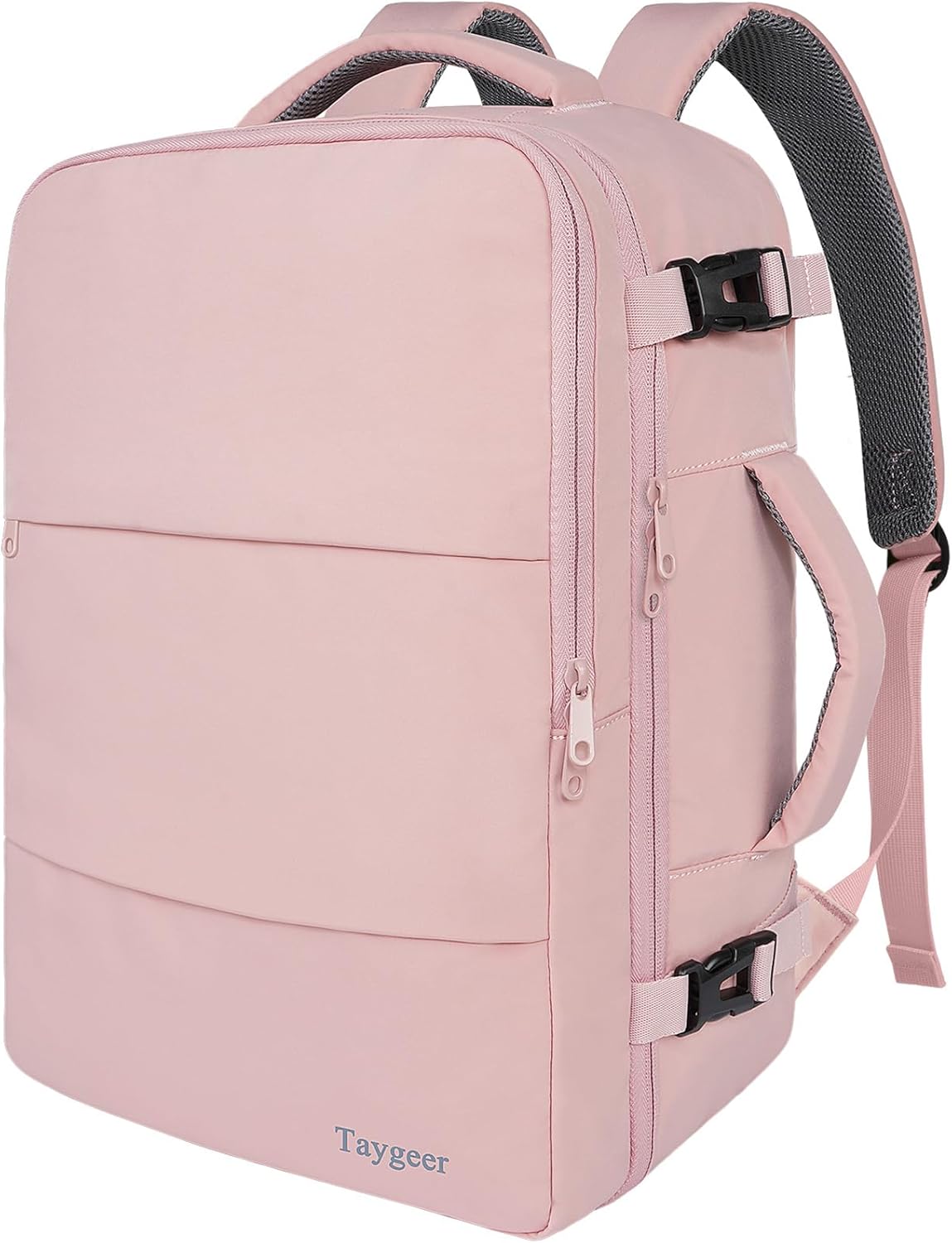
Under Spirit’s former policy, a personal item was a small bag that fit completely under the seat in front of you and inside the airline’s smaller airport sizer. Common examples included a purse, laptop bag, small backpack, or compact duffel.
Before the shutdown, each guest could bring one qualifying personal item without an additional bag charge. The bag’s style did not decide whether it qualified. Its packed dimensions and ability to fit in the sizer were what mattered.
Spirit’s last published baggage information also listed several items that guests could bring without counting them as the standard personal item. These included:
- An umbrella or camera
- Outer garments such as a coat, hat, or wrap
- Reading material and food for the flight
- A qualifying infant diaper bag
- Assistive devices and separately packed medication
Guests traveling with a child under two were formerly allowed to bring a diaper bag without having it count against the usual personal-item and carry-on allowance. The diaper bag still needed to be stored safely on the aircraft.
Former Spirit Airlines Personal Item Dimensions and Weight Rules

Spirit’s last published baggage information before the shutdown set the maximum personal-item dimensions at 18 x 14 x 8 inches, or 45 x 35 x 20 centimeters. Handles and wheels counted toward those measurements.
The last published policy did not list a separate maximum weight for a personal item. Size was the main published limit, but travelers still needed to handle the bag safely and place it fully under the seat. This did not mean a bag could be packed to an unsafe or unmanageable weight.
Warning: Under the former policy, the measurements applied to the fully packed bag. A soft bag that measured correctly while empty could become too deep or wide after overpacking.
Former Personal Item vs. Carry-On Rules
| Former Bag Type | Maximum Size | Former Pricing |
|---|---|---|
| Personal item | 18 x 14 x 8 inches | One was included for each guest. |
| Carry-on bag | 22 x 18 x 10 inches | Included with former Spirit First and Premium Economy options; sold separately with the former Value option. |
A personal item was meant to fit under the seat. A carry-on was larger and normally went in the overhead bin. Travelers whose personal item exceeded the smaller limit could have it reclassified as a carry-on.
Other airlines may use different dimensions and may also impose weight limits. For an example of how another carrier handles weight, see our guide to the Japan Airlines carry-on weight policy.
Tips for Packing Within a Personal Item Limit
These packing methods can still help when flying another airline, but check that airline’s current size and weight limits before you pack.
| Tip | What to Do |
|---|---|
| Choose a flexible bag | Use a soft-sided backpack, tote, or duffel that stays within your current airline’s published limits. |
| Check every pocket | Include filled exterior pockets when checking the bag’s width and depth. |
| Use packing cubes | Group small items and compress clothing without forcing the bag to bulge. |
| Wear bulky layers | Wear your heavier shoes and outer layer instead of using most of the bag for them. |
| Recheck after packing | Measure the packed bag again because soft sides, straps, and pockets can expand. |
A soft-sided bag often uses limited space more efficiently than a rigid mini-suitcase. However, flexibility does not allow you to exceed an airline’s measurements. The packed bag still needs to fit inside the carrier’s sizer without damaging the bag or forcing it through.
Compression cubes can reduce loose bulk and keep clothing organized. Avoid tightening them so much that they create a hard, rounded section that pushes the bag beyond its depth limit.
Consider the size of accessories as well as clothing. A compact or compressible pillow takes less room than a full-size pillow. Our guide to travel pillows for neck pain covers options designed for use away from home.
Pro Tip: Leave a small amount of unused space. A bag packed to its absolute limit is more likely to bulge after you add a water bottle, snack, jacket, or airport purchase.
What Can You Pack in a Personal Item?
For a current flight on another airline, use your personal item for things you may need during the trip or cannot safely place in checked baggage. Common choices include:
- Passport, identification, wallet, keys, and travel documents
- Prescription medication and essential medical supplies
- Phone, laptop, tablet, camera, and charging cables
- Power banks and spare lithium batteries
- A change of clothes and basic toiletries
- Snacks, an empty water bottle, and reading material
The TSA 3-1-1 rule generally limits carry-on liquids, gels, and aerosols to containers of 3.4 ounces or 100 milliliters inside one quart-size bag. Medically necessary liquids may be allowed in larger reasonable quantities when declared for screening.
Battery safety: The FAA requires power banks and spare lithium batteries to remain in carry-on baggage. If a carry-on bag is checked at the gate, remove those batteries and keep them with you in the cabin.
What Happened If a Personal Item Was Too Big?
Under Spirit’s former policy, a bag larger than 18 x 14 x 8 inches could be treated as a carry-on instead of a free personal item. The traveler then had to pay the applicable carry-on charge associated with the reservation.
There was no single universal penalty that applied to every passenger. Spirit’s former bag prices depended on the route, fare option, and time of purchase. For that reason, an exact claim such as “every oversized item costs more than $100” was not reliable.
A carry-on could also be checked if it could not be stored safely in the cabin. Travelers needed to remove power banks, spare lithium batteries, and other carry-on-only items before handing over a bag for gate checking.
For current travel on another airline, save your bag receipt, booking confirmation, and boarding pass. These documents can help if you need to question a baggage charge or request a refund.
Alternatives If Your Personal Item Is Too Big
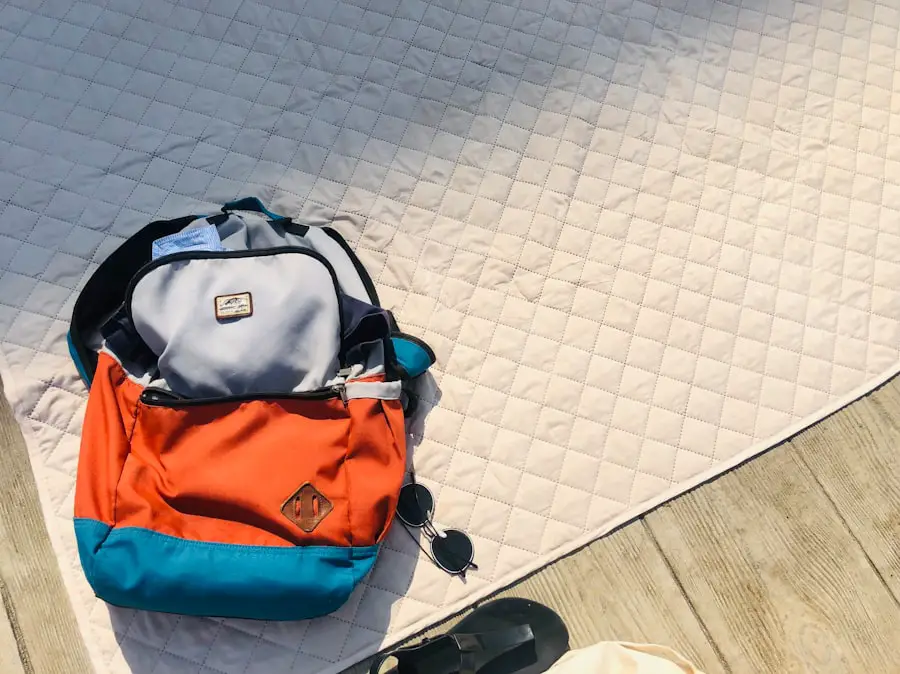
Do not buy a new bag solely because it matches Spirit’s former 18 x 14 x 8-inch rule. Compare the published limits of the airline you are actually flying and choose a bag that fits that carrier’s requirements.
If your packed bag is too large, remove items you can purchase after arrival, such as full-size toiletries. Share duplicate items with a travel companion, and move only permitted items into another paid bag when your airline allows it.
When you know that you need more space, add the correct baggage option through your current airline before reaching the airport. Review the final price during booking because baggage charges and included allowances differ by airline, route, fare, and loyalty status.
How Spirit’s Gate Sizers Worked
Spirit formerly used metal sizing boxes at airports to check personal items and carry-ons. A personal item needed to fit entirely inside the smaller sizer, including its handles, wheels, straps, pockets, and any items attached to the outside.
A bag that could not fit because it was overpacked or larger than the published limit could be reclassified. Travelers were better protected by measuring the fully packed bag at home instead of relying only on the dimensions printed on a product listing.
How to Measure and Pack a Personal Item
At a Glance
| Time Required | About 5 to 10 minutes |
| Difficulty | Easy |
| Tools Needed | Flexible tape measure and your airline’s current baggage limits |
| Cost | No cost to measure; baggage charges depend on your current airline and fare |
- Find the current limit. Check the operating airline’s official baggage page instead of relying on an old article, marketplace listing, or luggage label.
- Pack the bag first. Empty-bag measurements do not show how much pockets and soft panels will expand.
- Measure the longest side. Include any handle, wheel, or pocket that extends beyond the main body.
- Measure the width and depth. Check the widest points and do not press down on a bulging section to obtain a smaller number.
- Check attached items. A jacket, pillow, bottle, or shoe tied to the outside may count as part of the bag.
- Test the shape. Make sure the bag can slide into a sizer and fit beneath a seat without blocking the aisle.
- Recheck before leaving. Measure again after adding last-minute items.
Place heavier items near the bottom and close to your back when using a backpack. Fill small gaps with socks or other flexible items. Keep identification, medication, electronics, and travel documents near an easy-to-reach zipper.
What to Do If You Had a Spirit Booking or Paid Bag Fee
Spirit’s official guest information page provides the current instructions for canceled bookings, refunds, luggage, points, and claims.
- Do not travel to the airport for the Spirit flight. All Spirit flights were canceled effective May 2, 2026.
- Check the original payment method. Spirit says tickets purchased directly with a credit or debit card are being refunded automatically to the original form of payment.
- Contact the travel agent when applicable. If you booked through a travel agent or online travel agency, contact that company about the refund.
- Check paid baggage and other add-ons. Spirit says luggage, Wi-Fi, and other add-on fees paid by credit or debit card for flights canceled on or after May 2, 2026 will be refunded.
- Review voucher, credit, and points guidance. Spirit says compensation involving vouchers, flight credits, or Free Spirit points will be determined through the bankruptcy process. Free Spirit points are no longer redeemable for flights.
- Use the claims portal when money remains unresolved. Spirit directs affected customers to its claims agent and bankruptcy information portal at Epiq.
- Review federal refund information. The U.S. Department of Transportation refund page explains passenger rights for canceled flights and unused ancillary services.
Note: Limited-time replacement-flight offers announced immediately after the shutdown may have expired. Check the new airline’s current website before relying on an old discount or rebooking announcement.
Frequently Asked Questions
Is Spirit Airlines still flying?
No. Spirit Airlines began an immediate wind-down on May 2, 2026, and canceled all flights. Travelers should not go to the airport for a Spirit flight.
What was the Spirit Airlines personal item size limit?
Spirit’s last published personal-item limit was 18 x 14 x 8 inches, or 45 x 35 x 20 centimeters. Handles and wheels counted toward the measurements. This is now a former policy because Spirit no longer operates flights.
What counted as a personal item under Spirit’s former policy?
A purse, laptop bag, small backpack, or compact duffel could qualify when it fit completely inside the smaller airport sizer and under the seat.
Was a personal item free on Spirit Airlines?
Yes, before the shutdown, Spirit included one qualifying personal item for each guest. Larger carry-on bags depended on the guest’s former fare option or a separate bag purchase.
Did children receive a personal-item allowance?
A child traveling in a purchased seat was a ticketed guest and followed the standard former personal-item rule. Spirit also allowed guests traveling with a child under two to bring a diaper bag without counting it against the normal baggage allowance.
Did Spirit have a personal-item weight limit?
Spirit’s last published baggage page listed a personal-item size limit but did not list a separate personal-item weight maximum. The bag still needed to be handled and stowed safely.
What happened when a Spirit personal item was oversized?
Under the former policy, Spirit could reclassify an oversized personal item as a carry-on. The traveler then had to pay the carry-on charge associated with the reservation. There is no active Spirit gate-fee schedule now.
Will Spirit refund a baggage fee for a canceled flight?
Spirit says luggage and other add-on fees paid by credit or debit card for flights canceled on or after May 2, 2026 will be refunded. Check the original payment method and Spirit’s guest information page for current instructions.
Can Free Spirit points still be used?
No flights are available for redemption, and Spirit says Free Spirit points are no longer redeemable. Plans for the loyalty program and claims involving points or credits will be handled through the bankruptcy process.
Final Takeaway: Spirit’s Personal Item Rule Is Historical
Spirit’s former personal-item limit was 18 x 14 x 8 inches, including handles and wheels. That measurement is no longer an active airline rule because Spirit canceled all flights and began winding down on May 2, 2026.
If you had a Spirit booking, focus on your refund, paid baggage fees, replacement travel, or bankruptcy claim. For a future trip with another airline, check that carrier’s current baggage page before buying or packing a bag.
For packing methods that remain useful across many airlines, see our guide to must-have packing cubes for travel.
Sources
- Spirit Airlines restructuring website – confirms the May 2, 2026 wind-down and cancellation of all flights.
- Spirit Airlines information for guests – explains refunds, paid add-ons, travel-agent bookings, points, lost baggage, and bankruptcy claims.
- Spirit Airlines Bag Info, published March 25, 2026 – supports the former personal-item and carry-on dimensions.
- U.S. Department of Transportation refund guidance – explains refund rights for canceled flights and unused ancillary services.
- Transportation Security Administration travel tips – explains carry-on liquids and medication screening.
- Federal Aviation Administration PackSafe guidance – explains carry-on requirements for power banks and spare lithium batteries.