
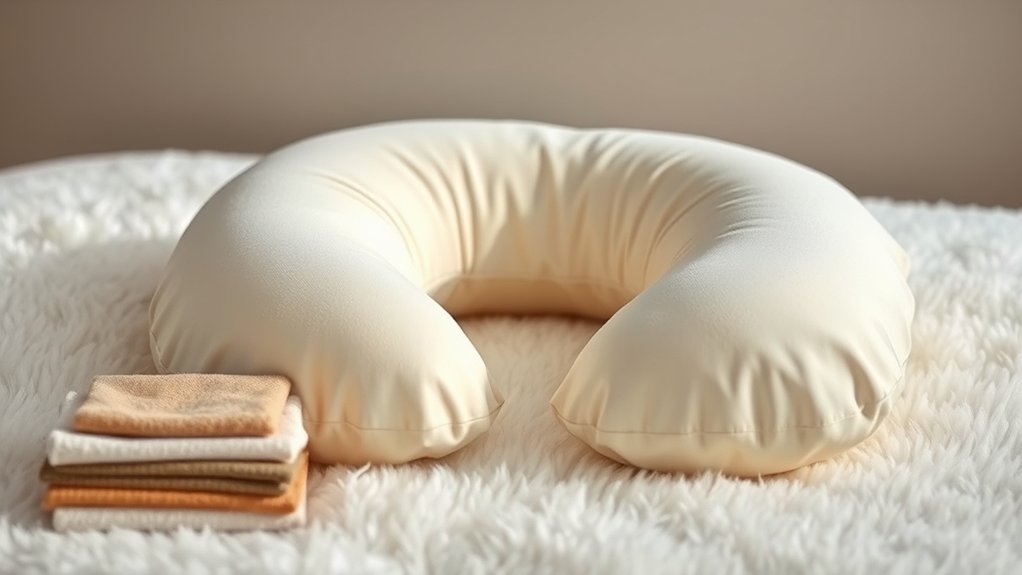
Last Updated on July 25, 2026 by Caleb Warren
When you’re on the go, hypoallergenic travel pillows are your best friend for a restful journey. They reduce exposure to common environmental allergens like dust mites, pet dander, and mold spores, ensuring you breathe easier while sleeping on airplanes, trains, or in hotel rooms. Common pillow materials include natural latex, which provides resilient support, and bamboo fibers, known for their moisture-wicking and antibacterial qualities. While synthetic options are lightweight and budget-friendly, choosing the right combination of hypoallergenic core materials and protective covers is essential for long-term health and travel comfort.
Quick Answer
Hypoallergenic travel pillows prevent dust mite accumulation, mold growth, and skin irritation while sleeping in high-allergen environments like planes and hotels. Pillows constructed from natural latex, bamboo viscose, or CertiPUR-US memory foam feature dense physical structures or antibacterial properties that block microscopic allergens. Pairing these materials with a washable outer cover creates a clean, protective barrier during travel.
Key Takeaways
- Natural Latex & Bamboo: Top natural materials that inherently resist dust mites, mildew, and bacterial growth.
- Moisture Control: Breathable fabrics like bamboo rayon prevent sweat buildup, eliminating the damp conditions mold needs to grow.
- High-Temperature Washing: Wash removable pillow covers at 130°F (54.4°C) or higher to effectively destroy dust mites and neutralize allergens.
- Material Certifications: Look for OEKO-TEX Standard 100 or CertiPUR-US seals to ensure your pillow is free from volatile organic compounds (VOCs) and chemical irritants.
At a Glance: Travel Pillow Material Comparison
| Natural Latex | Inherent mold/dust mite resistance; excellent pressure relief and neck alignment. |
| Bamboo Viscose | Superior cooling, moisture-wicking, and skin-friendly antibacterial properties. |
| Memory Foam | Ergonomic contouring; requires low-VOC certification to avoid chemical off-gassing. |
| Synthetic Polyester | Budget-friendly, lightweight, and fully machine-washable; prone to flattening. |
Disclosure: As an Amazon Associate I earn from qualifying purchases. Some links on this page are affiliate links, at no extra cost to you.
Why Hypoallergenic Travel Pillows Are Essential for Allergy Sufferers

When you’re traveling, allergy symptoms like nasal congestion, sneezing, and itchy eyes can disrupt your rest. According to the Asthma and Allergy Foundation of America (AAFA), dust mites and indoor mold are among the primary triggers for upper respiratory reactions. Airplane seats, public transit, and hotel bedding accumulate high concentrations of dead skin cells and ambient moisture, creating ideal conditions for dust mites.
Choosing a specialized hypoallergenic travel pillow minimizes your exposure to these environmental triggers. Designed with dense internal matrices and tightly woven covers, these pillows prevent microscopic particles from settling inside the fill. Materials like natural latex and organic bamboo naturally resist dust mites and microbial growth, giving you a clean sleeping environment wherever you rest.
Note: While hypoallergenic travel pillows create an effective barrier against surface dust mites and fabric allergens, individuals with severe asthma or acute allergic rhinitis should continue carrying prescribed antihistamines or allergy treatments while traveling.
What Materials Are Commonly Used in Hypoallergenic Travel Pillows?
The allergen resistance and comfort of a travel pillow depend directly on its internal core and cover materials. Selecting the right combination ensures long-term health and physical support during transit.
Selecting certified hypoallergenic materials for your travel pillow significantly reduces respiratory exposure to microscopic indoor allergens while maintaining proper spinal alignment on long journeys.
- Bamboo fabrics: Naturally hypoallergenic, antibacterial, and moisture-wicking. Excellent for travelers with sensitive skin or facial eczema.
- Memory foam: Dense viscoelastic structure that cradles the neck and head. Requires high-density construction and non-toxic certification to prevent dust accumulation and chemical off-gassing.
- Polyester fibers: Lightweight, inexpensive, and easy to wash. While naturally resistant to dust mites, lower-grade synthetic fiberfill can compress rapidly over time.
- Inflatable designs: Filled with air rather than physical fibers, removing the core habitat where dust mites breed. Extremely lightweight and compact for backpacking.
For an eco-friendly approach, natural alternatives like organic wool or organic cotton encasements offer thermal control while resisting bacterial accumulation.
The Benefits of Natural Latex for Allergy Sufferers
Natural latex derived from the sap of Hevea brasiliensis rubber trees is widely considered one of the premium materials for allergy-safe sleep products. As highlighted in sleep hygiene guides by the Sleep Foundation, natural latex provides inherent resistance to microscopic pests while offering durable ergonomic support.
Hypoallergenic Properties of Latex
Unlike traditional feather or down fills, natural latex features a cellular structure that is naturally inhospitable to dust mites and fungal spores. The natural botanical proteins in latex resist microbial growth without requiring chemical pesticide treatments.
- Highly durable rubber cell structure that maintains firmness for years
- Open-cell ventilation channels that allow continuous airflow
- Ergonomic contouring that alleviates neck pressure points
- Free from synthetic petroleum additives when certified organic
Supportive Neck Contouring Benefits
Proper cervical support is necessary when sleeping upright in plane or car seats. Natural latex offers high elasticity, instantly pushing back against head weight to keep the cervical spine aligned.
| Benefit | Description |
|---|---|
| Supportive Contouring | Molds to neck contours to maintain proper spinal alignment |
| Hypoallergenic Core | Inherent resistance to dust mites, mold spores, and mildew |
| Durability | Resists sagging and compression over years of frequent travel |
Temperature Regulation and Comfort
Trapped body heat leads to sweating, which creates a humid environment where bacteria and mold thrive. Natural latex features molded pinpoint air channels that circulate air with every movement, regulating surface temperature in hot airport terminals or cold cabins.
How Bamboo Fibers Enhance Comfort and Allergy Resistance
Bamboo rayon and bamboo viscose fabrics have become industry standards for hypoallergenic pillow covers and travel accessories due to their smooth fiber texture and natural moisture management.
Bamboo’s Natural Hypoallergenic Properties
Bamboo fibers contain smooth round strands that do not irritate sensitive facial skin. Additionally, bamboo textiles naturally repel common environmental allergens.
- Smooth fiber structure prevents micro-abrasions on sensitive skin
- High moisture absorption keeps the pillow surface dry
- Resistant to odor retention during extended long-haul flights
- Sustainable crop source requiring minimal water and zero pesticides
Breathability and Temperature Regulation
Temperature control is essential for preventing night sweats during transit. Bamboo micro-gaps rapidly wick moisture away from skin, allowing rapid evaporation. By keeping the pillow dry, bamboo eliminates the damp microclimates that foster mold growth.
Pro Tip: Look for travel pillows that feature a removable bamboo cover with a pore size rating under 10 microns. Tightly woven micro-zippered covers block 99% of dust mite particles from escaping into your breathing zone.
What Are the Pros and Cons of Synthetic Travel Pillow Materials?
Synthetic travel pillows made from memory foam or polyester fiberfill are popular due to widespread availability and lower prices. However, evaluating their trade-offs is important for allergy management.
- Affordability: Generally lower price points compared to natural latex or organic bamboo.
- Lightweight & Compact: Compress easily into carry-on bags or luggage clips.
- Dust Mite Resistance: Solid synthetic cores lack internal voids for pest nesting.
- Off-Gassing Potential: Low-grade memory foam can release volatile organic compounds (VOCs). Ensure foam carries a CertiPUR-US certification to avoid respiratory irritation.
- Heat Retention: Conventional memory foam can trap body heat, causing neck sweating.
How to Choose the Best Hypoallergenic Travel Pillow for Your Needs
To choose the right travel pillow for your specific medical and comfort needs, consider the following key factors:
- Core Material Selection: Choose natural latex or high-density memory foam for structural support, or an inflatable design if carrying space is limited.
- Safety Certifications: Check for independent testing labels like OEKO-TEX Standard 100 (ensuring textile freedom from harmful substances) or CertiPUR-US (for low-emission foam).
- Ergonomic Shape: Match the pillow shape to your sleeping position—U-shaped necks for upright sitting, cervical rolls for window leaning, or compact rectangular cushions for hotel beds.
- Washing Capability: According to medical guidance from the Mayo Clinic, bedding covers must be washed routinely at high temperatures to kill dust mites. Select a pillow with a removable, machine-washable outer shell.
Warning: Never submerge memory foam or natural latex cores in a washing machine or dryer. Agitation and high heat break down their structural bonds. Wash only the outer fabric cover unless the product explicitly specifies machine-washable fill.
Frequently Asked Questions
Can Hypoallergenic Pillows Help With Non-Allergy Related Sleep Issues?
Yes. Hypoallergenic travel pillows benefit all travelers by providing proper cervical spine support, reducing neck strain, and regulating temperature. Their clean construction also shields users from ambient dust, dander, and unwashed upholstery on commercial transit or in hotel rooms.
How Often Should I Clean My Hypoallergenic Travel Pillow?
Wash the removable cover after every trip or at least once per month during frequent travel. To neutralize dust mites and bacteria completely, wash the cover in water heated to at least 130°F (54.4°C). Spot-clean the interior foam core with a mild detergent and air-dry thoroughly.
Are There Any Eco-Friendly Hypoallergenic Travel Pillow Options?
Yes. Sustainable options include 100% GOLS-certified organic natural latex, organic bamboo viscose, and unbleached organic cotton covers. These options avoid synthetic petroleum derivatives, heavy chemical dyes, and toxic flame retardants.
Do Hypoallergenic Travel Pillows Come in Different Sizes or Shapes?
Yes. They are available in standard classic U-shape designs for flight seats, wrap-around neck supports, flexible bolster rolls, and ultra-compact compressible rectangles designed for lumbar or hotel bed use.
What Is the Lifespan of a Hypoallergenic Travel Pillow?
A quality hypoallergenic travel pillow lasts between 2 and 4 years with proper maintenance. Natural latex lasts the longest (up to 4–5 years), while synthetic polyester fibers may compress and require replacement after 1 to 2 years of heavy use.
Conclusion
Choosing a hypoallergenic travel pillow is one of the most effective ways to protect yourself against allergen exposure while ensuring restful sleep on the road. By selecting resilient natural materials like latex or moisture-wicking bamboo fabrics—or choosing certified low-emission synthetic foams—you eliminate the triggers that cause sneezing, skin irritation, and morning congestion. Weighing material breathability, ergonomic support, safety certifications, and washing requirements allows you to transform transit rest into a clean, comfortable, and rejuvenating experience.
Sources
- Asthma and Allergy Foundation of America (AAFA) — Environmental allergen control and dust mite prevention standards.
- Mayo Clinic — Medical management of dust allergy symptoms and hot water bedding treatment recommendations.
- Sleep Foundation — Comprehensive material analysis of natural latex, memory foam, and hypoallergenic pillow covers.
- CertiPUR-US Technical Guidelines — Standards and testing protocols for certified low-VOC viscoelastic foam materials.
