
Last Updated on July 24, 2026 by Caleb Warren
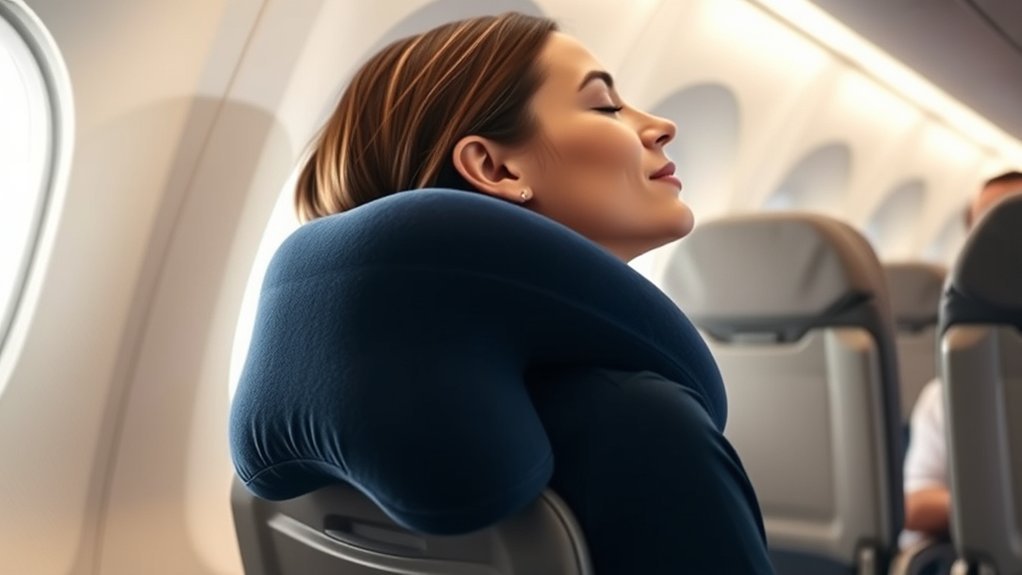
If you are struggling with back pain during travel, investing in an ergonomic travel pillow can make a transformative difference in your journey. Sitting in cramped airplane seats or driving long distances forces the lumbar spine out of its natural curvature, drastically increasing pressure on intervertebral discs. Choosing a high-density memory foam pillow that reinforces your spine’s natural curve, paired with adjustable positioning straps, stabilizes your posture and prevents debilitating tightness. Combining dynamic posture adjustments, scheduled stretch breaks, and correct pillow placement allows you to arrive at your destination pain-free.
Quick Answer
The best travel pillow for back pain is an ergonomic lumbar support cushion made of high-density memory foam that fills the space between your lower back and the seat. It maintains your spine’s natural lordotic curve, reduces intradiscal pressure during prolonged sitting, and prevents acute lower back strain when paired with regular stretch breaks.
Medical Disclaimer: This article is for informational purposes only and does not constitute medical advice. If you suffer from severe chronic back pain, herniated discs, or sciatica, consult a qualified healthcare professional or physical therapist before starting long-distance travel.
Key Takeaways
- Prolonged travel flattens the natural lumbar curve, increasing spinal disc pressure by up to 40% compared to standing.
- High-density memory foam offers superior pressure distribution compared to inflatable or soft fiber-fill alternatives.
- A proper ergonomic lumbar cushion should align with the small of your back without pushing your hips forward.
- Combining a neck support pillow with a lumbar roll stabilizes the entire spinal column from cervical to lumbar regions.
- Replace travel pillows every 12 to 24 months as foam loses resilience and supportive density.
At a Glance: Travel Cushion Selection
| Primary Function | Maintains lumbar curve and reduces intervertebral disc pressure |
| Recommended Material | Viscoelastic Memory Foam or Ergonomic Molded Core |
| Key Equipment | Lumbar roll/cushion, adjustable security strap, neck pillow |
| Price Range | $25 to $340 (depending on medical-grade features) |
Disclosure: As an Amazon Associate I earn from qualifying purchases. Some links on this page are affiliate links, at no extra cost to you.
Understanding Back Pain While Traveling
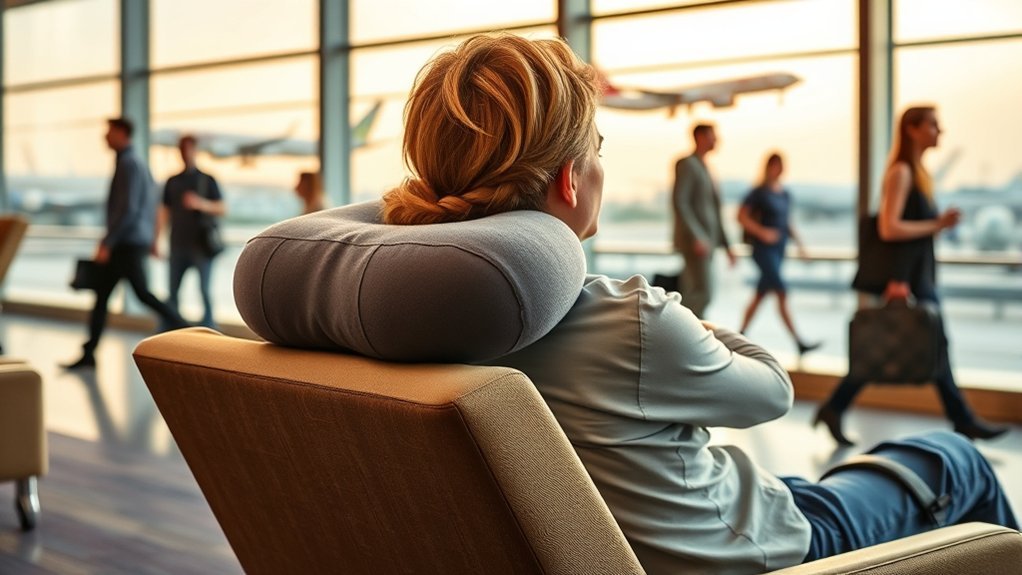
When you are on the road or high in the air, back pain often sneaks up due to the unnatural mechanics of travel seating. Most airplane, train, and vehicle seats are designed for safety and space efficiency rather than spinal health, encouraging a slouched posture. Prolonged sitting and poor travel posture flatten the natural lordotic curve of your lumbar region, leading to muscle fatigue, soft tissue strain, and spinal joint compression.
According to research highlighted by the Cleveland Clinic, static sitting places significantly more static force on spinal structures than standing or walking. The average traveler spends 5 to 10 consecutive hours seated during long flights or road trips. Without proper posture, this uninterrupted force compromises spinal disc hydration. Utilizing targeted ergonomic travel pillows—such as firm lumbar rolls or contoured back cushions—fills the void behind your lower spine, effectively redistributing weight and keeping your vertebral column in safe alignment.
Biomechanical research published by the National Institutes of Health (NIH) demonstrates that integrating proper lumbar support during prolonged sitting reduces intradiscal pressure and significantly lowers lower-back fatigue.
Types of Travel Pillows for Back Support
Selecting the right travel pillow for back support depends on your specific spinal needs, travel environment, and storage preferences. Modern options feature distinct ergonomic designs tailored to support different sections of the spine:
- Full-Back Medical Support Systems: Products like the Premium Sacro-Ease Back Support ($340) combine internal steel frame support with high-density foam. These are ideal for individuals recovering from spinal injuries or managing severe chronic back pain.
- Targeted Lumbar Rolls: Portable devices like the Original McKenzie® Lumbar Roll™ ($25) offer a compact, cylindrical design that stabilizes the lower back’s inward curve without taking up significant luggage space.
- ContourSit Car & Seat Cushions: Available in varying memory foam densities, these cushions assist in tilting the pelvis slightly forward, preventing the pelvic tucking that triggers slouched spinal postures.
- Inflatable Lumbar Pillows: Lightweight and space-saving, inflatable options allow you to adjust firmness by changing air volume, making them adaptable to different seat shapes.
Pro Tip: If your travel seat has severe backward curvature (common in commercial aircraft), place a firm lumbar roll slightly above your beltline to prevent your spine from flexing outward.
Essential Features for Effective Back Support in Travel Pillows
To ensure your chosen cushion delivers noticeable pain relief, look for features backed by sound ergonomic principles outlined by guidelines from OSHA Ergonomics:
- Anatomical Contouring: A curve-conforming design maintains your spine’s natural posture and minimizes unnatural lateral shift while sleeping.
- Adjustable Straps and Toggles: Securing the pillow directly to your seat prevents it from slipping down or shifting as you move.
- High-Density Viscoelastic Foam: Premium memory foam conforms to your body shape in response to heat and pressure, delivering personalized weight distribution.
- Breathable & Washable Covers: Removable, hypoallergenic fabrics facilitate easy cleaning after trips through public transit terminals.
- Portability & Weight: Look for compressible fabrics or integrated carry straps to make transport through airport security hassle-free.
Choosing the Right Size and Shape for Your Travel Pillow
A travel pillow must match your anatomical profile and the seat depth of your travel method. A cushion that is too thick pushes your entire torso forward, placing undue strain on your neck and mid-back. Conversely, a cushion that is too soft fails to provide adequate lumbar support.
When selecting your support pillow, consider these fitting parameters recommended by physical therapists:
- Petite & Short Torso Individuals: Opt for compact or medium-sized lumbar rolls (2.5 to 3.5 inches in depth). Overly thick cushions push the lower torso away from the seat back, straining the thoracic spine.
- Tall & Broader Individuals: Require thicker lumbar wedges or contoured back supports (4 to 5 inches in depth) to fully fill the deeper space behind their lower spine.
- Adjustable Air Cores: Inflatable models provide a versatile fit, allowing travelers of any height to fine-tune thickness according to varying seat depths across cars, trains, and planes.
Effective Tips for Using Your Travel Pillow for Back Pain
Proper placement is essential to maximizing the benefits of your ergonomic travel pillow. Follow these guidelines during your journey:
| Strategy Tip | Actionable Description |
|---|---|
| Targeted Placement | Position the cushion directly at the beltline in the small of your lower back. |
| Pelvic Alignment | Sit back firmly into the seat crease before applying lumbar support. |
| Micro-Adjustments | Shift cushion positioning slightly every 60 minutes to redistribute load points. |
| Dynamic Movement | Perform seated calf raises and pelvic tilts every 30 minutes to stimulate blood flow. |
Note: Always keep your feet flat on the floor or on a footrest while using a lumbar pillow. Letting your legs dangle pulls the pelvis backward, negating the support provided by your cushion.
Pairing Your Travel Pillow With Other Support Cushions
For long-haul travel, relying on a single pillow may not resolve overall spinal tension. Combining multiple specialized support cushions stabilizes the entire kinetic chain from your neck down to your hips.
Optimal Cushion Combinations
Pairing different cushion styles allows you to create a personalized, supportive travel setup tailored to your preferred seating position:
| Primary Head/Neck Support | Secondary Lower Back Cushion |
|---|---|
| U-Shaped Travel Neck Pillow | Travel Lumbar Support Roll |
| Wrap-Around Support (e.g., Trtl) | Premium Sacro-Ease Back Cushion |
| Neck Sofa® Travel Neck Pillow | ContourSit Wedge Base Cushion |
| Standard All-Purpose Micro-bead Pillow | Original McKenzie® Lumbar Roll™ |
Enhanced Lumbar Support Options
To further upgrade your travel posture setup, consider adding high-performance medical products like the Tempur-Pedic Travel Lumbar Cushion, which offers pressure relief designed for long hours of immobility. For targeted coccyx relief, pair your lumbar cushion with a coccyx cut-out base seat pad to reduce pressure on the tailbone. Aligning the spine from top to bottom protects the back and prevents compensating posture shifts that cause muscle strain.
When to Replace Your Travel Pillow?
Travel pillows undergo repetitive compression, dynamic force, and variable storage conditions. To maintain proper support and optimal hygiene, experts at Spine-health recommend replacing foam-based supportive travel cushions every 12 to 24 months. Replace your pillow if you notice any of these key warning signs:
- Structural flattening or inability of memory foam to spring back to its original shape
- Visual breakdown of internal foam fibers or fabric tear points near security straps
- Persistent odors or deep-set stains that survive thorough laundering
- Loss of firmness resulting in noticeable lumbar sag during flights
- Increased back stiffness or spinal discomfort after travel
Frequently Asked Questions
Can travel pillows help prevent back pain during long flights?
Yes. Ergonomic travel pillows engineered for lumbar support reduce back pain by filling the gap between your lower spine and the airplane seat. This maintains your natural lumbar curve, lowers intervertebral disc pressure, and prevents muscle strain during prolonged sitting.
Are there specific materials best for travel pillows targeting back pain?
High-density viscoelastic memory foam and molded polyurethane cores are ideal. They offer strong structural support under body weight while molding to your spine’s unique shape to distribute pressure evenly without flattening quickly.
How do I clean and maintain my travel pillow for hygiene?
Always follow the manufacturer’s care tag. Unzip and wash removable fabric covers in warm water with mild detergent. Spot-clean internal memory foam cores using a damp cloth with mild soap; never submerge memory foam in water or place it in a tumble dryer.
Can I use a travel pillow for back pain in a car?
Yes. Lumbar rolls and ergonomic travel cushions work effectively in vehicles. Position the cushion in the lower curve of your back and adjust your seat back to an angle of 100 to 110 degrees to reduce pressure on your lower spine while driving or riding.
How do I know if my travel pillow is providing enough support?
Your travel pillow provides sufficient support if your lower back feels comfortably supported without slouching or arching forward excessively. If you experience muscle fatigue, lower back tightness, or noticeable sagging within an hour of sitting, your cushion may be too soft or incorrectly sized.
Conclusion
Managing back pain while traveling requires thoughtful preparation and the right ergonomic gear. An effective lumbar travel pillow does more than offer soft padding—it serves as a precise tool that preserves your natural spinal alignment and shields your back from prolonged stress. By selecting supportive high-density materials, positioning your cushion correctly at the beltline, and taking brief active breaks to stretch, you can make every trip comfortable and arrive at your destination refreshed and pain-free.
Sources
- National Center for Biotechnology Information (NCBI) — Research on sitting postures, lumbar support, and spinal disc biomechanics.
- Cleveland Clinic — Clinical guidelines for healthy posture, sitting mechanics, and spine care.
- Spine-health — Medical insights into lumbar chair supports, ergonomic cushioning, and back pain prevention.
- Occupational Safety and Health Administration (OSHA) — Ergonomic standards for seating support and posture maintenance.
