
Last Updated on September 10, 2026 by Daniel Globe
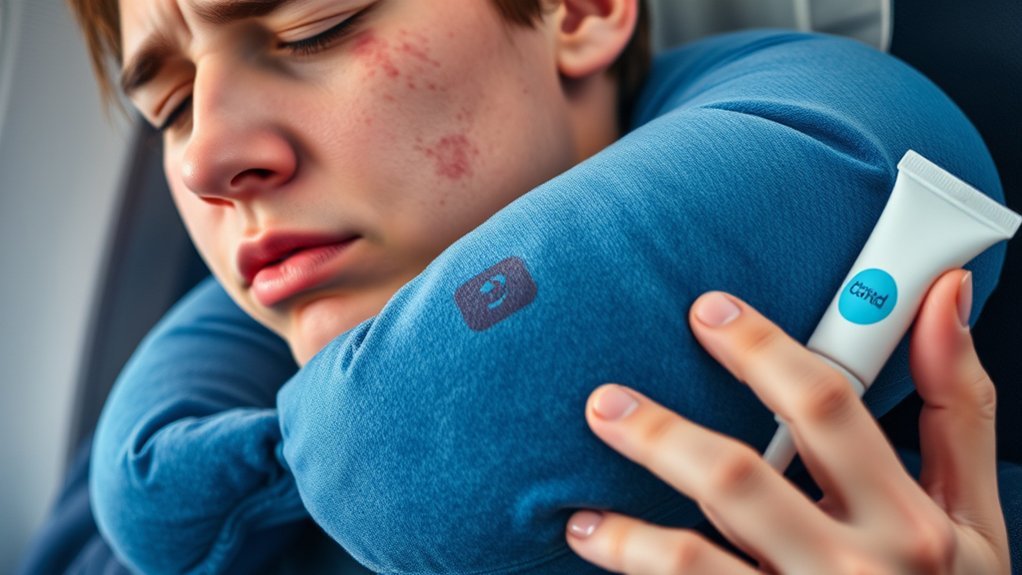
A travel pillow can contribute to sneezing, congestion, itchy eyes, coughing, or an irritated neck and face, but the pillow itself is not always the true cause. Dust-mite allergens, pet dander, trapped moisture, mold, detergent residue, fragrance, or direct contact with a fabric or foam can all play a part. The safest first steps are to stop using the pillow, inspect it, follow its care label, and note whether symptoms improve.
Quick Answer
Yes, a travel pillow may expose you to dust-mite allergens, pet dander, mold, fragrance, or irritating residues. Stop using it, wash the removable cover as directed, dry every part fully, and try a clean barrier cover. Seek emergency care for trouble breathing or swelling of the lips, tongue, face, or throat.
Key Takeaways
- A reaction may come from allergens, mold, detergent, fragrance, or simple skin irritation—not necessarily the pillow filling.
- Fill labels such as “down,” “polyester,” or “memory foam” do not reliably predict allergy risk by themselves.
- Wash only the parts the manufacturer says are washable; many memory-foam inserts should not be soaked or machine-washed.
- A removable washable cover and a fully zippered allergen-resistant encasement are often more useful than a vague “hypoallergenic” claim.
- Breathing trouble, faintness, or swelling of the face, lips, tongue, or throat requires immediate emergency help.
At a Glance
| Time Required | 10–20 minutes to inspect and clean a cover; longer for complete air-drying |
| Difficulty | Easy, but care instructions vary by pillow construction |
| Tools Needed | Care label, mild fragrance-free detergent, clean towel, drying rack, and optional zippered encasement |
| Cost | About $0–$25 for cleaning supplies or a protective cover; replacement costs vary |
Disclosure: As an Amazon Associate I earn from qualifying purchases. Some links on this page are affiliate links, at no extra cost to you.
Common Symptoms of Pillow-Related Allergies

Symptoms linked to a travel pillow may affect your nose, eyes, lungs, or skin. Dust-mite and other indoor allergens commonly cause sneezing, a runny or stuffy nose, itchy or watery eyes, postnasal drip, coughing, or an asthma flare. Damp or moldy fabric may also be associated with nasal irritation, coughing, wheezing, burning eyes, or a skin rash in sensitive people. The American Academy of Allergy, Asthma & Immunology and the Centers for Disease Control and Prevention describe these symptom patterns.
A red, itchy patch exactly where the pillow touches your neck, jaw, or cheek may be contact dermatitis rather than an airborne allergy. According to MedlinePlus, contact dermatitis can cause itching, redness, rough skin, bumps, blisters, burning, or tenderness, and a delayed rash may appear 24–48 hours after exposure.
Note: A cold, dry cabin air, perfume, cleaning spray, hotel bedding, a pet nearby, or a new skin-care product can cause similar symptoms. Improvement after you stop using the pillow is a clue, not a diagnosis.
How Travel Pillows Cause Allergies and What You Can Do About It
A travel pillow can collect skin flakes, hair, dust, pet dander, pollen, sweat, and residues from seats or luggage. Dust mites thrive in warm, humid bedding, while mold needs moisture. A pillow packed away before it is fully dry may develop a musty odor or visible spotting. A new pillow can also irritate skin because of dye, finishing chemicals, fragrance, or detergent residue.
Common Allergens in Travel Pillows
- Dust-mite allergens: Dust mites and their allergenic particles can accumulate in fabric items, especially when they remain warm and humid.
- Pet dander and pollen: These particles can transfer from clothing, aircraft seats, hotel rooms, cars, or storage areas.
- Mold: Mold can grow on fabric or dust when enough moisture is present. A musty smell, discoloration, or recurring dampness deserves attention.
- Contact irritants or allergens: Detergent, fabric softener, fragrance, dyes, rubber, adhesives, or a cover fabric may cause a localized rash.
- Unrelated travel triggers: Cabin dryness, respiratory infections, smoke, perfume, and hotel allergens can mimic a pillow reaction.
Symptoms of Allergic Reactions
| Symptom pattern | Possible explanation | What to do |
|---|---|---|
| Sneezing, congestion, itchy eyes | Airborne allergen or irritant | Stop using the pillow and compare symptoms away from it |
| Rash limited to contact areas | Friction, heat, detergent residue, or contact dermatitis | Use a clean cotton barrier and avoid the suspected material |
| Coughing or wheezing | Asthma trigger, mold exposure, or another respiratory cause | Stop exposure and follow your asthma or medical action plan |
| Hives or widespread itching | Possible allergic reaction | Seek medical advice; watch for emergency warning signs |
| Trouble breathing or facial/throat swelling | Possible severe allergic reaction | Call 911 or the local emergency number immediately |
Tips for Allergy Management
Start with exposure control rather than assuming one fill is automatically safe. Use a removable washable cover, consider a fully zippered allergen-resistant encasement, keep the pillow dry, and store it away from pets, dust, and damp areas. If a clinician has diagnosed dust-mite allergy, allergen-proof encasements and frequent bedding washing are commonly recommended.
Pro Tip: Pack the pillow in a clean washable bag, not loose against airplane seats, car floors, or the bottom of a suitcase. Wash the bag along with the removable cover after a trip.
Identifying Allergy Triggers in Your Travel Pillow
Use a simple elimination process. This cannot confirm an allergy, but it can help you identify patterns to discuss with a healthcare professional.
- Stop using the pillow. Note whether symptoms improve over the next day or two.
- Inspect and smell it. Look for damp areas, discoloration, residue, damaged foam, or a musty odor.
- Check the care label. Identify which parts can be washed, the allowed water temperature, and the drying method.
- Clean the washable parts. Use a mild fragrance-free detergent and an extra rinse if the label permits. Dry every part completely.
- Try a clean barrier. Place a freshly washed cotton pillowcase or zippered encasement between your skin and the pillow.
- Track the pattern. Record where the rash appears, how quickly symptoms start, and whether they occur with other pillows or only during travel.
Warning: Do not keep testing a pillow that caused wheezing, widespread hives, facial swelling, faintness, or trouble breathing. Those symptoms need prompt medical assessment, and severe symptoms require emergency care.
How to Choose a Hypoallergenic Travel Pillow
Do not rely on the word hypoallergenic alone. The Asthma and Allergy Foundation of America notes that “hypoallergenic” is not a regulated performance standard. A more useful shopping checklist is:
- A removable cover with clear washing and drying instructions
- A smooth, tightly woven surface that does not trap debris easily
- A fully zippered allergen-resistant encasement, especially for diagnosed dust-mite allergy
- Low-fragrance or fragrance-free materials if scents irritate your skin or airways
- A return policy that allows you to stop using the pillow if it causes irritation
- A recognized certification whose testing scope you can verify, rather than a generic marketing badge
The Asthma & Allergy Friendly® certification program includes independently tested bedding categories. Other labels may test different qualities, so read the certification scope instead of assuming every badge measures allergen-barrier performance.
Recommended Materials for Allergy-Friendly Travel Pillows
No single filling is best for every person with allergies. Older research indexed by the National Library of Medicine found higher dust-mite allergen levels in the synthetic pillows studied than in feather pillows, showing why a simple “synthetic equals low risk” rule is unreliable. Cover construction, moisture, age, cleaning, and storage matter too.
| Pillow type | Potential advantage | Main caution |
|---|---|---|
| Polyester or microfiber fill | Often lightweight and sometimes fully washable | The fill label alone does not guarantee lower allergen exposure |
| Memory foam | Supportive and usually used with a removable cover | Many foam inserts cannot be submerged or machine-washed |
| Down or feather | Compressible and comfortable for some travelers | Avoid if you have a confirmed feather allergy or cannot clean it as directed |
| Inflatable | Nonporous bladder is easy to wipe and stores compactly | The fabric cover, valve, or plastic may still irritate some users |
| Fabric wrap with removable support | Some models allow the fabric portion to be machine-washed | The internal support must be removed first and care varies by brand |
For most allergy-conscious travelers, the practical priority is a pillow that can be cleaned correctly, dried fully, and enclosed with a washable barrier.
How to Maintain a Clean Travel Pillow
There is no universal rule that every travel pillow should be washed every one or two weeks. A pillow used daily needs more frequent care than one used twice a year. Clean it after a trip, after visible soiling or heavy sweating, after exposure to pets, and before long-term storage—always within the limits of the care label.
Regular Washing Schedule
- Removable cover: Wash after trips or sooner if it touches dirty surfaces, sweat, cosmetics, or hair products.
- Washable fiber-filled pillow: Follow the label for cycle, water temperature, detergent, and drying.
- Memory-foam insert: Do not soak or machine-wash unless the manufacturer specifically allows it. Many brands direct users to clean only the cover and wipe the foam lightly.
- Inflatable pillow: Deflate if required, wipe the bladder and valve as directed, and wash the removable sleeve separately.
- Dust-mite control: Allergy guidance often recommends washing washable bedding weekly in water around 130°F (54°C), but a travel-pillow label may require a cooler setting. Follow the product label to avoid damage and use an allergen-resistant encasement when hot washing is not allowed.
For example, Cabeau’s official care instructions for one memory-foam travel pillow specify cool washing for the removable cover and say not to wash the foam insert. This illustrates why one cleaning rule cannot safely apply to every model.
Use Hypoallergenic Covers
A standard decorative pillowcase protects the surface, but a fully zippered allergen-resistant encasement is designed to create a more complete barrier. Choose one that fits tightly, has a protected zipper, feels comfortable against your skin, and can be washed according to its label. Wash the outer pillowcase more often than the encasement if it directly touches your face and neck.
Proper Storage Techniques
- Allow the pillow and cover to dry completely before packing them.
- Store the pillow in a clean, dry, breathable bag unless the manufacturer specifies an airtight pouch.
- Keep it off damp basement floors, bathroom shelves, pet beds, and dusty luggage compartments.
- Air it out after long storage and inspect it before each trip.
- Replace it if visible mold, a persistent musty odor, crumbling foam, or damaged seams remain after label-safe cleaning.
The Role of Protective Covers for Travel Pillows
Protective covers reduce direct contact with the pillow and make routine cleaning easier. For a diagnosed dust-mite allergy, AAAAI recommends allergen-proof or airtight zippered covers for pillows and other bedding. The cover still needs care: allergens can settle on its outer surface, so wash it as directed and keep it dry.
The most useful “allergy-friendly” feature is often not the filling—it is a washable outer layer plus a well-fitted barrier that you can keep clean and dry.
What to Do for Allergic Reactions
- Stop using the pillow and move away from the suspected exposure.
- Remove the cover without shaking it near your face, then place it in a laundry bag.
- Wash exposed skin gently with lukewarm water and a mild cleanser if you suspect contact irritation.
- Change clothing if it may carry dander, dust, mold, or fragrance.
- Follow your existing medical plan. Use allergy or asthma medicine only as directed by your clinician or the product label. Some antihistamines can cause drowsiness, which matters during driving or travel.
- Document the reaction. Take a photo of a rash and record the pillow material, detergent, timing, and symptoms for a healthcare visit.
Warning: Call 911 or your local emergency number for trouble breathing, throat tightness, fainting, confusion, blue or pale skin, or swelling of the lips, tongue, face, or throat. If you have prescribed emergency epinephrine, use it according to your emergency plan while help is on the way.
Alternatives to Traditional Travel Pillows for Allergy Sufferers
If a traditional U-shaped pillow keeps causing problems, consider an inflatable pillow with a removable washable sleeve, a washable fabric wrap with a removable support, or a clean folded scarf used only for light cushioning. A small pillowcase from home can also create a familiar washable barrier over a hotel or airline pillow. None of these options is automatically allergen-free, so inspect the materials and care instructions.
Travelers with diagnosed asthma or severe allergies should keep rescue medication and prescribed emergency medicine in an accessible carry-on rather than checked baggage. Ask your clinician for a travel action plan when exposures have caused significant reactions before.
When Should You See a Doctor About Pillow Allergies?
Arrange a medical visit when symptoms keep returning, last more than a week, disturb sleep, worsen asthma or eczema, or do not improve after you stop using and clean the pillow. Seek assessment sooner for repeated hives, spreading rash, signs of skin infection, or wheezing. An allergist may use history and allergy testing for airborne triggers, while a dermatologist may use patch testing when contact dermatitis is suspected.
This article provides general information and is not a diagnosis or a substitute for medical care.
Frequently Asked Questions
Can I use my regular pillow while traveling?
Yes, provided you can transport it hygienically and it does not trigger symptoms. Put it in a clean washable case or travel bag. A full-size pillow is less portable, but using your own familiar pillow may reduce exposure to hotel bedding materials.
How often should I replace my travel pillow?
There is no universal one- or two-year replacement rule. Replace it when it cannot be cleaned safely, stays musty, has visible mold, loses support, develops damaged seams or crumbling foam, or repeatedly causes symptoms despite a clean cover and proper care.
Are specific brands known for hypoallergenic travel pillows?
Brand claims and product lines change. Compare the actual care label, cover design, materials, return policy, and independent certification rather than relying on a brand name. A removable washable cover and a compatible allergen-resistant encasement are practical features to prioritize.
Do travel pillows come with allergen-free certifications?
Some bedding products carry certifications such as Asthma & Allergy Friendly®, but “allergen-free” is too absolute because no product can guarantee that no individual will react. Check what a certification tests and whether it covers allergen barriers, emissions, or another product quality.
Can I wash a travel pillow in a machine?
Only when the care label says the pillow or that specific component is machine-washable. Many removable covers and some fiber-filled pillows can be washed, but memory-foam cores often cannot. Remove any support insert or electronics and follow the stated cycle, water temperature, and drying method.
Can detergent cause an itchy neck after using a travel pillow?
Yes. Fragrance, detergent residue, fabric softener, or another finishing chemical may cause irritant or allergic contact dermatitis. Rewash the removable cover with a mild fragrance-free detergent and an extra rinse if the care label allows it, then stop using the pillow if the rash returns.
What should I do if my travel pillow smells musty?
Stop using it and inspect every layer for dampness or visible mold. Clean only as the label permits and dry it fully. If discoloration or odor remains, returns after cleaning, or is inside a nonwashable core, replace the pillow rather than continuing to place it against your face.
Conclusion
A travel pillow can contribute to allergy-like symptoms or itchy skin, but the cause may be dust-mite allergens, mold, pet dander, detergent, fragrance, friction, or another travel exposure. Stop using the suspected pillow, clean only the washable parts, dry it fully, and use a clean barrier. Choose products by their care instructions and tested features—not by the word “hypoallergenic” alone. Get medical help for persistent symptoms and emergency care for breathing trouble or facial or throat swelling.
Sources
- American Academy of Allergy, Asthma & Immunology — Indoor Allergens — dust-mite exposure, zippered covers, hot-water washing, and humidity control
- Centers for Disease Control and Prevention — Mold — mold growth, moisture control, and possible respiratory and skin effects
- MedlinePlus — Contact Dermatitis — symptoms, delayed reactions, and medical evaluation
- Asthma and Allergy Foundation of America — Certified Asthma & Allergy Friendly® — limits of “hypoallergenic” labeling and independent certification
- PubMed — House Dust Mite Allergen Levels in Bedding Components — evidence that fill type alone does not reliably predict dust-mite allergen exposure
- Cabeau — Evolution Classic Care Instructions — example of washing a removable cover while keeping a memory-foam insert dry

