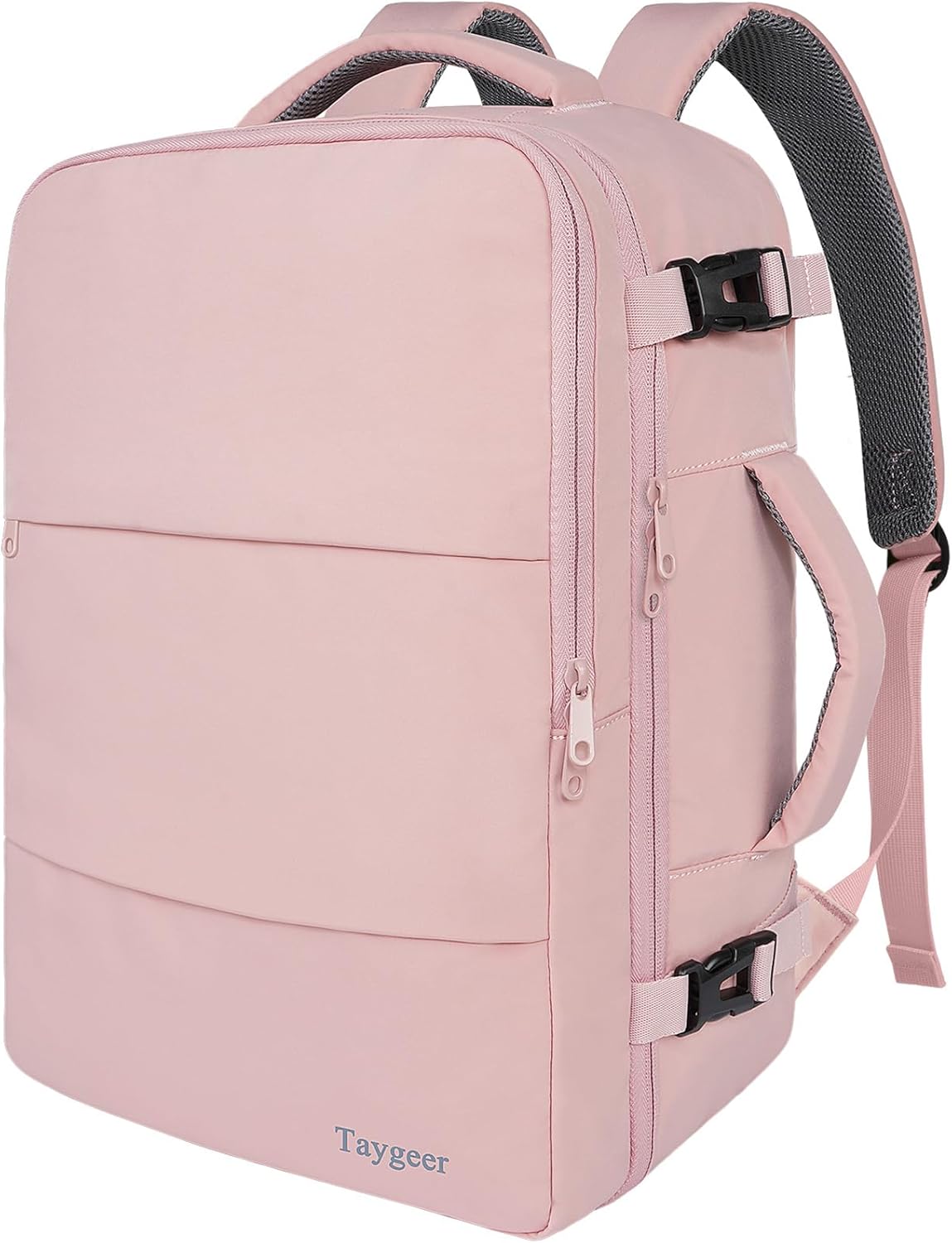
Last Updated on September 10, 2026 by Daniel Globe
A travel backpack and a rucksack are both bags carried on your back. The words often overlap, and the label alone does not tell you how a bag opens, how much it holds, or how well it carries weight. The better choice depends on the bag’s fit, access, organization, capacity, and the type of trip you plan to take.
Quick Answer
A rucksack is a type of backpack, not a completely separate category. Travel backpacks commonly use suitcase-style openings, lockable zippers, and organized compartments. Bags sold as rucksacks often use top-loading openings, compression straps, and hiking-focused harnesses. Compare the actual features and fit rather than choosing by name alone.
Key Takeaways
- “Backpack” is the broad term; “rucksack” is often a regional word or a label for a rugged, top-loading style.
- For flights and hotels, a panel-opening travel backpack is usually easier to pack and secure.
- For hiking with heavier gear, prioritize torso fit, a supportive hip belt, a stable frame, and compression straps.
- Capacity, fabric, durability, and warranty terms vary by model; they are not defined by the word on the product page.
Disclosure: As an Amazon Associate I earn from qualifying purchases. Some links on this page are affiliate links, at no extra cost to you.
Is a Rucksack Different From a Backpack?
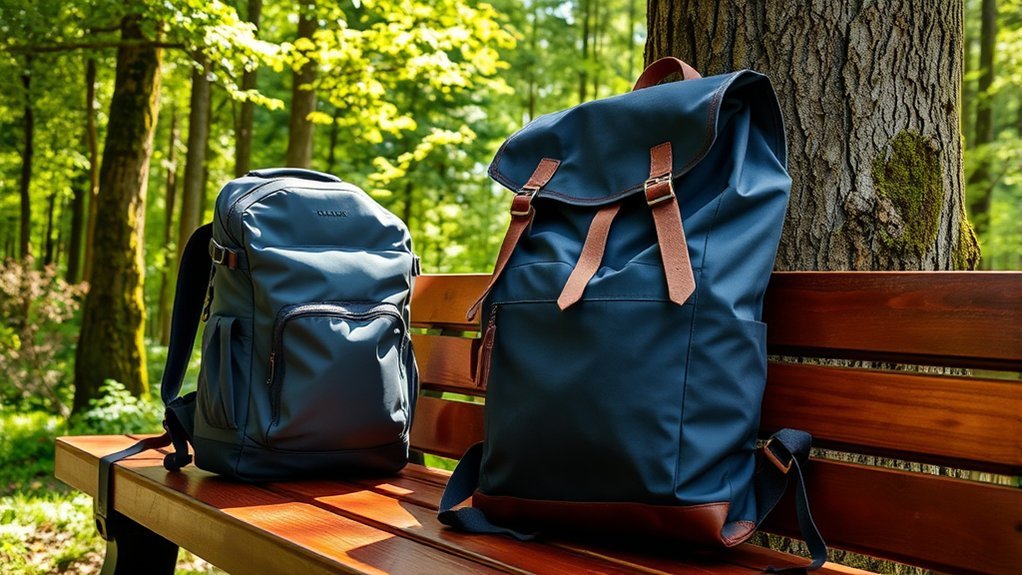
In everyday use, the terms overlap. Merriam-Webster notes that a rucksack is technically no different from a backpack or knapsack. “Rucksack” is chiefly British English, while “backpack” is more common in American English.
The word rucksack comes from German roots meaning “back” and “sack.” That history explains the name, but it does not create a modern design standard. A small commuter bag may be sold as a rucksack, and a large framed hiking bag may be sold as a backpack.
Note: Product names are marketing and regional language, not regulated categories. Read the measurements, harness details, opening style, and material specifications for the individual bag.
Travel Backpack vs. Rucksack: Common Design Differences
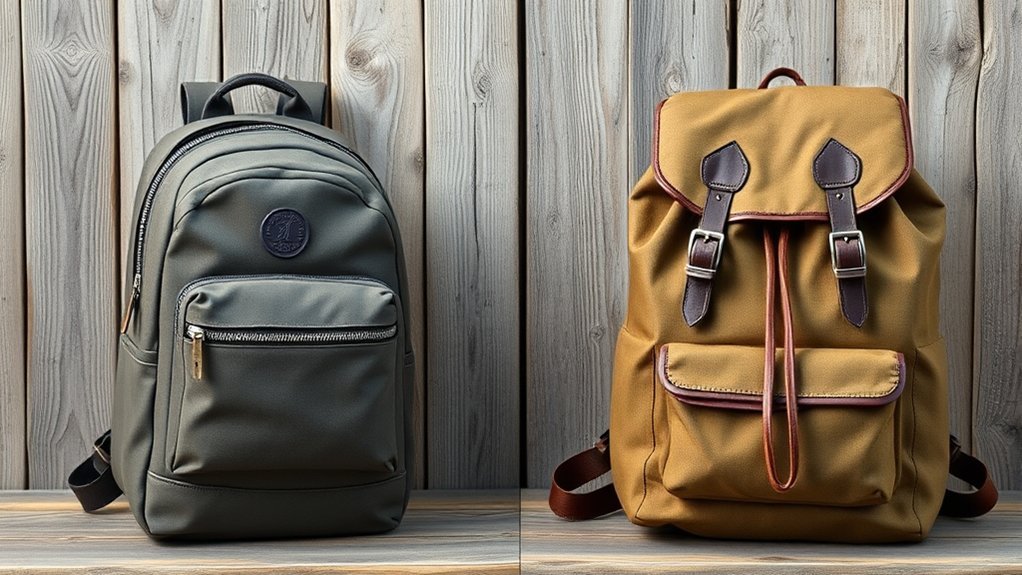
Although there is no universal dividing line, products marketed for travel and products marketed as traditional rucksacks often emphasize different features.
| Feature | Travel Backpack: Common Pattern | Rucksack: Common Pattern |
|---|---|---|
| Main access | Panel or clamshell opening, similar to a suitcase | Top opening with a drawcord, lid, flap, or buckles |
| Organization | Laptop sleeve, document pockets, dividers, and small-item storage | Large main compartment with exterior pockets and gear attachment points |
| Travel handling | May include stowable straps, side handles, lockable zipper pulls, or a luggage pass-through | May prioritize compression, quick trail access, and secure exterior carry |
| Load support | Ranges from light padding to a full frame and hip belt | Ranges from simple shoulder straps to a hiking suspension with frame, hip belt, and load lifters |
| Best fit | Airports, rail travel, hostels, hotels, work trips, and organized packing | Hiking, camping, field use, or travelers who prefer simple top-loading storage |
Opening and Access
A panel-opening travel backpack lets you see most of the contents at once. This is useful in a hotel room because you can pack it like a suitcase and reach clothing without emptying the entire bag.
A top-loading rucksack is simple and can compress well around an uneven load. However, items near the bottom may be harder to reach. Some modern hiking bags solve this with side, front, or bottom zippers, so check the actual access points.
Organization and Security
Travel-focused bags often include separate spaces for a laptop, documents, toiletries, and cables. Zipper pulls may accept a small luggage lock, but a fabric bag is never theft-proof. Keep passports, money, and medication in a secure pocket that stays close to your body.
Traditional rucksack designs often use one large compartment. Packing cubes or dry bags can add structure while keeping wet, dirty, or delicate items separate.
Harness and Load Support
Neither name guarantees comfort. A travel backpack can have an excellent frame and hip belt, while a rucksack can be little more than a soft day bag. For heavier loads, look for a frame or firm back panel, a padded hip belt, adjustable shoulder straps, a sternum strap, and load lifters where appropriate.
Capacity and Storage: Choose by Trip, Not by Label
There is no rule that backpacks stop at 50 liters or that rucksacks begin above 50 liters. Both names appear on small day bags and large expedition packs. Use liters to estimate volume, then confirm the bag’s exterior dimensions and recommended load.
| Typical Capacity | Common Uses | What to Check |
|---|---|---|
| 15–30 L | Commuting, sightseeing, day hikes, and personal-item travel | Laptop fit, water-bottle storage, and under-seat dimensions |
| 30–50 L | Weekend travel or one- to three-night backpacking trips | Carry-on dimensions, frame length, and whether your gear is compact |
| 50–80 L | Multi-day backpacking, winter gear, or equipment-heavy travel | Torso fit, load support, pack weight, and checked-bag rules |
| 70 L and up | Extended, cold-weather, family, or expedition loads | Whether the extra volume is truly needed and safe to carry |
REI’s backpack guide places many one- to three-night backpacking packs in the 30–50 L range and many multi-day packs in the 50–80 L range. Those ranges are trip-planning guides, not definitions of “backpack” and “rucksack.”
Pro Tip: Gather the gear you actually plan to carry before buying the bag. Pack it, add realistic weight, and walk with it for at least 10 minutes. Empty volume and a quick fitting can hide pressure points or poor balance.
Comfort and Ergonomics
Comfort depends more on fit and suspension than on the product name. For a load-bearing bag, torso length is more useful than your overall height. The hip belt should sit around the top of your hip bones so your hips can carry much of the weight.
REI’s fitting guide recommends checking torso length, hip-belt placement, shoulder-strap contact, load-lifter tension, and sternum-strap position. Adjustment straps can fine-tune a correct size, but they cannot fix a frame that is too long or too short.
How to Check the Fit
- Set the torso length: Match the pack’s size range to the distance from the base of your neck to the top of your hip bones.
- Position the hip belt: Center the padding over the top of your hip bones and tighten it until snug, not painful.
- Tighten the shoulder straps: They should follow your shoulders without carrying all the load.
- Adjust the load lifters: Use light tension to bring the upper pack closer without pinching your shoulders.
- Set the sternum strap: Keep the shoulder straps stable while allowing comfortable breathing and arm movement.
- Walk and recheck: Watch for slipping, rubbing, numbness, pressure spots, or a need to lean far forward.
Warning: Do not assume a large hip belt makes a bag suitable for a heavy load. Follow the manufacturer’s load guidance, and reduce the weight if the pack feels unstable, causes pain, or changes your normal walking posture.
Material, Weather Resistance, and Durability
Travel backpacks and rucksacks can use the same materials, including nylon, polyester, canvas, leather, foam, mesh, aluminum stays, and plastic framesheets. Modern outdoor rucksacks are not automatically canvas or leather, and travel backpacks are not automatically light-duty.
Compare these details instead:
- Fabric and reinforcement: Higher-abrasion areas should use tough fabric or extra layers, especially at the base.
- Stitching and hardware: Inspect shoulder-strap attachment points, zipper tracks, buckles, and compression-strap anchors.
- Water protection: “Water-resistant” does not mean waterproof. Coated fabric can still leak through zippers and seams.
- Repairability: Replaceable buckles, accessible stitching, repair services, and spare parts can extend the bag’s useful life.
- Empty weight: A stronger frame and thicker padding can improve support but add weight before you pack anything.
For prolonged rain or water crossings, use a fitted rain cover or waterproof liner and place electronics, medication, and dry clothing in sealed bags.
Which One Should You Choose?
Daily Commuting
Choose the bag that fits your laptop, lunch, water bottle, and daily essentials without excess bulk. A travel or commuter backpack with a padded device sleeve and several pockets is usually convenient. A slim rucksack can work just as well when it has secure closures and enough organization for your routine.
Air Travel
A panel-opening travel backpack is often the easiest option for flights because it packs like a suitcase and may include stowable shoulder straps, side handles, and lockable zipper pulls. Do not rely on liters alone. The Federal Aviation Administration advises travelers to check the airline’s current carry-on limits, including the number, size, and weight of permitted bags.
Hiking and Camping
For long hikes or camping trips, focus on trail features rather than the word “rucksack.” Look for the right torso size, stable load transfer, a supportive hip belt, compression straps, water access, ventilation, and suitable gear attachment points. A dedicated hiking backpack may meet these needs better than a travel bag, even when both have the same capacity.
Mixed Travel and Outdoor Trips
For a trip that combines flights, trains, cities, and short hikes, choose a hybrid bag with a panel opening and a real hiking-style harness. A removable or stowable hip belt can make airport handling easier. Test whether the frame is comfortable on foot and whether the packed dimensions still meet your transport rules.
| Your Priority | Features to Favor |
|---|---|
| Fast access in hotels | Panel opening, internal dividers, and packing-cube compatibility |
| Carry-on convenience | Airline-compliant dimensions, compression straps, stowable harness, and grab handles |
| Heavy trail load | Correct torso fit, frame, padded hip belt, load lifters, and stable compression |
| Simple rugged storage | Top-loading compartment, durable base, repairable buckles, and exterior attachment points |
| Work and commuting | Laptop protection, balanced organization, comfortable straps, and a compact profile |
Features to Check Before Buying
- Fit range: Torso length and hip-belt size for load-bearing packs.
- Exterior dimensions: Especially important for carry-on or under-seat use.
- Opening style: Panel opening for visibility or top loading for simple, flexible packing.
- Usable organization: Enough pockets to separate essentials without wasting space.
- Load system: Frame, back panel, hip belt, sternum strap, and load lifters as needed.
- Weather plan: Coated fabric, protected zippers, rain cover, or waterproof liner.
- Security: Lock-compatible zippers, hidden pockets, and straps that do not snag during transit.
- Warranty and repairs: Coverage length, exclusions, proof-of-purchase rules, repair fees, and shipping costs.
How to Clean and Store Your Bag
Care instructions vary by fabric, coating, frame, and manufacturer. Check the sewn-in label and the brand’s directions before washing.
- Empty every pocket and remove loose dirt with a soft brush or vacuum.
- Remove detachable frames, hip belts, or harness parts only when the manufacturer permits it.
- Spot-clean small marks with lukewarm water, mild soap, and a soft cloth or brush.
- For a deeper clean, hand-wash only if the care instructions allow it. Deuter advises against machine washing its backpacks and recommends lukewarm water with a gentle, pH-neutral cleaner.
- Rinse away all soap and air-dry the bag fully in a shaded, ventilated place. Avoid a tumble dryer unless the label specifically allows it.
- Store the bag dry, uncompressed, and away from direct sun, damp rooms, and sharp objects.
Frequently Asked Questions
Is a rucksack just another word for a backpack?
Usually, yes. “Backpack” is the broad American English term, while “rucksack” is common in British English and is also used for some rugged or top-loading styles. There is no universal industry rule that separates the two.
Can I use a travel backpack for hiking?
Yes, especially for short hikes with a light load. For longer or rougher routes, check that it has the correct torso fit, a supportive hip belt, stable compression, water access, ventilation, and enough space for safety gear.
Are rucksacks suitable for daily commuting?
They can be. A smaller rucksack works well when it has secure closures, a comfortable harness, and suitable protection for a laptop or tablet. A single top-loading compartment may be less convenient if you need frequent access to small work items.
How do I clean my travel backpack or rucksack?
Follow the care label. Empty the bag, remove loose dirt, and spot-clean it with lukewarm water and mild soap. Many manufacturers advise against washing machines and dryers because they can damage coatings, foam, frames, and hardware. Rinse well and air-dry completely.
What features should I look for in a hiking rucksack?
Prioritize the correct torso size, a supportive hip belt, stable shoulder straps, a sternum strap, compression straps, suitable capacity, convenient water access, durable attachment points, and a weather-protection plan. Load lifters and a frame are useful for many heavier loads.
What size backpack can I take as a carry-on?
There is no single worldwide size. Limits vary by airline, fare, cabin, route, and aircraft. Check the airline’s current maximum dimensions and weight before each trip, then measure the bag while it is fully packed.
Do travel backpacks come with warranty options?
Many do, but coverage differs by brand and product. Some warranties cover manufacturing defects only, while some brands also offer repair programs. Read the exclusions, time limits, proof-of-purchase rules, and shipping responsibilities before buying. For example, Osprey publishes its repair and guarantee terms online.
Conclusion
A travel backpack and a rucksack are not opposing categories. They are overlapping names for back-carried bags, with some common design patterns. Choose a panel-opening, organized model when fast access and transport convenience matter most. Choose a trail-focused model when fit, load transfer, compression, and outdoor access matter more. In every case, compare the specific bag, test it with realistic weight, and confirm its dimensions before your trip.
Sources
- Merriam-Webster: Different Words for Luggage and Baggage — terminology and the overlap between backpack, knapsack, and rucksack.
- REI Co-op: How to Choose a Backpack — capacity ranges, trip length, features, and pack selection.
- REI Co-op: How to Size and Fit a Backpack — torso measurement, hip-belt placement, and harness adjustment.
- Federal Aviation Administration: Carry-On Baggage Tips — checking airline-specific carry-on limits.
- Deuter: How to Clean a Backpack — hand-cleaning and machine-washing precautions.
- Osprey: All Mighty Guarantee — an example of published repair and warranty terms.