
Last Updated on July 27, 2026 by Daniel Globe
Tick bites are a real concern for hikers because some ticks can spread Lyme disease, Rocky Mountain spotted fever (RMSF), anaplasmosis, babesiosis, and other illnesses. The good news is that prevention is practical: cover exposed skin, use the right repellent, avoid brushing against tick habitat, and check yourself carefully after every hike.
Quick Answer
To prevent ticks while hiking, wear long pants and sleeves, use an EPA-registered tick repellent, treat clothing and gear with 0.5% permethrin when the label allows, stay in the center of trails, and avoid tall grass and leaf litter. After hiking, check your body and gear, shower, and remove attached ticks promptly.
Key Takeaways
- Wear long sleeves, long pants, closed shoes, and light-colored clothing so ticks are easier to spot.
- Use an EPA-registered repellent labeled for ticks. Effective active ingredients include DEET, picaridin, IR3535, oil of lemon eucalyptus (OLE), para-menthane-diol (PMD), and 2-undecanone.
- Treat boots, clothing, and camping gear with a product containing 0.5% permethrin, or use factory-treated gear. Permethrin is for clothing and gear, not skin.
- Stay in the center of established trails and avoid brushing against tall grass, brush, and leaf litter.
- After hiking, check your body, clothing, gear, children, and pets for ticks. Shower soon after coming indoors and remove any attached tick as soon as possible.
At a Glance
| Time Required | About 5–10 minutes before the hike and 5–10 minutes for a post-hike check |
| Difficulty | Easy |
| Tools Needed | EPA-registered tick repellent, protective clothing, fine-tipped tweezers, and a mirror; a dryer is useful after the hike |
| Cost | Varies; no special purchase is required if you already have suitable clothing, repellent, and tweezers |
CDC estimates that about 476,000 people may be diagnosed and treated for Lyme disease each year in the United States. That estimate is different from the number of cases formally reported through public-health surveillance.
Disclosure: As an Amazon Associate I earn from qualifying purchases. Some links on this page are affiliate links, at no extra cost to you.
Why Tick Prevention Matters for Hikers
Ticks are small arachnids that feed on blood. Not every tick is infected, and not every tick bite causes disease, but infected ticks can transmit bacteria, viruses, or parasites. In the United States, Lyme disease is caused mainly by Borrelia burgdorferi and, rarely, Borrelia mayonii. The bacteria are spread by infected blacklegged ticks, also called deer ticks.
Untreated Lyme disease can affect the joints, heart, and nervous system. Other tick-borne illnesses include RMSF, anaplasmosis, ehrlichiosis, babesiosis, tularemia, and Powassan virus disease. The tick species and disease risk vary by region, so prevention matters whenever you hike through grassy, brushy, or wooded areas.
RMSF deserves special attention because it can progress quickly and become life-threatening without early treatment. Fever, headache, stomach symptoms, muscle pain, and rash can occur, but a rash may appear late or may not be obvious early in the illness.
Know Your Tick Risk Before You Hike
Ticks can be encountered year-round, although tick-bite activity is generally highest during warmer months in the United States. Risk also varies by region. Lyme disease is most common in the Northeast, mid-Atlantic, and upper Midwest, while other tick-borne diseases have different geographic patterns.
Before a trip, check current information for the area you plan to hike. The CDC tick data hub provides tick-bite, tick-surveillance, and tick-borne disease data. Do not rely on the time of day as your main prevention strategy; tick activity varies by species, season, weather, and local conditions.
Note: A warm, sunny afternoon does not make a trail “tick-free.” Use the same prevention steps throughout the hike whenever you are in tick habitat.
Dressing for Success: Choosing the Right Clothing for Tick Prevention
When venturing into tick-prone areas, clothing is your first physical barrier. Wear long-sleeved shirts, long pants, socks, and closed shoes. Tucking your shirt in and your pant legs into your socks can reduce the amount of exposed skin and make it harder for ticks to crawl under your clothing.
Light-colored clothing is useful because dark ticks are easier to see against the fabric. Tightly woven fabrics can also make it more difficult for ticks to reach your skin. Gaiters can add coverage around the ankle and lower leg, especially on brushy trails.
For extra protection, use factory-treated clothing or treat boots, socks, pants, and other gear with a product containing 0.5% permethrin according to the label. The CDC recommends 0.5% permethrin for clothing and gear, and treated items can remain protective through several washings depending on the product.
Warning: Do not apply permethrin products made for clothing and gear directly to your skin. Follow the pesticide label exactly, including drying, washing, and re-treatment instructions.
Choosing the Right Repellent: Tips for Selecting and Applying Tick Repellent
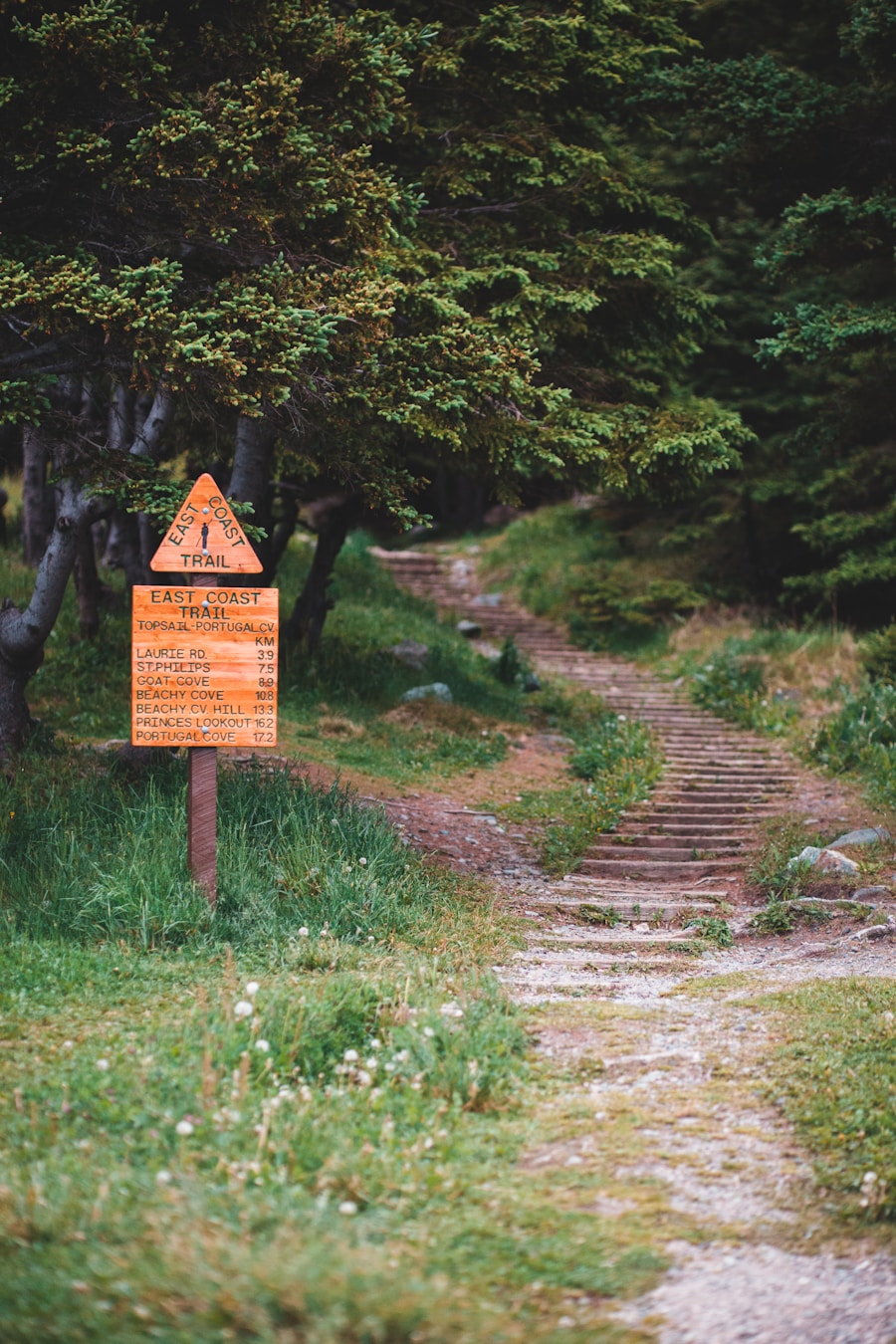
Choose an EPA-registered insect repellent that is labeled for ticks. CDC-recommended active ingredients found in registered skin-applied repellents include DEET, picaridin, IR3535, OLE, PMD, and 2-undecanone. There is no single “20% DEET minimum” that every hiker must use; the best choice depends on the product, the active ingredient, the protection time you need, and the label directions.
Apply repellent only where the label permits. For skin-applied products, cover exposed skin evenly without over-applying. Some products may also be labeled for use on clothing. For sprays used on the face, spray the product into your hands first and then apply it, avoiding the eyes and mouth. Never apply repellent over cuts, wounds, or irritated skin.
Reapply only as directed on the label. Sweating, swimming, and long periods outdoors can affect how long a product performs. The EPA advises following the product label rather than guessing at a reapplication schedule.
Pro Tip: Look for an EPA registration number on the repellent label. For children, adults should apply repellent to their own hands first and then put it on the child; avoid children’s hands, eyes, mouth, and irritated skin.
Staying on the Trail: How to Minimize Exposure to Ticks While Hiking
| Tick Prevention Step | Why It Helps |
| Wear long sleeves and pants | Reduces exposed skin and makes it harder for ticks to reach the body |
| Use an EPA-registered tick repellent | Adds chemical protection to exposed skin or clothing as allowed by the label |
| Stay in the center of the trail | Reduces contact with tall grass, brush, and leaf litter where ticks may be waiting |
| Avoid sitting directly in brush or leaf litter | Limits direct contact with common tick habitat |
| Check for ticks during and after the hike | Helps you find crawling or attached ticks sooner |
One of the most useful trail habits is simple: stay in the center of established paths. Ticks often live in grassy, brushy, wooded areas and leaf litter, so avoiding contact with trail-edge vegetation reduces opportunities for ticks to crawl onto you.
If you are hiking with a group, single-file travel can reduce unnecessary brushing against vegetation on narrow trails. A trekking pole or walking stick can help with balance and can help you move around obstacles without grabbing brush, but it should not replace protective clothing, repellent, or post-hike checks.
Do not plan your hike around the assumption that ticks are inactive at midday. A better strategy is to use prevention measures whenever you are in tick habitat.
Post-Hike Check: The Importance of Checking for Ticks After Your Hike
Conduct a full-body tick check as soon as practical after spending time outdoors. Use a mirror for hard-to-see places, and ask for help checking your scalp or back when needed. Pay close attention to the hair and hairline, in and around the ears, under the arms, inside the belly button, around the waist, between the legs, around the groin, and behind the knees.
Check children carefully and examine pets, coats, backpacks, and daypacks. Ticks can ride indoors on clothing or gear and attach later. The CDC recommends showering soon after coming indoors; showering within two hours can help wash off unattached ticks and gives you another chance to inspect your skin.
Check clothing before it goes into the house or laundry area. For dry clothing, CDC recommends tumble drying on high heat for 10 minutes. Damp clothing may need more time. If you wash clothing first, use hot water when the care label allows, because cold and medium-temperature water may not kill ticks.
How to Remove a Tick Safely
If you find a tick attached to your skin, remove it as soon as possible rather than waiting for a medical appointment. Prompt removal reduces the time the tick remains attached.
- Use clean, fine-tipped tweezers to grasp the tick as close to the skin’s surface as possible.
- Pull upward with steady, even pressure. Do not twist or jerk the tick.
- After removal, dispose of the tick in a sealed container, wrap it tightly in tape, flush it down the toilet, or place it in alcohol.
- Clean the bite area and your hands with soap and water, rubbing alcohol, or hand sanitizer.
- Note when and where the bite occurred, and watch for symptoms during the following days and weeks.
Warning: Do not use petroleum jelly, nail polish, heat, or similar substances to make a tick detach. CDC advises mechanical removal with tweezers instead.
The CDC’s guidance after a tick bite notes that commercial tick testing is generally not recommended for treatment decisions. In some situations, a healthcare professional may consider a single preventive dose of doxycycline after a high-risk blacklegged tick bite in an area where Lyme disease is common. That decision depends on the bite details and your medical situation, so contact a healthcare professional promptly if you are concerned.
Tick-Proofing Your Gear: Tips for Keeping Ticks Off Your Backpack and Gear
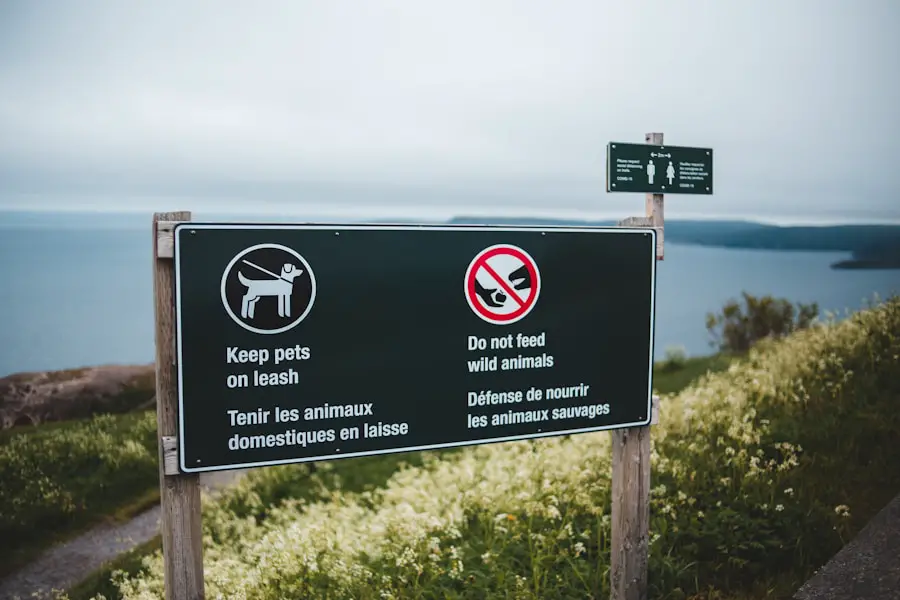
Ticks can ride home on backpacks, jackets, tents, and other equipment. Inspect gear before putting it in your car or home, especially items that rested in grass, brush, or leaf litter. Shaking out gear can help dislodge loose ticks, but a visual inspection is more reliable than shaking alone.
For clothing and washable gear, follow the care label and the CDC drying guidance above. For tents, sleeping bags, and backpacks that cannot tolerate high heat, inspect seams and folds carefully. A vacuum with a hose attachment can help remove loose debris and crawling ticks from compatible gear, but always follow the manufacturer’s care instructions.
When gear is clean and dry, storing it in a closed bin or bag can help keep it separated from untreated outdoor equipment. For future trips, properly labeled 0.5% permethrin products can be used on certain boots, clothing, tents, and gear according to their directions.
Creating a Tick-Safer Campsite or Resting Area
Choose an established campsite or resting spot that keeps you away from tall grass, dense brush, and heavy leaf litter when possible. Set your tent and seating on the designated durable surface rather than in vegetation. This reduces unnecessary contact with common tick habitat while also protecting the campsite.
The original idea of clearing vegetation or spreading wood chips or gravel is appropriate only in some managed residential yards, not as a general backcountry camping practice. On public land, follow local rules and Leave No Trace camping principles. Do not cut vegetation, rake away natural ground cover, or bring in landscaping material simply to create a “tick-free” zone.
Keep clothing and sleeping gear off brush and vegetation, inspect gear before bringing it into the tent, and check your body before getting into a sleeping bag. These steps are more practical and lower-impact than trying to modify a campsite.
Note: CDC’s wood-chip or gravel barrier advice is intended for reducing tick habitat around homes and lawns. In parks and backcountry areas, use established campsites and follow site-specific rules.
Knowing the Symptoms: How to Recognize and Respond to Tick-Borne Illnesses
Tick-borne illnesses can cause overlapping symptoms, including fever, chills, headache, fatigue, muscle aches, joint pain, and rash. Symptoms may begin days or weeks after a bite, and many people do not remember being bitten.
Lyme Disease Symptoms
Early Lyme disease can cause fever, chills, headache, fatigue, muscle and joint aches, swollen lymph nodes, and an expanding erythema migrans (EM) rash. According to CDC Lyme disease guidance, the EM rash usually appears 3–30 days after a bite and does not always look like a classic bull’s-eye. It may be round, oval, reddish, purplish, or otherwise variable in appearance.
Rocky Mountain Spotted Fever Symptoms
RMSF commonly causes fever and headache and may also cause nausea, vomiting, abdominal pain, muscle pain, loss of appetite, and rash. The rash often appears 2–4 days after fever begins, and some patients do not have an obvious rash early on. The disease can progress rapidly, so early medical evaluation matters.
When to Seek Medical Care
If you develop a fever, rash, severe headache, unusual fatigue, muscle pain, joint swelling, or other concerning symptoms in the days or weeks after a tick bite or tick exposure, contact a healthcare professional. Tell them when and where the exposure occurred. Do not wait for a rash if you feel seriously ill.
Warning: RMSF can become severe quickly. CDC advises that suspected RMSF be treated promptly; treatment should not be delayed while waiting for laboratory results.
Hiking With Children and Pets
Children need the same basic protection as adults: covered skin, EPA-registered repellent used according to the label, trail-center walking, and a careful post-hike check. Adults should apply repellent to children rather than letting young children handle the product. Avoid putting repellent on a child’s hands because children may touch their eyes or mouth.
Pets can also bring ticks into the home. Check dogs after outdoor trips and ask a veterinarian about an appropriate tick-prevention product. Cats can be especially sensitive to some chemicals, so never use a dog tick product or another pesticide on a cat unless a veterinarian or the product label specifically says it is safe for that animal.
Common Tick-Prevention Mistakes to Avoid
- Relying only on the time of day: Tick exposure varies too much by species and local conditions for “midday hiking” to replace prevention.
- Assuming all DEET products need the same concentration: Choose an EPA-registered product labeled for ticks and follow its protection-time and reapplication directions.
- Putting permethrin on skin: Clothing-and-gear permethrin products are not skin repellents.
- Checking only exposed skin: Ticks often crawl to hidden areas such as the scalp, waist, groin, armpits, and behind the knees.
- Waiting to remove a tick: Remove an attached tick promptly with tweezers.
- Trying to burn, smother, or coat the tick: Use steady mechanical removal instead.
- Assuming a Lyme rash must look like a bull’s-eye: EM rashes can look different, and some people have other symptoms without an obvious rash.
Good tick prevention works best as a routine rather than a single trick: dress for the habitat, use a properly labeled repellent, stay out of brush when possible, and make the post-hike check part of unpacking.
For other outdoor-trip planning, you may also find these existing site guides useful: rechargeable hand warmers for travel, the best ultralight tent for backpacking, and the best carry-on luggage for international travel. These gear topics are separate from tick prevention, so use the prevention steps above whenever you enter tick habitat.
Medical Note: This article provides general prevention information and is not a diagnosis or a substitute for personal medical advice. Seek professional care for concerning symptoms or questions about treatment after a tick bite.
Frequently Asked Questions
What are ticks and why are they a concern while hiking?
Ticks are blood-feeding arachnids. Some infected ticks can transmit germs that cause illnesses such as Lyme disease, RMSF, anaplasmosis, ehrlichiosis, and babesiosis. Hikers may encounter ticks in grassy, brushy, wooded areas and leaf litter.
How can I prevent ticks while hiking?
Wear long sleeves, long pants, socks, and closed shoes; use an EPA-registered repellent labeled for ticks; treat compatible clothing and gear with 0.5% permethrin; stay in the center of trails; avoid tall grass and brush; and check yourself thoroughly after the hike.
Are there specific areas where ticks are more prevalent?
Ticks commonly occur in grassy, brushy, wooded areas and leaf litter. Disease risk varies by region and tick species. Lyme disease is most common in the Northeast, mid-Atlantic, and upper Midwest, while other tick-borne illnesses have different geographic patterns.
What should I do if I find a tick attached to my body while hiking?
Remove it as soon as possible with clean, fine-tipped tweezers. Grasp it close to the skin and pull upward with steady, even pressure. Do not twist, jerk, burn, or smother the tick. Clean the bite area and your hands afterward.
Are there specific times of year when ticks are more active?
In the United States, tick exposure can occur year-round, but ticks are generally most active during warmer months, often from April through September. In warmer regions, activity can continue through winter, so prevention should be based on local conditions rather than the calendar alone.
How soon should I shower after hiking?
Shower as soon as practical after coming indoors. CDC notes that showering within two hours can help wash off unattached ticks and gives you a good opportunity to perform a full-body tick check.
Should I have a removed tick tested for disease?
CDC generally does not recommend commercial tick testing to make treatment decisions. A positive tick test does not prove that you were infected, and a negative result can create false reassurance. If you become ill, contact a healthcare professional and explain the timing and location of the bite.
Sources
- CDC — Preventing Tick Bites — clothing, trail avoidance, permethrin, showering, body checks, and dryer guidance.
- CDC — Preventing Lyme Disease — current Lyme prevention, geographic risk, pets, and post-exposure information.
- CDC — What to Do After a Tick Bite — prompt removal, tweezers, follow-up, and tick-testing guidance.
- CDC — Signs and Symptoms of Untreated Lyme Disease — early symptoms and the variable appearance of erythema migrans.
- CDC — RMSF Clinical Signs and Symptoms — symptom timing, rash limitations, and severity.
- U.S. EPA — Using Insect Repellents Safely and Effectively — application, child-safety, reapplication, and label guidance.

