
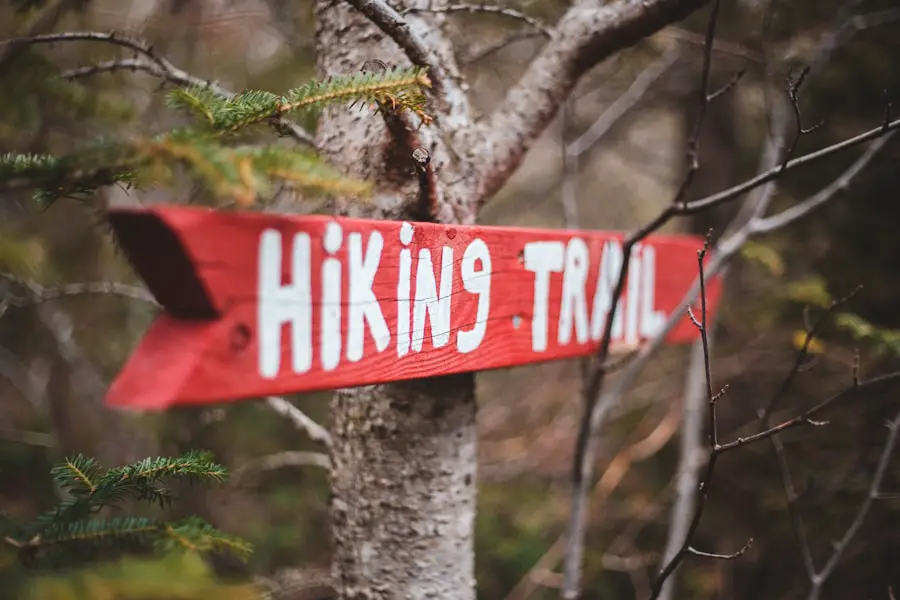
Last Updated on July 27, 2026 by Daniel Globe
Hiking combines simple movement with something many everyday walks do not offer: time on trails, changing terrain, natural scenery, and the chance to explore at your own pace. It can be an easy hour on a local nature path, a steep mountain climb, or a multi-day journey. People hike for exercise, adventure, social connection, reflection, and a break from ordinary routines.
Quick Answer
Hiking is walking in natural outdoor settings, usually on trails and often over uneven or hilly terrain. It can range from a short, easy nature walk to a demanding all-day or multi-day trip. People hike for exercise, scenery, challenge, social connection, mindfulness, and time away from everyday routines.
Key Takeaways
- Humans have traveled on foot for thousands of years, but hiking as organized recreation developed much later.
- Regular hiking can contribute to cardiovascular fitness, stronger muscles and bones, balance, and overall physical activity.
- Nature-based activity may support mood, stress reduction, and mental well-being, although hiking is not a substitute for medical or mental-health treatment.
- Hiking can also be social, adventurous, spiritual, or meditative depending on what a person wants from the experience.
- Good preparation, appropriate gear, trail etiquette, and low-impact practices make hiking safer and help protect natural areas.
Disclosure: As an Amazon Associate I earn from qualifying purchases. Some links on this page are affiliate links, at no extra cost to you.
What Is Hiking?
Hiking is recreational walking outdoors, usually on trails or routes through parks, forests, mountains, deserts, coastlines, or other natural areas. There is no single distance or difficulty that turns a walk into a hike. A gentle two-mile trail can be a hike just as much as a strenuous mountain route.
Terrain is one of the main differences between hiking and ordinary walking. Trails may include rocks, roots, loose soil, mud, snow, steep climbs, stream crossings, or long sections without services. Those conditions make route choice, footwear, weather awareness, navigation, and preparation more important than they are for a typical walk around a neighborhood.
Hiking, Walking, Trekking, and Backpacking
| Walking | A broad term for moving on foot. It can happen on streets, sidewalks, tracks, paths, or trails. |
| Hiking | Recreational walking outdoors, usually on natural trails and often involving hills or uneven terrain. |
| Trekking | A term commonly used for longer or more demanding journeys on foot, sometimes lasting several days. |
| Backpacking | Hiking while carrying the equipment needed for at least one overnight stay, such as shelter, sleep gear, food, and additional supplies. |
Hiking is also highly adaptable. Some people prefer flat, accessible paths near visitor centers, while others seek steep wilderness routes. Day hikes, summit hikes, section hikes, long-distance hikes, and overnight backpacking trips can all fit under the broader hiking experience.
A Brief History of Hiking
Walking itself is as old as humanity. Nomadic peoples, traders, hunters, pilgrims, messengers, and travelers crossed enormous distances on foot long before hiking became a leisure activity. Those journeys should not be confused with modern recreational hiking, however; for much of human history, long-distance walking was a practical necessity rather than a pastime.
Walking for enjoyment became more visible in Europe during the 18th and 19th centuries as Romantic writers and artists emphasized the beauty of mountains, forests, and uncultivated landscapes. Expanding cities, transportation networks, leisure time, walking clubs, and interest in scenic countryside helped outdoor walking develop into an organized recreational activity.
The development of protected landscapes also gave more people places to explore. In the United States, Yellowstone was established as a national park in 1872, helping launch a broader national-park movement.
Long-distance trails later became major symbols of recreational hiking. Benton MacKaye published his proposal for an Appalachian Trail in 1921. According to the Appalachian Trail Conservancy, the first A.T.-specific sections were completed in 1923, the Appalachian Trail Conference was established in 1925, and the route became fully connected from Maine to Georgia in 1937. The trail received federal protection as a National Scenic Trail in 1968.
The Pacific Crest Trail followed a different timeline. Ideas for a continuous western trail developed during the early 20th century, with organized promotion beginning in the 1930s. The Pacific Crest Trail Association records 1968 as the year the PCT was designated a National Scenic Trail. It was officially completed, though continuing improvements remained, in 1993.
By the second half of the 20th century, improved outdoor equipment, expanded trail systems, guidebooks, conservation organizations, and easier access to public lands helped hiking become a mainstream recreational activity. Today, people hike on every continent and for reasons ranging from fitness and wildlife viewing to pilgrimage, photography, community, and personal challenge.
Physical and Mental Benefits of Hiking
Hiking is a form of physical activity, and its intensity can vary dramatically. A smooth, nearly level trail may feel like a relaxed walk, while steep terrain, elevation gain, a heavy pack, or a fast pace can create a demanding workout.
The National Park Service highlights stronger muscles and bones, improved balance, and heart-health benefits among the physical advantages of hiking. More broadly, the CDC reports that regular physical activity supports heart health, bone health, healthy weight management, sleep, brain health, and a lower risk of several chronic diseases.
Hills and uneven ground also require the legs, hips, core, and stabilizing muscles to respond continually to changing surfaces. The exact training effect depends on the route, pace, pack weight, fitness level, and how often a person hikes.
Hiking can contribute to weight management because it uses energy, but it does not guarantee weight loss. Body size, food intake, duration, pace, elevation gain, and many other factors affect energy balance. Likewise, it is more accurate to say that hiking supports general mobility and balance than to claim that hiking automatically increases flexibility.
The mental-health picture is promising but should also be stated carefully. Physical activity itself can reduce short-term feelings of anxiety and is associated with better long-term mental health. Nature exposure may provide additional benefits. A large 2026 review of nature-based interventions found overall improvements in outcomes including anxiety, depressive symptoms, negative affect, and relaxation, while also noting substantial differences in study quality, intervention design, and comparison groups.
In a 2015 controlled study, healthy participants who took a 90-minute walk in a natural setting reported less rumination than participants who walked for the same amount of time in an urban setting.
The 2015 PNAS study is useful because it measured a specific outcome under controlled conditions. It does not prove that every hike will relieve depression or anxiety, but it supports the broader idea that the setting in which we walk can affect our psychological experience.
Note: Hiking can support physical and mental well-being, but it is not a substitute for medical or mental-health treatment. If you have a health condition, significant mobility limitation, or concerns about beginning strenuous exercise, choose an appropriate route and consider discussing the activity with a qualified healthcare professional.
The Spiritual Side of Hiking
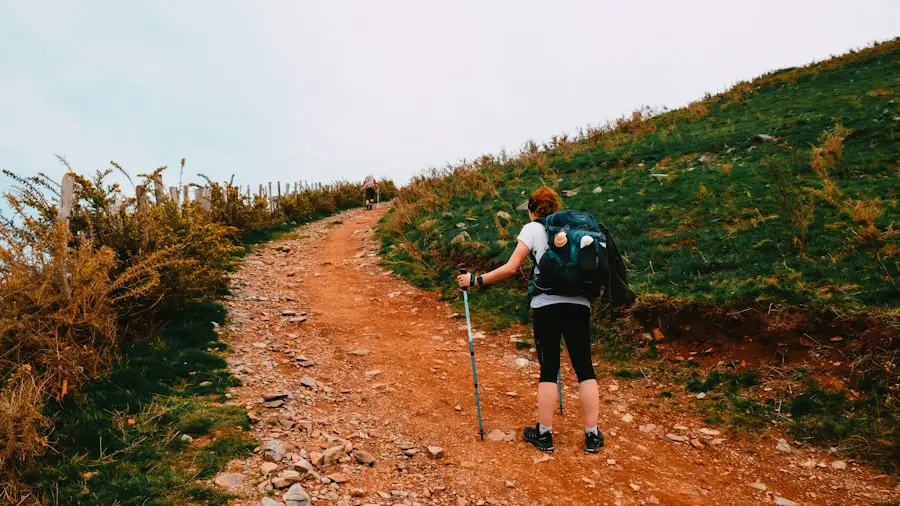
For some people, hiking means more than exercise. Time outdoors can create space for awe, gratitude, reflection, prayer, or a sense of connection with something larger than everyday concerns. Those experiences are personal rather than universal: one hiker may describe a mountain sunrise as spiritual, while another may simply enjoy the scenery and physical challenge.
The idea has deep historical roots. Pilgrimage routes around the world have long joined walking with religious or spiritual practice. Modern hikers may also treat a long trail as a personal journey, even when they do not follow a particular faith.
Remote trails can remove many of the usual demands on attention. There may be fewer notifications, fewer conversations, and fewer decisions about work or household responsibilities. That quieter setting can make it easier to notice thoughts, emotions, sounds, weather, and the scale of the surrounding landscape.
Nature can also inspire awe. Standing beneath old trees, looking across a canyon, watching clouds move over a ridge, or hearing only wind and birds can shift attention away from everyday worries. For some hikers, these moments encourage gratitude or humility. For others, they are simply memorable parts of being outdoors.
There is no requirement to make hiking spiritual. The value lies in allowing the experience to be whatever is meaningful to you.
Hiking as a Form of Meditation
| Potential Benefit | What the Evidence Supports |
| Stress relief | Systematic reviews have found reductions in perceived stress and, in some nature-exposure studies, changes in physiological stress markers such as cortisol. Results vary by study. |
| Less rumination | A 2015 controlled study found that a 90-minute nature walk reduced self-reported rumination compared with an urban walk. |
| Mindful attention | A quiet hike naturally provides opportunities to direct attention toward breathing, movement, sounds, textures, and other present-moment sensations. |
| Physical activity | The 2024 Compendium of Physical Activities lists roughly 3.8 METs for slow hiking through fields and hillsides, 5.3 METs at a normal pace, 6.0 METs for cross-country hiking, and 7.8 METs for hiking with a daypack. Individual energy expenditure varies. |
| Connection with nature | Hiking gives people extended direct contact with natural settings, which may support positive affect and a stronger subjective sense of connection with the outdoors. |
Mindful hiking does not require a special trail or formal meditation experience. The basic idea is to give more attention to what is happening now instead of mentally rushing toward the destination.
How to Practice Mindful Hiking
- Start slowly. Spend the first few minutes noticing your breathing and walking rhythm.
- Use your senses. Notice the feel of the trail, changes in temperature, birdsong, wind, plant scents, and light.
- Let thoughts pass. When your attention moves to work, worries, or plans, notice it without judging yourself and gently return attention to the trail.
- Pause safely. Stop at an appropriate viewpoint or wide section of trail and spend a minute observing without taking photos or checking your phone.
- Keep safety first. Mindfulness should increase awareness, not reduce it. Continue watching footing, weather, route markers, wildlife, and other trail users.
Pro Tip: You do not need to make an entire hike silent or meditative. Try a phone-free or conversation-free ten-minute section and pay deliberate attention to what you can see, hear, smell, and feel.
The Environmental Impact of Hiking
Hiking can deepen appreciation for natural areas, but heavy recreation also creates pressure. Repeated footsteps can widen trails and damage vegetation, shortcuts can increase erosion, food and litter attract wildlife, and careless behavior around animals can alter how they feed or move.
The goal is not to avoid nature. It is to enjoy it with as little unnecessary impact as possible. The Leave No Trace 7 Principles provide a widely used framework for minimizing recreation impacts.
Low-Impact Hiking Habits
- Check regulations, closures, weather, fire restrictions, and trail conditions before leaving.
- Use established trails and durable surfaces rather than creating shortcuts.
- Carry out trash, food scraps, and pet waste.
- Leave rocks, plants, historical objects, and other natural features where they are.
- Follow local rules for campfires and smoking.
- Give wildlife space and never feed wild animals.
- Keep excessive noise to a minimum and be considerate of other visitors.
Seasonal restrictions are especially important. A trail may close because of nesting wildlife, restoration work, wildfire danger, flooding, snow, heat, damaged bridges, or fragile soil. Checking the managing agency’s current information before each hike protects both hikers and the landscape.
Responsible hikers can also contribute by volunteering for trail work, supporting conservation organizations, reporting serious trail damage, and teaching new hikers how to reduce their impact.
The Social Side of Hiking
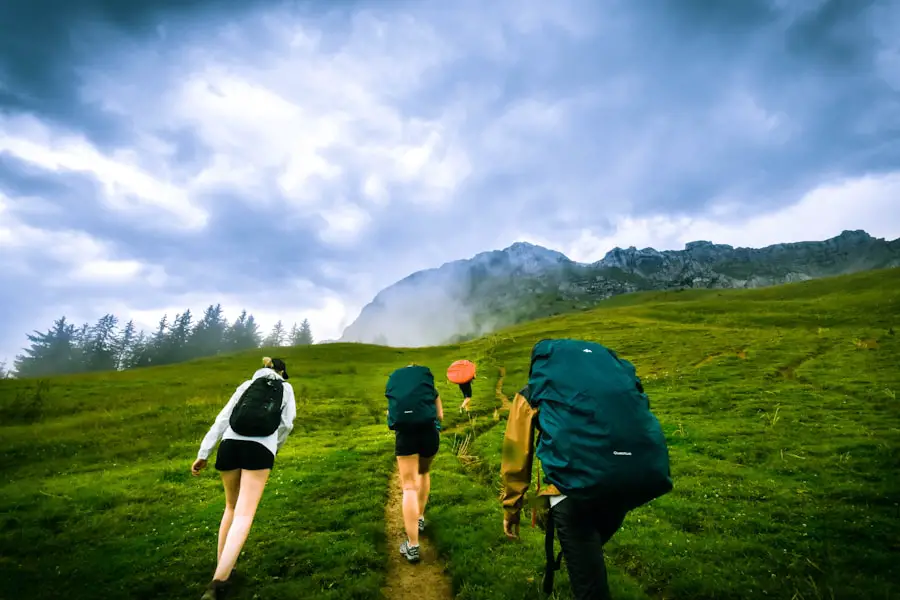
Hiking can be a shared experience that brings people together. Friends, families, clubs, guided groups, and community organizations often use hikes as a way to spend uninterrupted time together without many of the distractions found indoors.
A shared challenge can strengthen that connection. People encourage one another on steep sections, stop together for breaks, help with navigation, and celebrate reaching a viewpoint or completing a difficult route. Those small moments often become the most memorable part of a trip.
Group hikes can also connect people who might not otherwise meet. Conversations on a trail tend to unfold naturally, and participants already have at least one interest in common. Outdoor organizations increasingly offer beginner outings, accessible events, family hikes, and programs designed to make participation easier for people who have historically faced barriers to outdoor recreation.
Hiking does not have to be social, however. Some people deliberately hike alone for quiet or independence. Solo hiking can be rewarding, but it increases the importance of route planning, communication, navigation, and emergency preparation.
Hiking as Adventure and Personal Challenge
For many hikers, exploration is the main attraction. A new trail may pass through forest, desert, high mountains, coastlines, waterfalls, alpine lakes, or landscapes that look completely different from home.
The experience is not only about reaching a destination. Wildlife sightings, changing weather, difficult climbs, unexpected views, and the feeling of moving through a landscape under your own power are part of the adventure.
Longer or more remote hikes add another layer of challenge. They may require route planning, navigation, water treatment, food management, weather judgment, permits, overnight equipment, or an understanding of hazards such as heat, snow, altitude, stream crossings, or wildfire.
Those challenges can build confidence and problem-solving skills, but adventure should not mean ignoring risk. Turning around because of weather, fatigue, darkness, injury, or unsafe conditions is good judgment rather than failure.
How to Start Hiking Safely
Beginning hiking does not require an expensive equipment collection or a difficult mountain. A short, well-marked trail near home is often the best place to learn how your footwear feels, how quickly you walk on uneven terrain, how much water you use, and how your body responds to elevation gain.
Choose the Right Trail
Look at more than mileage. Elevation gain, altitude, trail surface, exposure, weather, river crossings, and navigation difficulty can make a short trail much harder than a longer flat one. Beginners should start below their maximum ability and gradually try longer or steeper routes.
Before leaving, check the official website or managing agency for current conditions, closures, permits, wildlife notices, fire restrictions, parking rules, and weather-related alerts.
Carry the Essentials
The National Park Service Hike Smart guidance recommends carrying the Ten Essentials and planning for unexpected delays. The categories include:
- Navigation
- Sun protection
- Insulation or extra clothing
- Illumination such as a headlamp
- First-aid supplies
- Fire-starting equipment where appropriate and legal
- Repair tools
- Extra food
- Extra water or a way to make water safe
- Emergency shelter
The exact contents should match the hike. A short popular trail near town does not require the same equipment as an isolated mountain route, but even easy outings can be delayed by an injury, navigation mistake, weather change, or unexpected darkness.
Leave a Trip Plan
Tell a trusted person where you are going, the route or trailhead you plan to use, who is with you, and when you expect to return. In areas without reliable cell service, do not assume a phone alone can summon help.
Bring Enough Food and Water
Water needs vary with heat, humidity, altitude, distance, effort, body size, and individual health. Research the route instead of relying on a universal amount. Do not assume streams or springs are available or safe to drink untreated.
Carry food appropriate for the length of the outing and keep some extra for delays. Longer hikes require more careful planning for calories, electrolytes, and water treatment.
Watch the Time and Be Willing to Turn Around
Track how long the return trip will take, especially when the route involves a long climb or when daylight is limited. Set a turnaround time before conditions become urgent. A summit, waterfall, or viewpoint will still be there another day.
Warning: Weather, trail conditions, wildfire, heat, snow, high water, altitude, and individual health can turn an ordinary hike into an emergency. Check current conditions, stay within your abilities, carry appropriate essentials, and turn around when conditions become unsafe.
Choosing Clothing and Gear
Good hiking gear is gear that fits the route and conditions. Comfortable footwear matters more than whether the label says “hiking boot.” Easy maintained trails may be comfortable in supportive athletic or trail shoes, while rough terrain, snow, mud, heavy packs, or personal ankle-support preferences may call for more substantial footwear.
Wear clothing that allows you to move comfortably and bring layers appropriate for temperature changes. A backpack should hold water, food, navigation tools, weather layers, first aid, and other essentials without forcing you to carry unnecessary weight.
Optional equipment depends on your interests. Durable traveler pants can be useful when you want abrasion resistance, pockets, or clothing that works both on and off the trail. Photographers may prefer one of the best travel camera backpacks for protecting equipment while walking.
A travel humidor is a niche travel accessory rather than essential hiking equipment. Anyone carrying tobacco products should check the land manager’s smoking and fire rules, which may become especially strict during periods of high wildfire danger, and should pack out all related waste.
The Future of Hiking
Hiking remains valuable even as daily life becomes more digital and urban. Trails offer something difficult to reproduce on a screen: movement through a real landscape, changing weather, physical effort, natural sounds, and an environment that cannot be scrolled past in seconds.
Technology is also changing how people hike. Digital maps, GPS devices, satellite communication, online trail reports, weather tools, and downloadable navigation can make planning easier. They should support basic preparation rather than replace it. Batteries fail, devices break, and online information can be outdated, so hikers still need to understand their route and current conditions.
Environmental change will influence hiking as well. Wildfire, extreme heat, storms, drought, flooding, erosion, invasive species, and shifting snow conditions can affect when trails are safe or open. Responsible recreation will increasingly require hikers to check current information rather than assuming a familiar trail will be the same from one season to the next.
Outdoor education can also help future generations build a healthier relationship with natural spaces. Schools, families, clubs, parks, and community organizations can introduce young people to trails while teaching navigation, wildlife respect, safety, and conservation.
Hiking is therefore likely to remain both a personal activity and a shared cultural practice. Its form may change with technology and environmental pressures, but the basic experience remains simple: moving through the outdoors on foot, paying attention to the landscape, and choosing how much challenge, companionship, reflection, or adventure to bring to the journey.
Frequently Asked Questions
What is hiking?
Hiking is recreational walking outdoors, usually on natural trails or routes through parks, forests, mountains, deserts, coastlines, or similar landscapes. A hike can range from a short, easy nature trail to a strenuous all-day or multi-day trip.
What are the benefits of hiking?
Hiking provides physical activity that can support cardiovascular health, muscles, bones, balance, sleep, and healthy weight management. Time in nature may also help reduce stress and support mood and mental well-being. The effects vary by the person, trail, intensity, and frequency.
What equipment do I need for hiking?
For a typical day hike, start with comfortable footwear, weather-appropriate clothing, a backpack, water, food, navigation, sun protection, first aid, and emergency supplies suited to the route. The National Park Service recommends using the Ten Essentials as a baseline and adjusting your equipment for location, weather, difficulty, and trip length.
How do I prepare for a hike?
Research the route, mileage, elevation gain, expected conditions, regulations, closures, and weather. Pack appropriate food, water, clothing, navigation, and emergency essentials. Tell someone your route and expected return time, start early enough to finish safely, and be willing to turn around if conditions or fatigue make continuing unsafe.
What are some popular hiking destinations?
Popular hiking areas include Yosemite and many other U.S. national parks, the Inca Trail region in Peru, the Swiss Alps, and walking and hiking routes associated with the Great Wall of China. Conditions, permits, seasonal access, guide requirements, and trail rules vary widely, so check the official local information before planning a trip.
What is the difference between hiking and walking?
Walking is the broader activity and can happen almost anywhere. Hiking usually means recreational walking in a natural setting, often on trails with uneven ground, hills, changing weather, or fewer nearby services. There is no official minimum distance that turns a walk into a hike.
Is hiking safe for beginners?
Yes, when beginners choose routes suited to their fitness and experience and prepare for the conditions. Start with a short, well-marked trail, check weather and closures, carry appropriate essentials, tell someone your plan, and increase distance and difficulty gradually.
Sources
- CDC — Health Benefits of Physical Activity for Adults — physical-activity, cardiovascular, bone, brain, sleep, and mental-health benefits.
- Proceedings of the National Academy of Sciences — Nature Experience Reduces Rumination — controlled research comparing a 90-minute nature walk with an urban walk.
- National Park Service — Hike Smart — trail planning, trip plans, food, water, equipment, pace, and hiking safety.
- Appalachian Trail Conservancy — ATC History — Appalachian Trail proposal, construction, completion, and protection timeline.
- Pacific Crest Trail Association — History — PCT origins, 1968 National Scenic Trail designation, and later development.
- Leave No Trace — 7 Principles — minimum-impact practices for responsible outdoor recreation.

