
Last Updated on September 10, 2026 by Daniel Globe
Hiking combines physical activity, changing terrain, fresh air, and time outdoors in a way few other activities can. An easy nature trail can be a gentle form of exercise, while a steep mountain route can challenge your heart, legs, balance, and endurance. Just as important, hiking gives many people time to slow down, connect with nature, and step away from everyday distractions.
Quick Answer
Hiking can improve cardiovascular fitness, strengthen muscles and bones, support balance, and contribute to regular physical activity. Time outdoors may also reduce stress and support mood and mental well-being. The benefits depend on the trail, pace, frequency, and your fitness level, so choose routes that match your abilities.
Key Takeaways
- Hiking can improve heart health, endurance, muscle strength, balance, and bone health as part of an active lifestyle.
- Physical activity can reduce short-term feelings of anxiety, while time in nature may support stress relief, mood, and mental well-being.
- Trail difficulty varies widely. Hiking is not automatically easy or low-risk simply because it involves walking.
- Hiking can create opportunities for mindfulness, reflection, shared experiences, friendships, and community involvement.
- Safe hiking starts with choosing an appropriate route, checking conditions, carrying essential supplies, and knowing when to turn around.
- Responsible hikers stay on durable surfaces, dispose of waste properly, respect wildlife, and follow local regulations.
Disclosure: As an Amazon Associate I earn from qualifying purchases. Some links on this page are affiliate links, at no extra cost to you.
What Is Hiking?
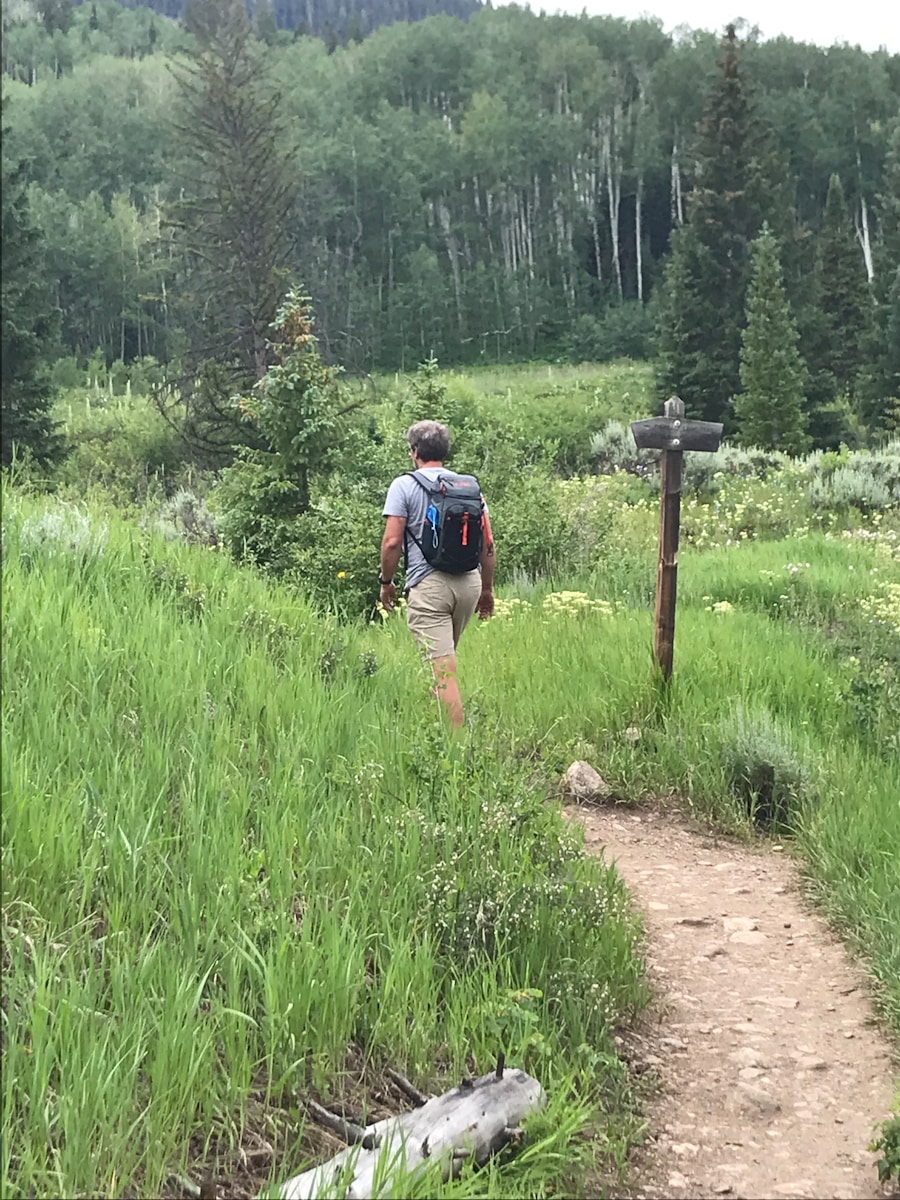
Hiking is walking outdoors for recreation, exercise, exploration, or travel, usually on trails or natural terrain. A hike might be a short walk through a local forest, a half-day trip through rolling hills, or a demanding climb over steep mountain terrain.
The line between hiking and ordinary walking is not rigid. Walking often describes everyday movement on roads, sidewalks, or relatively level paths, while hiking usually involves natural settings and may include elevation changes, rocks, roots, mud, or other uneven surfaces. Backpacking goes a step farther by carrying the equipment needed for an overnight or multi-day trip.
Note: Hiking difficulty matters more than the label. A paved nature path may be easy enough for many beginners, while a steep high-elevation trail can require considerable fitness, preparation, and outdoor experience.
Physical Health Benefits of Hiking
Hiking is a practical way to add aerobic activity to your week. As your pace, elevation gain, and trail difficulty increase, your heart and lungs work harder to supply your muscles with oxygen. The National Park Service lists stronger muscles and bones, better balance, and improved heart health among the physical benefits associated with hiking.
Your legs do most of the work, especially the quadriceps, hamstrings, calves, and glutes. Uneven terrain also requires the muscles around your ankles, hips, and core to make frequent small adjustments for balance. Trekking poles can involve the upper body and may also provide extra points of contact on suitable terrain.
Hiking can therefore feel like a full-body activity, but the workout varies greatly. A flat one-mile trail and a six-hour mountain hike do not place the same demands on the body.
Hiking and Current Physical Activity Guidelines
The U.S. Department of Health and Human Services recommends that adults aim for at least 150 to 300 minutes of moderate-intensity aerobic activity each week, along with muscle-strengthening activity on at least two days. A hike that raises your breathing and heart rate to a moderate intensity can count toward that aerobic total.
You do not need an extreme mountain hike to benefit from being active. Consistent moderate activity matters more than turning every outing into an endurance challenge.
Regular physical activity is linked to lower risks of heart disease, stroke, type 2 diabetes, depression, and several cancers. It also supports bone health and helps reduce the risk of excess weight gain, according to the Centers for Disease Control and Prevention. Hiking is one of many activities that can help you build that regular movement into your life.
Is Hiking a Low-Impact Exercise?
Some easy hikes can be relatively gentle compared with running, jumping, or other high-impact exercise, but hiking should not automatically be described as low-impact. Rocky ground, steep descents, long distances, high altitude, and a loaded backpack can place substantial demands on your feet, ankles, knees, hips, and cardiovascular system.
Natural surfaces are not necessarily safer than pavement. Dirt can feel softer underfoot, but roots, loose rocks, mud, snow, water crossings, and uneven slopes introduce other risks. The best approach is to match the route to your ability rather than assuming that every hike is suitable for every fitness level.
Physical activity also supports stronger bones and better physical function over time. For people with arthritis or other chronic conditions, the right amount and type of activity can be beneficial, but the appropriate trail and intensity depend on the individual.
Warning: Hiking conditions can change quickly. People with significant heart, breathing, balance, mobility, or other health concerns should choose routes carefully and consider discussing strenuous or high-altitude hiking plans with a qualified healthcare professional.
The Mental and Emotional Rewards of Hiking
Hiking can benefit mental well-being through two overlapping pathways: physical activity and exposure to natural surroundings. The CDC reports that a single session of moderate-to-vigorous activity can reduce short-term feelings of anxiety, while regular physical activity is associated with a lower risk of depression and better sleep.
Nature may add another dimension. A 2024 meta-analysis indexed by PubMed found beneficial effects from nature exposure in adults with symptoms of mental illness, including effects on stress, depressive symptoms, mood, and quality of life. Earlier research has also examined physiological stress markers such as cortisol, blood pressure, and heart-rate measures.
That does not mean every hike will instantly remove stress or depression. Mental-health responses differ from person to person, and research findings depend on the population, setting, duration, and type of nature exposure being studied. Hiking is best viewed as one potentially helpful part of a healthy routine, not a replacement for professional mental-health care when it is needed.
Hiking can also create valuable mental space. Walking away from phones, traffic, notifications, and routine responsibilities may make it easier to think without constant interruption. Some hikers use quiet trail time to reflect on decisions, process emotions, or simply let their attention rest on what is happening around them.
Pro Tip: You do not have to hike fast to gain a mental break. Try putting your phone away for part of the route, pausing at a safe viewpoint, and noticing what you can hear, see, and feel around you.
Connecting with Nature: The Spiritual Aspect of Hiking
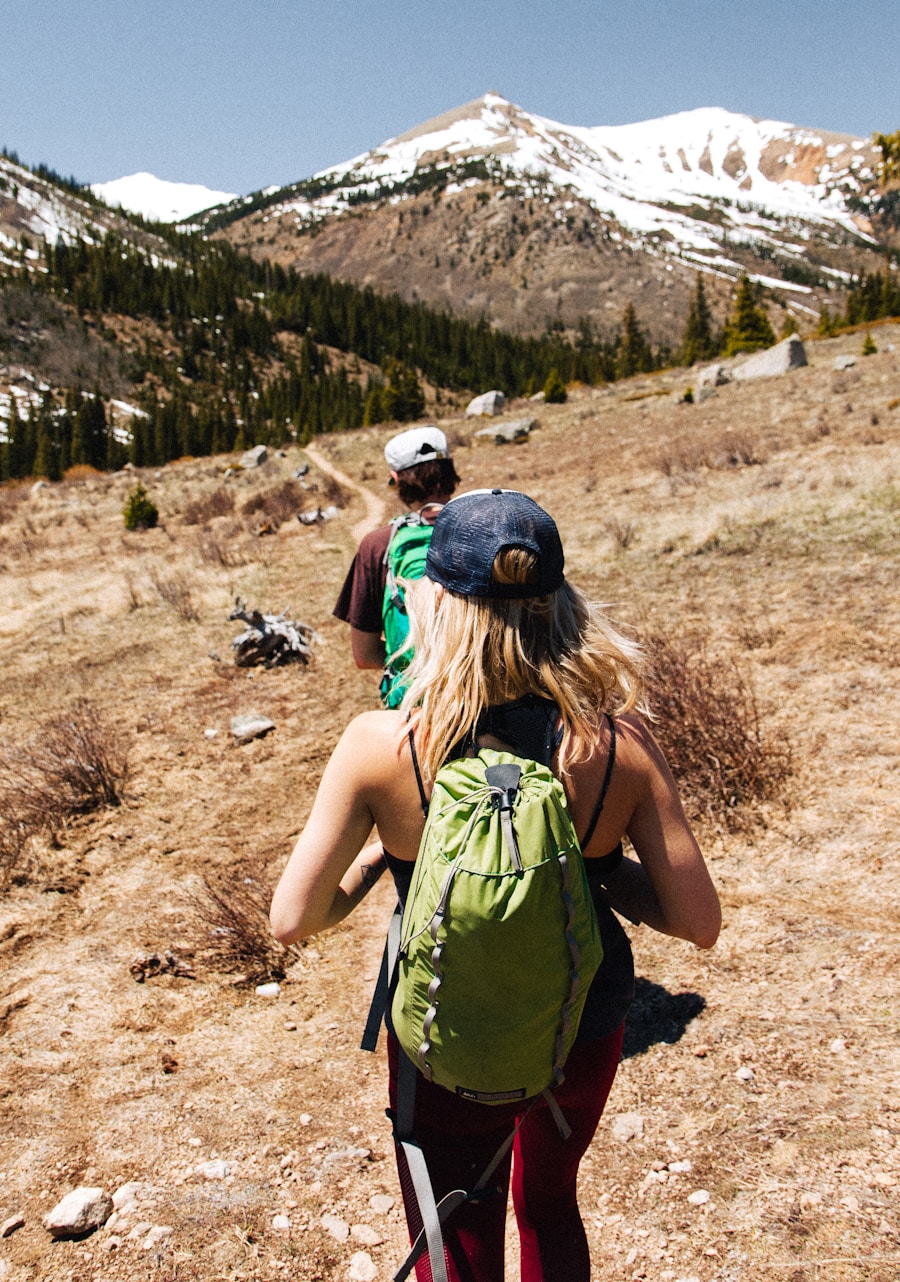
The spiritual side of hiking is personal rather than something that can be measured the same way as heart rate or exercise time. For many people, however, being surrounded by mountains, forests, rivers, or open sky creates a strong sense of awe and perspective.
A sunrise from a mountain ridge, the quiet of a forest, or the scale of a wide landscape can make everyday worries feel smaller for a while. Some hikers describe that experience in religious or spiritual terms. Others simply feel more connected to nature, more grateful, or more aware of the world around them.
For some people, a long hike can even take on the character of a personal pilgrimage. Repeated steps, fewer distractions, and extended time outdoors can create room for reflection and self-discovery.
Mindfulness can deepen that experience. Instead of rushing toward the destination, hikers can notice small details: wind through trees, changing light, birdsong, the texture of the trail, or the rhythm of breathing. The benefit is not that everyone will have a profound spiritual experience, but that hiking provides an environment in which attention can shift away from constant digital and everyday demands.
Hiking as a Social Activity: Building Relationships and Community
Hiking can be both a solitary activity and a social one. Going out with friends, relatives, a partner, or a local group creates shared time without many of the distractions that surround indoor social activities.
| Social Aspect | Evidence-Based Takeaway |
| Hiking Groups | Clubs, park programs, community groups, and informal hiking groups can give people opportunities to meet others with similar outdoor interests. |
| Hiking With Friends | A shared hike creates time for conversation, cooperation, encouragement, and shared memories. |
| Organized Hiking Events | Guided hikes, volunteer trail days, outdoor clubs, and conservation events can combine recreation with community participation. |
| Making New Friends | Group hikes provide repeated opportunities to meet people who already share an interest in nature and outdoor recreation. |
| Mental Well-Being | Physical activity, nature exposure, and social connection can all support well-being, although the effect differs from person to person. |
The National Park Service also highlights the relational side of hiking, noting that walking a trail together can help people spend meaningful time with friends and family.
Shared challenges can strengthen those bonds. Hikers may help one another read a route, set an appropriate pace, take breaks, or work through a difficult section of trail. Those small moments of cooperation can make an outing more memorable.
Hiking can also open the door to community involvement. Trail-maintenance days, conservation projects, guided nature walks, and outdoor clubs let people combine recreation with service. Connections that begin on a trail can continue through other events, volunteer work, or future hikes.
Exploring New Terrain: The Adventure of Hiking
One of hiking’s biggest attractions is the chance to see places that cannot always be reached from a road or parking lot. Trails may lead to viewpoints, waterfalls, lakes, forests, desert formations, coastlines, and other landscapes that reward the effort of reaching them on foot.
Each trail also presents a different combination of distance, elevation, terrain, weather, and navigation. Those variables can provide a healthy sense of challenge when the route is appropriate for your skills.
Trying progressively harder trails can build confidence. A beginner might start with a short, well-marked path and later work up to longer routes with more climbing. Finishing a hike that once seemed difficult can be a concrete reminder that endurance and outdoor skills improve through practice.
The goal, however, should not be to push through every challenge. Turning around because of worsening weather, fatigue, an injury, lost time, or unsafe trail conditions is good judgment, not failure.
Hiking as a Form of Meditation and Mindfulness
Hiking naturally gives people opportunities to practice mindfulness because walking has a steady rhythm and trails constantly provide sights, sounds, smells, and physical sensations to notice.
You might focus for a few minutes on your footsteps, breathing, the movement of trees, birdsong, flowing water, or the feel of the air. This kind of present-moment attention can interrupt the cycle of thinking about yesterday’s problems or tomorrow’s tasks.
The sound of leaves underfoot, the scent of trees, changing light, and distant views can make a hike feel immersive. Some people use quiet stretches of trail to practice gratitude, reflect on priorities, or simply observe without trying to solve anything.
There is no requirement to meditate formally. Walking without headphones for part of the hike and deliberately noticing the environment can be enough to create a more mindful experience.
How to Start Hiking Safely
The benefits of hiking are easier to enjoy when preparation matches the route. The National Park Service’s Hike Smart guidance recommends choosing trails that fit the abilities of the group, checking weather and park alerts, preparing for changing conditions, and carrying appropriate equipment.
Choose a Trail That Matches Your Ability
Look beyond mileage. Elevation gain, steepness, trail surface, altitude, exposure, stream crossings, temperature, and the availability of shade can turn a short route into a demanding hike.
Beginners are usually better served by a well-marked route with manageable distance and elevation rather than choosing a trail because its viewpoint looks impressive online.
Check Conditions Before Leaving
Review the current weather forecast, trail closures, fire restrictions, flood risk, wildlife notices, and any local regulations. Conditions can change with the season and may be very different from what an older trail review describes.
Leave a Trip Plan
Tell a trusted person where you are going, which route you expect to take, who is with you, and when you expect to return. Cell coverage is unreliable in many outdoor areas, so a phone should not be treated as your only emergency plan.
Carry the Ten Essentials
The National Park Service recommends the Ten Essentials as a basic emergency-preparedness system:
- Navigation
- Sun protection
- Insulation or extra clothing
- Illumination such as a headlamp
- First-aid supplies
- Fire-starting equipment where appropriate and permitted
- Repair kit and tools
- Extra food
- Water and water-treatment supplies
- Emergency shelter
Your exact equipment should reflect the environment and length of the hike. A short urban nature trail and a remote backcountry route do not require identical preparation.
Wear Appropriate Footwear and Clothing
Footwear should fit well and provide traction appropriate for the surface. Dress for the forecast but carry layers when conditions can change. Moisture-managing socks can make longer hikes more comfortable, and sun or rain protection may be necessary even on relatively short outings.
Set a Turnaround Time
Do not let reaching a viewpoint or summit become more important than getting back safely. Keep track of daylight, distance, weather, food, water, and how everyone in the group feels. Turn around before a manageable problem becomes an emergency.
Pro Tip: For your first few hikes, increase one challenge at a time. Add distance, elevation, rougher terrain, or a heavier pack gradually instead of increasing everything at once.
Environmental Awareness and Conservation: The Importance of Hiking Responsibly
Hiking can create a stronger appreciation for natural places, but visiting those places also comes with responsibility. Trails, alpine plants, desert soils, shorelines, and wildlife habitats can be damaged when large numbers of visitors leave established routes or dispose of waste improperly.
The Leave No Trace Seven Principles provide a practical framework for reducing that impact. They include planning ahead, traveling and camping on durable surfaces, disposing of waste properly, leaving what you find, minimizing campfire impacts, respecting wildlife, and being considerate of other visitors.
For day hikers, several habits make an immediate difference:
- Use established trails and durable surfaces where required or appropriate.
- Pack out food wrappers, tissues, pet waste, and other trash.
- Follow local rules for human waste, fires, pets, and camping.
- Do not feed or approach wildlife.
- Leave plants, rocks, artifacts, and natural objects where you find them.
- Avoid creating unofficial shortcuts that damage vegetation and contribute to erosion.
- Keep noise at a reasonable level and share the trail respectfully.
Many hikers become more interested in conservation after seeing natural areas firsthand. That interest can lead to trail-maintenance volunteering, habitat restoration, support for parks, or simply better habits during future trips.
Note: Local rules take priority over general outdoor advice. Waste disposal, food storage, pets, fires, permits, and wildlife precautions can differ dramatically between parks and ecosystems.
Overcoming Challenges: The Resilience and Growth That Can Come From Hiking
Hiking often involves manageable challenges: a long climb, tired legs, changing temperatures, an unfamiliar route, or the mental effort of continuing when the destination still feels far away. Working through appropriate challenges can build confidence and patience.
A difficult but safely completed hike provides direct feedback. You learn how your body responds to climbing, how much water or food you tend to need, what equipment works well, and how quickly you move over different terrain.
Those lessons can build self-reliance. Planning, adapting to changing conditions, staying calm when something does not go as expected, and making a responsible decision to turn around are useful skills on and off the trail.
Resilience does not mean ignoring pain, dangerous weather, dehydration, exhaustion, or other warning signs. Good hikers adjust their plans. Sometimes the strongest decision is to stop, rest, change the route, or return another day.
How Often Should You Hike?
There is no single hiking schedule that everyone needs to follow. The right frequency depends on your fitness, the difficulty of the route, recovery needs, available time, and other exercise you already do.
If your hikes reach a moderate aerobic intensity, they can contribute toward the federal target of 150 to 300 minutes of moderate activity per week. Hiking does not have to supply all of that activity, and it does not replace the recommendation to include muscle-strengthening exercise during the week.
Consistency is more useful than occasional overexertion. A person who is new to hiking can start with manageable outings, see how their body responds, and gradually increase distance or elevation as fitness and trail skills improve.
If you enjoy hiking, you may also be interested in checking out this article on the best travel fishing pole. A compact fishing setup can add another activity to appropriate outdoor trips where fishing is permitted. A comfortable pair of merino wool travel socks may also be useful for managing moisture and comfort during travel and hiking. And for travelers who enjoy cigars, a travel humidor can help protect them while away from home.
Love travel? Join Our Facebook Community For More Tips.
Frequently Asked Questions
What is the definition of hiking?
Hiking is recreational walking outdoors, usually on trails or natural terrain. It can range from a short, easy nature walk to a long and strenuous mountain route. Backpacking generally refers to hiking while carrying equipment for an overnight or multi-day trip.
What are the benefits of hiking?
Hiking can improve cardiovascular fitness, strengthen muscles, support bone health and balance, and contribute to regular aerobic activity. It can also provide time in nature, social connection, stress relief, mindfulness, and a sense of exploration. Benefits vary with the difficulty, pace, frequency, and individual.
What equipment do I need for hiking?
At minimum, choose footwear and clothing appropriate for the route and conditions. For outdoor trails, the National Park Service recommends preparing with the Ten Essentials: navigation, sun protection, insulation, illumination, first aid, fire equipment where appropriate, repair tools, extra food, water and treatment supplies, and emergency shelter. Adjust your gear to the location, weather, duration, and remoteness of the hike.
How do I prepare for a hike?
Choose a route that matches your fitness and experience, check current weather and trail alerts, review the distance and elevation, carry appropriate food and water, pack emergency essentials, and tell someone your planned route and return time. Give yourself enough daylight and be prepared to turn around if conditions deteriorate.
Is hiking good exercise?
Yes. Hiking can provide aerobic exercise and challenge the muscles of the legs, hips, and core. Hills and uneven terrain generally increase the workload. A hike performed at moderate intensity can contribute toward recommended weekly aerobic activity, although hiking does not replace dedicated muscle-strengthening exercise.
Is hiking suitable for beginners?
Yes, when the trail matches the person’s ability. Beginners should start with manageable distance and elevation on a clearly marked route, then increase the challenge gradually. Trail mileage alone does not determine difficulty, so also check elevation gain, terrain, weather, altitude, and current conditions.
What are some popular hiking destinations?
Well-known hiking destinations include the Appalachian Trail in the United States, the Inca Trail in Peru, the Tour du Mont Blanc through France, Italy, and Switzerland, the Milford Track in New Zealand, and routes to Everest Base Camp in Nepal. These vary greatly in length, altitude, permits, logistics, and required experience, so each trip needs destination-specific planning.
Sources
- Centers for Disease Control and Prevention — Health Benefits of Physical Activity for Adults — supports the cardiovascular, bone, anxiety, depression-risk, and chronic-disease information.
- U.S. Department of Health and Human Services — Physical Activity Guidelines for Americans — supports the 150–300 minutes of moderate aerobic activity and twice-weekly strengthening guidance.
- National Park Service — Benefits of Hiking — supports hiking’s physical, mental, and relational benefits.
- National Park Service — Hike Smart — supports trail selection, weather checks, trip planning, equipment, and hiking-safety guidance.
- PubMed — 2024 Meta-Analysis of Nature Exposure and Mental Health — supports the discussion of nature exposure, stress, mood, and mental well-being.
- Leave No Trace — Seven Principles — supports responsible trail use and minimum-impact outdoor practices.
