Last Updated on July 27, 2026 by Daniel Globe
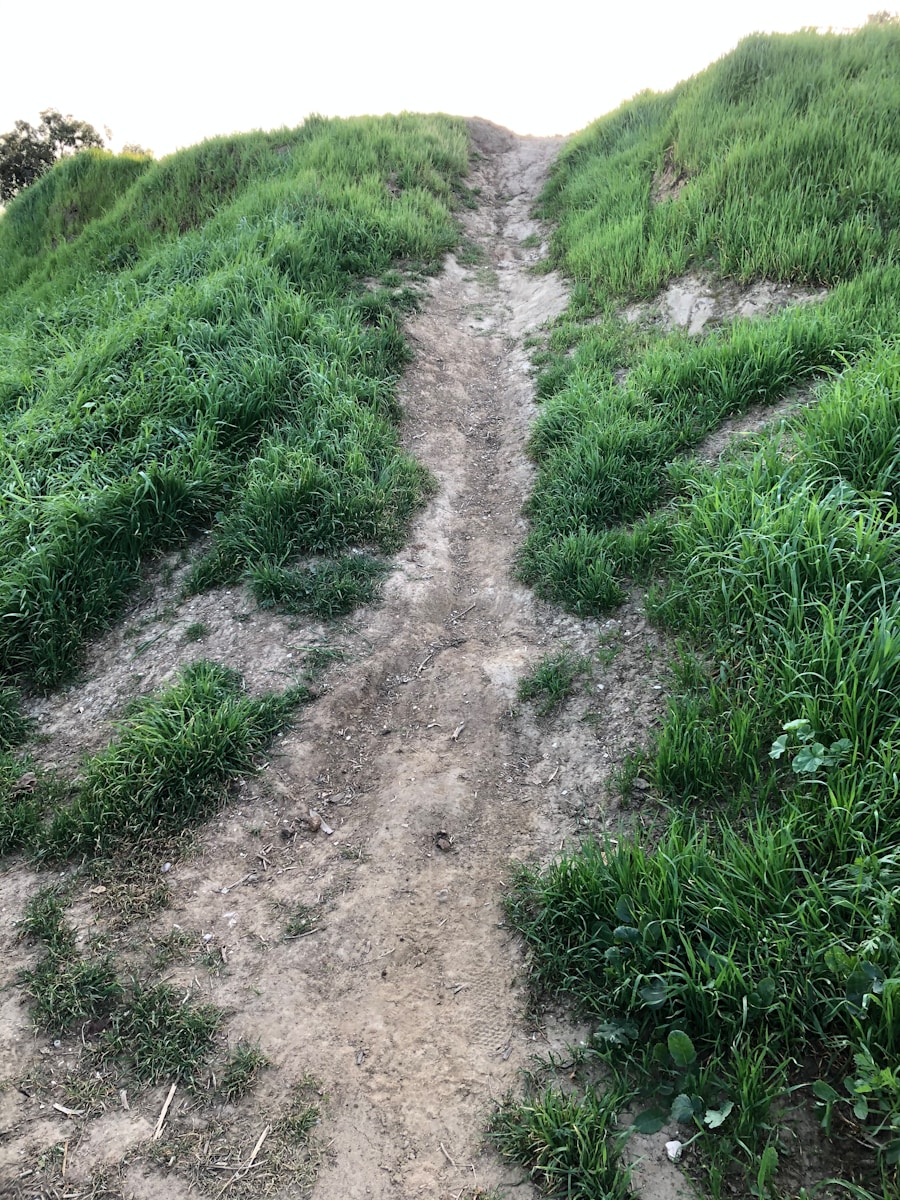
People enjoy hiking for many different reasons. Some go for the exercise, some want quiet time in nature, and others enjoy the challenge of reaching a viewpoint or exploring a trail they have never seen before. Hiking can be social or solitary, easy or demanding, and as simple as a short walk through a local park.
Quick Answer
People like hiking because it combines exercise, nature, exploration, challenge, and time away from daily distractions. It can support cardiovascular fitness, strength, balance, and mood while offering social time or solitude. The appeal is flexible: a hike can be an easy local walk, a demanding mountain day, or anything in between.
Key Takeaways
- Hiking combines physical activity with time outdoors and can support heart health, muscle and bone health, balance, and mental well-being.
- Many people hike for scenery, quiet, adventure, personal challenge, friendship, or a break from screens and routine.
- A safe hike starts with choosing a trail that matches your ability and checking weather, trail conditions, closures, permits, and local hazards.
- Navigation, water, food, extra clothing, first aid, light, sun protection, emergency shelter, and other essential supplies matter even on day hikes.
- Good trail etiquette means following posted rules, respecting wildlife, minimizing your impact, and sharing the trail courteously.
Disclosure: As an Amazon Associate I earn from qualifying purchases. Some links on this page are affiliate links, at no extra cost to you.
Why People Like Hiking: Physical and Mental Benefits
Hiking is a form of physical activity that can range from a gentle walk to a strenuous mountain climb. Because trails may include hills, rocks, roots, and uneven ground, hiking often asks the legs and core to work harder than walking on a smooth, level surface. Trekking poles, scrambling, and carrying a pack can involve the upper body as well.
Physical Benefits of Hiking
Regular physical activity supports cardiovascular health, stronger muscles and bones, balance, and healthy weight management. Hiking can contribute to these benefits when the trail, pace, and duration provide an appropriate level of activity. The Centers for Disease Control and Prevention also notes that regular physical activity lowers the risk of several chronic diseases.
Hiking should not be treated as a guaranteed weight-loss method. Physical activity increases energy use, but body weight is affected by food intake, activity, health, and other individual factors.
For general health, the CDC recommends that adults work toward at least 150 minutes of moderate-intensity aerobic activity each week, along with muscle-strengthening activity on two days. A brisk hike can contribute to the aerobic portion when it reaches moderate intensity.
Mental and Emotional Benefits
Hiking also appeals to people because it can create space between them and everyday demands. Walking, natural scenery, and fewer digital distractions may help some hikers feel calmer and more focused. The National Park Service describes hiking as an activity that can support both physical exercise and mental well-being.
Research on nature exposure is promising, but the effects are not identical for everyone. It is safer to say that time outdoors may reduce perceived stress and support mood than to promise a specific drop in cortisol or claim that hiking treats anxiety or depression.
There is also research suggesting that longer periods immersed in nature can support creative thinking. However, studies have sometimes combined nature exposure with several days away from phones and other technology, so it is difficult to credit hiking alone. In everyday life, the practical benefit may simply be having uninterrupted time to think.
Note: Hiking can support well-being, but it is not a substitute for medical or mental-health care. People with health conditions that may be affected by exertion, heat, cold, or altitude should follow appropriate medical advice when choosing activities.
Connecting with Nature: The Beauty and Serenity of the Outdoors
The outdoor setting is one of hiking’s biggest attractions. One trail may pass through a shaded forest, another may cross open desert, and another may climb toward a mountain lake or overlook. Those changing landscapes give hikers something that an indoor workout cannot fully reproduce.
Natural sounds also change the experience. Wind moving through trees, birds calling, running water, and quiet stretches of trail can make it easier to pay attention to the surroundings instead of work, notifications, traffic, or household tasks.
That does not mean every hike feels peaceful. Busy trailheads, bad weather, insects, difficult climbs, and crowded viewpoints are part of outdoor recreation too. Still, many hikers value the chance to slow down and notice details they would otherwise miss.
For some people, that attention becomes a form of mindfulness. They concentrate on their breathing, the next step, the trail surface, or a distant view. Others simply enjoy being somewhere different for a few hours. Both experiences can provide a useful break from routine.
Finding Adventure: Exploring New Trails and Terrain
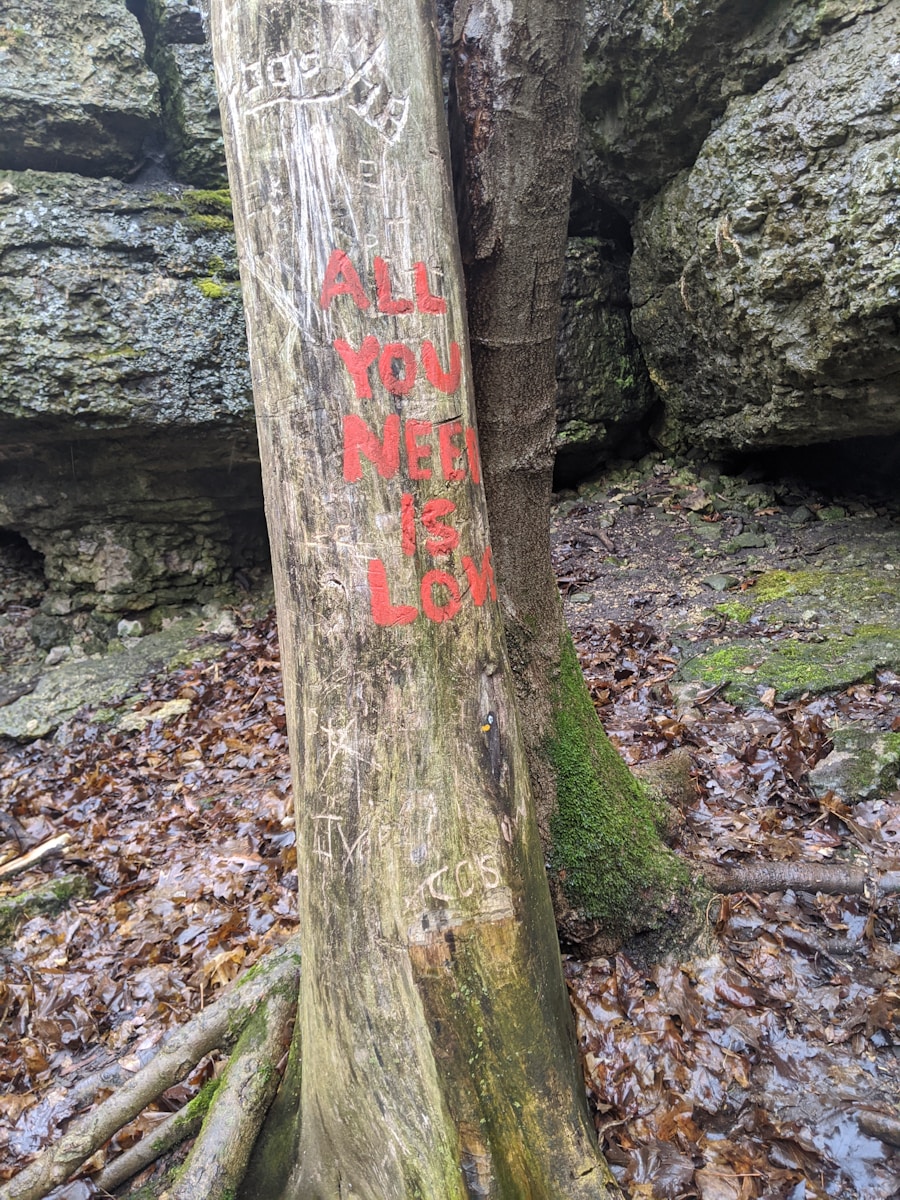
Hiking also creates a sense of discovery. A bend in the trail might reveal a waterfall, a rock formation, an open meadow, or a view that was hidden from the trailhead. Even a familiar area can look different as weather, light, and seasons change.
This is part of what makes hiking feel adventurous without requiring technical climbing or extreme terrain. Beginners can explore short, well-marked paths, while experienced hikers may choose longer routes with greater elevation gain, rough surfaces, or remote sections.
The challenge itself can be rewarding. Finishing a climb, reaching a viewpoint, or simply completing a longer route than expected can provide a clear sense of progress. Hikers can gradually increase difficulty as their fitness, navigation skills, and outdoor experience improve.
Nature also brings uncertainty. Weather can change, trails can become muddy or damaged, streams can rise, and wildlife may appear. That unpredictability is part of the adventure, but it is also why preparation matters.
Choosing a Hike That Matches Your Ability
A trail’s mileage tells only part of the story. Before leaving, consider distance, elevation gain, terrain, expected duration, weather, altitude, navigation difficulty, and how remote the route is. A short but steep or rocky trail may be harder than a much longer flat path.
The current National Park Service Trip Planning Guide recommends checking weather, wildlife, terrain, current alerts, personal fitness, activity difficulty, required skills, regulations, permits, and reservations before a trip.
Beginners generally have a better experience when they start with a route comfortably within their ability. There is no prize for choosing the hardest available trail. Building distance and elevation gradually gives you time to learn how your body responds and how quickly you move on different terrain.
Pro Tip: Decide on a turnaround time before you start. If progress is slower than expected, weather worsens, or someone in the group is struggling, turn around rather than letting the goal of reaching a summit push the hike into darkness or unsafe conditions.
Hiking Gear: Essential Items for a Successful Hike
The gear you need depends on the trail and conditions, but every hiker should prepare for delays and unexpected changes. The National Park Service organizes basic emergency preparation around the Ten Essentials.
| Essential Hiking Gear | What to Bring and Why |
|---|---|
| Hiking Boots or Trail Shoes | Well-fitting footwear with traction suited to the trail. Waterproof footwear can help in wet conditions, but it is not necessary for every hike. |
| Backpack | Large enough for water, food, first aid, extra clothing, navigation, light, and emergency supplies without being unnecessarily heavy. |
| Navigation Tools | A map, compass, GPS device, or downloaded offline map appropriate to the route. Carry a backup and know how to use it. |
| Water and Treatment | Carry enough drinking water for the planned conditions. On routes where you may need natural water sources, bring an appropriate treatment method. |
| Weather-Appropriate Clothing | Comfortable layers plus extra clothing for colder, wetter, or windier conditions than expected. Pack rain protection when conditions call for it. |
| First Aid Kit | Basic supplies matched to the trip plus essential personal medications. |
| Headlamp or Flashlight | A headlamp is useful because it keeps both hands free. Carry spare batteries or another suitable power source. |
| Sun Protection | Sunscreen, sunglasses, a hat, and protective clothing as appropriate for the exposure. |
| Emergency Shelter | A lightweight emergency blanket, bivy, tarp, or other shelter suitable for the route and weather. |
| Extra Food | Portable food and snacks, with extra capacity for an unexpected delay. |
| Repair Tools and Fire Supplies | A small repair kit or multi-tool plus emergency fire-starting supplies where carrying and using them is appropriate and legal. Always follow local fire restrictions. |
Good footwear deserves special attention, but hiking boots are not automatically the best choice for every person or trail. A comfortable hiking shoe or trail-running shoe may work well on maintained routes. More rugged terrain, snow, mud, heavy loads, or difficult conditions may call for more protective footwear.
Socks also matter. Moisture-managing hiking socks can reduce friction and help keep feet comfortable. Whatever footwear you choose, test it before a long trip rather than discovering fit problems several miles from the trailhead.
Hiking Safety: Preparing for the Unexpected
Safe hiking begins before you arrive at the trailhead. Check the route, current weather, closures, trail conditions, water availability, wildlife concerns, and any required permits or reservations. Conditions can change by season and sometimes within a single day.
Tell a trusted person where you are going, the route you plan to take, and when you expect to return. The NPS recommends leaving a trip plan and checking back in when the activity is complete.
Do not assume a phone will solve every problem. Remote areas can have weak or nonexistent service, and batteries can fail. Downloading an offline map helps, but hikers should still have an appropriate backup navigation method for the route.
Water, Food, and Heat
Carry sufficient water for the weather, distance, and exertion expected. If you may rely on a lake, river, spring, or stream, do not assume clear water is safe. The CDC recommends treating water when you are unsure whether it is safe.
Bring enough food for the hike plus some extra for delays. In hot weather, slow the pace when necessary, take breaks, and pay attention to signs that you or another person is becoming unwell.
Weather and Changing Conditions
Weather can make a familiar trail much harder. Rain can make rock and roots slippery, heat increases the strain of physical activity, and storms can make exposed terrain dangerous. Check the forecast before leaving and continue watching the sky and conditions while hiking.
Warning: Do not let a summit, waterfall, or mileage goal override changing conditions. Turn back when weather, daylight, trail conditions, injury, fatigue, or navigation uncertainty make continuing unsafe.
Wildlife Safety
Learn about wildlife in the area before the hike. Keep your distance, never feed wild animals, and follow instructions posted by the land manager. The correct response to an encounter can depend on the animal, location, and circumstances, so generic advice is not enough.
In bear country, check current local guidance before hiking. The National Park Service bear-safety guidance notes that recommendations vary between parks. Where bear spray is recommended and permitted, use an EPA-approved product designed specifically for bears, keep it readily accessible, and learn how to use it before entering the backcountry.
Hiking Etiquette: Respecting the Environment and Other Hikers
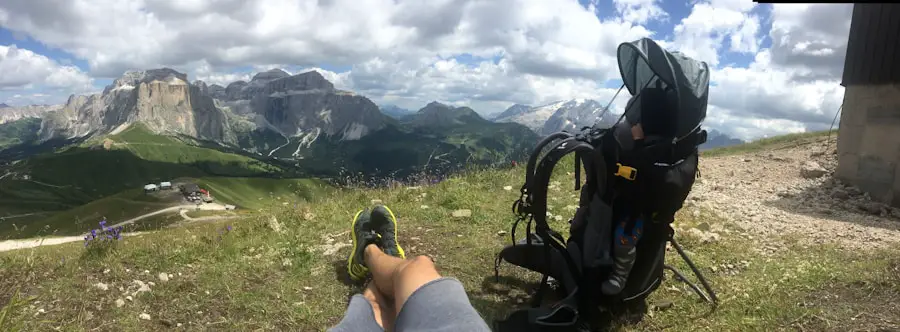
Trail etiquette helps protect natural areas and makes hiking more enjoyable for everyone. One of the most useful principles is simple: follow posted rules for the specific trail rather than assuming every park operates the same way.
The National Park Service hiking-etiquette guidance recommends staying on designated trails, respecting wildlife, keeping unnecessary noise down, and understanding right-of-way rules.
As a general trail convention, hikers traveling uphill have the right of way over hikers descending. Hikers should also yield appropriately to horses and other pack stock, and cyclists must follow the rules for the particular trail. Posted signs and land-manager regulations always take priority.
Leave No Trace principles provide a broader framework for responsible recreation. Pack out trash, leave rocks, plants, and cultural objects where they are, avoid disturbing wildlife, minimize damage to vegetation, and respect other visitors.
If a trail is extremely muddy, walking around puddles can widen the trail and damage surrounding plants. Depending on local guidance, the responsible choice may be to stay on the durable trail surface or postpone the hike until conditions improve.
Hiking as a Social Activity: Building Relationships and Creating Memories
Hiking can be a simple way to spend uninterrupted time with other people. Friends and family can talk while walking without many of the distractions that come with restaurants, screens, errands, or scheduled entertainment.
Shared challenges can also make a hike memorable. Working through a steep climb, finding the route together, or reaching a viewpoint gives a group a common experience. Photographs may capture the scenery, but people often remember the conversations, jokes, wrong turns, weather changes, and small successes just as clearly.
Group hiking has practical advantages too. Partners can notice when someone is becoming tired or overheated, help with navigation, and assist if a minor injury occurs. The group should stay together and let a sustainable pace guide the day rather than allowing faster hikers to leave others far behind.
For families, hiking can introduce children to wildlife, weather, plants, maps, and basic outdoor responsibility. A short route with something interesting to see is often more enjoyable than choosing a long trail simply to achieve a mileage goal.
The Spiritual and Reflective Side of Hiking
For some people, hiking is more than exercise or recreation. Quiet trails provide time for reflection, gratitude, prayer, meditation, or simply being alone with their thoughts.
The repetitive rhythm of walking can make this easier. Instead of switching between messages, tasks, and appointments, attention narrows to breathing, footing, weather, sounds, and the landscape ahead.
Not everyone experiences hiking in a spiritual way, and there is no need to. Some hikers enjoy the challenge, some enjoy photography or wildlife, and others simply like being outside. The fact that the same activity can serve very different purposes is one reason hiking appeals to such a wide range of people.
Planning an Overnight Hike
Day hiking and overnight backpacking require different preparation. A short day hike may need only a modest pack, but spending a night on the trail adds shelter, sleep equipment, additional food, water planning, cooking considerations, and often stricter permit or food-storage requirements.
A sleeping bag becomes especially important when temperatures may fall overnight. Warmth ratings, packed size, insulation type, and expected weather all matter. For more information on choosing one for an overnight trip, see this guide to the best sleeping bag for backpacking travel.
Before any overnight trip, check the specific land manager’s rules for camping locations, permits, fires, food storage, sanitation, and wildlife precautions. Backcountry conditions can require more preparation than a normal day hike.
Frequently Asked Questions
What is hiking?
Hiking is recreational walking outdoors, usually on trails, paths, or natural terrain. It can range from a short walk on a maintained path to a long and demanding trek through mountainous or remote country.
Why do people like hiking?
People hike for exercise, scenery, adventure, quiet, social connection, personal challenge, wildlife viewing, exploration, and time away from everyday distractions. Different hikers may enjoy completely different parts of the same activity.
What are the physical benefits of hiking?
Hiking is physical activity that can support cardiovascular fitness, muscle and bone health, balance, coordination, and weight management. The amount of benefit depends on factors such as frequency, duration, pace, terrain, and the individual’s fitness level.
What are the mental health benefits of hiking?
Physical activity can reduce feelings of anxiety, while many people find that time outdoors helps them relax and take a break from daily stress. Effects vary between individuals, and hiking should not be considered a replacement for professional mental-health treatment when it is needed.
What are some safety tips for hiking?
Choose a route within your ability, check weather and current trail conditions, carry appropriate essential gear, tell someone your route and return time, bring reliable navigation, stay hydrated, respect wildlife, monitor daylight, and turn around when conditions become unsafe.
Do beginners need hiking boots?
Not always. For an easy, maintained trail, comfortable walking shoes or trail shoes with adequate traction may be sufficient. Rough terrain, mud, snow, heavy packs, or demanding routes may justify more protective footwear. Fit and suitability for the conditions matter more than simply choosing the heaviest boot.
What should a beginner bring on a hike?
At minimum, prepare for navigation, hydration, food, changing weather, sun exposure, minor injuries, unexpected darkness, and delays. The National Park Service Ten Essentials provide a useful framework, but the exact equipment should be adjusted to the route, climate, season, and remoteness.
What are some popular hiking destinations?
Well-known hiking areas include U.S. national parks such as Yosemite, Zion, and Yellowstone, along with long-distance routes such as the Appalachian Trail and Pacific Crest Trail. International examples include the Camino de Santiago, the Swiss Alps, and Peru’s Inca Trail. Always check official local information for current access, permits, closures, and seasonal conditions before traveling.
Sources
- CDC — Health Benefits of Physical Activity for Adults — physical and mental benefits of regular activity.
- National Park Service — Benefits of Hiking — hiking, physical exercise, nature, and well-being.
- National Park Service — Trip Planning Guide — trail selection, conditions, personal ability, permits, alerts, and emergency preparation.
- National Park Service — Ten Essentials — essential hiking and emergency equipment.
- National Park Service — Hiking Etiquette — right of way, wildlife, trail protection, and courtesy.
- CDC — Water Treatment When Hiking, Camping, or Traveling — safe treatment of uncertain natural water sources.