Last Updated on July 27, 2026 by Daniel Globe
Hiking is one of the simplest ways to explore the outdoors: choose a route, travel it on foot, and enjoy the landscape along the way. A hike can be a short walk through a local park or a demanding journey through mountains and wilderness. The key is matching the route, gear, pace, and preparation to your abilities and the conditions.
Quick Answer
Hiking is recreational walking on trails or through natural areas. It can improve fitness, provide time outdoors, and range from easy day walks to challenging backpacking trips. Safe hiking starts with choosing an appropriate trail, checking conditions, carrying essential gear, knowing your route, and being willing to turn around when conditions change.
Key Takeaways
- Hiking can range from a relaxed local walk to a strenuous multi-day trip, so choose a route that fits your experience and current fitness.
- Regular hiking can contribute to aerobic activity, stronger muscles and bones, better balance, and mental well-being.
- Trail difficulty labels are only a starting point. Check distance, elevation gain, terrain, altitude, exposure, weather, and current trail conditions.
- Carry the Ten Essentials and customize your gear for the route, season, weather, and length of the trip.
- Tell someone your plan, carry reliable navigation, treat backcountry water when necessary, and turn around before a manageable problem becomes an emergency.
- Follow posted trail rules and Leave No Trace practices to protect wildlife, vegetation, other visitors, and the trail itself.
Disclosure: As an Amazon Associate I earn from qualifying purchases. Some links on this page are affiliate links, at no extra cost to you.
What Is Hiking?
Hiking is recreational travel on foot, usually on a trail, path, or route through a natural or semi-natural setting. Some hikes follow smooth park paths, while others cross steep, rocky, muddy, snowy, or remote terrain. The activity can therefore be adapted to many experience levels, but not every route is suitable or accessible to every hiker.
Walking has been a basic form of human transportation for thousands of years. Recreational hiking developed later as people increasingly traveled on foot for exercise, scenery, exploration, and enjoyment rather than transportation alone. Today, hiking takes place in neighborhood parks, state and national parks, forests, deserts, mountain ranges, coastal areas, and wilderness.
Common Types of Hiking
- Day hiking: A hike completed without an overnight stay. It may last less than an hour or occupy most of a day.
- Backpacking: Hiking while carrying the equipment and supplies needed for one or more nights outdoors.
- Section hiking: Completing portions of a long-distance trail over separate trips.
- Thru-hiking: Attempting an entire established long-distance trail in one extended journey.
- Winter hiking: Hiking in snow, ice, or winter weather, often requiring extra traction, insulation, navigation skill, and emergency preparation.
- Scrambling: Travel on steeper terrain where hands may be used for balance or upward movement. Scrambling can involve substantially more exposure and fall risk than ordinary trail hiking.
The boundaries between these activities are not always precise. What matters most is recognizing when terrain or conditions require skills and equipment beyond normal walking.
The Benefits of Hiking
Hiking combines physical activity with time outdoors. Its exact intensity depends on pace, elevation gain, terrain, pack weight, altitude, and the individual hiker.
Physical Benefits
Regular physical activity provides well-established health benefits. According to the Centers for Disease Control and Prevention, physical activity can support heart health, bone health, sleep, balance, weight management, and mental health while lowering the risk of several chronic diseases.
Hiking can contribute to those benefits because it commonly involves sustained walking and repeated work by the legs, hips, and core. Climbing hills increases the effort, while uneven terrain can challenge balance and coordination. As a weight-bearing activity, regular hiking can also contribute to maintaining bone health.
Current U.S. guidance recommends that adults get at least 150 minutes of moderate-intensity aerobic activity each week plus muscle-strengthening activity on two days. Brisk hiking can contribute to the aerobic portion of that goal.
Mental Well-Being and Time in Nature
Physical activity itself can reduce short-term feelings of anxiety and is associated with a lower long-term risk of depression. Time in natural settings may offer additional benefits for mood, stress, and well-being.
Research on nature exposure is encouraging but should not be overstated. A 2024 meta-analysis indexed by PubMed found mental-health benefits from nature exposure in adults with symptoms of mental illness, while other systematic reviews have found more mixed results depending on the intervention and outcome measured. Hiking can be a useful part of an active lifestyle, but it is not a replacement for professional care for a physical or mental-health condition.
Note: Hiking difficulty is highly individual. People returning to activity after a long break, managing a medical condition, recovering from an injury, or unsure about strenuous exercise should start conservatively and seek individualized medical guidance when appropriate.
Different Types of Hiking Trails
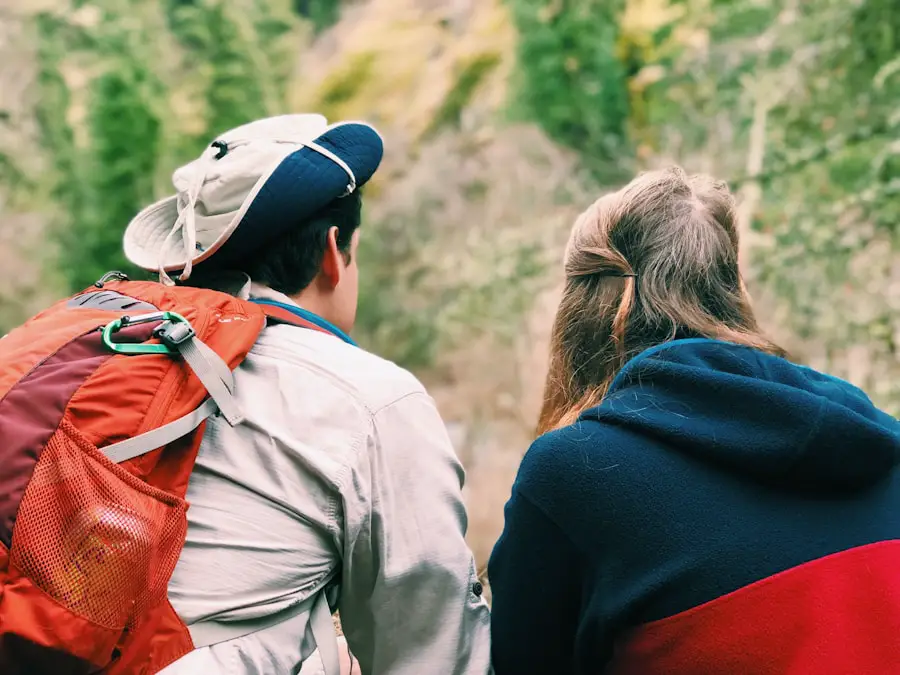
Hiking trails vary in distance, surface, steepness, elevation, exposure, route-finding difficulty, and remoteness. Terms such as easy, moderate, and strenuous are useful, but there is no single difficulty scale used by every park or trail system.
For example, some National Park Service units describe an easy trail as relatively level with modest terrain challenges, while other parks use numerical formulas based on mileage and elevation gain. A route that feels easy at low elevation may also feel much harder at high altitude or during extreme heat.
How to Choose a Trail
Before relying on a difficulty label, check the details that actually determine how the hike will feel:
- Total distance: Confirm whether the stated mileage is one way or round trip.
- Elevation gain: A short trail with a steep climb may be harder than a longer, flatter route.
- Grade: Sustained steep sections can be more tiring than the total elevation figure suggests.
- Terrain: Loose rock, mud, roots, snow, sand, stream crossings, and scrambling can slow travel.
- Starting altitude: Higher elevation can make exercise feel harder, especially before acclimatization.
- Exposure: Some trails run near cliffs, open ridges, or areas with little shade.
- Navigation: A well-marked path is different from a faint wilderness route requiring map-and-compass skills.
- Weather and season: Heat, storms, snow, ice, flooding, and seasonal water availability can completely change a hike.
- Current conditions: Closures, damaged bridges, washed-out trails, wildfire restrictions, and construction may affect the route.
Pro Tip: For a first visit to an area, choose a route that looks comfortably below your maximum ability. You can always add distance on a future hike after learning how the terrain, climate, and altitude affect you.
Essential Gear for Hiking
Hiking gear should match the route rather than follow a one-size-fits-all checklist. A short paved park walk needs less equipment than an isolated mountain trail, but hikers should still prepare for unexpected delays and changing conditions.
| Essential Gear | What to Consider |
| Hiking Footwear | Well-fitting shoes or boots with traction appropriate for the terrain. Waterproofing, ankle coverage, and stiffness depend on weather, trail surface, load, and personal preference. |
| Backpack | Large enough for water, food, layers, emergency supplies, and any trip-specific equipment without encouraging unnecessary weight. |
| Water and Treatment | Enough water for the route and conditions, plus an appropriate treatment method when relying on backcountry water sources. |
| Map and Compass | Navigation tools you know how to use. A GPS or offline map can help, but batteries and electronics can fail. |
| First Aid Kit | Supplies for common minor injuries, plus personal medications and the knowledge to use what you carry. |
| Sun Protection | Sunscreen, sunglasses, a hat, and sun-protective clothing as conditions require. |
| Extra Clothing | Moisture-managing layers plus insulation and rain or wind protection appropriate to the forecast and environment. |
| Headlamp or Flashlight | A dedicated light source with adequate battery power in case the hike lasts longer than planned. |
| Extra Food | Easy-to-eat food beyond what you expect to consume during the planned hike. |
| Repair Kit and Tools | Simple repair items suited to your equipment, such as tape and a compact multi-tool where appropriate. |
| Emergency Fire System | An emergency ignition method where appropriate, while always following local fire bans, regulations, and safety rules. |
| Emergency Shelter | A lightweight emergency blanket, bivy, tarp, or another shelter option suitable for the environment. |
The Ten Essentials
The National Park Service Ten Essentials organize emergency preparation into navigation, sun protection, insulation, illumination, first aid, fire, repair tools, nutrition, hydration, and emergency shelter. They are a starting point rather than a complete packing list for every trip.
Customize those systems for the hike. A desert route may demand much more water and sun protection, while a cold mountain hike may demand extra insulation, traction, and weather protection. Remote routes may justify additional communication or emergency equipment.
Clothing should also be layered for the conditions. A moisture-managing base layer can move perspiration away from the skin, an insulating layer helps retain warmth, and an outer shell can provide protection from rain and wind. Cotton may be comfortable in some warm, dry settings but performs poorly as insulation when wet, so conditions should guide fabric choice.
How to Plan a Hike
Good hiking safety starts before reaching the trailhead. The current National Park Service Trip Planning Guide recommends knowing before you go, preparing for emergencies, carrying the Ten Essentials, and leaving a trip plan with a trusted contact.
1. Research the Route
Confirm the route’s distance, elevation gain, expected terrain, trailhead location, parking situation, and likely hiking time. Check official land-management information for closures, permits, reservations, pet restrictions, fire rules, bridge damage, seasonal hazards, and other current notices.
2. Check the Weather
Look at the forecast for the actual trail area and elevation, not just the nearest city. Mountain and desert weather can differ sharply from nearby communities. Consider temperature, precipitation, wind, storms, snow, ice, and how quickly conditions may change.
3. Build a Navigation Plan
Know the route before starting. Carry a map appropriate to the trip and download any digital maps needed for offline use. Do not assume you will have cellular service.
A phone is useful for navigation and communication, but it is not a replacement for essential equipment. Batteries drain, screens break, weather affects electronics, and many remote areas have weak or nonexistent service.
4. Tell Someone Where You Are Going
Give a trusted person your trail name or route, trailhead, planned start, expected return, vehicle information when useful, and instructions for what to do if you do not check in. Contact that person again when you safely finish.
5. Set a Turn-Around Time
Decide when you need to turn back to reach the trailhead safely. Do not let reaching a summit, waterfall, lake, or viewpoint become more important than weather, daylight, fatigue, water, or safety.
Pro Tip: Treat turning around as a normal hiking decision, not a failed trip. Weather changes, slower-than-expected progress, pain, route uncertainty, or dwindling water are all good reasons to shorten a hike.
Safety Tips for Hiking
Preparation lowers risk, but hiking still takes place in uncontrolled environments. Conditions can change quickly, and a minor problem can become serious when you are far from help.
Stay Within Your Current Ability
Choose a route based on your present fitness and experience rather than what you completed months or years ago. Let the slowest person in a group influence the pace, take breaks before exhaustion sets in, and adjust the plan when someone is struggling.
Plan Hydration and Food
Drink regularly and carry enough water for the route, weather, exertion, and your individual needs. There is no single water quantity that fits every hiker and environment.
Do not assume a clear mountain stream or lake is safe to drink. If your route depends on natural water sources, verify that they are available and carry an appropriate treatment method. Water availability can change seasonally.
Watch the Weather
Weather deserves constant attention, especially above tree line, in exposed terrain, deserts, canyons, and areas where storms build quickly.
Warning: The National Weather Service advises that there is no safe place outdoors when a thunderstorm is in the area. If you hear thunder, leave exposed ridges, summits, and other high ground and seek a substantial enclosed building or hard-topped vehicle when available. Do not shelter beneath an isolated tree.
If the forecast or current conditions make the planned route unsafe, use a backup plan. A shorter low-elevation trail is often a better choice than pushing into deteriorating weather.
Know What to Do if You Lose the Route
Stop before wandering farther. Check your map, compass, GPS, landmarks, and last confirmed location. If you cannot confidently determine the route, avoid turning a navigation problem into a larger search area. Use emergency communication options when necessary and follow the emergency plan appropriate to the location.
Be Wildlife Aware
Observe wildlife from a distance, never feed animals, secure food and trash, and follow local rules. Appropriate behavior during an encounter varies by species and location, so review official wildlife guidance for the area before hiking. Bear, moose, mountain lion, snake, and other wildlife encounters should not be treated as though one response works for every animal.
Hikers should also check local guidance for insects, ticks, poisonous plants, hunting seasons, livestock, and pets where relevant.
Carry First Aid Supplies and Know Their Limits
A first aid kit can help manage minor cuts, blisters, sprains, and other common problems, but equipment is only useful when you know how to use it. Serious injury, severe illness, loss of consciousness, breathing trouble, major bleeding, or another life-threatening emergency requires professional help as quickly as conditions allow.
Hiking Etiquette
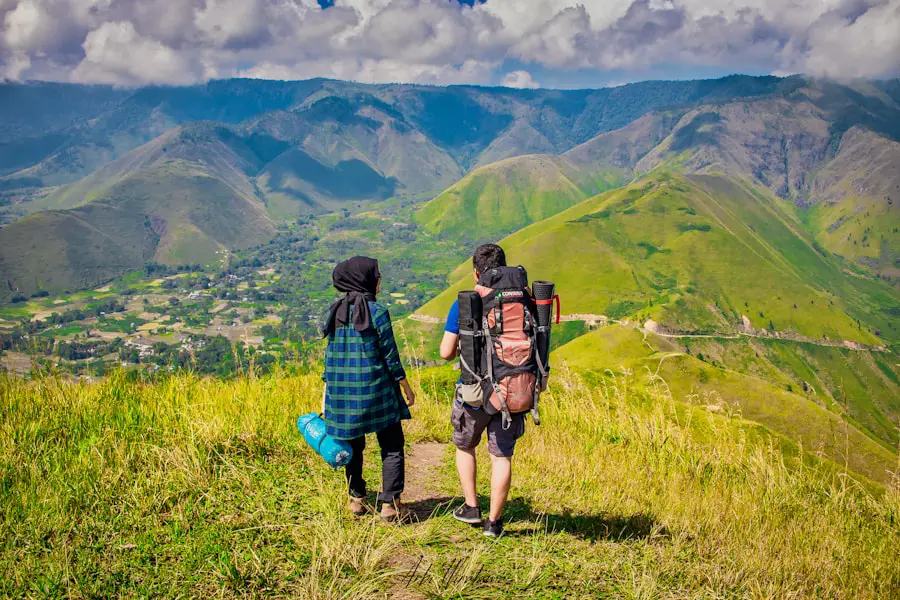
Trail etiquette helps hikers, runners, cyclists, equestrians, and other visitors share outdoor spaces safely. Always follow posted signs because permitted users and right-of-way rules can vary by trail.
As a general hiking guideline, the National Park Service advises descending hikers to yield to people traveling uphill. An uphill hiker may choose to stop for a rest and wave someone through, but the descending hiker should not assume that will happen.
Hikers should yield appropriately to horses and other pack stock and follow local instructions about which side of the trail to use. When passing someone from behind, announce yourself calmly before moving past. On narrow trails, wait for a safe place rather than forcing another visitor off the path.
Keep group size, conversation, music, and other noise considerate. Many hikers visit natural areas specifically for quiet and wildlife viewing. Headphones should never prevent you from hearing approaching trail users, wildlife, or warnings.
Note: Right-of-way customs do not override posted trail regulations. Multi-use trails may have specific rules for hikers, bicycles, horses, pets, or motorized users.
Environmental Impact of Hiking
Hiking can affect the places people travel through. Repeated foot traffic may widen trails, compact soil, damage vegetation, accelerate erosion, disturb wildlife, and create new informal paths when visitors cut switchbacks or walk around muddy sections.
The goal is not to leave the outdoors completely untouched but to reduce avoidable impacts. The Leave No Trace Seven Principles provide a widely used framework:
- Plan ahead and prepare.
- Travel and camp on durable surfaces.
- Dispose of waste properly.
- Leave what you find.
- Minimize campfire impacts.
- Respect wildlife.
- Be considerate of others.
On established trails, stay on the designated route unless official guidance says otherwise. Cutting switchbacks or creating shortcuts can damage vegetation and contribute to erosion. Pack out trash, food scraps, and other waste, and follow local rules for human waste and pet waste.
Do not feed wildlife or approach animals for photographs. Feeding changes natural behavior and can create risks for animals and visitors. Plants, rocks, cultural objects, and other natural features should generally remain where you find them, subject to local regulations.
Campfires also require special care. Follow current fire restrictions, use established fire facilities where required, and do not assume a fire is permitted simply because an old fire ring exists.
Hiking for Beginners
New hikers do not need difficult trails or expensive equipment to begin. A short route with clear navigation and easy access can teach many of the same skills needed for longer trips.
Start Conservatively
Choose an outing that leaves extra time and energy rather than one that pushes your maximum distance. Learn how your footwear feels, how much food and water you use, how quickly you move on hills, and how your body responds to uneven terrain.
Increase One Challenge at a Time
Instead of simultaneously adding mileage, elevation, pack weight, rough terrain, and altitude, increase difficulty gradually. This makes it easier to learn which factors affect your pace and comfort.
Practice Navigation Before You Need It
Look at the map at known trail junctions and compare it with the landscape. Practice using a compass and offline map while you still know exactly where you are. Navigation skills are easier to build before becoming lost.
Learn From Each Trip
After the hike, note what worked and what did not. Did you carry too much? Run low on water? Get cold during breaks? Underestimate the climb? Finish later than expected? These observations make the next hike safer and more comfortable.
Embracing the Hiking Lifestyle
Hiking does not have to mean chasing bigger mountains or longer mileage. For some people, it is a weekly walk through a local park. For others, it grows into backpacking, long-distance trails, winter travel, or mountain adventures. The common thread is traveling on foot while paying attention to the landscape and preparing for the conditions.
As experience grows, so should judgment. Strong hikers are not simply people who can walk fast or climb steep hills. They know how to select an appropriate route, monitor weather, navigate, manage food and water, care for their feet, respect wildlife, protect the trail, and change plans when circumstances demand it.
That combination of fitness, preparation, curiosity, and stewardship can make hiking rewarding for years. The objective is not merely to reach a destination but to return safely while leaving the place ready for the next visitor.
Staying hydrated is an important part of trip preparation. For ideas on reusable bottles that are easier to carry outdoors, see our guide to portable water bottles for outdoor adventures.
Love travel? Join Our Facebook Community For More Tips.
Frequently Asked Questions
What is the definition of hiking?
Hiking is recreational travel on foot, usually along a trail, path, or route through a natural or semi-natural setting. It ranges from short park walks to challenging mountain and wilderness trips.
What are the benefits of hiking?
Hiking can contribute to aerobic exercise, stronger muscles and bones, balance, sleep, and mental well-being. The amount of benefit depends on how often you hike, the intensity of the activity, and your overall lifestyle.
What equipment is needed for hiking?
Basic equipment includes suitable footwear, weather-appropriate clothing, navigation, water, food, sun protection, a light source, first aid supplies, and emergency equipment. The National Park Service Ten Essentials are a useful starting framework, but the exact gear should match the route and conditions.
How should a beginner choose a hiking trail?
Start with a route that is comfortably within your current ability. Check total distance, elevation gain, terrain, altitude, navigation difficulty, exposure, weather, daylight, and current trail conditions instead of relying only on an easy or moderate label.
What are some popular hiking destinations?
Hiking opportunities include national and state parks, mountain ranges, forests, coastal trails, and wilderness areas. Well-known examples include the Appalachian Trail, Pacific Crest Trail, Grand Canyon, and routes in the Swiss Alps. The best destination depends on your experience, season, desired distance, and terrain.
What are the most important hiking safety tips?
Research the route, check official alerts and weather, carry the Ten Essentials, tell someone your plan, use reliable navigation, carry adequate water and food, know wildlife guidance for the area, set a turn-around time, and change plans when weather, fatigue, injury, or route uncertainty makes continuing unsafe.
How much water should I carry while hiking?
There is no universal amount that is correct for every hike. Water needs vary with heat, humidity, altitude, duration, exertion, body size, available water sources, and individual health factors. Plan conservatively, check local guidance, and carry a treatment method if your route depends on natural water sources.
Sources
- National Park Service — Trip Planning Guide — trip planning, emergency preparation, navigation, and leaving a trip plan.
- National Park Service — Ten Essentials — essential hiking and emergency equipment systems.
- Centers for Disease Control and Prevention — Health Benefits of Physical Activity for Adults — physical and mental-health benefits of regular activity.
- National Weather Service — Lightning Safety — thunderstorm and lightning precautions.
- Leave No Trace — Seven Principles — minimizing recreation impacts and protecting outdoor areas.
- PubMed — Meta-analysis of Nature Exposure and Adult Mental Health — evidence concerning nature exposure and mental-health outcomes.