
Last Updated on July 26, 2026 by Daniel Globe
Hiking boots do not wear out at one exact mileage. A light hiking shoe may lose cushioning or tread much sooner than a heavy backpacking boot, while terrain, pack weight, fit, storage, and cleaning can move the replacement point in either direction. Mileage is useful for planning, but the condition of the outsole, midsole, upper, and sole bond matters more.
Quick Answer
Many lightweight hiking shoes last around 500 miles, while sturdier hiking boots may reach roughly 1,000 miles or more. Treat those numbers as estimates, not deadlines. Replace or repair your boots sooner if traction, cushioning, structure, fit, or the bond between the sole and upper has clearly deteriorated.
Key Takeaways
- A practical planning range is about 500 miles for many light hikers and around 1,000 miles or more for some sturdy boots, but construction and use make a major difference.
- Worn tread, compressed cushioning, uneven wear, cracked materials, loose hardware, and sole separation are stronger replacement signals than mileage alone.
- Clean away grit, dry boots without direct heat, and use only treatments approved for the boot’s leather, fabric, and waterproof membrane.
- Loss of water beading does not always mean the boot is finished. The outer water-repellent treatment may simply need renewal.
- Some boots can be professionally resoled, but many lightweight or injection-molded models cannot.
At a Glance
| Time Required | About 5 minutes for an inspection and 10–20 minutes for routine cleaning, plus air-drying time |
| Difficulty | Easy |
| Tools Needed | Soft brush, lukewarm water, cloth, and a manufacturer-approved cleaner or treatment when needed |
| Cost | Low; basic cleaning may use supplies you already have |
Disclosure: As an Amazon Associate I earn from qualifying purchases. Some links on this page are affiliate links, at no extra cost to you.
How Many Miles Do Hiking Boots Last?
There is no universal retirement mileage for hiking footwear. REI’s comparison of hiking shoes and boots says a solid hiking shoe may last up to about 500 miles, while a solid hiking boot may last twice that distance or more, especially when the boot can be resoled. That makes 500 to 1,000 miles a useful broad estimate, but not a guarantee.
The lower end is more common for lightweight footwear with flexible foam midsoles and fabric-heavy uppers. Sturdy leather backpacking boots with durable construction may last longer, particularly if worn on moderate terrain and repaired when appropriate. Sharp rock, pavement, mud, repeated soaking, heavy packs, and frequent use can shorten the useful life.
Mileage is a planning estimate, not a pass-or-fail test. The boot’s grip, cushioning, structure, and condition should make the final decision.
Factors Affecting the Lifespan of Hiking Boots
Several factors determine whether hiking boots reach the low or high end of the mileage range.
- Construction and materials: Leather uppers generally resist abrasion longer than light mesh and fabric, while synthetic footwear is often lighter and dries faster. The midsole material, outsole rubber, stitching, adhesives, and whether the boot can be resoled also matter.
- Terrain: Jagged rock and long stretches of pavement wear tread faster than packed dirt. Mud, sand, and grit can work into flex points and abrade leather or fabric.
- Hiker and pack weight: More load places greater stress on cushioning, sole bonds, and tread.
- Fit and walking pattern: A poor fit can create unusual flexing and heel movement. Uneven gait or worn insoles may also produce uneven outsole wear.
- Moisture and temperature: Repeated wetting, poor drying, direct heat, and hot storage can damage leather, adhesives, and other materials.
- Care: Removing dirt, drying correctly, and using material-compatible treatments can slow avoidable wear.
Brand names alone do not determine durability. For example, Vibram makes many outsole compounds and lug designs for different uses. A boot’s complete construction and the specific sole compound matter more than the logo stamped on the outsole.
Signs of Wear and Tear on Hiking Boots
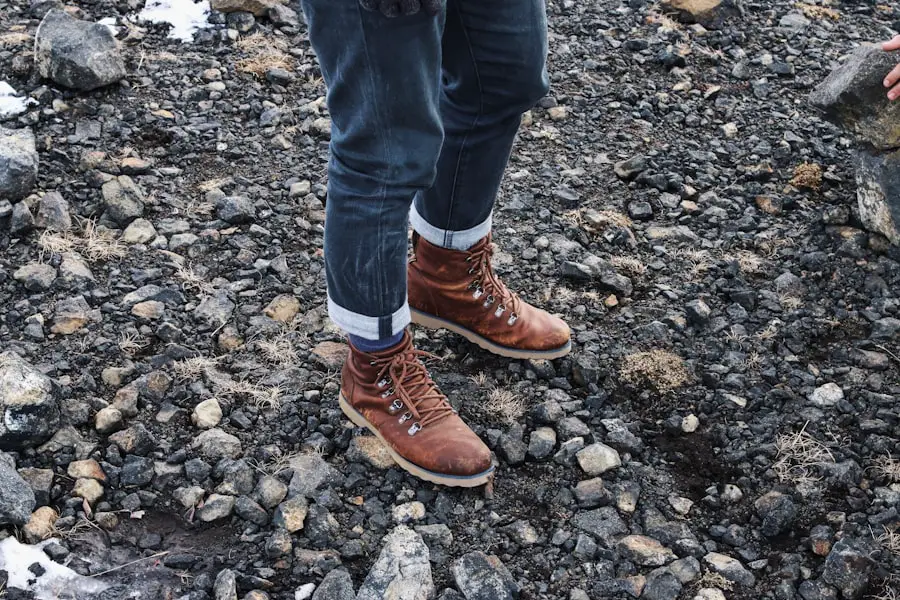
Inspect both boots before a long or remote hike. Use bright light, compare the left and right boot, and check the following areas.
1. The Tread Is Smooth or Uneven
Rounded or flattened lugs provide less bite on loose dirt, wet roots, mud, and steep ground. Heavy wear under one heel or one side of the forefoot can also make the boot feel unstable. Set the boots on a flat surface and look for leaning, rocking, or a clearly uneven stance.
2. Cushioning Feels Flat or Harsh
The outsole may still look acceptable even when the midsole has lost much of its cushioning. Warning signs include a harder ride, deeper compression creases, new foot fatigue, or discomfort on routes that previously felt comfortable. Replacing the insole may improve fit and surface comfort, but it will not restore a worn-out structural midsole.
3. The Sole Is Separating, Cracking, or Crumbling
Check the bond line where the upper meets the sole. Small edge damage may be repairable, but widening separation, brittle foam, deep cracks, or crumbling material requires professional assessment. Stored boots can also deteriorate with age even when they have low mileage.
4. The Upper Has Structural Damage
Surface scuffs are normal. Deep cuts, cracked leather at a flex point, torn fabric, failed stitching, broken hooks, or damage around the heel counter can reduce support and allow water or debris to enter.
5. Waterproof Performance Has Changed
If water stops beading on the outside, the durable water-repellent finish may need renewal rather than replacement. A persistent leak after correct cleaning and treatment may point to a damaged upper, seam, or waterproof membrane. Follow the footwear maker’s instructions before applying any product.
6. The Boots No Longer Fit or Feel Secure
Heel lift, toe impact on descents, repeated hot spots, or a loose and unstable feel can result from worn components or a change in fit. Stop using the boots for demanding terrain until you identify the cause.
Warning: Do not start a remote, steep, wet, or rocky hike in boots with major sole separation, crumbling foam, badly worn tread, or damaged lacing hardware. A small defect can become a complete failure far from the trailhead.
Repair, Resole, or Replace?
A worn outsole does not always mean the whole boot must go. The right choice depends on the boot’s construction and the condition of the upper, midsole, lining, and waterproof system.
| Condition | Best Next Step |
|---|---|
| Dirty upper, packed tread, or reduced water beading | Clean, dry, and renew the approved water-repellent treatment if needed. |
| Worn laces, insole, hook, or minor stitching | Replace the part or ask a repair shop to assess it. |
| Worn outsole with a sound upper and resoleable construction | Ask the manufacturer or a qualified cobbler about resoling. |
| Collapsed midsole, crumbling foam, major delamination, or structural upper damage | Replace the boots unless the manufacturer confirms a full rebuild is practical. |
LOWA’s official care guidance explains that some trekking and mountaineering boots can be resoled, while certain lightweight or injection-molded models cannot. Check with the manufacturer before assuming a local sole replacement will preserve the boot’s structure or waterproofing.
Note: Age matters as well as mileage. Midsole materials and adhesives can deteriorate during long storage. Inspect older boots on a short local walk before trusting them on a serious trip.
How to Extend the Lifespan of Hiking Boots
| Tip | What to Do |
|---|---|
| Keep them clean | Brush away dry dirt and rinse out grit before it works deeper into leather, fabric, seams, and tread. |
| Dry them safely | Remove insoles and air-dry at moderate room temperature. Avoid radiators, fireplaces, campfires, and other direct heat. |
| Use the right treatment | Match cleaners, conditioners, and water-repellent products to the upper material and waterproof membrane. |
| Store them correctly | Keep fully dry boots in a stable, ventilated indoor space rather than a hot vehicle, damp basement, or unventilated attic. |
| Use them for suitable terrain | Choose footwear built for the load and surface. Long pavement use can wear trail lugs without providing their intended benefit. |
| Rotate pairs when practical | If you own more than one suitable pair, alternating them can give each pair time to dry fully. Rotation does not reverse existing wear. |
| Repair early | Replace frayed laces and address loose stitching, worn insoles, or small repairable defects before they become larger failures. |
A Simple Cleaning and Drying Routine
- Remove the laces and insoles. Shake out sand, stones, and loose debris.
- Brush the upper and outsole. Use a soft brush to loosen dried dirt and clear packed mud from the lugs.
- Wash only as directed. Use lukewarm water and a cleaner approved for the boot. Do not use bleach or place hiking boots in a washing machine unless the manufacturer specifically permits it.
- Rinse away cleaner and grit. Residue can affect materials and future treatments.
- Air-dry at moderate temperature. Remove insoles and let them dry separately. A fan can speed drying. Loosely packed newspaper can absorb moisture, but replace it when damp.
- Store without crushing the shape. Once the boots are fully dry, lace them loosely or use a clean boot tree if the manufacturer permits it. Do not leave damp newspaper inside for storage.
- Treat only when needed. Apply conditioner to compatible full-grain leather when it appears dry, and renew water repellency when the outer material stops beading water.
REI’s hiking boot care guide warns that dirt and grit can abrade boot materials and that direct heat can weaken adhesives and age leather. For waterproof footwear, GORE-TEX footwear care instructions also recommend natural drying at moderate temperatures and following the footwear manufacturer’s directions.
Pro Tip: Record the date you bought the boots and log trail mileage in a notes app or hiking app. The record will not tell you the exact replacement day, but it makes changes in comfort and wear easier to evaluate.
When to Replace Hiking Boots
Replace hiking boots when they no longer provide dependable traction, cushioning, structure, fit, or protection and a practical repair cannot restore those functions. Do not wait for the boot to split completely.
Replacement is usually the safer choice when the midsole has collapsed or crumbled, the boot leans because of severe uneven wear, the outsole is smooth across key contact areas, the sole is separating in several places, or the upper and heel structure are badly damaged. Persistent new discomfort is also a reason to stop and inspect the footwear, although foot pain can have causes other than the boots.
If the upper is sound and the construction allows it, a professional resole may extend the life of a quality boot. Ask the manufacturer or an experienced cobbler to inspect the entire boot, not just the rubber outsole.
Understanding the Different Types of Hiking Boots
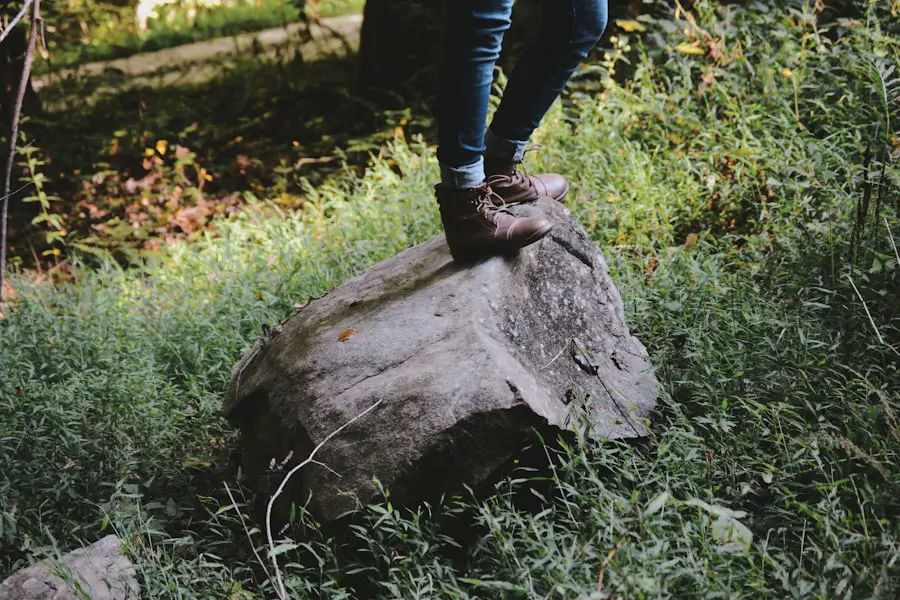
Hiking footwear ranges from flexible trail shoes to rigid backpacking and mountaineering boots. The best choice depends on terrain, weather, pack weight, fit, and the amount of protection you need.
| Type | Best For | Durability Pattern |
|---|---|---|
| Light hiking shoes | Day hikes, maintained trails, light loads, and faster movement | Usually lighter and more flexible, but the cushioning and fabric may wear sooner. |
| Mid-cut hiking boots | Mixed terrain, moderate loads, and hikers wanting more coverage | A balance of weight, support, protection, and durability. |
| Backpacking boots | Heavy packs, rough trails, and multi-day trips | Often built with more robust uppers and stiffer support; some models can be resoled. |
The higher collar of a boot adds coverage and can feel more secure, but collar height alone does not guarantee injury prevention. A stable sole platform, suitable stiffness, secure lacing, and a proper fit all matter. See REI’s current hiking footwear selection guide for a detailed breakdown of footwear types, components, materials, and fit.
Tips for Properly Maintaining Hiking Boots
Care should match the material. A product that helps one type of boot can damage or change another.
Full-Grain Leather
Clean away grit and condition only when the leather appears dry. Use a product approved by the boot maker and apply it sparingly. Too much conditioner can soften leather and reduce the support the boot was designed to provide.
Nubuck and Suede
Use products specifically labeled for rough leather. Heavy oils and general-purpose leather treatments can darken the material, flatten its texture, or affect breathability.
Synthetic and Mixed-Material Uppers
Brush and rinse gently, then use a cleaner approved for technical footwear. Avoid harsh detergents, bleach, and machine washing unless the manufacturer says otherwise.
Waterproof Membranes
The membrane sits beneath the outer material, so wax or grease on the outside does not repair a torn membrane. Clean the footwear, renew the approved water-repellent finish when water stops beading, and investigate persistent leaks.
The Importance of Proper Fit for Hiking Boots
A durable boot is not useful if it fits poorly. Try hiking footwear with the socks and insoles you plan to use. Your heel should feel secure, your toes should not hit the front on descents, and the forefoot should have room to spread without sliding around.
Feet often swell during the day and on long hikes, so trying boots later in the day can give a more realistic fit check. Walk on an incline when possible and pay attention to heel lift, toe pressure, arch discomfort, and rubbing. Breaking in can soften a stiff boot, but it cannot correct the wrong size or shape.
How to Choose the Right Hiking Boots for Your Needs
Start with the most demanding conditions you expect to face, not only the easiest local trail. Consider the following:
- Trail surface: Smooth paths need less protection than sharp rock, scree, roots, or off-trail travel.
- Pack weight: Heavier loads often call for a more supportive platform.
- Weather: Waterproof boots help in sustained wet or cold conditions, while breathable non-waterproof footwear may be more comfortable in hot, dry weather.
- Trip length: Multi-day travel increases the importance of fit, durability, and the ability to manage moisture.
- Repairability: If long service life is a priority, ask whether the model can be resoled and whether replacement parts or repair service are available.
- Fit: Choose the boot that matches your foot shape rather than buying by brand reputation alone.
Common Mistakes That Reduce the Lifespan of Hiking Boots
- Putting muddy boots straight into storage: Grit remains in flex points and dried mud can pull moisture from leather.
- Drying with direct heat: High heat can weaken adhesives and prematurely age leather and other materials.
- Using the wrong cleaner or treatment: Household detergents, oils, waxes, and waterproofing products may not suit the boot’s materials or membrane.
- Ignoring the manufacturer’s instructions: Care requirements vary by leather type, fabric, construction, and waterproof system.
- Treating every leak as boot failure: Loss of surface water repellency may be restorable, while a true membrane or structural leak needs separate assessment.
- Assuming every sole can be replaced: Resoling depends on construction and the condition of the rest of the boot.
- Ignoring early wear: Frayed laces, loose stitching, small separations, and uneven tread are easier to address before they become major failures.
- Using trail lugs mainly on pavement: Casual use is not forbidden, but every mile adds wear, and hard surfaces can shorten outsole life.
Conclusion and Final Thoughts on Hiking Boot Lifespan
Many hikers can use 500 to 1,000 miles as a rough planning range, with lighter shoes often near the lower end and sturdier boots sometimes reaching or exceeding the upper end. The safest replacement decision comes from regular inspection rather than mileage alone. Watch the tread, midsole, upper, sole bond, hardware, fit, and waterproof performance.
Good care cannot make boots last forever, but it can prevent avoidable damage. Clean off grit, dry at moderate temperature, use material-approved treatments, store boots in a stable indoor environment, and repair small problems early. When traction, cushioning, or structure can no longer be restored, replace the boots before the next demanding hike.
For longer backpacking trips, footwear is only one part of trip readiness. You may also want to review this guide to the best solar charger for backpacking when you need an off-grid power option for navigation or emergency communication devices.
Frequently Asked Questions
How many miles do hiking boots typically last?
Many light hiking shoes last around 500 miles, while sturdier hiking boots may reach roughly 1,000 miles or more. Terrain, construction, load, fit, care, and age can shorten or extend that range, so inspect the boots instead of relying on mileage alone.
What factors affect hiking boot lifespan?
The main factors are the upper and sole materials, boot construction, terrain, hiker and pack weight, frequency of use, moisture exposure, storage temperature, fit, and maintenance.
How can I extend the lifespan of my hiking boots?
Brush off grit, clean with products approved for the materials, remove insoles for drying, avoid direct heat, renew water repellency only when needed, store the boots dry at a stable indoor temperature, and repair minor damage early.
When should I replace my hiking boots?
Replace them when worn tread, collapsed cushioning, severe uneven wear, crumbling material, major sole separation, structural upper damage, or a poor and unstable fit can no longer be corrected by practical repair.
Can hiking boots fail even if they have not been worn much?
Yes. Midsole materials and adhesives can age during storage, especially in hot, damp, or poorly ventilated places. Inspect older boots and test them on a short local walk before using them on a remote trip.
Can hiking boots be resoled?
Some can. Resoleable construction is more common in certain trekking, backpacking, and mountaineering boots. Many lightweight or injection-molded models cannot be fully resoled, so confirm with the manufacturer or a qualified cobbler.
Does leaking mean I need new hiking boots?
Not always. If the outer material has stopped beading water, cleaning and an approved water-repellent treatment may help. Persistent leaking after correct care may indicate damaged fabric, seams, or a waterproof membrane and should be assessed separately.
Sources
- REI: Hiking Boots vs. Hiking Shoes — mileage guidance and durability differences between light shoes and sturdier boots
- REI: How to Clean Hiking Boots — cleaning, drying, conditioning, and storage practices
- REI: How to Choose Hiking Boots and Shoes — footwear types, components, materials, and fit
- GORE-TEX: Footwear Care Instructions — membrane-compatible washing, drying, and water-repellent treatment
- LOWA: Care Tips — material aging, footwear limits, and which boot categories may be resoled
- LOWA: Resoling Service — construction-specific resole guidance and limitations

