
Last Updated on September 10, 2026 by Daniel Globe
Santorini feels very different depending on when you visit. July and August bring the hottest beach weather, the liveliest atmosphere, and the largest crowds, while late spring and early fall are easier for walking, sightseeing, photography, and relaxed meals. For most first-time visitors, late May to early June or September to early October offers the strongest balance of warm weather, open businesses, manageable crowds, and outdoor activities.
Quick Answer
The best time to visit Santorini is usually late May to early June or September to early October. These periods combine warm, mostly dry weather with lighter crowds than July and August. Choose June through September for swimming, April-May or October for hiking, and July-August for the liveliest nightlife.
Key Takeaways
- Best overall: Late May to early June and September to early October provide an excellent mix of warmth, sightseeing weather, and fewer peak-season crowds.
- Best for beaches: June through September gives beach travelers the most dependable warm-weather conditions.
- Peak season: July and August are the busiest months, with strong demand for hotels, restaurants, tours, and sunset viewpoints.
- Best for hiking and photography: April, May, late September, and October are more comfortable for long walks than midsummer afternoons.
- 2026 events: The Strongyli Festival runs July 4-September 10, Ifestia is scheduled for September 19, and the Band & Choir Festival is set for October 2-3.
Disclosure: As an Amazon Associate I earn from qualifying purchases. Some links on this page are affiliate links, at no extra cost to you.
Weather and Climate in Santorini
Santorini has a Mediterranean climate with warm, dry summers and cooler, wetter winters. The island’s tourism season builds through spring, reaches its busiest point in July and August, and then eases through fall. Santorini’s official tourism information describes spring as milder and less crowded, while July and August are the peak summer months. You can review the island’s official climate overview before choosing your dates.
Local long-term weather information shows how quickly conditions change through the shoulder season. Mean daily highs are about 66°F (19°C) in April, 72°F (22°C) in May, 79°F (26°C) in June, 82°F (28°C) in July, 81°F (27°C) in August, 77°F (25°C) in September, and 72°F (22°C) in October. The Santorini weather guide also notes that April and October evenings can be cool enough for a sweater or light jacket.
Wind matters as much as temperature. Santorini is exposed to Aegean winds, so a hot forecast does not always mean calm conditions at beaches, cliffside viewpoints, or on boat tours. Check the short-range forecast shortly before any sailing trip rather than relying only on monthly averages.
For most travelers, Santorini’s sweet spot is not the hottest part of summer. Late May, early June, September, and early October give you more comfortable sightseeing weather while the island is still active.
Best Time to Visit Santorini Month by Month
| Period | What to Expect | Best For |
| April | Mild days around a 66°F average high, cool evenings, lighter crowds, and a quieter atmosphere. Beach swimming can feel chilly. | Hiking, sightseeing, photography |
| May | Warmer weather around a 72°F average high with most visitor services operating and fewer crowds than midsummer. | First trips, couples, sightseeing |
| June | Warm days around a 79°F average high, long daylight hours, strong beach weather, and steadily increasing crowds. | Swimming, boat trips, nightlife |
| July-August | The hottest and busiest part of the season. Expect high demand for hotels, restaurants, tours, beaches, and famous sunset locations. | Beach weather, nightlife, full summer atmosphere |
| September | Warm days around a 77°F average high, excellent conditions for combining beaches with sightseeing, and gradually easing crowds. | Best all-around month, swimming, festivals |
| October | Mild days around a 72°F average high, cooler evenings, fewer visitors, and a growing chance of changeable weather later in the month. | Hiking, photography, quieter trips |
| November-March | Low season with cooler, wetter, and sometimes windy weather. Some tourism-focused hotels, restaurants, tours, and services operate on reduced schedules or close seasonally. | Very quiet trips and local atmosphere |
Best Time for Different Types of Travelers
| Travel Priority | Best Time | Why |
| First visit | Late May-early June or September | Good balance of warm weather, open attractions, and fewer peak crowds. |
| Swimming and beaches | June-September | The most reliable stretch for hot, sunny beach days. |
| Hiking | April-May or October | Cooler temperatures make exposed caldera walks more comfortable. |
| Photography | April-May or September-October | More comfortable dawn and evening shoots and somewhat easier crowd management. |
| Nightlife | July-August | The island is at its busiest and most energetic. |
| Better value with good weather | May or October | Demand is generally lower than the July-August peak while much of the island remains accessible. |
Crowds and Tourist Season
July and August are Santorini’s peak season. Famous areas such as Oia and Fira can become especially busy around the middle of the day and near sunset, while popular restaurants, boat trips, wineries, and caldera-view hotels can require advance reservations.
May, June, September, and October provide more breathing room, although Santorini is famous enough that even shoulder-season days can be busy. September is particularly attractive because it still feels like summer but usually avoids the absolute peak of July and August.
Cruise schedules can also change how crowded Fira and Oia feel on a particular day. Santorini.net maintains a provisional cruise-ship calendar, although arrival plans can change without notice.
Pro Tip: Visit Oia early in the morning if crowd-free lanes and photos matter more than sunset. Save sunset for a quieter caldera viewpoint, a restaurant terrace, Imerovigli, or another village rather than joining the largest evening crowd in central Oia.
Accommodation Availability

Where you stay can affect both your budget and your experience of Santorini. During July and August, the most desirable caldera-view rooms can sell well in advance. Shoulder-season travel generally gives you more flexibility, but popular honeymoon suites and small boutique hotels may still book early.
Oia is the classic choice for postcard scenery and sunsets, but it is also one of the island’s busiest areas. Imerovigli offers dramatic caldera views with a quieter feel. Fira works well for restaurants, nightlife, buses, and travelers who want a central base. Kamari and Perissa suit visitors who care more about beach access than a caldera-edge location.
For July, August, major festival dates, or a specific caldera-view property, reserve early. Travelers visiting in May or October generally have more room to compare locations and room types, although availability still varies by property.
Festivals and Events
Santorini has its own cultural calendar, so there is no reason for a Santorini planning guide to rely on unrelated festivals from California, England, or Nevada. Several notable 2026 events have already been announced.
| Event | 2026 Date | What to Know |
| 9th Strongyli Festival | July 4-September 10 | A summer cultural program organized by the Municipality of Thira. |
| Ifestia Festival | September 19 | A volcanic-themed spectacle centered on the caldera, including a fireworks display. |
| Band & Choir Festival | October 2-3 | A newly announced two-day music and cultural event on Santorini. |
Note: Festival schedules can change. Confirm dates with the organizer shortly before booking flights, ferries, or nonrefundable accommodation around a specific event.
Outdoor Activities
Santorini’s best outdoor activities change with the season. The Fira-to-Oia caldera route is much more comfortable on mild spring or fall days than during a hot July afternoon. Even in shoulder season, start early, carry water, use sun protection, and wear shoes with good grip because sections are exposed and uneven.
Beach days at Kamari, Perissa, and Perivolos are most dependable in the warmer months. June through September is the strongest period for travelers who want swimming to be a major part of the trip. April and early May are better treated as sightseeing months unless you are comfortable with cooler water.
Boat excursions around the caldera and volcanic islands are another Santorini highlight, but strong winds can affect comfort or schedules. Avoid locking an entire trip around a single weather-dependent boat day if your stay is short.
Culture also works well as a backup when the weather turns windy. Akrotiri and Santorini’s museums provide a deeper look at the island’s volcanic and prehistoric history. The Hellenic Ministry of Culture publishes current archaeological-site and museum opening information.
Budget and Costs
Plan Around Peak-Season Demand
Santorini can be expensive compared with many other Greek destinations, especially when you choose a private terrace, sunset view, plunge pool, or caldera-edge location. July and August place the most pressure on desirable accommodation and popular experiences.
Traveling in May or October can make it easier to compare options without giving up the entire visitor season. Going all the way into winter may reduce accommodation costs further, but the tradeoff is cooler weather and fewer tourism-focused businesses operating at full capacity.
Hidden Costs to Consider
Do not budget only for the hotel. Airport or port transfers, local buses or taxis, boat excursions, winery visits, archaeological admission, beach facilities, restaurant reservations, and other activities can materially change the cost of the trip.
Santorini’s public bus network can help control transportation costs. Timetables change by season, so check the current KTEL Santorini timetable rather than relying on an old screenshot or blog schedule.
Enjoy Stress-Free Travel with a Detailed Budget
Decide first whether your priority is the hotel, the view, dining, boat tours, or activities. Spending heavily on every category is not necessary. A traveler who stays away from the most expensive caldera locations can still visit Oia, Fira, Imerovigli, beaches, wineries, and archaeological sites during the day.
Photography Opportunities
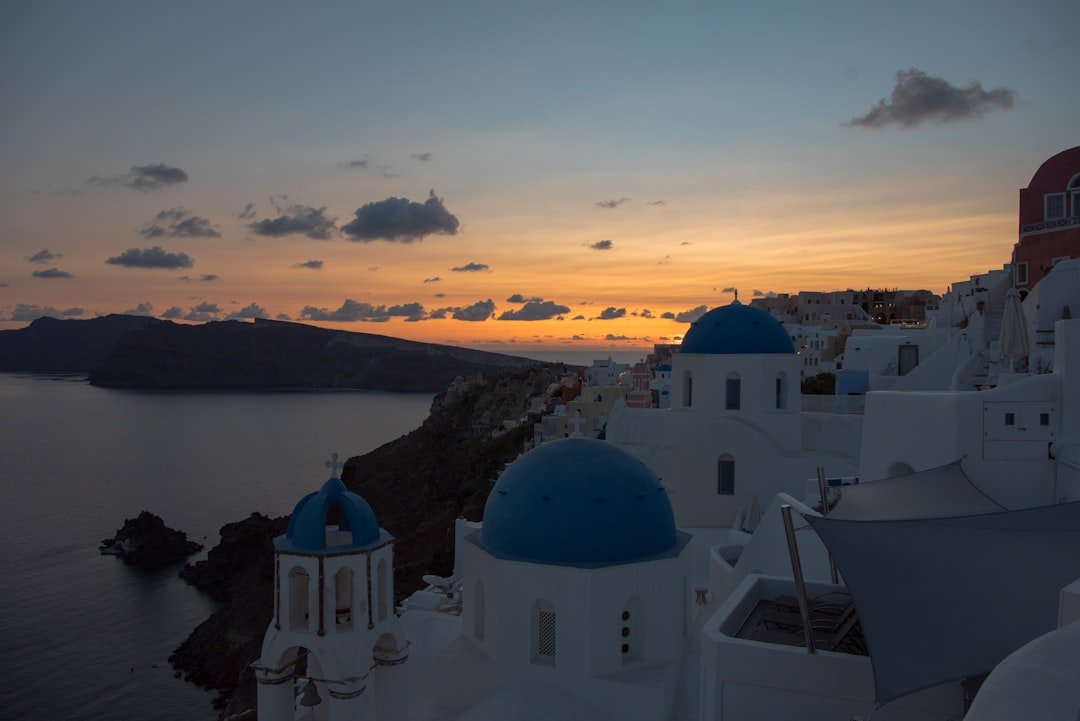
Santorini is especially rewarding for photographers, but timing matters. Sunrise gives you a better chance of quiet streets in Oia, while the hour before sunset and the blue hour afterward soften the harsh contrast found under the midday sun.
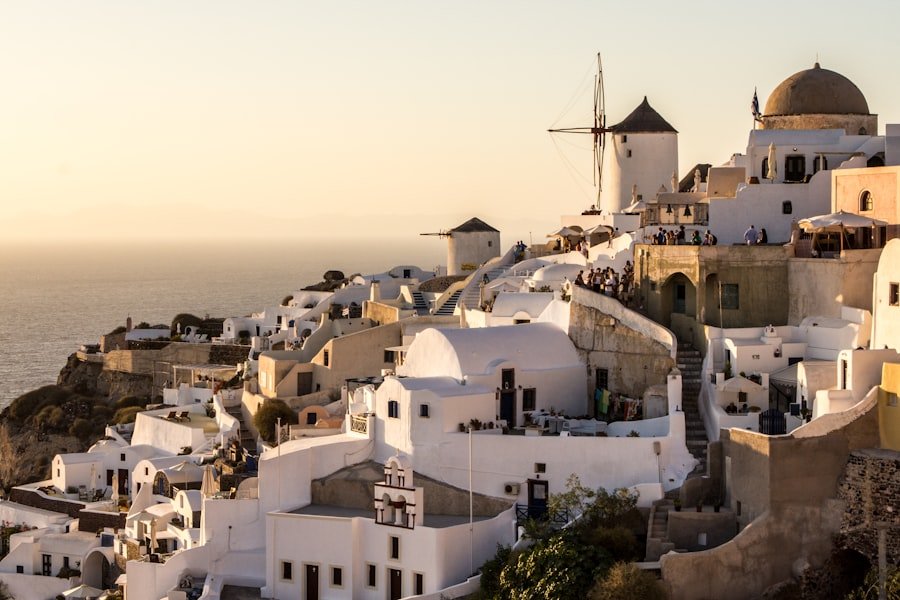
Oia is famous for whitewashed houses, domes, and windmills, but it is not the island’s only strong photography location. Imerovigli offers expansive caldera views, Pyrgos provides elevated village scenes, and the volcanic coastline gives you a completely different palette from the classic white-and-blue architecture.
Spring and fall are easier for photographers who want to walk between locations without midsummer heat. In July and August, photograph outdoor locations early, take a break during the hottest part of the day, and return for late-afternoon light.
Local Cuisine and Dining Options
Santorini’s food scene is rooted in ingredients that cope with the island’s dry, volcanic environment. Local specialties include Santorini fava, cherry tomatoes, capers, white eggplant, tomato fritters, and cheeses such as chloro. The island’s official gastronomy guide also highlights Assyrtiko and Vinsanto among its distinctive wines.
Season affects the dining experience. In July and August, reserve restaurants with famous sunset views or small terraces ahead of time. In the shoulder season, it is generally easier to eat spontaneously, although well-known restaurants can still fill up.
A winery visit fits especially well into spring and fall itineraries because it gives you an activity that does not depend on spending the whole day at a beach. Wine-focused travelers may also enjoy visiting during the late-summer harvest period.
What to Pack for Santorini by Season
From May through September, bring lightweight clothing, strong sun protection, a refillable water bottle, and comfortable walking shoes. Santorini’s lanes, stairs, and hiking paths make footwear more important than it may appear from photographs.
For April, October, and windy evenings at any time of year, add a light jacket or sweater. Comfortable merino wool travel socks can help on long walking days, especially if you plan to hike between Fira and Oia.
If you expect long hiking, photography, or sightseeing days away from an outlet, a compact battery pack is usually simpler than relying on solar power, although travelers building a more outdoor-focused kit can compare options in this guide to choosing a solar charger for backpacking.
Travel Safety and Seasonal Conditions
Greece is currently listed by the U.S. Department of State at Level 1: Exercise normal precautions. Travelers should still protect themselves from heat and sun, watch local weather forecasts, and follow official instructions during natural-hazard events. Greece is seismically active, and hot, dry summer conditions can also increase wildfire risk.
Warning: Natural conditions can change faster than an evergreen travel guide. Before departure, check current airline or ferry information, local weather, emergency alerts, and your government’s latest Greece travel advice. Greece’s emergency number is 112.
You can review the latest U.S. Department of State Greece travel advisory before your trip.
Frequently Asked Questions
What is the best time to travel to Santorini, Greece?
For most travelers, late May to early June and September to early October are the best times. The weather is warm, most visitor services are operating, and crowds are generally easier to manage than during the July-August peak.
What is the weather like in Santorini during the best time to travel?
Average daily highs are about 72°F (22°C) in May, 79°F (26°C) in June, 77°F (25°C) in September, and 72°F (22°C) in October. Even warm days can be windy, and evenings in spring or fall may require a light layer.
What are the best months for swimming in Santorini?
June through September is the safest choice for a beach-focused trip because air temperatures are reliably warmer. April and early May are better for sightseeing and hiking if comfortable swimming is a major priority.
Are there festivals during the best time to visit Santorini in 2026?
Yes. Confirmed 2026 events include the Strongyli Festival from July 4 through September 10, Ifestia on September 19, and the Municipality of Thira’s Band & Choir Festival on October 2-3. Always reconfirm event details before making nonrefundable travel plans.
Is Santorini crowded in May, June, September, or October?
Santorini can be busy throughout its main visitor season, but May, early June, September, and October are generally easier than July and August. Oia and Fira can still become crowded on busy cruise days and around sunset.
What is the cheapest time to visit Santorini?
The winter low season usually has the least tourism demand, but many visitor-focused businesses reduce their schedules. May and October often make more practical value choices because you can avoid peak summer demand while still enjoying a broad range of hotels, restaurants, attractions, and activities.
When should I book a Santorini hotel?
Book as early as practical for July, August, festival dates, honeymoons, or a specific caldera-view room. Shoulder-season travelers usually have more flexibility, but distinctive small hotels and suites can still sell out well before arrival.
Sources
- Santorini Official Tourism — Climate & Morphology — seasonal climate, peak summer season, and spring conditions.
- Santorini.net — Weather — local monthly average high and low temperatures and seasonal weather guidance.
- Municipality of Thira — 9th Strongyli Festival — official July 4-September 10, 2026 festival schedule.
- Discover Greece — Ifestia Festival 2026 — September 19, 2026 event date and festival details.
- Hellenic Ministry of Culture — Archaeological Sites and Museums — current visitor and opening information for cultural attractions.
- U.S. Department of State — Greece Travel Advisory — current safety, earthquake, wildfire, and emergency guidance.
