
Last Updated on July 27, 2026 by Daniel Globe
When planning a trip to Las Vegas, timing is everything. Weather conditions, resort pool schedules, and major trade shows significantly influence not only your comfort but also your hotel rates and activity options. While the famous resort corridor operates 24 hours a day year-round, seasonal shifts in the Mojave Desert dramatically affect daytime sightseeing and outdoor adventures.
Quick Answer
The best time to visit Las Vegas is during the spring (March to May) and fall (September to November). During these months, daytime temperatures average a comfortable 70°F to 80°F (21°C to 27°C), perfect for strolling the Strip, enjoying resort pools, and hiking nearby desert parks without enduring extreme summer heat.
Key Takeaways
- Prime Weather Windows: Spring (March–May) and Fall (September–November) offer warm days and mild evenings ideal for all activities.
- Budget Travel Window: Midweek stays in July and August bring deep discounts on resort rooms, though daytime heat routinely exceeds 100°F (38°C).
- Convention Price Spikes: Major trade shows like CES (January) can double or triple hotel rates regardless of general tourist season.
- Pool Season: Las Vegas day clubs and resort pools operate from March through October.
- Outdoor Adventure Timing: Desert hikes at Red Rock Canyon and Valley of Fire are best scheduled between November and April.
Disclosure: As an Amazon Associate I earn from qualifying purchases. Some links on this page are affiliate links, at no extra cost to you.
Peak Tourist Seasons in Las Vegas
Understanding seasonal flow in southern Nevada helps travelers balance ideal weather against room rates and crowd sizes. Unlike traditional beach or European cities, Las Vegas experiences distinct peak and off-peak patterns driven by desert temperatures and massive convention calendars.
Spring and Fall: Peak Weather Season
Spring (March through May) and autumn (September through November) deliver the most pleasant conditions in Las Vegas. Daily highs stay around 70°F to 85°F under clear skies according to climate data from the National Weather Service (NOAA). These transitional months attract visitors looking to combine patio dining, walking the Strip, and outdoor recreation before or after intense summer heat.
Pro Tip: Visiting in mid-April or late October lets you enjoy ideal 75°F pool weather while avoiding major holiday surges like Spring Break or Memorial Day weekend.
Summer: High Heat and Low Room Rates
From late May through August, Las Vegas enters its hottest climate phase, with afternoon temperatures routinely reaching 105°F to 115°F (40°C to 46°C). While land-based sightseeing can be taxing during midday hours, summer serves as peak season for resort pool parties and day clubs. High-end Strip resorts lower room rates during summer midweek periods to fill inventory, offering excellent value for travelers who plan to stay indoors or poolside during the afternoon.
Warning: Mojave Desert heat causes dehydration quickly. When walking between resorts in summer, use air-conditioned indoor walkways and trams whenever possible, and keep water on hand at all times.
Winter: Cooler Days and Holiday Spikes
Winter brings crisp, cool weather to the valley, with daytime temperatures averaging 55°F to 65°F (13°C to 18°C) and nighttime lows dropping into the 30s°F (2°C to 4°C). While resort pools close for heating and maintenance during these months, winter offers comfortable conditions for walking, dining, and attending indoor shows. Tourism peaks sharply around New Year’s Eve and major sports weekends (such as the Super Bowl), driving up hotel demand.
Hotel Rates and Availability

Hotel rates in Las Vegas fluctuate dramatically compared to almost any other major destination. Prices are driven primarily by two variables: day of the week and the citywide event calendar.
Data from the Las Vegas Convention and Visitors Authority (LVCVA) shows that room rates on the Strip frequently double or triple on Friday and Saturday nights compared to Sunday through Thursday rates.
To maximize your accommodation budget, consider these key booking strategies:
- Book Midweek: Checking in on Sunday and checking out on Thursday can cut your total hotel cost by 40% to 60%.
- Avoid Major Conventions: Huge gatherings like the Consumer Electronics Show (CES in January) or SEMA (November) bring over 100,000 attendees, driving citywide occupancy over 90%.
- Account for Resort Fees: Nearly all major resorts add a daily resort fee ($35 to $50 per night plus tax) on top of the published room rate to cover Wi-Fi, fitness center access, and local calls.
Note: Early December (between Thanksgiving and Christmas week) represents one of the quietest periods in Las Vegas, offering low hotel rates, short show lines, and festive holiday decor across resort conservatories.
Special Events and Festivals
Special events enhance the Las Vegas experience with world-class music, entertainment, and sports, but they also bring larger crowds and higher hotel prices. Aligning your travel dates with these events—or choosing to avoid them—is a crucial part of trip planning.
- Electric Daisy Carnival (EDC): Held every May at the Las Vegas Motor Speedway, this three-day festival draws over 400,000 electronic music fans.
- Formula 1 Las Vegas Grand Prix: Takes place in mid-November, transforming the Strip into a night race circuit and drawing global motorsport crowds.
- National Finals Rodeo (NFR): Fills the city for ten days in early December with Western sports, country music residencies, and shopping expos.
- Music & Food Festivals: Spring and autumn host popular events like Life Is Beautiful and various celebrity chef food festivals along the Strip.
Products Worth Considering

Personalized gift idea: A scratch-off surprise concert tickets, ideal for a gift to a friend or family member. You can make your own by writing down the artist and putting a scratch sticker on top. Give them this surprise reveal card and watch as they scratch off the red heart sticker to reveal your surprise artist.

SURPRISE CONCERT TICKET: This scratch and reveal card is a very special and fun way to reveal a surprise concert. This personalized gift card can also be kept as a souvenir and can also be used as decoration.

Outdoor Activities Around Las Vegas
Beyond the casino floors and neon lights, southern Nevada offers dramatic natural scenery. Timing your outdoor excursions according to the season ensures safety and comfort.
Spring and winter are the best times to explore local parks:
- Red Rock Canyon National Conservation Area: Located just 20 miles west of the Strip, offering scenic drives and hiking trails framed by red sandstone cliffs.
- Valley of Fire State Park: Famous for ancient petroglyphs and vibrant sandstone formations, located 50 minutes northeast.
- Hoover Dam and Lake Mead: Ideal for kayaking, boat rentals, and architectural tours along the Colorado River basin.
If you plan on undertaking serious desert trails or multi-day excursions to nearby national parks, equipping yourself properly is vital. Choosing the best hiking backpack for multi-day trek ensures you can carry adequate water reserves, sun protection, and essential gear safely.
Entertainment and Shows
Las Vegas is recognized globally as the entertainment capital of the world. World-class productions run continuously throughout the year, though show schedules vary by season:
- Residencies: Top pop, rock, and country artists perform extended runs at venue arenas like the Colosseum at Caesars Palace, Dolby Live, and the Sphere.
- Cirque du Soleil: Multiple permanent productions run year-round, though individual shows routinely take 1- to 2-week maintenance breaks during winter or mid-summer.
- Comedy & Magic: Headliners perform nightly across various theater venues along the Strip and Downtown Fremont Street.
Dining and Nightlife
Las Vegas features an extraordinary concentration of Michelin-starred chefs, celebrity dining spots, and legendary nightlife. Seasonal dining nuances include:
- Patio & Rooftop Dining: Best enjoyed during spring and fall evenings when temperatures hover around 70°F (21°C).
- Dayclubs and Pool Venues: Open from March to October, offering world-famous DJ performances during day parties.
- Off-Strip Culinary Scene: Chinatown (located along Spring Mountain Road) and Downtown Las Vegas provide authentic, budget-friendly culinary options year-round without Strip markup pricing.
Budget-Friendly Travel Options
Traveling to Las Vegas on a budget is easy with smart planning and resourcefulness:
- Use Public Transit: The RTC Deuce bus runs 24/7 along the Strip and to Downtown Fremont Street, offering affordable multi-day passes that eliminate taxi fares.
- Dine Off-Peak: Take advantage of happy hour specials (typically 4:00 PM to 6:00 PM) at high-end Strip restaurants for discounted appetizers and drinks.
- Explore Free Attractions: Visit iconic sights like the Bellagio Fountains, the Bellagio Conservatory & Botanical Gardens, the Mirage Volcano, and the Fall of Atlantis at Forum Shops.
- Stay Midweek: Shifting your travel dates from Thursday-Sunday to Sunday-Thursday often slashes hotel room costs in half.
Products Worth Considering

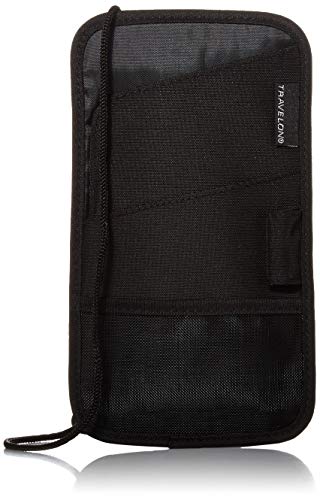
Wear around your neck or crossbody for easy hands-free check-in

COMPATIBLE: The EZ Pass Holder works with most major toll passes, making it ideal for intra- and inter-city travel by private car or public transportation.
FAQs
What is the best time to travel to Las Vegas?
The best time to travel to Las Vegas is during spring (March to May) and fall (September to November). Temperatures are mild and daily highs average between 70°F and 80°F, making it comfortable for walking the Strip, enjoying pools, and taking outdoor day trips.
What is the weather like in Las Vegas during the best times to travel?
During spring and fall, Las Vegas enjoys warm, sunny weather with average highs between 70°F and 85°F (21°C to 29°C) and cool evening breezes. Humidity levels remain low, and rainfall is rare, providing optimal weather for sightseeing.
Are there any major events or festivals in Las Vegas during peak travel months?
Yes, spring and fall host major events including the Electric Daisy Carnival (May), Life Is Beautiful festival (September), the Formula 1 Las Vegas Grand Prix (November), and numerous food and wine festivals. Hotel rates rise during these event weekends.
Are hotel rates and airfare cheaper during the best times to travel to Las Vegas?
Hotel rates are moderately priced midweek during spring and fall, but weekends can be expensive. For the absolute cheapest hotel rates and airfares, consider traveling midweek during summer (July–August) or in early December before Christmas.
What are the popular attractions to visit in Las Vegas during the best times to travel?
Top attractions include exploring the resort corridor, watching the Bellagio Fountains, riding the High Roller Observation Wheel, visiting Downtown Fremont Street, enjoying Cirque du Soleil shows, and taking day trips to Red Rock Canyon or Hoover Dam.
Sources
- Las Vegas Convention and Visitors Authority (LVCVA) — Official visitor trends, hotel occupancy stats, and tourism data.
- National Weather Service (NOAA) — Historical climate data and seasonal temperature averages for Las Vegas, NV.
- National Park Service / Bureau of Land Management — Official guidelines and hiking visitor info for Red Rock Canyon and Lake Mead.
