

Last Updated on July 27, 2026 by Daniel Globe
The best time to visit Las Vegas depends on what you want from the trip. March, April, October, and early November usually provide the most comfortable weather for walking and outdoor sightseeing. Summer suits pool-focused travelers who can manage extreme heat, while winter brings cooler days, holiday displays, and busy special-event periods.
Quick Answer
The best time to visit Las Vegas for comfortable weather is usually March through April or October through early November. Choose late spring or summer for pool-focused trips, winter for holiday displays and cooler sightseeing, and midweek dates for a better chance of lower room rates. Check major-event calendars before booking.
Key Takeaways
- March, April, October, and early November offer the best balance of comfortable weather and outdoor access.
- September is part of fall but remains hot, with a normal monthly high near 95°F.
- July and August have normal highs above 100°F, so outdoor activities should be limited during the hottest hours.
- Midweek dates can cost less than weekends, but conventions, festivals, sporting events, and holidays may increase rates in any season.
- Red Rock Canyon requires timed-entry reservations for its Scenic Drive during specified daytime hours from October through May.
Disclosure: As an Amazon Associate I earn from qualifying purchases. Some links on this page are affiliate links, at no extra cost to you.
Best Time to Visit Las Vegas at a Glance
For most first-time visitors, the strongest weather windows are March through April and October through early November. These periods are warm enough for sightseeing but usually more comfortable than summer. They are not automatically the cheapest dates, because good weather, major events, and weekend demand can raise hotel prices.
| Month | Normal High | Normal Low | Best For |
|---|---|---|---|
| January | 58.5°F | 40.5°F | Cool sightseeing and indoor attractions |
| February | 62.9°F | 44.1°F | Outdoor sightseeing with layers |
| March | 71.1°F | 50.5°F | Walking, hiking, and spring events |
| April | 78.5°F | 56.9°F | Best overall weather balance |
| May | 88.5°F | 66.1°F | Pools, nightlife, and major festivals |
| June | 99.4°F | 75.8°F | Pool trips and indoor entertainment |
| July | 104.5°F | 82.0°F | Indoor attractions and resort pools |
| August | 102.8°F | 80.6°F | Pools and possible lower room rates |
| September | 94.9°F | 72.4°F | Late pool season and nightlife |
| October | 81.2°F | 59.6°F | Best overall weather balance |
| November | 67.1°F | 47.3°F | Cooler sightseeing and holiday transition |
| December | 56.9°F | 39.6°F | Holiday displays and New Year celebrations |
These figures are 1991–2020 climate normals from the National Weather Service Las Vegas temperature overview. They describe long-term averages, not a forecast for a specific trip.
October’s normal high is 81.2°F, while July’s is 104.5°F. Choosing the right month can change how much of Las Vegas you can comfortably explore outdoors.
Spring: Comfortable Weather, Gardens, and Pool Openings
Spring is one of the most appealing times to visit Las Vegas, but conditions change quickly between March and May. March has a normal high near 71°F, April rises to about 79°F, and May averages close to 89°F. Early spring evenings can feel cool, while late-May afternoons may already require summer-style heat precautions.
Comfortable mornings make spring suitable for walking along the Strip, visiting outdoor shopping areas, and exploring desert attractions. The Springs Preserve Botanical Garden contains thousands of Mojave Desert and desert-adapted plants. Natural wildflower displays outside maintained gardens depend on rainfall and are not guaranteed every year.
Spring also begins the main pool period at many Las Vegas resorts. Some properties open pools or day clubs in March, while others follow different schedules based on weather, maintenance, and resort policy. Check the hotel’s current pool calendar before booking a trip around pool access.
Food, music, sports, and cultural events can create lively spring weekends. However, event names and dates change from year to year. Confirm the official schedule before purchasing nonrefundable flights or hotel rooms.
Pro Tip: April often provides the best compromise between warm pool weather and comfortable walking temperatures. Compare weekday and weekend rates because spring conventions and festivals can create sharp price differences.
Summer: Pools, Indoor Attractions, and Extreme Heat
Summer in Las Vegas is intensely hot. The normal high is 99.4°F in June, 104.5°F in July, and 102.8°F in August. Normal nighttime lows remain in the mid-70s to low 80s, so evenings may still feel hot.
Resort pool complexes, day clubs, shaded cabanas, and indoor attractions become central to many summer trips. Pool parties may include DJs and entertainment, but entry rules, age limits, dress codes, reservation requirements, and operating dates differ by venue.
Las Vegas also offers extensive indoor entertainment, including concerts, comedy, production shows, museums, restaurants, shopping centers, and casinos. Outdoor attractions such as the High Roller Observation Wheel and the Fountains of Bellagio may be more comfortable after sunset, although warm nighttime temperatures can continue.
Warning: Extreme heat can cause serious illness. Follow National Weather Service heat guidance, drink water regularly, take frequent cooling breaks, avoid strenuous midday activity, and never leave a child or pet in a parked vehicle.
Summer thunderstorms can also produce lightning, strong wind, and sudden flooding. Never enter a flooded roadway or desert wash. Check the current forecast before hiking, driving through low areas, or scheduling exposed outdoor activities.
Fall: From September Heat to Comfortable October Weather

Fall should not be treated as one uniform weather period. September remains hot, with a normal high of 94.9°F. October is much milder at 81.2°F, while November’s normal high drops to 67.1°F. October and early November are generally the most comfortable fall periods for long walks and outdoor sightseeing.
Visitors can explore the Strip, downtown attractions, and nearby desert scenery without the sustained midsummer heat. Red Rock Canyon offers a 13-mile Scenic Drive, hiking routes, picnic areas, and desert views about 17 miles west of the Strip.
Note: The Bureau of Land Management requires timed-entry reservations for the Red Rock Canyon Scenic Drive from October 1 through May 31 for entry between 8 a.m. and 5 p.m. Rules, fees, and operating hours should be checked before departure.
Fall also brings Halloween celebrations, food events, concerts, and professional football games at Allegiant Stadium. These activities can increase weekend crowds and hotel rates. Fall-themed and harvest events vary by year, so travelers should rely on current official calendars rather than assuming that a particular festival will return under the same name.
Winter: Holiday Displays and Cooler Sightseeing
Winter is cool rather than consistently warm. December has normal temperatures of 56.9°F during the day and 39.6°F at night. January averages 58.5°F and 40.5°F, while February rises to 62.9°F and 44.1°F. Sunny afternoons can feel pleasant, but evenings may require a jacket.
| Activity | Typical Location | Planning Note |
|---|---|---|
| Seasonal ice skating | The Ice Rink at The Cosmopolitan | Dates, sessions, admission rules, and hours vary by season. |
| Holiday floral display | Bellagio Conservatory & Botanical Gardens | Displays and access policies change; temporary installation closures may occur. |
| Holiday lights and entertainment | The LINQ Promenade and other resort districts | Programming is announced annually and should be verified before visiting. |
| Holiday shopping | The Forum Shops at Caesars Palace | Store and holiday hours vary by date and retailer. |
The holiday season brings elaborate resort decorations, themed entertainment, dining events, and seasonal attractions. The Bellagio Conservatory is a popular stop, but display changeovers and special-access periods can affect availability.
New Year’s Eve is one of the busiest winter occasions. The Strip may feature coordinated fireworks, headline entertainment, road closures, security checkpoints, and very large crowds. Book early and review current transportation and access instructions before arriving.
Visitors seeking a quieter winter experience can consider nonholiday weekdays. Seasonal skating, shopping, museums, and indoor shows can be enjoyed without relying on warm weather.
Off-Peak Times: Finding Deals and Avoiding Crowds
Las Vegas does not have one guaranteed off-season. Hotel demand changes with weekends, conventions, concerts, sporting events, school holidays, and major festivals. A normally quiet month can become expensive when a large event is in town.
Midweek stays often provide a better chance of lower room rates and easier restaurant reservations than Friday and Saturday nights. Late-summer dates may also offer attractive hotel promotions, but the tradeoff is extreme heat. Selected winter weekdays can be affordable, while New Year’s Eve, major conventions, and other special-event periods may be among the most expensive dates.
Quieter dates can mean shorter waits at attractions such as the Neon Museum and the Mob Museum. Shows may also release promotions for selected performances, although discounts are never guaranteed.
Compare the complete stay cost rather than the advertised nightly price. Resort fees, parking, transportation, taxes, pool access, and ticket charges can significantly change the final total.
Pro Tip: Check hotel rates for Tuesday through Thursday, then compare those dates with the city’s convention, festival, concert, and sports calendars. Moving a trip by one or two days can make a meaningful difference.
Products Worth Considering

Proudly Made In The USA - by a hardworking American small business in Austin, TX. This premium wall calendar is printed locally on FSC-certified paper for a reduced carbon footprint making it an environmentally conscious choice over mass-produced imported calendars.

YEARLY ORGANIZATION Calendars are a home and office essential. Keep track of monthly reminders, important dates, and events with each sizable daily grid. Every page includes before and after preview months plus public and culturally significant holidays. Months and days of the week are written in English, French, and Spanish.
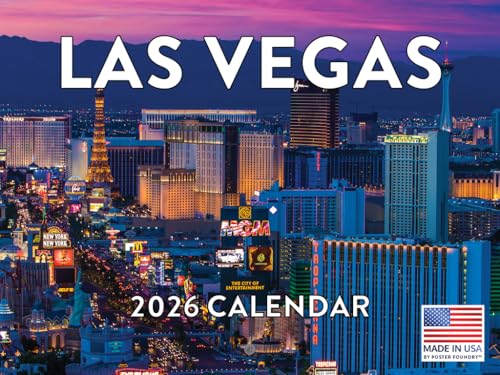
Proudly Made In The USA - by a hardworking American small business in Austin, TX. This premium wall calendar is printed locally on FSC-certified paper for a reduced carbon footprint making it an environmentally conscious choice over mass-produced imported calendars.
Events and Festivals: Check the Calendar Before Booking

Las Vegas hosts large events throughout the year, and planning around one can make the trip more memorable. It can also increase airfare, hotel rates, traffic, and restaurant demand.
Products Worth Considering

Personalized gift idea: A scratch-off surprise concert tickets, ideal for a gift to a friend or family member. You can make your own by writing down the artist and putting a scratch sticker on top. Give them this surprise reveal card and watch as they scratch off the red heart sticker to reveal your surprise artist.

High quality paper: Our diary uses high-quality paper to ensure smooth writing, resistance to tearing and fading.
Electric Daisy Carnival
EDC Las Vegas is a major electronic dance music festival normally associated with May. It features DJs, large stages, art installations, and nighttime entertainment. Dates, ticket availability, age requirements, and transportation plans must be confirmed for the specific year.
Las Vegas Restaurant Week
Las Vegas Restaurant Week is an annual summer event in which participating restaurants offer special prix-fixe menus and contribute part of the proceeds to Three Square Food Bank. Participating restaurants, dates, prices, and reservation availability change each year.
Spring, Fall, and Cultural Events
The Las Vegas City of Lights Jazz and R&B Festival is one verified spring example. Food-and-wine programs, beer events, film festivals, cultural celebrations, Halloween parties, and harvest-themed activities may also appear on the calendar, but names and promoters can change. Use the event organizer’s official website before treating any event as confirmed.
Sports and Holiday Weekends
Professional football, combat sports, racing, basketball tournaments, rodeo events, and New Year celebrations can attract large crowds. Travelers who are not attending the event may prefer different dates to avoid higher prices and congestion.
Weather Considerations and Desert Safety
Las Vegas has a desert climate with hot summers, mild-to-cool winters, low average rainfall, strong sunshine, and large differences between daytime and nighttime temperatures. Conditions in outlying desert and mountain areas may differ from those near the Strip.
Heat
July and August have normal highs above 100°F. During a heat alert, reduce outdoor activity, seek air-conditioned spaces, drink water regularly, and check on vulnerable travelers. Schedule necessary outdoor walking for early morning or after sunset whenever practical.
Thunderstorms and Flash Floods
Summer thunderstorms can produce lightning, gusty wind, and rapid flooding. Desert washes and low road crossings can fill quickly even when rain is not falling directly overhead. Never walk or drive through flowing water.
Wind and Dust
Wind can occur in any season and may affect outdoor shows, hiking, driving, and aviation. Travelers with desert plans should check wind forecasts as well as temperature and rain.
Sun Exposure
Use sunscreen, sunglasses, protective clothing, and shade throughout the year. Mild air temperatures do not eliminate ultraviolet exposure.
Best Time to Visit Las Vegas by Trip Type
| Trip Priority | Recommended Period | Main Tradeoff |
|---|---|---|
| Best overall weather | March–April and October–early November | Popular events may raise prices. |
| Pools and day clubs | Late spring through early fall | Summer heat can limit other activities. |
| Hiking and Red Rock Canyon | March–April and October–November | Reservations may be required for the Scenic Drive. |
| Potential hotel value | Midweek dates and selected late-summer or winter weeks | Heat or special events can change the value. |
| Holiday atmosphere | Late November–December | Evenings are cold and holiday dates can be busy. |
| Shows and nightlife | Year-round | Schedules, closures, and residencies change. |
| Family sightseeing | Spring or fall weekdays | Confirm age restrictions for individual venues. |
Products Worth Considering

1) Want to create the most realistic concert or event ticket ever? This concert ticket offers a fantastic gift idea that is sure to thrill your partner, parents, and friends.

Personalized gift idea: A scratch-off surprise theatre tickets, ideal for a gift to a friend or family member. You can make your own by writing down the show and putting a scratch sticker on top. Give them this surprise reveal card and watch as they scratch off the gold heart sticker to reveal your surprise show.
Tips for Choosing Your Travel Dates
- Choose your main priority. Decide whether weather, pools, outdoor activities, events, or price matters most.
- Check normal temperatures. Use monthly normals for planning, then review the actual forecast shortly before departure.
- Search the event calendar. Conventions, festivals, games, and concerts can change room rates and traffic.
- Compare midweek dates. Tuesday-through-Thursday stays may cost less than weekends.
- Verify resort facilities. Pool hours, seasonal attractions, restaurants, and shows may close or change schedules.
- Review total costs. Include resort fees, parking, transportation, taxes, and tickets.
- Reserve outdoor attractions. Confirm Red Rock Canyon entry rules and any tour reservations before arrival.
- Build a weather backup plan. Include indoor attractions in case of heat, high wind, thunderstorms, or unexpected cold.
What to Pack by Season
Spring and Fall
- Light layers for changing morning, afternoon, and evening temperatures
- Comfortable walking shoes
- Sunscreen, sunglasses, and a hat
- A light jacket for cool evenings or heavily air-conditioned venues
Summer
- Lightweight, breathable clothing
- A refillable water bottle
- Strong sun protection
- A light indoor layer for cold air conditioning
- Comfortable footwear that protects feet from hot pavement
Winter
- A jacket or warm outer layer
- Long pants and closed shoes
- Layers for sunny afternoons and cold nights
- Sun protection for daytime sightseeing
Additional Trip-Preparation Considerations
After selecting the travel dates, consider smaller packing needs based on your habits. Cigar travelers may need an appropriate travel humidor. Comfortable traveler pants can help with long walks and cool indoor venues, while a compact travel toothbrush can simplify daily routines. These items are secondary preparations and should not determine the season of travel.
Frequently Asked Questions
What is the best time to visit Las Vegas?
March through April and October through early November generally provide the best balance of comfortable weather and outdoor access. Exact prices and crowds depend on weekends, conventions, festivals, and sporting events.
Is spring or fall better for Las Vegas?
Both can be excellent. April is warmer and better for travelers interested in pools, while October usually combines warm afternoons with cooler evenings. September can still be very hot, and November is noticeably cooler.
What are the hottest months in Las Vegas?
July and August are the hottest months by normal average high temperature. July’s normal high is 104.5°F, and August’s is 102.8°F. Extreme heat can exceed those averages.
What is the cheapest time to travel to Las Vegas?
There is no guaranteed cheapest season. Midweek dates, selected late-summer periods, and some nonholiday winter weeks may offer lower rates. Major conventions, concerts, games, festivals, and holidays can make any date expensive.
When is pool season in Las Vegas?
Many resort pools begin seasonal operations in spring and remain active through early fall. Opening dates, hours, heated-pool availability, and day-club schedules differ by property, so check directly with the resort.
Does Las Vegas get cold in winter?
Yes, particularly at night. December’s normal low is 39.6°F, January’s is 40.5°F, and February’s is 44.1°F. Daytime temperatures are milder, but visitors should pack a jacket and layers.
Do I need a reservation for Red Rock Canyon?
A timed-entry reservation is required for the Scenic Drive from October 1 through May 31 when entering between 8 a.m. and 5 p.m. Check the Bureau of Land Management website for current fees, hours, and exceptions.
Which Las Vegas events are worth planning a trip around?
Examples include EDC Las Vegas, Las Vegas Restaurant Week, the City of Lights Jazz and R&B Festival, professional sporting events, headline concerts, and New Year’s Eve celebrations. Always verify dates and availability with the official organizer.
What attractions are good during the most comfortable months?
Comfortable-weather periods are suitable for the Strip, Bellagio Fountains, High Roller Observation Wheel, Springs Preserve, downtown Las Vegas, Red Rock Canyon, outdoor dining, and walking tours. Reservations and operating schedules should be checked in advance.
Sources
- National Weather Service Las Vegas Temperature Overview — monthly normal highs and lows based on 1991–2020 climate normals.
- National Weather Service Heat Alerts and Safety — extreme-heat precautions and alert guidance.
- Bureau of Land Management: Red Rock Canyon — location, activities, operating information, and timed-entry requirements.
- Springs Preserve Botanical Garden — information about its Mojave Desert and desert-adapted plant collection.
- Visit Las Vegas Monthly Guide — seasonal attractions, pools, entertainment, and event-planning context.
- Las Vegas Restaurant Week by Three Square — official event format, timing, menus, and charitable purpose.
