
Last Updated on July 27, 2026 by Daniel Globe
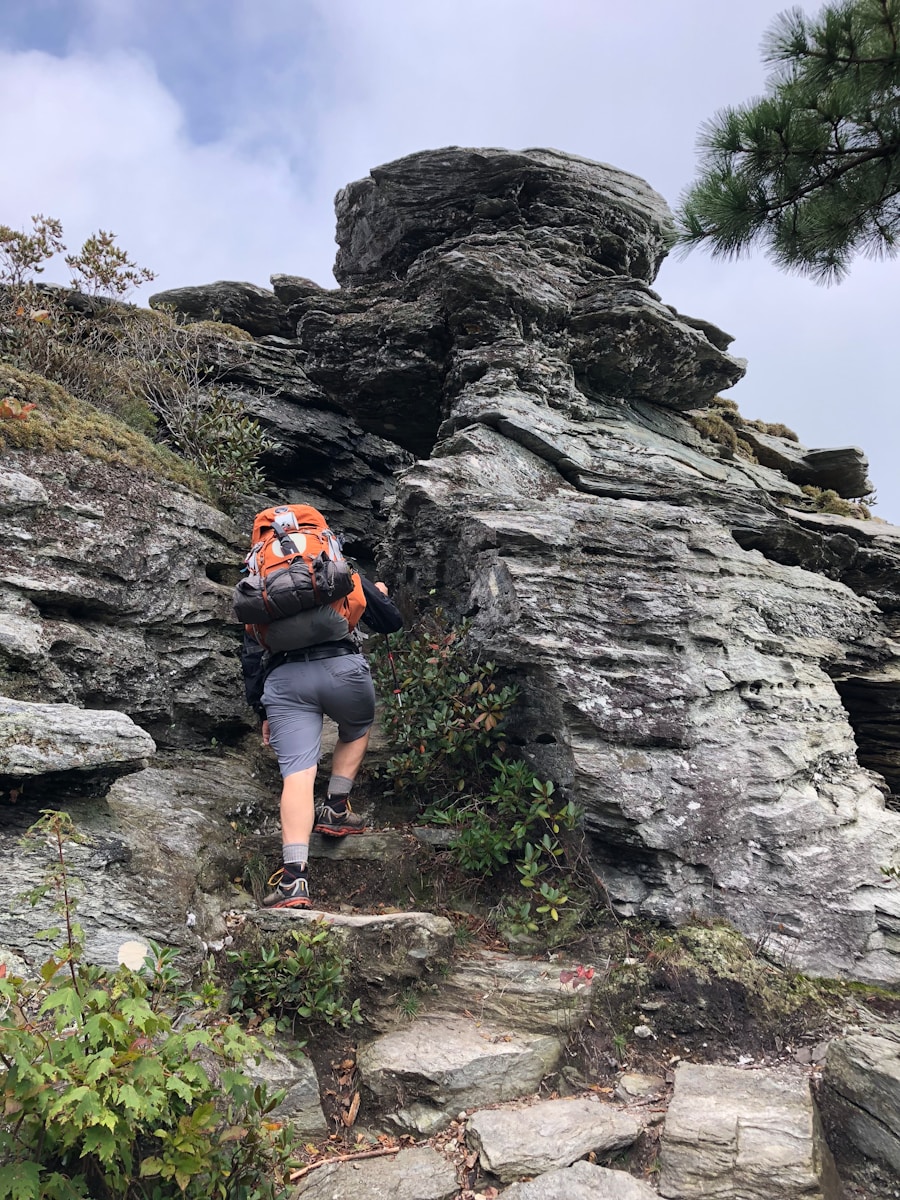
Hiking is a practical way to train your legs, challenge your balance, and build outdoor endurance at the same time. Your quadriceps, glutes, hamstrings, and calves do most of the propulsion and braking, while your abdominal, oblique, and back muscles help keep your trunk steady. Hills, uneven footing, and a backpack can make those demands much greater.
Quick Answer
Hiking mainly works the quadriceps, glutes, hamstrings, and calves, while the abdominals, obliques, and back muscles stabilize your trunk. Uphill sections increase the demand on hip, knee, and ankle extensors; downhill sections add more braking work for the quadriceps. Uneven terrain and a backpack add balance and trunk-control demands.
Key Takeaways
- Hiking works the quads, glutes, hamstrings, calves, and stabilizing muscles of the core and back.
- Uphill hiking increases propulsion demands, while downhill hiking places more eccentric braking demand on the thighs.
- Trail difficulty should match your fitness, experience, elevation tolerance, weather, footing, and pack weight—not one arbitrary grade percentage.
- Hiking can improve muscular endurance and may build strength, especially for beginners, but dedicated resistance training is still useful for complete strength development.
- Progress gradually, use footwear with suitable traction, carry the hiking essentials, and avoid both dehydration and forced overdrinking.
At a Glance
| Time Required | Any hike can train the legs and core; longer or hillier hikes increase total workload. Add a 5–10 minute easy warm-up before harder efforts. |
| Difficulty | Beginner to advanced. Distance, elevation gain, footing, altitude, heat, and pack weight all change the challenge. |
| Tools Needed | Well-fitting walking or hiking footwear, water, food as needed, navigation, weather protection, and the rest of the 10 Essentials. Trekking poles are optional. |
| Cost | Potentially $0 if you already own suitable footwear and safety gear; specialized boots, poles, or packs are optional and route-dependent. |
What Muscles Does Hiking Work?
Hiking uses many of the same muscles as walking, but slopes, rocks, roots, steps, and pack weight increase the work. Laboratory studies of graded walking show that steeper uphill walking increases activity in several hip, knee, and ankle extensor muscles, while downhill walking changes the loading pattern and increases the braking role of the knee extensors. Research on walking grade and leg-muscle activation supports this terrain-specific difference.
| Terrain or Load | Muscles Emphasized | What They Are Doing |
| Level trail | Quads, hamstrings, calves, glutes | Repeated walking propulsion, support, and balance. |
| Uphill | Glutes, quads, calves, hamstrings | Produces more force to raise the body against gravity. |
| Downhill | Quads especially, with help from glutes, calves, and hamstrings | Controls the descent through repeated braking and stabilization. |
| Uneven trail | Legs, hips, core, and back | Makes frequent small adjustments to keep the body balanced over changing footholds. |
| Backpack | Legs plus trunk and back muscles | Adds external load and increases postural work. A 2023 study found slope and heavy backpack load changed torso muscle activity and posture. |
The core is involved, but not in the same way as a set of heavy weighted crunches. Abdominals, obliques, spinal muscles, and hip stabilizers mostly help control your pelvis and torso while your legs move beneath you. Research on slope walking with backpack loads has measured changes in abdominal and back-muscle activity, showing why steeper terrain and load carriage can feel much more demanding through the trunk. See the 2023 torso-muscle study.
Does Hiking Build Leg and Core Strength?
Hiking can improve leg strength, muscular endurance, balance, and work capacity, especially when you are new to hills or gradually move to more demanding terrain. However, “works the muscles” is not the same as “fully replaces strength training.” The CDC’s current adult activity guidance still separates aerobic activity from muscle-strengthening activity and recommends dedicated muscle strengthening on at least two days each week.
For general health, adults should aim for at least 150 minutes of moderate-intensity aerobic activity each week and muscle-strengthening activity on at least 2 days. Hiking can contribute to the aerobic side of that goal, while resistance work can fill strength gaps.
For a beginner, a hilly hike may be enough to create a noticeable strength stimulus. As you adapt, the same route may become more of an endurance workout. If your goal is to become stronger for steep climbs, long descents, or a loaded backpack, combine hiking with progressive exercises such as squats, lunges, step-ups, controlled step-downs, calf raises, and core work.
Choosing the Right Hiking Trails for Leg and Core Workouts
Selecting the right trail matters more than chasing a single incline percentage. Trail difficulty comes from the combination of distance, total elevation gain and loss, steepness, footing, altitude, weather, and the weight you carry. A short technical climb can be harder on the legs and balance system than a much longer smooth trail.
Beginners can start with flat or gently rolling, well-maintained trails. Once those feel comfortable, add one challenge at a time: a little more distance, more elevation, rougher footing, or a light pack. Experienced hikers can use steeper ascents, long descents, stairs, rocks, and sustained elevation change to increase the demand on the quads, glutes, calves, hamstrings, and trunk.
Pro Tip: Read the full elevation profile, not just the mileage. Repeated climbs and descents can fatigue the legs far more than a flatter route of the same distance.
Longer hikes provide more time under load and are useful for endurance, but distance alone does not guarantee a better strength workout. Instead of treating a five-mile route or a 10–15% grade as a universal target, choose a trail that is challenging enough to require effort while still allowing controlled foot placement and a safe return.
Products Worth Considering
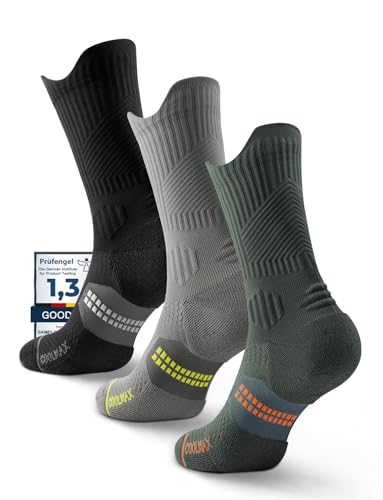
[Flexwrap Compression] – Designed with 15–20 mmHg graduated compression, these socks support the arches and calves to reduce fatigue, improve stability, and promote faster recovery. Perfect for running, hiking, cycling, basketball, pickleball, tennis, golf, and everyday training.

【ULTRA-LIGHT】weight makes your runs easier, wearing in it you will feel like in nothing. Why you'll love it: A barely-there feel you'll want to experience every time you lace up.
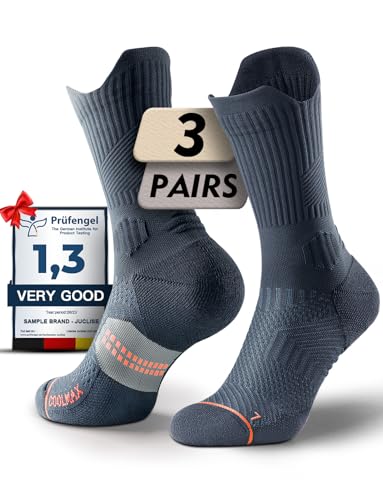
[Flexwrap Compression] – Designed with 15–20 mmHg graduated compression, these socks support the arches and calves to reduce fatigue, improve stability, and promote faster recovery. Perfect for running, hiking, cycling, basketball, pickleball, tennis, golf, and everyday training.
Essential Gear and Safety Tips for Hiking
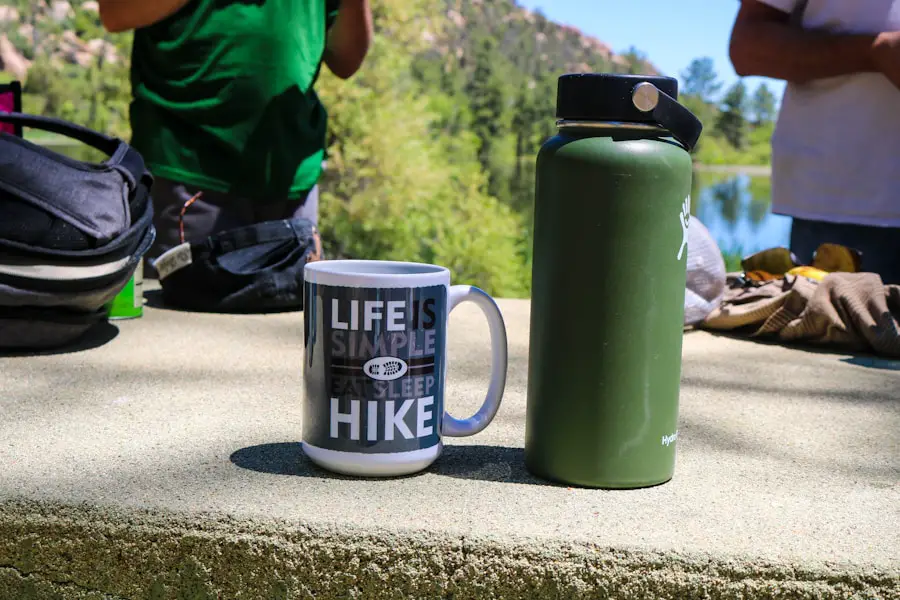
Footwear should fit well, grip the trail surface, and match the route. Sturdy hiking boots can be useful on rough dirt and gravel or when carrying a heavier load, but ankle-high boots are not mandatory for every hiker or every trail. The most important factors are secure fit, appropriate traction, comfort, and footwear that you have already tested before a long outing. Moisture-wicking synthetic or wool socks can also reduce friction and help manage sweat.
Clothing should allow free movement and match the weather. Layers make it easier to adjust to temperature changes, and rain protection can matter even on a short hike when mountain weather changes quickly. A well-fitted backpack should hold water, food, navigation, sun protection, first aid, extra clothing, illumination, and other route-specific equipment without bouncing or pulling you off balance.
The National Park Service Hike Smart guidance recommends matching the trail to your abilities, leaving a trip plan, checking weather and alerts, carrying the 10 Essentials, and not relying on a phone as your only communication or navigation tool.
- Navigation: Map, compass, GPS, or downloaded offline map—and know how to use it.
- Sun protection: Sunscreen, sunglasses, hat, and protective clothing.
- Extra clothing: Layers for the coldest or wettest realistic conditions.
- Illumination: Headlamp or flashlight with adequate battery power.
- First aid: A small kit plus personal medications.
- Fire, repair tools, food, water/treatment, and emergency shelter: Scale these to the route and remoteness.
Warning: Turn around if weather, heat, altitude symptoms, worsening pain, poor footing, or fatigue makes safe travel uncertain. A harder workout is never worth losing the ability to return safely.
Products Worth Considering

ESSENTIALS FOR EMERGENCIES: Be prepared for unexpected situations with this first aid kit featuring 150+ essential supplies. It includes a variety of bandages, gloves, povidone-iodine prep pads, metal tweezers, a tourniquet, and more.

Lightweight Emergency Kit: This ultralight medical kit fits easily in your pack's side pocket for convenient access; includes supplies to clean and bandage wounds, aid muscle aches, dress blisters, and treat other common outdoor discomforts

ESSENTIALS FOR EMERGENCIES: Be prepared for unexpected situations with this first aid kit featuring 150+ essential supplies. It includes a variety of bandages, gloves, povidone-iodine prep pads, metal tweezers, a tourniquet, and more.
Preparing Your Body for Hiking: Exercises and Stretches
| Exercise/Stretch | Description | Repetitions | Sets |
|---|---|---|---|
| Squats or Sit-to-Stands | Builds general leg and glute strength | 8–12 | 1–3 |
| Lunges | Trains single-leg strength, balance, and hip control | 8–12 each leg | 1–3 |
| Step-Ups | Mimics climbing steps and steep trail sections | 8–12 each leg | 1–3 |
| Controlled Step-Downs | Trains the controlled lowering needed on descents | 6–10 each leg | 1–3 |
| Calf Raises | Strengthens the calves and ankle plantar flexors | 12–20 | 1–3 |
| Plank | Builds trunk endurance for posture and load carriage | 20–45 seconds | 1–3 |
| Hamstring Stretch | Optional flexibility work after the hike or separate from the warm-up | Hold 20–30 seconds | 1–3 |
| Quad Stretch | Optional flexibility work for the front of the thigh | Hold 20–30 seconds each leg | 1–3 |
Preparation is especially useful if your planned hike is longer, steeper, or more technical than your normal activity. Strength training with squats, lunges, step-ups, calf raises, hip-hinge movements, and controlled step-downs develops the muscles that repeatedly push and brake on the trail. Core exercises such as planks, side planks, and loaded carries can improve trunk endurance.
Before hiking, start with several minutes of easy walking and then use dynamic movements that feel comfortable, such as leg swings, marching, or walking lunges. Static stretching can be useful for flexibility or simply because it feels good, but it should not be presented as a guaranteed way to prevent soreness or injury. After the hike, an easy cool-down and gentle stretching are reasonable options.
Note: The sample repetitions above are general fitness examples, not a rehabilitation plan. If you have a chronic condition, recent injury, significant joint pain, or have been inactive and plan to start vigorous exercise, discuss an appropriate progression with a qualified health professional.
Techniques for Maximizing Leg and Core Engagement While Hiking
Good hiking technique should make you more controlled, not simply more tired. On climbs, shorten your stride when the slope steepens and keep a steady pace you can sustain. Let your body lean slightly into the hill from the ankles rather than folding sharply at the waist. Push through the whole foot and use the glutes and calves instead of trying to bound up every step.
On descents, shorten your steps, keep the knees soft rather than locked, and control your speed. Downhill walking requires repeated braking by the lower body, which is one reason the quadriceps can feel especially sore after a hike with a long descent. Avoid deliberately overstriding just to “work the legs” harder; the goal is controlled loading and secure foot placement.
For the core, think about a light, natural brace around the trunk instead of constantly pulling the belly button toward the spine. Keep the ribs stacked over the pelvis, especially with a backpack. The core should help you resist excessive twisting and swaying while still allowing normal breathing.
Intervals can make a hike more demanding, but they are optional. On a safe, nontechnical section, you can alternate a brisk pace with an easier recovery pace. Do not jog rocky, exposed, wet, or crowded trail sections simply to raise the workout intensity.
Trekking poles can improve support and redistribute some load through the upper body, especially on descents. In a controlled downhill hiking study, pole use reduced several lower-extremity joint moments and power-absorption measures. Read the trekking-pole study.
Nutrition and Hydration for Hiking to Support Leg and Core Strength
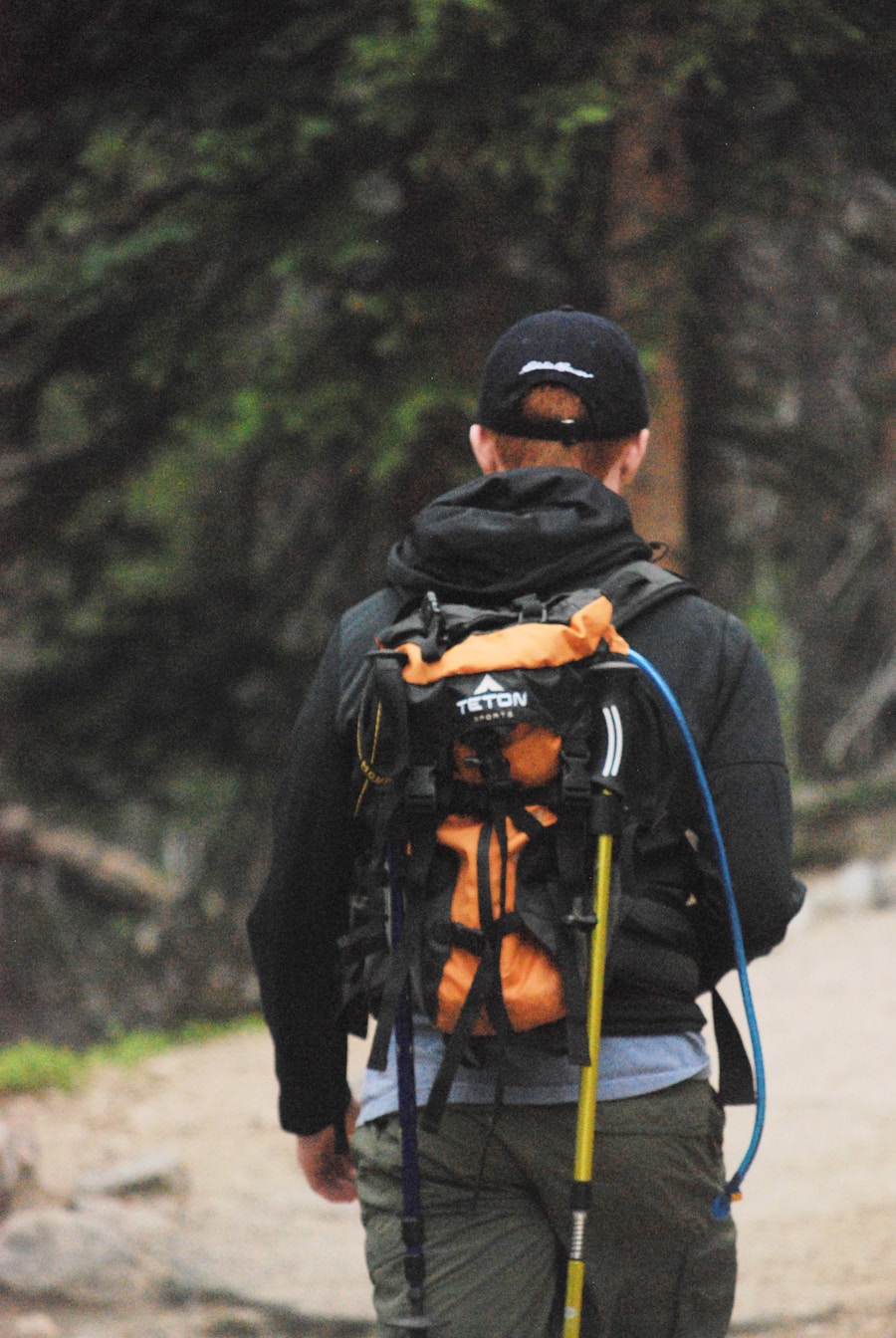
Food and fluid support the work your muscles are doing, but the needs of a one-hour local hike are very different from those of an all-day trek. Before a longer outing, eat a familiar meal or snack that gives you usable energy without upsetting your stomach. Carbohydrate-rich foods can support sustained activity, while protein is useful across the day for muscle repair and recovery. Pack portable food for longer hikes and carry extra food when remoteness or delays make that sensible.
Plan enough water for the route, weather, and access to safe water sources. During prolonged exertion, avoid forcing fluid on a rigid schedule when you are not thirsty. The Wilderness Medical Society’s exercise-associated hyponatremia guidance emphasizes that overdrinking can dangerously dilute blood sodium; an American Family Physician summary of the guideline recommends drinking in response to thirst during prolonged exertion.
Electrolyte drinks or salty foods can be useful on long, hot, high-sweat outings, but they do not make excessive fluid intake safe. For ordinary shorter hikes, water and normal meals are often enough. If you are hiking in extreme heat, have a medical condition that affects fluid balance, or take medications that alter hydration or sodium handling, get individualized advice.
Warning: Confusion, collapse, severe headache, repeated vomiting, or worsening weakness during prolonged exertion can signal a medical emergency. Stop the activity and seek urgent help rather than assuming the answer is simply “more water.”
Recovery and Injury Prevention for Hiking Enthusiasts
Recovery starts with matching your workload to your current fitness. The most useful strategy is gradual progression: increase one major challenge at a time, such as distance, elevation, technical footing, pace, or pack weight. Rest or use easy activity between hard hikes when your legs are still heavily fatigued.
After a hike, gentle walking can help you cool down. Eat, drink according to thirst, sleep well, and give sore muscles time to recover. Stretching and foam rolling may provide short-term comfort or flexibility for some people, but neither should be described as “breaking down knots” or as a guaranteed way to prevent injury.
Normal post-hike muscle soreness is usually diffuse and improves with time. Sharp pain, major swelling, instability, numbness, inability to bear weight, chest pain, fainting, or symptoms that keep worsening deserve medical evaluation. During a hike, pain that changes your gait is a good reason to slow down, rest, or turn back.
Common problems such as blisters, ankle sprains, and overuse pain become more likely when fatigue, poor fit, rough footing, and sudden jumps in workload stack up. Break in footwear before a long trip, keep feet dry when possible, trim pack weight to what you actually need, and do not make your hardest hike the first hike of the season.
Incorporating Hiking into Your Fitness Routine for Long-Term Leg and Core Strength
Hiking works best as part of a balanced routine. Use it for aerobic fitness, outdoor endurance, balance practice, and sport-specific conditioning, then add resistance training to build strength through a fuller range of motion. The CDC recommends at least 150 minutes of moderate-intensity aerobic activity per week for adults, plus muscle-strengthening activity on at least two days.
A simple week might include one longer hike, one easier walk or short hike, and two strength sessions that train the legs, hips, back, abdomen, chest, shoulders, and arms. The exact schedule should match your recovery, experience, and goals. If your next objective is a steep mountain hike, make some of your training specific: climb stairs or hills, practice controlled descents, and gradually use the same pack you plan to carry.
Set measurable goals such as finishing a route without losing form on the descent, completing a certain elevation gain comfortably, or carrying your normal day-hike pack without back or shoulder fatigue. Tracking distance, elevation, perceived effort, and recovery can show progress more clearly than mileage alone.
Hiking is a fantastic way to work the legs, core, back, and cardiovascular system while spending time outdoors. If you also carry a camera, keep the load organized and close to your body so it does not swing as you move. For gear ideas, see this guide to the best travel camera backpacks for your next hiking adventure.
Love travel? Join Our Facebook Community For More Tips.
Products Worth Considering

High-Quality Material:Hiking backpack is made of high quality rip-stop 210d nylon fabric,which is water resistant,tear resistant,anti-scratch and wear resistant. Furthermore,we also give away a rain cover with a clear silver reflective logo. It is putted in the little pocket under the backpack. So it is no doubt that all your things will keep dry during rain. Just take this outdoor backpack,no matter the weather.

Durable & Water Repellent: This hiking backpack is made of water repellent 400D polyester fabric, and the YKK zipper is smooth and not easy to fall off.

Spacious And Organized Storage Space: The large capacity hiking backpack measures about 13.4*8.6*22" (W*H*D), capacity: 40 liters. lightweight backpack is equipped with a spacious backpack with zippered main compartment, 2 front zippered pockets, 2 waist zippered pockets, 2 side pockets and 2 mesh pockets, which can efficiently store and categorize different items
Frequently Asked Questions
What muscles does hiking work?
Hiking mainly works the quadriceps, hamstrings, glutes, and calves. The hip stabilizers, abdominals, obliques, and back muscles help control the pelvis and trunk, especially on uneven ground or when carrying a backpack.
How does hiking work the quadriceps?
The quadriceps extend the knee during climbing and help control knee flexion as you descend. Long downhill sections can be especially demanding because the quads repeatedly perform braking work while the body lowers.
What role do the hamstrings play in hiking?
The hamstrings help extend the hip, flex the knee, and stabilize the leg throughout the stride. They contribute on both climbs and descents, but the quadriceps generally take a larger braking role on downhill terrain.
How are the glutes involved in hiking?
The gluteus maximus helps extend the hip and is especially important when climbing. The gluteus medius and other hip stabilizers help keep the pelvis controlled as you step over uneven ground or load one leg at a time.
Do calves play a role in hiking?
Yes. The calf muscles help push the body forward and upward, support the ankle, and work harder when the trail climbs. Repeated steep grades can make the calves and Achilles region feel much more loaded than level walking.
What is the role of the core muscles in hiking?
The core helps stabilize the spine and pelvis while the arms and legs move. Uneven footing, steep slopes, and a backpack increase the need to resist unwanted twisting, leaning, and swaying.
How do the back and shoulder muscles come into play during hiking?
Back muscles help maintain trunk position, while the shoulders support backpack straps and assist with trekking-pole use. A heavier or poorly fitted pack increases upper-body fatigue, so pack fit and load distribution matter.
Can hiking build muscle?
It can, especially for beginners or when hills and pack weight create a new challenge. Over time, the same hike becomes more of an endurance stimulus. Progressive resistance training is more reliable if increasing muscle size or maximal strength is the main goal.
Is hiking enough for leg and core training?
Hiking is excellent for leg endurance, balance, and terrain-specific conditioning, but it may not challenge every major muscle group enough to replace resistance training. For a more complete routine, combine hiking with two weekly strength sessions that cover the whole body.
Sources
- CDC — Adding Physical Activity as an Adult — current U.S. aerobic and muscle-strengthening recommendations.
- National Park Service — Hike Smart — trail selection, trip planning, 10 Essentials, weather, and hiking safety.
- PubMed — The effects of grade and speed on leg muscle activations during walking — how uphill and downhill grade changes lower-limb muscle activity.
- PubMed — Walking slope and heavy backpack loads affect torso muscle activity and kinematics — trunk-muscle and posture demands with slopes and load carriage.
- PubMed — Effects of hiking downhill using trekking poles while carrying external loads — lower-extremity loading changes with pole use.
- American Family Physician — Exercise-Associated Hyponatremia: Updated Guidelines from the Wilderness Medical Society — hydration and overdrinking risk during prolonged exertion.
