
Last Updated on July 27, 2026 by Daniel Globe
Sore muscles after hiking are common, especially after a longer, steeper, or more technical hike than your body is used to. The discomfort is often delayed onset muscle soreness (DOMS), which tends to show up the next day or over the following few days. Long descents can be especially demanding because your quadriceps repeatedly work while lengthening to control each downhill step.
Most ordinary post-hike soreness improves with time, gentle movement, adequate food and fluids, and a temporary break from hard training. Severe or unusual symptoms are different, though. Sharp pain, major swelling, pronounced weakness, or dark urine should not be dismissed as normal hiking soreness.
Quick Answer
To relieve sore muscles after hiking, cool down with easy walking, replace fluids without overdrinking, eat a normal meal or snack containing carbohydrate and protein, sleep well, and use gentle movement, heat, cold, massage, or foam rolling for comfort. Avoid another hard leg workout until movement feels normal again.
Key Takeaways
- Post-hike DOMS commonly begins within one to three days and is especially common after unfamiliar downhill walking.
- Gentle activity may ease stiffness, but stretching does not reliably prevent or cure DOMS.
- Hydration needs vary by heat, duration, sweat rate, body size, and other factors. Both dehydration and excessive fluid intake can be dangerous.
- Heat, cold, massage, and foam rolling are optional comfort measures rather than guaranteed ways to speed muscle repair.
- Severe pain, unusual weakness, major swelling, or tea- or cola-colored urine needs medical attention rather than routine home recovery.
At a Glance
| Time Required | About 10–30 minutes for immediate recovery steps; ordinary DOMS may take several days to fully settle. |
| Difficulty | Easy for ordinary muscle soreness. |
| Tools Needed | Water or another suitable drink, a balanced meal or snack, comfortable clothing, and optionally a heat pack, cold pack, or foam roller. |
| Cost | Usually little to none; most recovery measures use food, fluids, rest, and equipment you may already own. |
Note: This article provides general educational information and is not a diagnosis or personalized medical treatment. Persistent, severe, or unusual pain deserves evaluation by a qualified healthcare professional.
Disclosure: As an Amazon Associate I earn from qualifying purchases. Some links on this page are affiliate links, at no extra cost to you.
Why Muscles Get Sore After Hiking
DOMS is a common response to exercise that is harder or less familiar than your muscles are accustomed to. It reflects temporary exercise-induced stress and changes in muscle and surrounding tissue. It is more accurate to describe this as exercise-induced muscle damage and an associated inflammatory response than to say soreness comes from simple “microtears.”
Hiking has an unusual feature that can make the legs especially sore: long descents. When you walk downhill, muscles such as the quadriceps repeatedly contract while lengthening to control your body against gravity. This is called an eccentric contraction. Research on downhill walking has found more next-day muscle soreness after downhill walking than after comparable uphill walking.
You can read more about the clinical pattern of delayed onset muscle soreness from Cleveland Clinic.
What Makes Post-Hike Soreness Worse?
- A sudden increase in mileage, climbing, or descending.
- Long or steep downhill sections.
- Carrying a heavier pack than usual.
- Returning to hiking after a long break.
- Technical terrain that requires constant braking and stabilization.
- Fatigue from a hike that exceeds your current conditioning.
Footwear may affect comfort, stability, blisters, and how tired your feet feel, but even excellent hiking boots cannot prevent DOMS if your muscles are not conditioned for the workload.
Downhill walking can feel easier on your lungs while being harder on your quadriceps because the muscles repeatedly brake your body with eccentric contractions.
Pre-Hike Preparation to Reduce Excessive Soreness
The best way to reduce severe post-hike soreness is not a special stretch or supplement. It is giving your body time to adapt to the type of hiking you plan to do.
Warm Up With Easy Movement
Start with several minutes of easy walking and gradually increase your pace. Dynamic movements such as comfortable leg swings, walking lunges, calf raises, and ankle circles can help you feel ready to move through a larger range of motion.
Do not depend on stretching to prevent DOMS. A Cochrane review of stretching and post-exercise soreness found that stretching before or after exercise does not produce a clinically important reduction in DOMS.
Build Hiking Load Gradually
Increase distance, elevation change, pack weight, and technical difficulty progressively instead of changing everything at once. Regular step-downs, squats, split squats, calf raises, and other appropriately scaled strength exercises can also help prepare the legs for climbing and descending.
Hikers who struggle most with descents can benefit from training that includes controlled lowering movements. Your muscles become better able to tolerate eccentric loading after repeated exposure.
Pro Tip: Before a major hiking trip, include progressively longer walks with hills or stairs instead of relying only on flat-road cardio. The terrain you train on should gradually resemble the demands of the trail.
Check Your Gear
Wear well-fitted footwear that is suitable for the terrain, and make sure your backpack fits properly. Unnecessary pack weight increases the work your legs perform on every climb and descent. Trekking poles may also help some hikers share part of the workload and improve stability on long descents.
Moisture-wicking clothing, well-fitted socks, and properly adjusted footwear can reduce chafing, hot spots, and blister problems that may otherwise make a long hike more uncomfortable.
Post-Hike Recovery Techniques
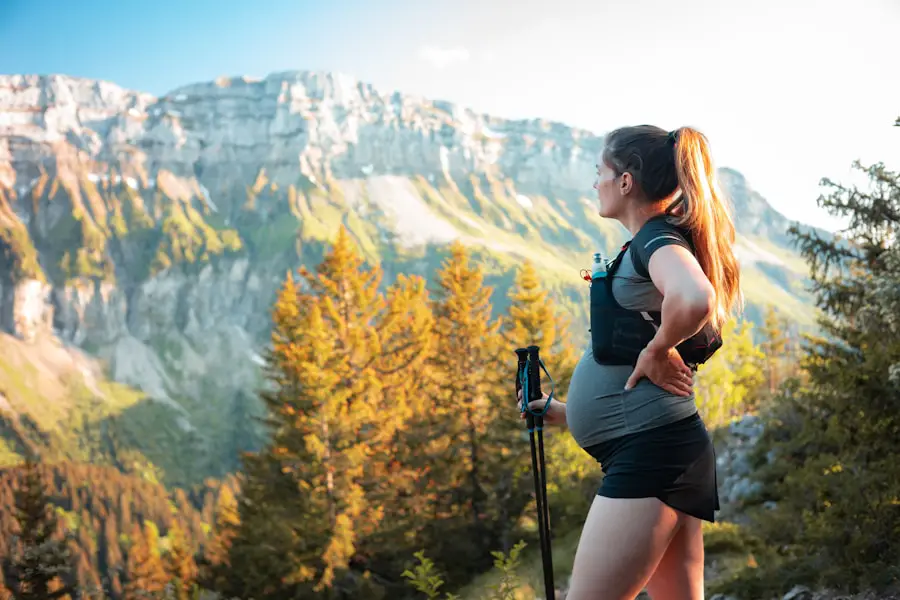
After a demanding hike, you do not need a complicated recovery routine. Start with the basics and add optional comfort measures only when they help.
- Slow down gradually. Walk easily for several minutes instead of abruptly stopping after a hard effort.
- Replace fluids. Drink according to thirst, conditions, and your expected sweat losses without forcing excessive amounts of water.
- Eat. Have a normal meal or snack containing carbohydrate and a quality protein source.
- Keep gently moving. Light walking and ordinary daily activity can make stiff muscles feel better.
- Use heat, cold, massage, or foam rolling only if they feel helpful. These mainly target symptoms rather than instantly repairing muscle.
- Recover before the next hard session. Easy activity is often fine, but avoid another demanding leg workout when soreness significantly changes your gait or movement.
Gentle stretching after the hike is also reasonable if it feels good, but it should not be treated as a requirement for recovery.
The Importance of Hydration and Nutrition
| Recovery Area | Practical Guidance | Why It Matters |
| Fluids | Replace what you lose without forcing a fixed amount. Needs rise with heat, duration, altitude, clothing, and sweat rate. | Both dehydration and excessive fluid intake can cause problems. |
| Electrolytes | Food normally supplies sodium. An electrolyte-containing drink or salty food can be useful during or after prolonged, hot, high-sweat hikes. | Sweat contains both water and electrolytes. |
| Carbohydrate | Include carbohydrate in the next meal or snack, especially after a long hike. | Carbohydrate helps replenish glycogen used during prolonged activity. |
| Protein | Choose a normal serving of a high-quality protein source as part of your post-hike meal. | Dietary amino acids support muscle protein repair and remodeling. |
| Signs You May Need More Fluid | Thirst, unusually dark urine, dry mouth, and larger-than-normal fluid losses can be clues, though no single sign perfectly measures hydration. | Hydration status is affected by multiple factors, so use several cues rather than one universal rule. |
How Much Water Should You Drink?
There is no single liters-per-hour target that is right for every hiker. The National Athletic Trainers’ Association position statement on fluid replacement emphasizes individualized hydration strategies and avoiding both excessive dehydration and fluid overload.
The often-quoted daily values of about 2.7 liters for adult women and 3.7 liters for adult men refer to total water from food and beverages under ordinary conditions. They are not hiking prescriptions. Hot weather, altitude, high activity levels, and heavy sweating can increase needs considerably.
Warning: More water is not always safer. Drinking far more fluid than you lose can dilute blood sodium and contribute to exercise-associated hyponatremia. Do not force large amounts of water simply because you are exercising.
What Should You Eat After a Hike?
A practical recovery meal combines carbohydrate, protein, fluids, and normal whole foods. Examples include yogurt with fruit and oats, eggs with toast and fruit, a turkey sandwich, rice with beans and vegetables, or a smoothie paired with another source of food if you need more energy.
Sports-nutrition research supports carbohydrate and protein for recovery, although the idea that every recreational hiker has a tiny “anabolic window” requiring food immediately after stopping is overstated. Total daily food and protein intake matter. More aggressive refueling becomes more important when you need to recover rapidly for another demanding bout of exercise. See the International Society of Sports Nutrition position stand on nutrient timing.
Fruits, vegetables, nuts, whole grains, legumes, and other nutrient-dense foods are sensible parts of a recovery diet. They should not, however, be marketed as instant treatments for DOMS.
Using Hot and Cold Therapy for Muscle Relief
Heat and cold are optional ways to manage discomfort. Neither is required for normal DOMS, and neither should be presented as a guaranteed way to accelerate muscle repair.
Cold Therapy
A wrapped cold pack may temporarily numb a particularly sore area. Apply it for a short period and place a cloth between the cold source and your skin. Never use extreme cold long enough to cause numbness, skin discoloration, or pain.
Research on cold-water immersion suggests a modest short-term reduction in perceived soreness after strenuous exercise, although study methods vary and evidence quality is not perfect.
Heat Therapy
A warm shower, bath, or heating pad can feel soothing when muscles are stiff. Contrary to the common “ice for 48 hours, then heat” rule, exercise-related muscle soreness does not require you to wait two days before using comfortable heat. Research comparing heat and cold treatments has found possible short-term benefits from both approaches.
Use a comfortable temperature, protect your skin, and avoid falling asleep on a heating pad. People with reduced sensation or circulation problems should get individualized medical advice before using strong heat or cold treatments.
For a review of the evidence, see the network meta-analysis of heat and cold therapies for DOMS.
What About Contrast Therapy?
Alternating warm and cold water is popular among athletes. Some people enjoy it, but evidence has not established it as clearly superior to simpler recovery methods. Use it for comfort rather than because you believe it is necessary to “flush toxins” or force muscle repair.
Stretching and Yoga for Sore Muscle Relief
Stretching for Recovery
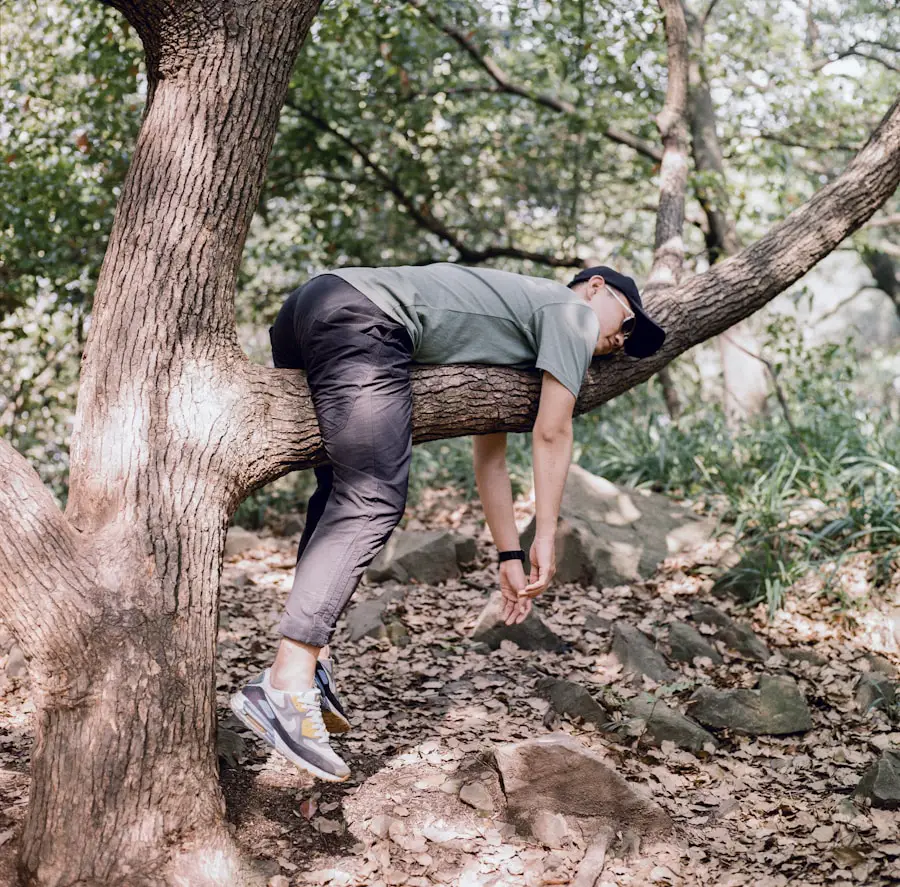
Gentle stretching can feel pleasant when calves, quadriceps, hamstrings, hips, or the lower back feel stiff. Hold a comfortable position without bouncing or forcing the joint into pain.
Stretching may temporarily improve flexibility or make movement feel easier, but research does not show a clinically important effect on DOMS itself. In other words, stretching is optional for comfort and mobility, not a cure for post-hike muscle soreness.
The Benefits of Yoga
Gentle yoga combines mobility, breathing, balance, and relaxation. That can make it a pleasant recovery activity if the poses feel comfortable. The benefit does not require aggressive stretching, and you should not push farther into a pose simply because a muscle is sore.
Targeted Yoga Poses
Easy versions of Downward Dog, Child’s Pose, and Pigeon Pose may feel comfortable for some hikers because they move areas commonly used during walking. Skip any pose that produces sharp pain, tingling, numbness, joint pain, or a feeling that the muscle is being forced.
Massage and Foam Rolling for Muscle Recovery
Massage may temporarily reduce tenderness and help tight muscles feel more comfortable. A professional sports massage is one option, but it is not necessary for routine recovery.
Foam rolling is an accessible form of self-massage. A 2024 systematic review and meta-analysis of foam rolling found evidence of small-to-moderate effects on exercise-related muscle soreness.
That does not mean the roller literally breaks up muscle knots, scar tissue, or fascial adhesions. A safer description is that rolling changes pressure and sensory input and may temporarily reduce perceived soreness or improve movement.
How to Foam Roll Sore Hiking Muscles
- Use slow, tolerable pressure on large muscle areas such as the calves and thighs.
- Avoid rolling directly over bones, the front or side of the knee, or an acutely injured area.
- Do not treat intense pain as proof that foam rolling is working.
- Stop if you develop numbness, tingling, sharp pain, or worsening symptoms.
Rest and Recovery: Listening to Your Body
Rest matters, but complete inactivity is not always necessary for ordinary DOMS. Easy walking, light cycling, swimming, or normal daily movement can make stiff legs feel better as long as the activity does not significantly worsen the pain.
Avoid another hard hike, sprint session, or heavy leg workout if soreness is severe enough to change your gait, reduce your balance, or prevent normal movement. Fatigued and painful muscles can make technical terrain harder to negotiate safely.
Can You Hike Again While Sore?
Mild, symmetrical soreness that improves as you warm up may be compatible with an easy recovery walk. Choose flat terrain, keep the distance short, and turn around if symptoms worsen.
Delay a demanding hike when you have substantial weakness, pronounced soreness on stairs, altered walking mechanics, or pain that feels localized and sharp rather than like ordinary muscle tenderness.
How Long Does Hiking Soreness Last?
DOMS often becomes noticeable the day after a hard or unfamiliar activity, may be most noticeable during the following one to three days, and then gradually improves. Some cases take several days to fully resolve.
Repeated exposure to the same type of exercise often produces less soreness as your body adapts. That is one reason regular, progressive hiking usually causes less DOMS than occasional large jumps in distance or elevation.
Sleep and Recovery
Give yourself enough time to sleep after a demanding hike. Recovery involves more than one treatment or snack; regular sleep, adequate energy intake, and sensible training load all contribute to your ability to recover between hikes.
When Sore Muscles May Be More Than DOMS
Ordinary DOMS tends to be a dull, tender, stiff feeling in muscles you worked heavily. It usually improves rather than getting progressively worse.
Warning: Seek prompt medical care for muscle pain that is much more severe than expected, major swelling, profound weakness, inability to use the affected limb normally, tea- or cola-colored urine, or other concerning symptoms. The CDC lists severe muscle pain, dark urine, and unusual weakness or tiredness among important warning signs of rhabdomyolysis.
Sharp pain that started suddenly on the trail, pain centered in a joint, obvious bruising, a popping sensation, or inability to bear weight may also indicate an injury rather than routine DOMS.
See the CDC guidance on rhabdomyolysis signs and symptoms for additional safety information.
Do Tart Cherry Juice, Turmeric, or Supplements Help?
Some studies have investigated tart cherry products, curcumin, and other supplements for exercise-related soreness. Results vary by product, dose, exercise protocol, and participant group, so these products should not replace basic recovery habits or medical evaluation when symptoms are concerning.
Whole foods such as berries, nuts, leafy vegetables, lean proteins, whole grains, and legumes are reasonable parts of a balanced diet. Supplements are different: concentrated products can have side effects or interact with medications. Discuss regular supplement use with a qualified healthcare professional, particularly if you take prescription medicines or have a medical condition.
A Simple Post-Hike Recovery Routine
- Walk easily for a few minutes as you finish the hike.
- Take off or loosen restrictive gear and address blisters, hot spots, or injuries separately from muscle soreness.
- Drink normally based on thirst, conditions, and how much you have been sweating.
- Eat a balanced meal or snack containing carbohydrate and protein.
- Stay lightly active instead of remaining completely motionless for the rest of the day.
- Use comfortable heat, cold, stretching, massage, or foam rolling only if it improves how you feel.
- Sleep and reassess the next day. Scale back training if soreness significantly affects normal movement.
If you’re planning multi-day backpacking trips, recovery also depends on sleeping comfortably enough to rest between hiking days. The existing guide to the best sleeping bag for backpacking travel can help with that part of your setup.
Frequently Asked Questions
What causes sore muscles after hiking?
Post-hike soreness is often DOMS caused by exercise that is harder or less familiar than your muscles are accustomed to. Long descents are a common trigger because the quadriceps repeatedly work eccentrically while controlling your body downhill.
How can I relieve sore muscles after hiking?
Use gentle movement, adequate fluids and food, sleep, and temporary reduction of hard exercise. Heat, cold, massage, stretching, and foam rolling can be used for comfort when they feel helpful, but time remains an important part of recovery.
Is it important to rest after hiking to relieve sore muscles?
Yes, but rest does not necessarily mean complete inactivity. Avoid another demanding leg workout while significantly sore, while gentle walking and ordinary daily movement are usually reasonable for uncomplicated DOMS.
Are there specific foods or supplements that help sore muscles after hiking?
A normal recovery meal containing carbohydrate, protein, and nutrient-dense foods supports recovery. Tart cherry and curcumin products have been studied, but they are not guaranteed treatments and supplements can interact with medicines. Basic nutrition, fluids, sleep, and appropriate training load should come first.
How long does it typically take for sore muscles to recover after hiking?
DOMS commonly develops during the first one to three days after unfamiliar or strenuous activity and then gradually improves. Mild cases may settle quickly, while more demanding hikes can leave muscles tender for several days.
Does stretching prevent soreness after hiking?
Not to a meaningful degree. Gentle stretching may make stiff muscles feel better and can improve flexibility, but randomized research has not shown a clinically important reduction in DOMS from stretching before or after exercise.
Is hiking soreness caused by lactic acid?
No. The delayed soreness that appears a day or more after a hard hike is not caused by lactic acid remaining in the muscles. DOMS is associated with exercise-induced muscle and connective-tissue stress and the body’s subsequent response to that workload.
When should I worry about muscle soreness after hiking?
Get medical help for pain that is much more severe than expected, significant swelling, pronounced weakness, dark tea- or cola-colored urine, inability to bear weight, or symptoms that are worsening rather than improving. These are not signs to simply push through.
Sources
- Cleveland Clinic — Delayed Onset Muscle Soreness — DOMS symptoms, timing, home care, and signs that warrant evaluation.
- CDC/NIOSH — Signs and Symptoms of Rhabdomyolysis — warning signs including severe muscle pain, weakness, and dark urine.
- National Athletic Trainers’ Association Position Statement: Fluid Replacement for the Physically Active — individualized hydration and exercise-associated hyponatremia prevention.
- International Society of Sports Nutrition Position Stand: Nutrient Timing — carbohydrate and protein considerations around exercise and recovery.
- Cochrane Review — Stretching to Prevent or Reduce Muscle Soreness After Exercise — evidence that stretching has little clinically meaningful effect on DOMS.
- Network Meta-Analysis of Cold and Heat Therapies for DOMS — evidence and limitations for heat and cold as soreness-relief strategies.

