
Last Updated on July 26, 2026 by Daniel Globe
Rattlesnakes are fascinating creatures that play a crucial role in their ecosystems throughout North America. Inhabiting environments ranging from arid deserts to dense forests and grasslands, their behavior is largely driven by temperature control and prey availability. Because rattlesnakes are ectothermic—relying on external heat to regulate body temperature—they often bask in the sun during cooler mornings and retreat to shade or rocky burrows during peak heat. Understanding rattlesnake behavior, knowing how to handle trail encounters, and executing proper first aid are critical safety skills for any hiker entering snake country.
Quick Answer
If you encounter a rattlesnake while hiking, freeze, locate the snake, and slowly back away to a distance of at least 10 feet. If bitten, stay calm, keep the affected limb immobilized at or below heart level, remove tight clothing or jewelry, and seek immediate emergency medical care for antivenom evaluation. Never use ice, tourniquets, or suction pumps.
Key Takeaways
- Rattlesnakes are mostly solitary and prefer avoidance over confrontation, using their rattle as a warning signal.
- Wear sturdy over-the-ankle hiking boots and long pants, and always stay on well-maintained, marked trails.
- If bitten, keep the victim still, immobilize the limb at heart level, and contact emergency services immediately.
- Never cut the bite, apply tourniquets, use ice, or attempt venom suction; these outdated methods aggravate tissue damage.
At a Glance: Rattlesnake Safety Prep
| Recommended Protective Gear | High-ankle leather boots, snake gaiters, loose long pants, trekking poles |
| Active Peak Hours | Early morning and dusk (cooler hours during hot months) |
| Primary First Aid Priority | Immediate evacuation to medical facility for antivenom (CroFab/Anavip) |
| Critical Don’ts | Do NOT apply tourniquets, ice, suction, incision, or consume alcohol/caffeine |
Disclosure: As an Amazon Associate I earn from qualifying purchases. Some links on this page are affiliate links, at no extra cost to you.
Precautions to Take Before Hiking in Rattlesnake Territory
Before embarking on a hike in areas known to be inhabited by rattlesnakes, taking proactive precautions significantly minimizes your risk. First and foremost, research the specific trail system and region you plan to explore. Park service alerts and ranger stations frequently post recent wildlife observations and active snake sighting updates.
Wearing appropriate footwear is one of the most effective protective measures. Sturdy hiking boots that rise well above the ankle provide a resilient barrier against low defensive strikes. Combining heavy boots with thick long pants or dedicated snake gaiters adds essential protection for your lower legs. Furthermore, hiking with a partner rather than solo ensures that someone is present to manage emergency logistics or contact medical aid if a bite occurs. Always bring a fully charged mobile phone or a satellite communication messenger for remote backcountry areas.
What to Do If You Encounter a Rattlesnake on the Trail
Encountering a snake on the trail can be startling, but reacting with calm, deliberate action reduces the likelihood of defensive strikes. Rattlesnakes do not actively hunt humans; they strike primarily when surprised, cornered, or stepped on.
If you spot a rattlesnake, stop immediately and locate its position. If the snake is coiled, rattling, or raising its head, it is displaying defensive behavior. Slowly step back and establish a buffer of at least 10 to 15 feet. Give the snake ample room and time to move off the trail on its own accord. Never attempt to poke, move, or handle the snake with sticks or rocks, as pit vipers can strike across a distance equal to half their body length in milliseconds.
Identifying Rattlesnake Bites and Symptoms
Rattlesnake venom contains a complex mixture of hemotoxins and tissue-destroying enzymes. Recognizing the signs of envenomation allows for prompt medical intervention.
| Symptom | Clinical Description |
|---|---|
| Immediate Severe Pain | Intense, burning or throbbing localized pain occurs immediately at the bite site. |
| Rapid Swelling & Edema | Swelling develops rapidly and can spread up the entire affected limb within hours. |
| Ecchymosis & Bleeding | Severe bruising, skin discoloration, and oozing from fang puncture wounds. |
| Systemic Metallic Taste / Numbness | Tingling around the mouth, a strange metallic taste, or facial muscle twitching. |
| Systemic Shock & Nausea | Dizziness, low blood pressure, rapid heart rate, nausea, vomiting, or breathing difficulty. |
First Aid Measures for Rattlesnake Bites
When administering first aid for a rattlesnake bite, proper technique focuses on slowing venom spread and facilitating safe transport to an emergency department.
Warning: Never apply a tourniquet, cut the wound, attempt mechanical suction, or apply ice. According to the CDC Venomous Snakes Safety Guidelines, these outdated interventions worsen localized tissue destruction and increase amputation risks.
Keep the victim as calm and quiet as possible; elevation of heart rate accelerates systemic circulation of venom. Keep the affected limb immobilized in a functional position level with the heart. Immediately remove any rings, watches, tight clothing, or shoes near the bite zone before localized swelling expands.
Carrying a Snake Bite Kit on Hikes
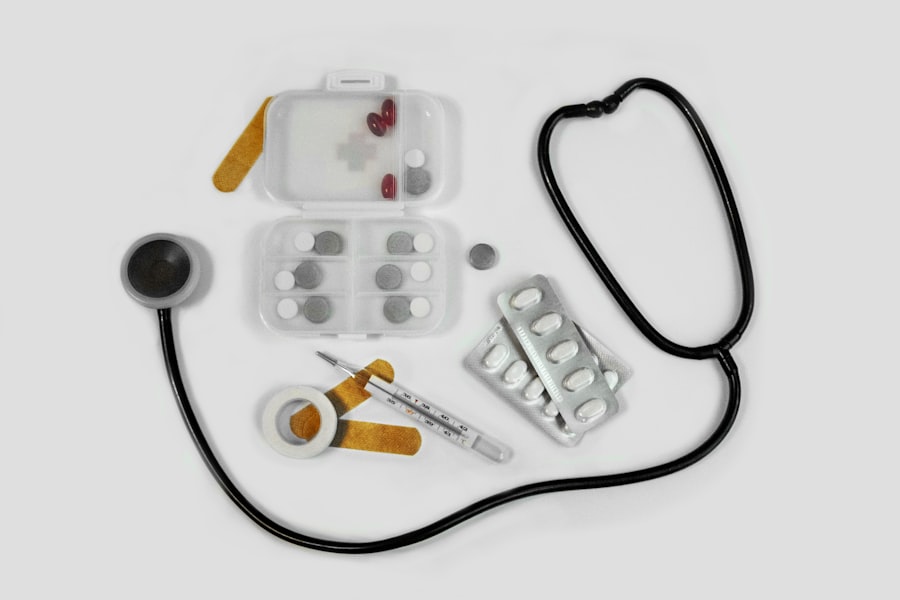
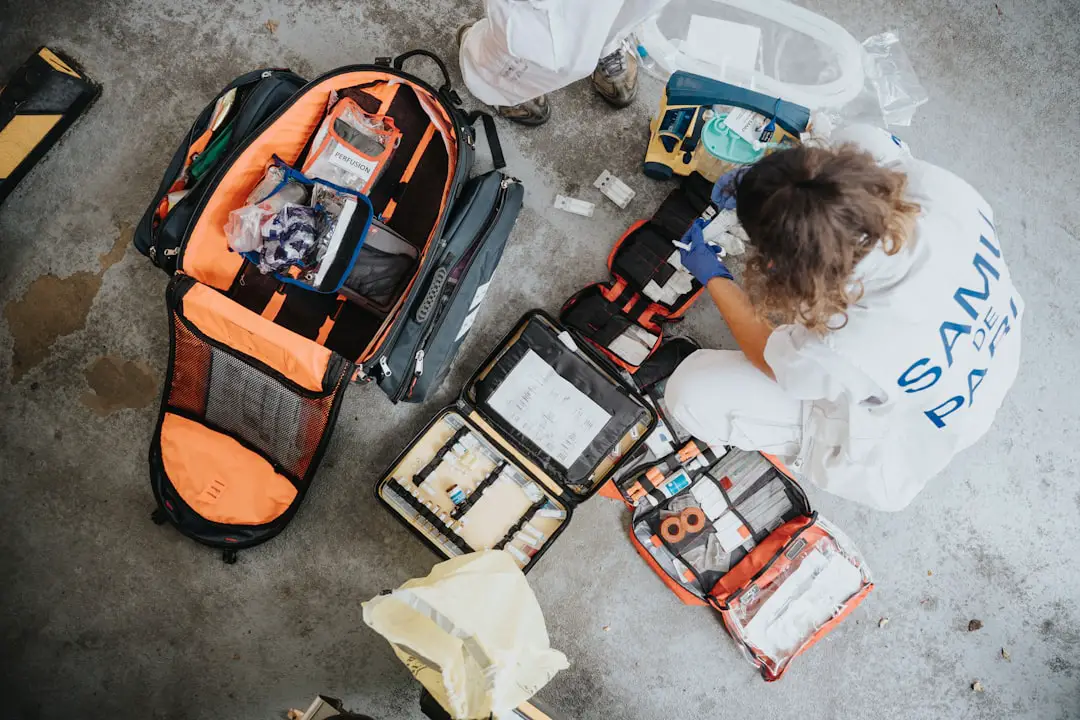
When hiking in remote rattlesnake habitats, packing an appropriate outdoor medical kit is vital. However, modern wilderness medical protocols have changed regarding what a snake bite kit should contain.
Commercial kits containing mechanical suction pumps or razor blades are obsolete and dangerous. Instead, your backcountry kit should include clean antiseptic wipes, sterile gauze dressings, flexible wrapping bandages (to keep dressings clean), a permanent marker to trace the border of advancing swelling over time, and a satellite communications device.
Pro Tip: Use a permanent marker to draw a line around the outer perimeter of the swelling and write the current time next to it. Re-trace the line every 15 to 30 minutes. This visual timeline gives emergency physicians vital data on how rapidly the venom is progressing.
Tips for Hiking with Pets in Rattlesnake Country
Dogs are particularly susceptible to rattlesnake bites due to their natural curiosity and sniffing instincts along trail borders. Keeping dogs on a short, non-retractable leash at all times prevents them from exploring brush, rock crevices, or tall grass where snakes shelter.
Training your dog to master robust verbal commands such as “leave it” and “come” offers essential protection during unexpected encounters. For dog owners living or frequently recreating in endemic areas, consult your veterinarian regarding rattlesnake vaccine protocols or professional snake-aversion training courses.
How to Minimize the Risk of Rattlesnake Encounters on the Trail
Minimizing encounters relies on staying observant and maintaining noise while moving along trails. Rattlesnakes sense ground vibrations and typically retreat long before you see them if they hear heavy footfalls or trekking poles striking the earth.
Stick to well-maintained, high-traffic trails where visibility is high. Avoid stepping directly over large logs or boulders; instead, step onto the log first, look down to inspect the far side, and then step down carefully. When navigating rocky terrain or collecting firewood, never put your hands or feet into blind crevices.
The Importance of Staying on Marked Trails in Rattlesnake Habitats
Staying strictly on designated trails serves a dual purpose: preserving delicate ecosystems and maintaining clear sightlines. Marked paths are cleared of dense brush and ground cover where snakes hide undetected.
Venturing off-trail into overgrown vegetation significantly increases your chances of accidentally stepping on a camouflaged snake. Furthermore, straying off-path destabilizes soil, damages plant life, and disrupts delicate wildlife habitats.
What to Do in the Event of a Rattlesnake Bite While Hiking
If a bite occurs deep in the backcountry, immediate emergency mobilization is required. Activate emergency SOS functions on your cell phone or satellite device, or dispatch a member of your hiking party to call 911 immediately.
If you are alone and out of cellular range, begin walking slowly toward the nearest trailhead or road. Do not run. Minimize exertion as much as possible to keep your heart rate low. If assistance is on the way, remain still in a safe, shaded location until emergency response personnel reach your position.
Seeking Medical Attention After a Rattlesnake Bite
Regardless of whether a bite initially appears mild or feels like a “dry bite” (where no venom is injected), professional evaluation at a hospital emergency department is imperative. Envenomation symptoms can worsen dramatically over several hours.
Hospitals treat rattlesnake envenomation using specialized antivenom (such as CroFab or Anavip), which neutralizes venom components and halts tissue necrosis and systemic complications. Prompt medical intervention is the single most decisive factor in achieving complete recovery after a bite.
Frequently Asked Questions
What should I do if I am bitten by a rattlesnake while hiking?
Immediately move out of the snake’s strike range, remain as calm as possible, and call 911 or activate a satellite SOS. Keep the bitten limb immobilized at or near heart level, remove restrictive clothing and jewelry, and transport the victim to an emergency medical facility as quickly and calmly as possible.
What should I not do if I am bitten by a rattlesnake?
Do not use tourniquets or restrictive bands, do not cut the bite mark, do not attempt to suck out the venom manually or with a suction pump, do not apply ice, and do not consume alcohol or caffeine.
Should I try to capture the snake for identification?
No, never attempt to capture, kill, or closely approach the snake. Attempting to manage the snake exposes you to secondary bites. Taking a quick photo from a safe distance of 10+ feet is acceptable only if it does not delay emergency care or compromise safety.
How can I prevent getting bitten by a rattlesnake while hiking?
Prevent bites by staying on marked trails, wearing high-ankle leather boots with long pants, using trekking poles, keeping pets on short leashes, and never putting your hands or feet into blind spots, rocks, or brush.
What are the primary symptoms of a rattlesnake bite?
Symptoms include immediate intense pain, localized swelling, skin discoloration, bruising, oozing at fang marks, a metallic taste in the mouth, nausea, rapid pulse, and difficulty breathing in severe cases.
Sources
- Centers for Disease Control and Prevention (CDC) — Venomous Snake Safety Guidelines & First Aid Recommendations
- Wilderness Medical Society — Clinical Practice Guidelines for the Prevention and Treatment of Pit Viper Envenomation
- American Red Cross — Snakebite Emergency Response Protocols

