Last Updated on July 26, 2026 by Daniel Globe
Seeing a snake while hiking can be alarming, but most encounters end safely when the hiker stays calm and gives the animal room to leave. The safest response is simple: stop, identify where the snake is, create distance slowly, and never touch, corner, or try to move it.
Quick Answer
If you see a snake while hiking, stop and remain calm. Slowly back away without stepping toward or over it, then wait for the snake to leave or choose another route. Never touch, poke, capture, or kill it. If anyone is bitten, contact emergency services immediately and limit movement.
Key Takeaways
- Give every snake plenty of space, even when you believe it is harmless.
- Do not rely on head shape, pupil shape, or color alone to decide whether a snake is venomous.
- Wear boots and long pants, stay on visible trails, and never put a hand or foot where you cannot see.
- Do not poke, tap, frighten, pick up, capture, or kill a snake.
- Treat every suspected snakebite as an emergency, even when pain, swelling, or fang marks are not immediately visible.
- Do not use suction devices, tourniquets, ice, wound cutting, electric shock, or folk remedies.
At a Glance
| Time Required | A few seconds to stop and create distance; emergency care should begin immediately after a bite. |
| Difficulty | Easy when the snake is visible and space is available; more difficult on narrow or overgrown trails. |
| Tools Needed | No tool is needed for an encounter. Boots, a flashlight, a charged phone, offline map, and standard first-aid kit help with prevention and emergencies. |
| Cost | Usually no added cost beyond normal hiking and emergency-preparation gear. |
Disclosure: As an Amazon Associate I earn from qualifying purchases. Some links on this page are affiliate links, at no extra cost to you.
Understanding Snake Behavior on the Trail
Snakes are ectothermic reptiles, which means they use environmental heat to regulate their body temperature. They may bask in sunny areas when conditions are cool and move into shade, burrows, vegetation, or rock crevices when conditions become too hot.
There is no single time when every snake is most active. Activity varies by species, location, season, elevation, weather, and habitat. In hot summer conditions, some species are more active near dawn, dusk, or at night. During cooler parts of the year, snakes may be active in daylight when the ground is warmer.
Most snakes try to avoid people. A snake that coils, hisses, opens its mouth, vibrates its tail, or rattles is usually warning that it feels threatened. Treat those signals as a request for more space, not as an invitation to approach for a photograph.
The safest snake encounter is one in which the hiker notices the animal early, stops moving toward it, and allows it to leave without interference.
Identifying Different Types of Snakes
Snake diversity is greater than many older guides suggest. The Reptile Database listed 4,249 recognized snake species as of June 2026, and the number continues to change as taxonomy is revised.
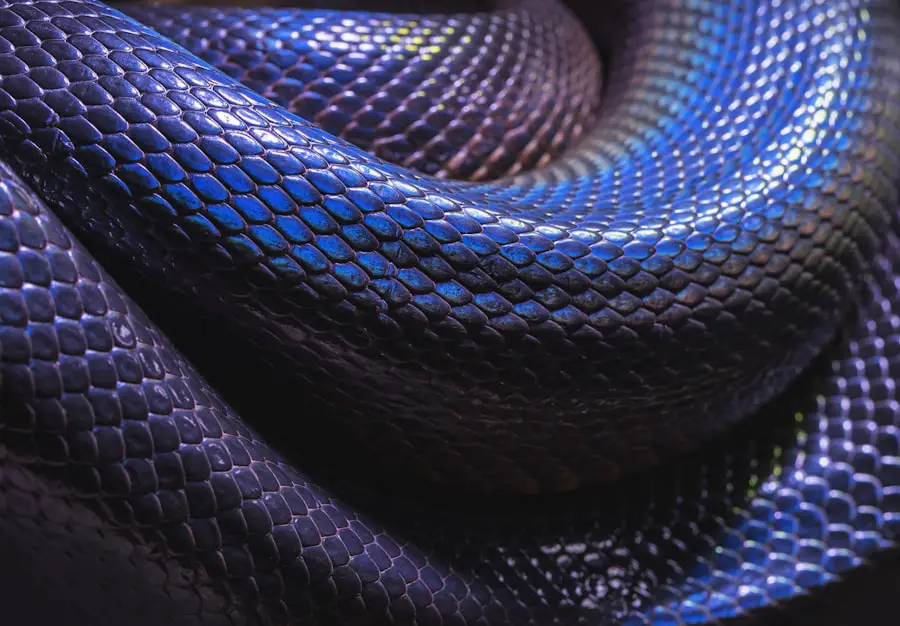
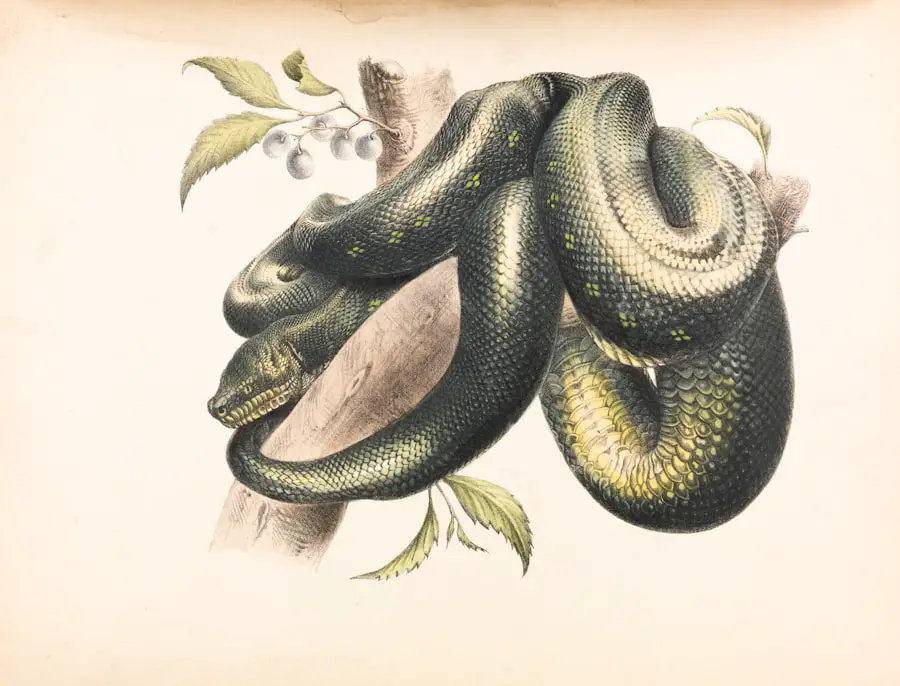
Species are best identified by combining several features, including geographic range, body pattern, scale appearance, habitat, size, and behavior. For example, an eastern diamondback rattlesnake has a heavy body, a rattle, and a diamond-like dorsal pattern. Garter snakes are generally smaller and often have lengthwise stripes. Water-associated snakes may be found near ponds, rivers, swamps, or stream banks, while sidewinders are adapted to sandy desert habitats.
Color and pattern can vary within a species, and several harmless snakes resemble venomous species. Head shape is especially unreliable because many nonvenomous snakes flatten their heads when frightened. Pupil shape and heat-sensing pits are also poor field shortcuts because a hiker would need to get dangerously close to inspect them.
Warning: Never move closer to inspect a snake’s head, eyes, tail, or scales. Use a regional wildlife-agency guide or a zoomed photograph taken from a safe distance, but do not delay medical care after a bite while trying to identify the species.
Precautions to Take Before Hitting the Trail
Good preparation lowers the chance of surprising a hidden snake. The National Park Service hiking-safety guidance recommends planning for local hazards and carrying appropriate equipment.
- Wear sturdy footwear: Boots or closed hiking shoes offer more protection than sandals. Long pants made from durable material add another barrier.
- Stay on visible trails: Walk near the center when practical and avoid pushing through tall grass, leaf piles, dense brush, rock piles, or fallen timber.
- Watch every step: Look beyond the next foot placement, especially near logs, water, warm rocks, trail edges, and shaded crevices.
- Protect your hands: Do not reach under rocks, into holes, onto hidden ledges, or into brush that you cannot see through.
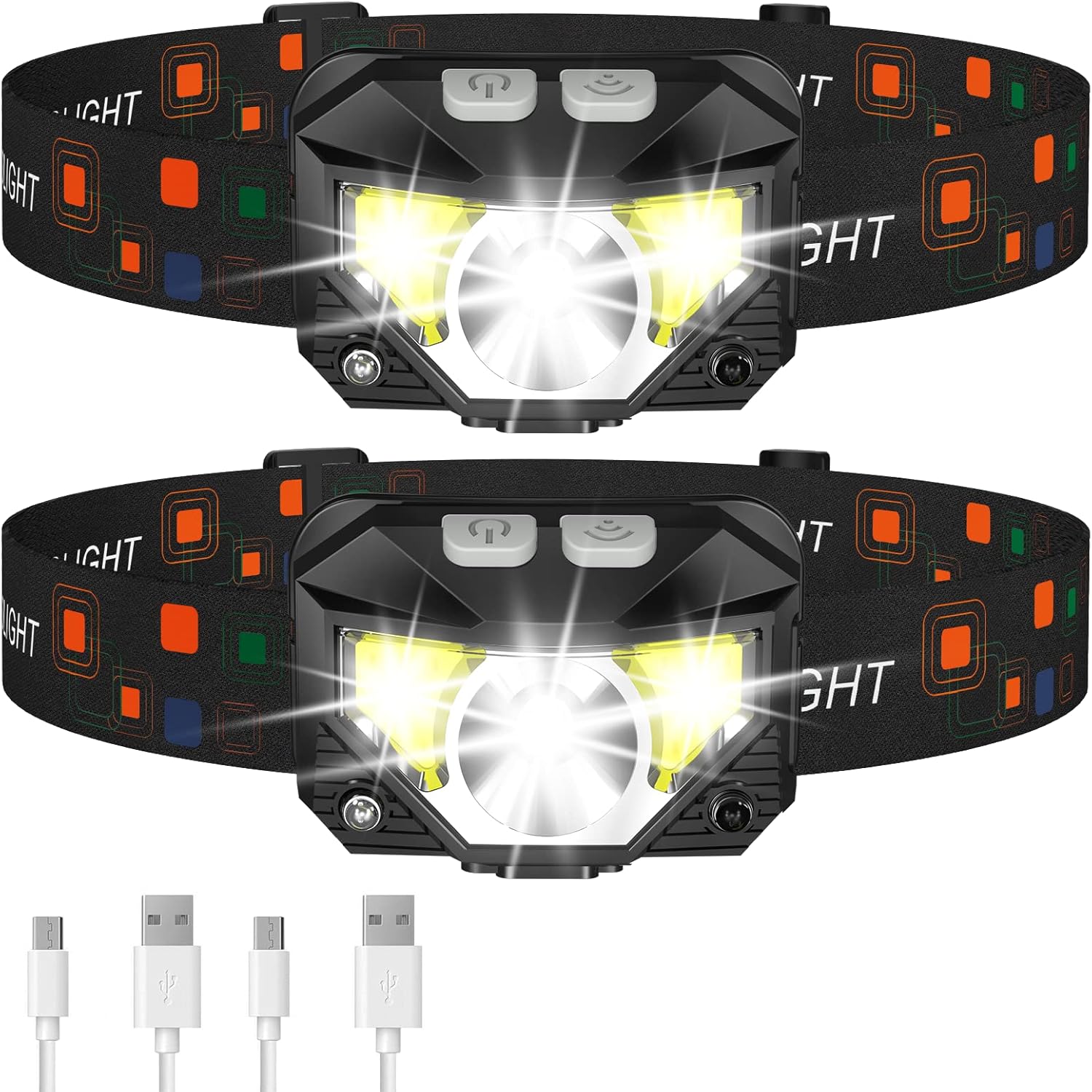
- Use a light after dark: A headlamp or flashlight helps reveal snakes on trails, roads, and around campsites.
- Check the local species: Review an official park, state, provincial, or national wildlife guide before the trip.
- Keep dogs controlled: Use a short leash and prevent pets from investigating bushes, holes, logs, or rock gaps.
- Tell someone your route: Share your trail, expected return time, and emergency plan before entering a remote area.
Plan for a Remote-Area Emergency
Before hiking in an area with venomous snakes, learn where cellular service is available, how to contact park staff, and how far the nearest emergency facility is. Download an offline map and carry a charged phone or satellite communicator when the route is remote.
A standard first-aid kit can clean and cover a wound, but it cannot neutralize venom. Do not rely on a suction-style snakebite kit. For longer trips, a portable power source may help keep communication devices available; this guide to the best solar charger for backpacking explains one option for maintaining power away from electrical outlets.
Pro Tip: Save the park office, local emergency service, and poison-information numbers before starting the hike. A contact stored offline is more useful than a web page that cannot load without service.
What to Do When You Encounter a Snake
| Encounter Situation | Recommended Action |
| Snake beside or crossing the trail | Stop, back away slowly, and wait at a safe distance until it leaves. |
| Snake blocking a narrow trail | Do not step over or squeeze past it. Wait, turn around, or use an established alternate route. |
| You hear a rattle but cannot see the snake | Stop immediately, locate the sound without stepping blindly, and slowly move away along the route you already know is clear. |
| Snake inside a home, vehicle, cabin, or occupied campsite | Keep people and pets away and contact park staff, wildlife authorities, or a qualified removal professional. |
| Suspected snakebite | Move away from the snake, contact emergency services immediately, keep the person still, and begin safe first aid. |
Follow these steps when a snake is visible:
- Stop moving toward it. Sudden steps can bring you closer or cause you to lose sight of the snake.
- Stay calm and locate the entire snake. Make sure you know where its head and body are before choosing a retreat path.
- Back away slowly. Use the same clear ground you just crossed rather than stepping into brush or rocks.
- Give it an escape route. Do not surround, corner, or block it with other hikers.
- Wait or reroute. A snake crossing a trail will often continue once people move away.
- Warn nearby hikers calmly. Point out the location from a distance without gathering around the animal.
Warning: Do not tap the snake, poke it with a trekking pole, throw objects, spray it, attempt to lift it, or try to make it move. Never handle a snake that appears dead because reflex movement may still cause a bite.
Signs of a Snake Bite
Snakebite symptoms depend on the species, bite location, amount of venom, person’s health, and time since the bite. Possible signs around the wound include:
- One or more puncture marks, scratches, or wounds.
- Pain or tenderness.
- Swelling, redness, bruising, bleeding, or blistering.
- Numbness or tingling near the bite.
Symptoms affecting the rest of the body may include:
- Nausea, vomiting, diarrhea, sweating, or increased saliva.
- Dizziness, weakness, confusion, or fainting.
- Blurred vision or other vision changes.
- Rapid heart rate, weak pulse, or low blood pressure.
- Muscle twitching, facial tingling, or difficulty speaking.
- Trouble breathing, which is immediately life-threatening.
Not every bite produces two clear fang marks, immediate pain, or rapid swelling. Some venomous snakes can deliver a dry bite with little or no venom, but a hiker cannot safely determine this in the field.
Note: Do not wait for symptoms to appear. Every suspected snakebite needs prompt medical evaluation, including bites from snakes believed to be nonvenomous because infection, retained teeth, tissue injury, and identification errors are possible.
First Aid for Snake Bites
Medical Emergency: Call the local emergency number immediately after any suspected snakebite. In the United States, call 911 and Poison Control at 1-800-222-1222. Do not drive yourself because dizziness, weakness, or loss of consciousness can occur.
Current CDC snakebite guidance recommends the following actions while emergency help is being arranged:
- Move away from the snake. Do not risk a second bite by trying to catch or kill it.
- Call for emergency help immediately. Give the dispatcher your location, trail name, nearest landmark, symptoms, and available evacuation options.
- Keep the person calm and still. Limit walking and unnecessary muscle movement.
- Place the person in a safe resting position. Keep the bitten area in a neutral, comfortable position unless emergency personnel provide different instructions.
- Remove constricting items. Take off rings, watches, bracelets, tight shoes, and tight clothing before swelling increases.
- Clean and cover the bite. When practical, wash gently with soap and water and apply a clean, dry dressing.
- Monitor swelling. If it does not delay evacuation, mark the leading edge of swelling or tenderness and write the time beside it.
- Watch breathing and responsiveness. Be ready to follow dispatcher instructions and provide CPR if the person stops breathing and you are trained to do so.
What Not to Do After a Snake Bite
- Do not apply a tourniquet or tightly tie off the limb.
- Do not cut, slash, puncture, or burn the wound.
- Do not suck the wound with your mouth or a suction device.
- Do not apply ice or immerse the bite in cold water.
- Do not use electric shock, chemicals, herbs, black stones, or other folk remedies.
- Do not drink alcohol or caffeine.
- Do not take aspirin, ibuprofen, or naproxen unless a qualified medical professional tells you to do so.
- Do not try to capture, kill, or carry the snake.
- Do not wait for pain, swelling, or discoloration before seeking help.
Pressure immobilization bandages are used for certain snake species and venom types in some regions, but they are not appropriate for every bite. Incorrect pressure can damage tissue or worsen injury. Apply one only when local emergency guidance or trained medical personnel specifically recommend it.
This article provides general safety information and does not replace instructions from emergency dispatchers, poison specialists, doctors, park rangers, or local snakebite protocols.
How to Safely Remove Yourself from the Situation
If no bite has occurred, slowly increase the distance between yourself and the snake while watching where you place your feet. Do not turn and run through unseen terrain. Once you have enough distance, wait for the snake to leave or return along the established trail.
If a bite has occurred, move only far enough to prevent another bite and reach a safe resting place. Do not run. Contact emergency services from that location and avoid walking whenever rescuers can reach you.
A solo hiker without phone or satellite service may have no choice but to move toward an area where help can be contacted. In that situation, move slowly and carefully, avoid unnecessary exertion, and stop as soon as communication or assistance becomes available.
Reporting the Encounter
A routine sighting usually does not need to be reported when the snake is away from busy areas and moving normally. Reporting may be appropriate when:
- A venomous or unidentified snake remains on a heavily used trail, playground, campground, visitor facility, or building.
- The snake is trapped, injured, or at risk of being harmed by visitors.
- A bite or near-bite occurred.
- Park rules request that particular wildlife sightings be reported.
From a safe location, note the trail name, nearest landmark, time, and direction the snake moved. A zoomed photograph may help trained staff identify it, but never approach, surround, or delay emergency care to obtain a picture.
Preventing Future Encounters
No method can guarantee that a hiker will never see a snake, but consistent habits can reduce surprise encounters:
- Research local species, habitats, and seasonal activity before the trip.
- Stay on designated trails and avoid tall grass or dense underbrush.
- Step onto a log or rock only after checking the far side.
- Do not sit or place gear beside holes, rock crevices, brush piles, or fallen timber without looking first.
- Use a flashlight around campsites and trails after dark.
- Keep tents zipped and sleeping areas free of food scraps and rodents.
- Shake out shoes, clothing, bedding, and packs before use in snake-prone regions.
- Keep pets close and prevent them from investigating hidden spaces.
Hiking With Children and Dogs
Keep young children close enough to stop them from reaching into brush, climbing unseen rock ledges, or stepping over a snake. Teach them to freeze, point to the snake, and call an adult rather than running toward or away from it.
Dogs should remain on a short leash where required or where snakes may be present. Do not allow a dog to place its face into logs, burrows, tall grass, or thick bushes. Contact a veterinarian immediately after a suspected bite.
Educating Others on Snake Safety
Useful snake-safety education should focus on behavior rather than fear. Teach hikers to notice where they place their hands and feet, give wildlife room, and seek immediate care after a bite.
Avoid repeating myths such as “all venomous snakes have triangular heads” or “a harmless snake always has round pupils.” Instead, direct people to official regional field guides that show the species actually found in the area.
Community workshops, park programs, trailhead notices, and social media posts can reinforce a simple message: observe from a distance, do not interfere, and know how to contact emergency help.
Resources for Further Information
Local park services, wildlife departments, universities, poison centers, and public-health agencies are the best sources for regional guidance. Their information can help hikers learn which species live nearby, when encounters are most likely, and which medical facilities are prepared to treat snakebite.
In the United States, Poison Control provides free guidance at 1-800-222-1222. Travelers outside the United States should save the local emergency number and identify the nearest medical facility before entering remote snake habitat.
Frequently Asked Questions
What should I do if I see a snake while hiking?
Stop, remain calm, and slowly back away along clear ground. Give the snake an open escape route and wait for it to leave. Do not touch, poke, photograph at close range, step over, or try to move it.
Should I run if I see a snake?
No. Running can cause a fall, make you step closer to the snake, or send you into unseen terrain. Stop, locate the snake, and move away slowly while watching where you place your feet.
What if a snake is blocking the trail?
Wait from a safe distance until it has completely left the trail. On a narrow path, turn around or use an established alternate route. Never step over, squeeze past, throw objects, or prod the snake with a stick.
How can I avoid encountering snakes while hiking?
Stay on visible trails, wear boots and long pants, watch where you step, avoid placing hands in hidden spaces, use a flashlight after dark, and keep pets on a short leash. Learn which species occur along the route before hiking.
What should I do if I am bitten by a snake while hiking?
Move away from the snake, call emergency services immediately, keep still, remove rings and other tight items, and place the bite in a neutral position of comfort. Clean and cover it when practical. Do not use a tourniquet, ice, suction, cutting, or folk remedies.
Should I carry a snakebite kit?
Do not rely on a suction-style snakebite kit. Carry a normal first-aid kit, charged communication device, offline map, and emergency contact information. The effective response to venomous snakebite is prompt professional medical care and antivenom when clinically required.
Are all snakes encountered while hiking dangerous?
No. Most snake species are not dangerously venomous to humans, and most snakes try to avoid people. However, any snake may bite when handled, stepped on, or cornered, so every snake should be given space.
How can I identify whether a snake is venomous?
Use an official regional species guide and observe only from a safe distance. Do not rely solely on triangular heads, vertical pupils, color rhymes, or body shape. Several harmless species share those traits, and some venomous species do not.
Sources
- CDC/NIOSH: Venomous Snakes at Work — prevention, symptoms, emergency response, and unsafe first-aid methods.
- World Health Organization: Snakebite Treatment — global first-aid principles, immobilization, transport, and pressure-bandage limitations.
- National Park Service: Wildlife Safety — trail encounters, avoiding provocation, and waiting for a snake to cross.
- University of Florida IFAS: Recognizing Venomous Snakes — identification limitations and the triangular-head myth.
- The Reptile Database: Species Statistics — current recognized global snake-species count.